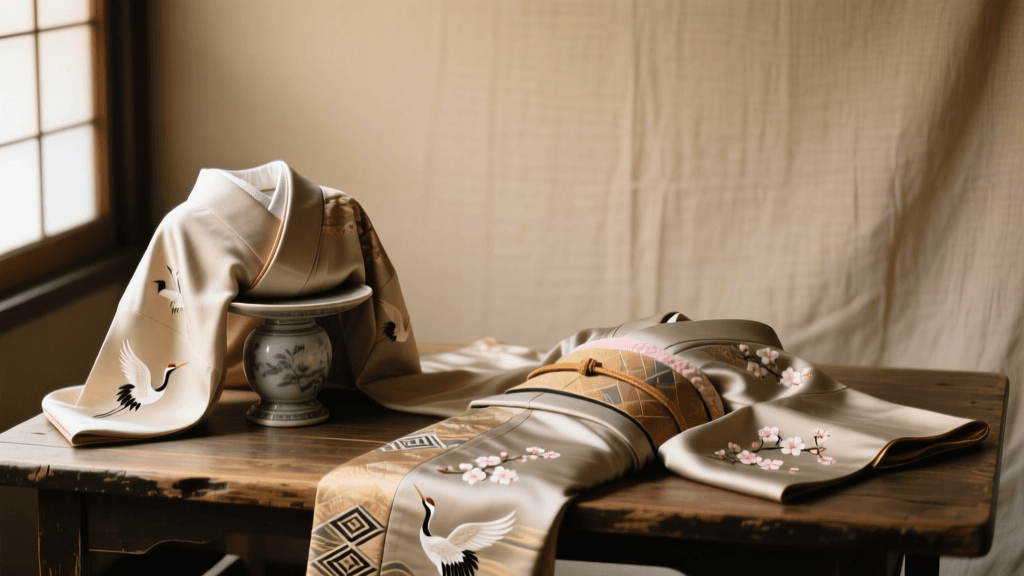
Top Japanese Fashion Magazines for Kimono Culture 2026
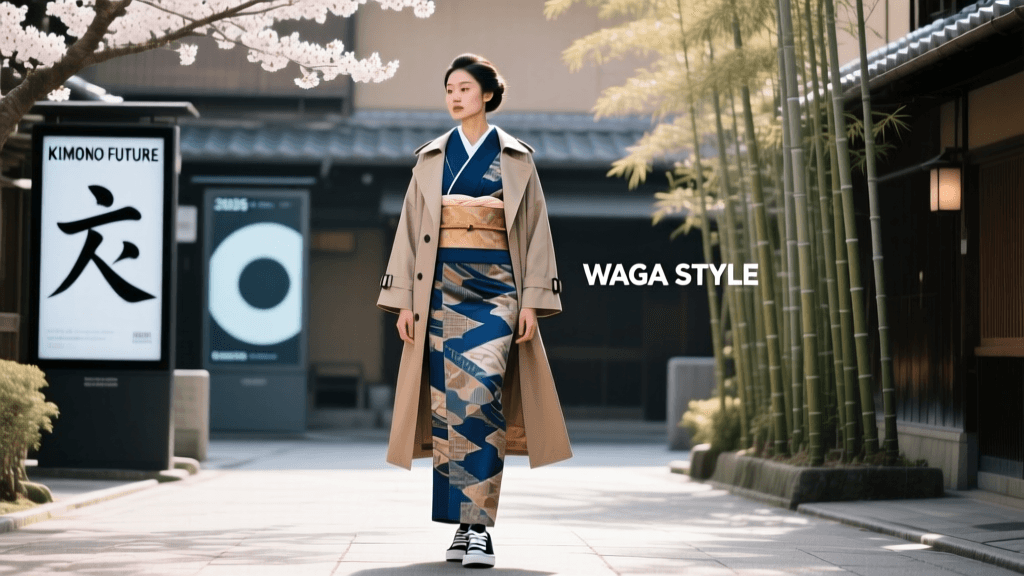
The Digital Renaissance of Japanese Garment Journalism
The landscape of Japanese fashion journalism has undergone a radical transformation as we move through 2026. While legacy print publications once dominated the discourse surrounding traditional garments, the digital realm has now become the primary frontier for kimono culture, heritage textile preservation, and street style documentation. For enthusiasts, researchers, and global fashion professionals, Japanese online magazines and niche blogs offer an unprecedented window into the intersection of ancient craftsmanship and contemporary wardrobes. In 2026, these digital platforms are not merely static catalogs; they are interactive ecosystems featuring augmented reality (AR) obi-tying tutorials, real-time secondhand market pricing indexes, and deep-dive investigative journalism into rural artisan communities.
As traditional garments like the kimono, yukata, and haori continue to influence global runways and local street style, digital fashion journalism serves as the vital bridge between heritage and modernity. Whether you are looking to decode the complex layering of formal wear, understand the nuanced differences between summer casual yukata and jinbei, or track the latest vintage textile auctions in Tokyo, the right digital publications are indispensable. This guide explores the most authoritative and innovative Japanese fashion blogs and online magazines shaping the traditional garment narrative in 2026.
Premier Online Magazines & Blogs for 2026
Kimono Salone Digital
Originally a highly coveted quarterly print magazine, Kimono Salone completed its transition to a fully digital-first model in late 2025. In 2026, their online platform is the gold standard for high-end traditional styling and artisan interviews. The digital edition excels in its multimedia approach, offering high-resolution, zoomable macro photography of intricate yuzen dyeing and nishijin-ori weaving techniques. Their editorial team frequently collaborates with master dyers in Kyoto and Kanazawa, providing readers with exclusive behind-the-scenes access to the creation of custom furisode and formal obi. Furthermore, their 2026 integration of AI-driven textile pattern recognition allows users to upload photos of vintage garments to identify the likely era, region, and weaving technique used.
WASAIL (We Are Silk and Indigo Life)
For those deeply invested in the wellness connections, sustainability, and natural dyeing aspects of Asian traditions, the independent blog WASAIL is an essential daily read. Operating at the intersection of slow fashion and cultural preservation, WASAIL focuses heavily on rural artisans, natural indigo (aizome) farming, and the revitalization of endangered weaving techniques like Oshima Tsumugi. Their 2026 investigative series on the economic realities of natural dye farmers in Tokushima has sparked vital conversations about sustainable pricing in the traditional garment supply chain. The blog also features a highly active community forum where readers exchange tips on garment care, natural moth deterrents, and the proper storage of delicate silk textiles.
Tokyo Kimono Street Snap (TKSS)
Operating primarily as a Substack newsletter and Instagram hybrid, Tokyo Kimono Street Snap captures the vibrant, rule-breaking ways younger generations are styling traditional wear in urban centers. From the vintage haori layered over modern turtlenecks in Shimokitazawa to the avant-garde obi-tying methods seen in Harajuku, TKSS is the pulse of modern kimono street fashion. In 2026, their editorial focus has expanded to include comprehensive guides on summer casual wear, specifically breaking down the stylistic and functional differences between lightweight cotton yukata and the increasingly popular, relaxed-fit jinbei, helping international readers navigate seasonal appropriateness with confidence.
Platform Comparison Chart: Best Digital Resources
To help you curate your digital reading list, we have compiled a comparison of the top platforms covering traditional Japanese garments in 2026. This chart highlights their primary focus, language accessibility, and ideal reader demographics.
| Platform Name | Primary Focus | Language Options | 2026 Access Model | Best For |
|---|---|---|---|---|
| Kimono Salone Digital | High-end styling, artisan profiles, formal wear | Japanese (Auto-translate friendly) | Freemium / ¥1,500 monthly | Collectors, formal stylists, textile historians |
| WASAIL | Natural dyeing, sustainability, rural crafts | English / Japanese | Free / Patreon supported | Eco-conscious consumers, slow fashion advocates |
| Tokyo Kimono Street Snap | Urban street style, vintage mixing, casual wear | English / Japanese | Free Substack / Premium archive | Gen Z/Millennial stylists, vintage hunters |
| Kimono Modern (Web) | Secondhand market trends, obi-tying tutorials | Japanese | Free ad-supported | Beginners, secondhand shoppers, DIY enthusiasts |
Navigating Niche Textile Terminology and Translation
One of the greatest challenges for international enthusiasts engaging with Japanese fashion journalism is the highly specialized vocabulary used to describe textiles, motifs, and garment construction. In 2026, while browser-based AI translation tools have improved dramatically, they still struggle with hyper-specific cultural terms. For instance, a machine translator might render kimekomi or surihaku simply as 'craft' or 'foil', stripping the word of its historical and technical weight.
To effectively navigate these digital magazines, we recommend maintaining a personal digital glossary. When reading articles on platforms like Kimono Salone Digital, pay close attention to terms like tsukesage (a specific type of semi-formal kimono where the pattern is dyed after weaving) versus homongi (formal visiting wear with continuous patterns across the seams). Furthermore, subscribing to the English-language newsletters of institutions like the Japan Traditional Craft Center can provide verified, accurate translations and context for regional craft designations that fashion bloggers frequently reference.
Sourcing Vintage and Secondhand via Digital Communities
The secondhand market for traditional Japanese garments is a multi-million dollar industry, and digital fashion blogs are the primary drivers of market trends and pricing transparency. In 2026, platforms like WASAIL and Kimono Modern frequently publish 'Market Watch' editorials that track the fluctuating prices of vintage Meiji and Taisho-era textiles. These blogs often partner with prominent online auction houses and physical flea markets, such as the Tokyo Kimono Market, to provide readers with early access to curated vintage lots.
Actionable advice for the modern collector: utilize the RSS feeds of these specific blog categories. By setting up an RSS reader to monitor tags like 'vintage Oshima' or 'antique maru obi', you can receive real-time alerts when a blogger reviews a new secondhand dealer or drops a guide on authenticating vintage silk. This digital-first approach to sourcing not only ensures you are paying fair market value but also supports the circular economy that is vital to the survival of traditional garment culture.
The Intersection of Global Runways and Heritage Craft
Japanese digital fashion journalism does not exist in a vacuum; it actively critiques and contextualizes how traditional Asian garments are consumed on the global stage. During the 2026 Paris and Milan Fashion Weeks, publications like The Japan Times culture section and independent digital magazines provided critical analysis of Western designers attempting to incorporate kimono silhouettes and obi structures into their collections. This brand of fashion journalism is crucial for holding the global industry accountable, distinguishing between respectful collaboration with heritage artisans and superficial cultural appropriation.
These online magazines frequently interview the Japanese artisans who actually supply the textiles to global luxury houses, ensuring that the narrative centers on the creators of the craft rather than just the creative directors of the fashion houses. This journalistic rigor elevates the discourse surrounding traditional garments, framing them not as mere costumes or historical artifacts, but as living, breathing elements of the global luxury and sustainable fashion ecosystem.
Summer Casual Wear: Yukata vs. Jinbei in Digital Editorials
As the Northern Hemisphere approaches the warmer months, Japanese fashion blogs pivot heavily toward summer casual wear, providing exhaustive guides on the ubiquitous yukata and the increasingly mainstream jinbei. In 2026, digital editorials have moved beyond basic 'how-to-wear' guides, instead focusing on the sociological and stylistic shifts surrounding these garments. Blogs are actively documenting how the jinbei—once strictly considered indoor loungewear or attire for children and men at local festivals—has been reimagined by contemporary textile designers using premium kurume kasuri cotton and sophisticated, muted color palettes suitable for upscale summer dining.
Digital magazines now feature side-by-side comparative lookbooks, detailing the precise scenarios where a yukata is appropriate versus when a high-end jinbei is the superior choice. They offer practical advice on footwear pairings, such as matching traditional geta with modern ergonomic insoles, and provide video tutorials on the structural differences between the flat, unlined construction of the yukata and the two-piece, tailored fit of the jinbei. This granular, seasonal coverage is what makes Japanese digital fashion journalism an invaluable resource for anyone looking to integrate traditional Asian garments into a functional, modern wardrobe.
Conclusion
The digital landscape of Japanese fashion journalism in 2026 is richer, more accessible, and more vital than ever before. By moving beyond the glossy pages of legacy print media, online magazines and niche blogs are democratizing access to the profound world of traditional garments. Whether you are a historian researching Edo-period dyeing techniques, a sustainable fashion advocate tracking natural indigo supply chains, or a street-style enthusiast looking for the perfect vintage haori, these digital platforms offer the insights, community, and actionable guidance required to deepen your engagement with Asian traditions. Bookmark these resources, engage with their communities, and let the digital renaissance of kimono culture inspire your own sartorial journey.