Top Japanese Fashion Blogs For Heritage Textiles 2026
The Digital Renaissance of Japanese Heritage Textiles
In 2026, the intersection of hyper-modern streetwear and centuries-old textile traditions has become the most compelling beat in Asian fashion journalism. As global sustainability mandates tighten and consumers increasingly demand garments with profound cultural narratives, Japanese digital fashion magazines and independent blogs are leading the charge in documenting the revival of heritage crafts. From the intricate mud-dyeing techniques of Oshima Tsumugi to the meticulous upcycling of vintage silk kimono into contemporary outerwear, Japanese fashion journalism is no longer just about forecasting the next big silhouette; it is about preserving and modernizing the very fabric of Asian traditions.
For researchers, designers, and cultural enthusiasts, navigating the Japanese digital media landscape offers an unparalleled education in traditional garments. Unlike Western publications that often treat traditional Asian textiles as mere seasonal exoticism, domestic Japanese platforms approach these fabrics with deep historical reverence and rigorous industry analysis. This guide explores the most authoritative Japanese fashion blogs and online magazines to follow in 2026 for comprehensive coverage of heritage textiles, kimono remodeling, and the thriving secondhand artisan market.
Top Japanese Online Fashion Magazines to Follow in 2026
Fashionsnap: Where Street Style Meets Traditional Weaving
Fashionsnap has long been the definitive archive for Japanese street style, but in 2026, its editorial focus has heavily pivoted toward the grassroots integration of heritage garments into daily youth fashion. Their photographers regularly patrol the vintage districts of Shimokitazawa and Daikanyama, capturing a new generation styling antique haori jackets over modern technical wear. Fashionsnap's dedicated "Craft & Culture" digital column frequently interviews young artisans who are adapting traditional sashiko (decorative reinforcement stitching) for contemporary denim and canvas. For visual researchers looking to see how traditional textiles are actually worn on the streets of Tokyo today, their extensive, high-resolution street style galleries are an indispensable, free resource.
Vogue Japan Online: High Fashion and Artisan Collaborations
While print editions focus on global luxury, the digital portal of Vogue Japan is where the magazine's editorial team dives deep into domestic heritage collaborations. In 2026, Vogue Japan's online features have extensively covered luxury conglomerates partnering with multi-generational Nishijin-ori (brocade weaving) families in Kyoto. Their long-form digital essays often include stunning, close-up macro photography of Kaga Yuzen and Kyo Yuzen dyeing processes, detailing the botanical ingredients used in natural dye baths. Vogue Japan is the premier destination for understanding how high-end Japanese fashion houses are positioning heritage textiles within the global luxury sustainability market.
WWD Japan: The Business of Silk and Artisan Survival
For those interested in the economic and supply-chain realities of traditional garments, WWD Japan provides unmatched industry journalism. The transition to sustainable practices in 2026 has brought significant challenges and innovations to the Japanese silk market. WWD Japan regularly publishes data-driven reports on domestic sericulture revival efforts, the aging demographic of master weavers in Niigata and Ishikawa, and the venture capital funding new, washable silk technologies. Their coverage of the secondhand kimono market's explosion into a multi-billion yen digital resale industry is essential reading for fashion business analysts and vintage textile dealers.
Key Traditional Textile Trends Dominating 2026 Coverage
By monitoring these digital publications, several distinct heritage textile trends have emerged as dominant narratives in the 2026 fashion cycle:
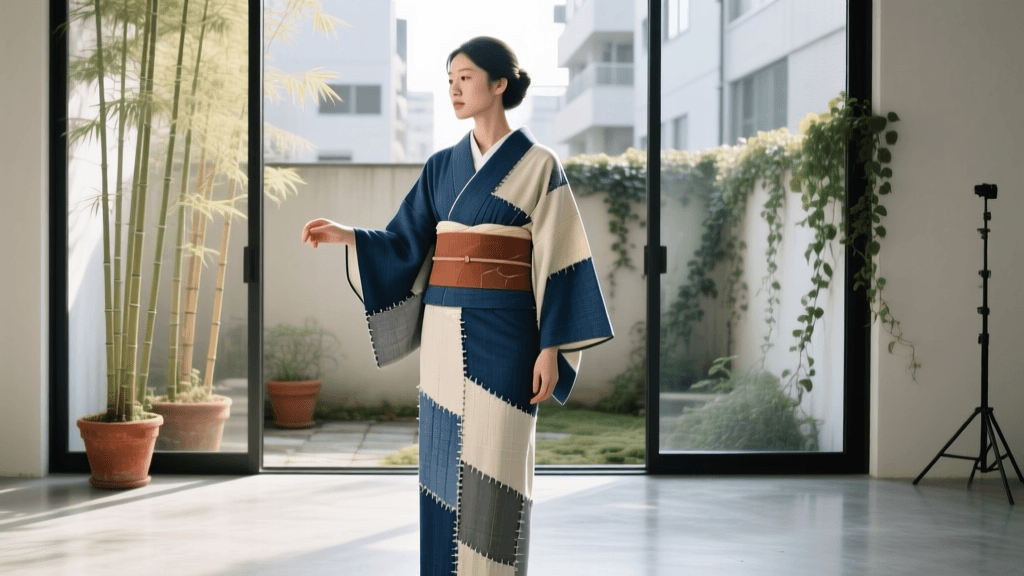
- Neo-Boro and Upcycled Patchwork: Originally born out of peasant necessity in the Tohoku region, boro (tattered, heavily patched textiles) has been elevated to high art. Japanese fashion blogs are currently documenting how designers are using laser-cutting technology alongside traditional hand-stitching to create complex, neo-boro garments that utilize deadstock indigo and vintage hemp.
- Kimono Remake (Kimono Rimeiku):strong> The practice of deconstructing vintage silk kimono to create modern apparel is a massive trend. Online magazines are featuring tutorials and designer spotlights on how to transform the long, uncut sleeves of a furisode into flowing summer maxi-dresses or structured bomber jackets, embodying the Japanese philosophy of mottainai (too good to waste).
- Tech-Infused Washable Silk: Historically, the high maintenance of silk kimono deterred younger generations. In 2026, Japanese textile journals are heavily covering new bio-enzyme treatments that allow traditional Tango Chirimen (crepe silk) to be machine-washed without losing its characteristic texture, revolutionizing the casual kimono market.
Comparison Chart: Best Platforms for Textile Journalism
| Publication | Primary Focus | 2026 Textile Beat | Language | Best For |
|---|---|---|---|---|
| Fashionsnap | Street Style & Youth Culture | Vintage kimono styling, Sashiko denim | Japanese (Visual-heavy) | Visual researchers, streetwear designers |
| Vogue Japan | High Fashion & Luxury | Nishijin-ori collaborations, Yuzen dyeing | Japanese / English | Luxury market analysts, editorial inspiration |
| WWD Japan | Industry Business & Trade | Silk supply chains, resale market data | Japanese | Business strategists, vintage dealers |
| Kimono Salone Digital | Niche Heritage & Styling | Modern obi tying, seasonal color theory | Japanese | Kitsuke (dressing) students, traditionalists |
How to Navigate Japanese Fashion Archives for Research
To fully leverage these Japanese fashion blogs, non-native speakers must utilize specific search terminology. Relying on English keywords will yield superficial results. When searching digital archives or utilizing browser translation extensions on these sites, use the following traditional textile vocabulary to uncover deep-dive editorial content:
- 伝統工芸 (Dento Kogei): Traditional crafts. Use this to find articles on government-recognized master artisans and regional weaving cooperatives.
- 着物リメイク (Kimono Rimeiku): Kimono remake/upcycling. Essential for finding patterns, styling guides, and designer interviews focused on vintage silk repurposing.
- 襤褸 (Boro) / 刺し子 (Sashiko): Searching these specific kanji will bypass modern fashion approximations and lead you to historical essays and authentic artisan interviews from rural cooperatives.
- 大島紬 (Oshima Tsumugi): Mud-dyed silk from Amami Oshima. Searching this will yield fascinating 2026 reports on how island artisans are protecting their geographical indication (GI) status against cheap overseas imitations.
The Impact of Digital Journalism on Artisan Survival
The role of Japanese fashion journalism in 2026 extends far beyond trend reporting; it is a vital lifeline for rural artisan communities. As featured in recent investigative pieces by WWD Japan, the direct-to-consumer digital pipelines established by online magazine features have allowed multi-generational weaving families in regions like Okinawa and Akita to bypass exploitative middlemen. When a prominent digital fashion blog highlights a specific bashofu (banana fiber cloth) weaver, the resulting global e-commerce traffic often secures the workshop's financial viability for the entire year.
Furthermore, these platforms are instrumental in recruitment. By glamorizing the grueling, meticulous work of natural indigo fermentation and silk looming, digital magazines are successfully rebranding heritage crafts not as dying relics of the past, but as the pinnacle of sustainable, avant-garde luxury. For anyone studying the survival and evolution of Asian traditions, these Japanese digital publications offer a masterclass in how cultural heritage can be fiercely protected while simultaneously being pushed into the future.