Top Japanese Fashion Blogs Covering Heritage Textiles in 2026
The Digital Renaissance of Japanese Heritage Fashion in 2026
In the rapidly evolving landscape of 2026, Japanese fashion journalism has undergone a profound transformation. While global fashion media often chases the next fleeting micro-trend, a dedicated cohort of Japanese digital magazines, independent blogs, and online cultural journals has turned its lens backward to move forward. By focusing on heritage textiles, traditional garment construction, and centuries-old dyeing techniques, these digital publications are redefining sustainability and style. For enthusiasts of Asian traditions, understanding this media ecosystem is essential. The intersection of ancestral craftsmanship and modern digital storytelling has created a vibrant niche where techniques like sashiko (decorative reinforcement stitching), boro (patchwork mending), and aizome (natural indigo dyeing) are celebrated not merely as historical artifacts, but as vital, living components of the 2026 contemporary wardrobe.
Leading Online Magazines Bridging Streetwear and Tradition
At the forefront of this movement are established digital publications that have dedicated substantial editorial real estate to traditional Japanese garments. TOKION, a premier Japanese art, culture, and fashion magazine, has spent 2026 exploring the friction and harmony between Tokyo's hyper-modern streetwear scene and rural textile artisans. Their recent digital editorials highlight how young designers are integrating kasuri (ikat weaving) into technical outerwear, providing readers with deep-dive interviews into the supply chains of heritage fabrics. TOKION's approach is highly visual, utilizing high-resolution digital lookbooks that allow readers to zoom in on the intricate warp and weft of hand-loomed textiles.
Similarly, Vogue Japan has elevated traditional craftsmanship to the highest echelons of luxury fashion journalism. In their 2026 digital issues, the publication has frequently spotlighted the artisans behind yuzen (resist dyeing) and shibori (shaped-resist dyeing). Rather than treating these techniques as mere exotic embellishments, Vogue Japan's fashion journalists frame them within the context of global slow fashion and luxury sustainability. Their long-form digital essays often include video supplements, taking readers inside the humid, indigo-scented workshops of Kyoto and Kanazawa, thereby preserving the intangible cultural heritage of Japan through cutting-edge digital media.
The Rise of Independent Textile Journalism on Note.com
Beyond the glossy digital pages of major publications, the true heartbeat of Japanese fashion journalism in 2026 lies in independent blogging platforms. The Japanese platform note.com has become an invaluable repository for freelance fashion journalists, textile historians, and craft practitioners. Unlike traditional magazines constrained by advertising mandates, independent writers on note are producing hyper-niche, serialized content dedicated to specific regional garments. For instance, independent journalists are currently publishing extensive photo-essays on the revival of Ojiya-chijimi (a highly textured hemp fabric from Niigata Prefecture) and its adaptation for modern summer wear.
These independent blogs offer a raw, unfiltered look at the realities of preserving Asian traditions. Writers frequently discuss the economic challenges faced by aging artisans, the impact of climate change on natural dye crops like Japanese indigo (Persicaria tinctoria), and the innovative ways younger generations are marketing traditional yukata and jinbei to global audiences. For the dedicated reader, these blogs provide actionable insights into where to purchase authentic, ethically sourced traditional garments directly from the makers, bypassing mass-market tourist traps.
Spotlight on 2026 Trending Heritage Techniques in Media
Japanese fashion blogs in 2026 are heavily focused on the functional and aesthetic applications of specific heritage techniques. The media coverage can be categorized into three primary pillars that dominate current editorial calendars:
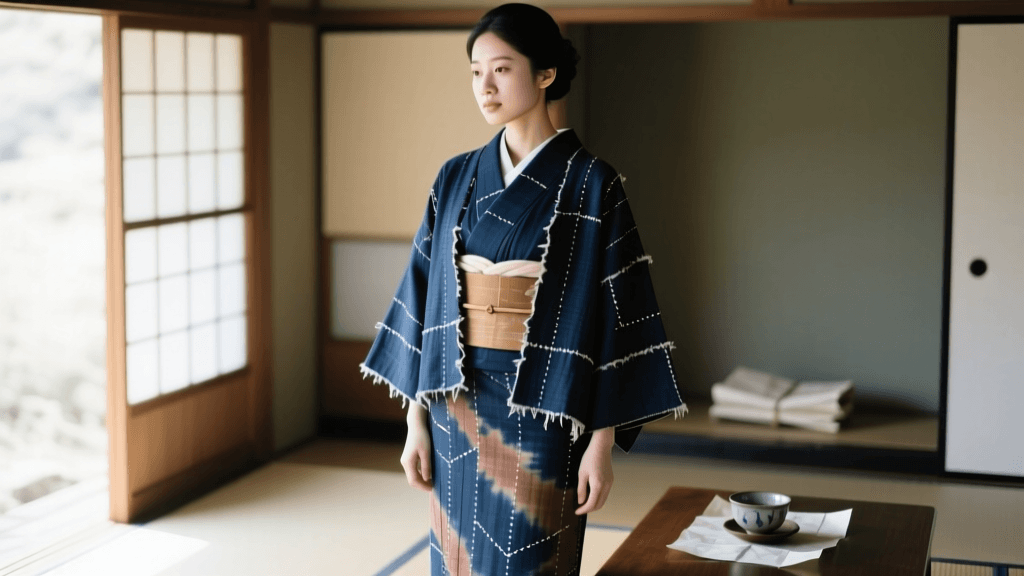
- Sashiko and Visible Mending: Once a purely utilitarian practice for reinforcing workwear, sashiko is now championed by Japanese fashion bloggers as the ultimate antidote to fast fashion. Digital tutorials and artisan interviews focus on the geometric precision of hitomezashi (one-stitch) patterns, teaching readers how to apply these techniques to modern denim and outerwear.
- Boro and the Aesthetics of Imperfection: Fashion journalists are extensively covering boro, the practice of continuously patching and repairing garments. In 2026, online magazines are exploring the philosophical underpinnings of wabi-sabi (finding beauty in imperfection) and how contemporary Japanese brands are ethically recreating boro aesthetics without appropriating the historical poverty that birthed the technique.
- Aizome (Natural Indigo): With a growing global emphasis on non-toxic, biodegradable fashion, Japanese digital media is heavily promoting aizome. Blogs frequently review modern indigo-dyed streetwear, analyzing the depth of color, the fermentation processes of the sukumo (indigo leaves), and the antibacterial properties that make indigo-dyed garments highly functional for humid Japanese summers.
2026 Media Consumption: Digital vs. Print Publications
As we navigate 2026, the consumption habits of fashion media have decisively shifted, particularly regarding niche topics like traditional textiles. The following table outlines the current landscape of Japanese fashion journalism, contrasting digital platforms with legacy print media.
| Media Format | Primary Platforms | Editorial Focus on Heritage | Audience Demographics | Language Accessibility |
|---|---|---|---|---|
| Digital Magazines | TOKION, Vogue Japan Web | High-fashion integration, luxury artisan profiles, global sustainability trends. | Global fashion enthusiasts, luxury consumers, design students. | High (Often features bilingual English/Japanese options). |
| Independent Blogs | note.com, Substack, WordPress | Hyper-niche techniques, rural artisan supply chains, DIY mending tutorials. | Dedicated craft practitioners, textile historians, slow-fashion advocates. | Low (Primarily Japanese, requires browser translation tools). |
| Legacy Print | Sotokoto, Kimono Queen | Regional travel, traditional lifestyle, strict adherence to historical garment rules. | Domestic Japanese readers, older demographics, traditionalists. | None (Strictly Japanese, physical distribution only). |
Actionable Guide: How to Follow Japanese Fashion Media
For international readers and researchers looking to tap into this wealth of knowledge in 2026, navigating the Japanese digital fashion sphere requires a strategic approach. Here are actionable steps to maximize your engagement with these publications:
- Utilize Advanced Browser Translation: While major sites like The Japan Times Life & Arts offer excellent English-language coverage of cultural fashion trends, independent blogs on note.com are predominantly in Japanese. Use advanced AI-driven browser extensions that preserve the original HTML layout while translating text, ensuring you do not lose the visual context of the textile photography.
- Follow Specific Hashtags on Social Media: Japanese fashion journalists frequently use X (formerly Twitter) and Instagram to tease long-form blog content. Follow tags such as #刺繍 (embroidery), #藍染 (indigo dyeing), and #古着 (vintage clothing) to discover emerging independent writers and micro-magazines.
- Subscribe to Digital Newsletters: Many independent textile journalists have begun offering premium newsletters. Subscribing not only supports the creators financially but often grants access to exclusive directories of heritage weavers and dyers who accept international commissions for custom kimono and haori garments.
The Future of Asian Traditions in Global Fashion Media
The dedication of Japanese fashion journalism to heritage textiles in 2026 serves as a masterclass in cultural preservation. By treating traditional garments not as static museum pieces but as dynamic, evolving elements of contemporary style, these digital magazines and blogs ensure that the skills of the past remain relevant for the future. Whether you are a designer seeking sustainable inspiration, a collector of vintage boro, or simply an admirer of Asian traditions, immersing yourself in Japan's digital fashion media offers an unparalleled education in the art, history, and future of the garment.