Everyday vs Ceremonial Hanbok & Kimono: 2026 Guide
Introduction: The Evolution of Asian Traditional Dress in 2026
Asian traditional garments have long been celebrated for their intricate craftsmanship, vibrant textiles, and deep cultural significance. However, as we navigate the fashion landscape of 2026, the way these garments are worn has evolved dramatically. The stark contrast between ceremonial attire and everyday traditional wear is no longer just a matter of historical context; it is a vibrant, living distinction that influences modern wardrobes across East Asia and the global diaspora. Whether you are attending a formal wedding in Seoul, participating in a summer festival in Kyoto, or simply looking to incorporate heritage pieces into your daily rotation, understanding the divide between ceremonial and everyday garments is essential. This comprehensive guide explores the nuanced differences between formal and daily wear in Japanese and Korean traditions, offering actionable advice on styling, sourcing, and maintaining these exquisite pieces in 2026.
The Japanese Kimono: From Furisode to Modern Yukata
The Japanese kimono is perhaps the most globally recognized Asian traditional garment. As highlighted by the Victoria and Albert Museum's comprehensive guide to the Kimono, the transition of the garment from everyday wear to ceremonial status occurred largely during the mid-20th century as Western clothing became the daily norm in Japan. Today, the kimono exists on a strict spectrum of formality dictated by fabric, pattern, and sleeve length.
Ceremonial Kimono: The Pinnacle of Textile Art
Ceremonial kimonos, such as the furisode (worn by unmarried women) and kurotomesode (worn by married women), are masterpieces of textile engineering. According to the Metropolitan Museum of Art's extensive collection on Japanese dress, the T-shaped silhouette has remained remarkably consistent, but the surface design techniques have become increasingly specialized for formal events. In 2026, a new, hand-painted ceremonial kimono crafted from premium Nishijin silk or featuring intricate Yuzen dyeing can easily cost between $3,000 and $8,500 USD. These garments feature long, swinging sleeves, elaborate gold leaf embroidery, and require a highly structured undergarment system (juban), stiff formal obi belts, and a myriad of accessories like obijime (cords) and obidome (brooches). Dressing in a ceremonial kimono usually requires the assistance of a professional kitsuke expert.
Everyday Kimono: The Rise of Washable Silks and Yukata
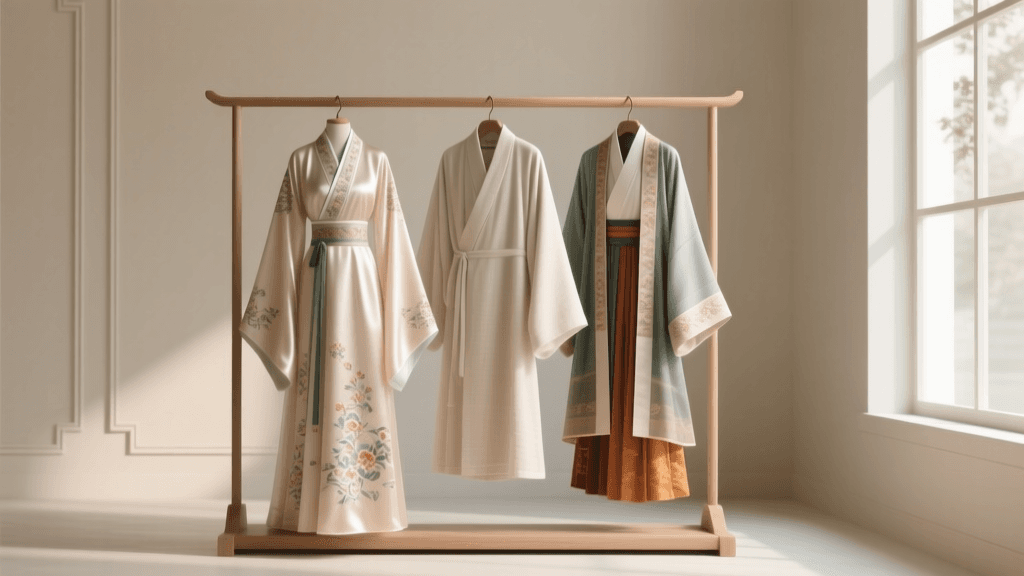
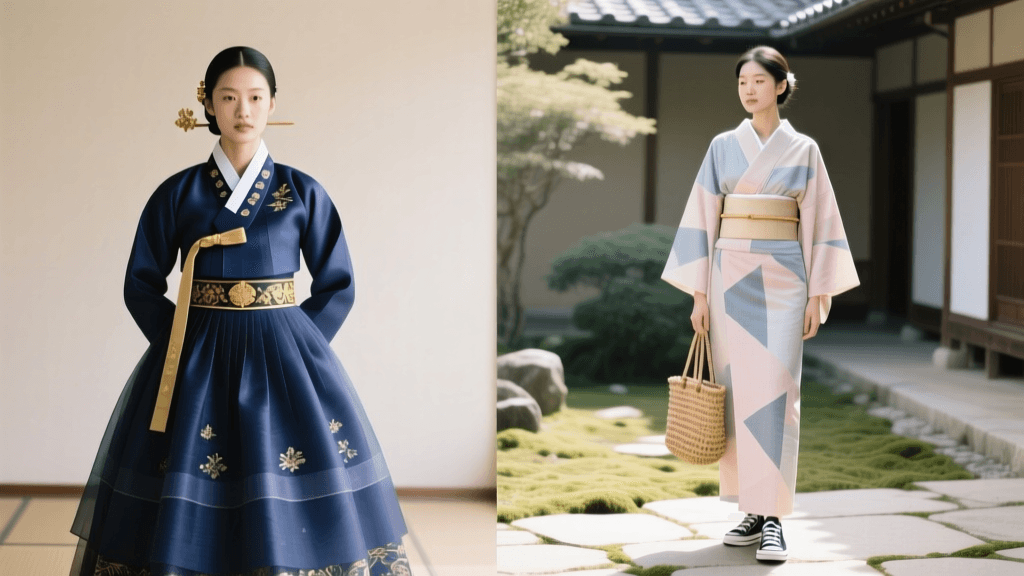
Conversely, everyday kimono wear in 2026 is dominated by the yukata, komon (repeating pattern kimonos), and modern material innovations. The yukata, traditionally a lightweight cotton bathrobe, has evolved into the quintessential summer festival garment and casual loungewear. Furthermore, the 2026 market has seen a massive surge in "washable silk" and high-grade recycled polyester kimonos designed for daily wear, tea ceremony practice, or casual cultural outings. These everyday pieces feature shorter sleeves (kosode), softer, pre-tied obi belts, and are designed to be dressed by the wearer without professional assistance. Priced between $80 and $250 USD, modern everyday kimonos prioritize breathability, ease of movement, and machine-washability.
The Korean Hanbok: From Hwalot to Gaeryang Hanbok
The Korean hanbok has undergone a similarly fascinating transformation. The Encyclopedia of Korean Culture's entry on Hanbok details how the traditional silhouette—characterized by the jeogori (jacket) and chima (skirt) for women, and jeogori and baji (trousers) for men—was once the standard daily dress of the Joseon dynasty. Today, the divide between ceremonial and everyday hanbok is defined by structural alterations and fabric choices.
Ceremonial Hanbok: Heritage and Formality
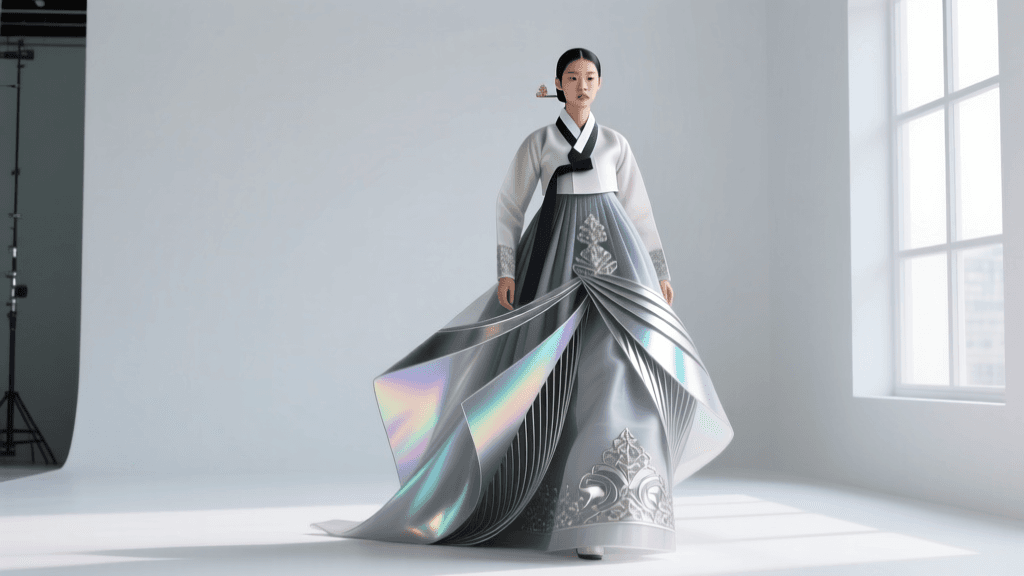
Ceremonial hanbok is strictly reserved for weddings, first birthdays (doljanchi), and major lunar holidays like Chuseok and Seollal. Ceremonial sets utilize vibrant, heavily embroidered silks and organzas, often incorporating the elaborate hwalot (bridal robe) or dangui (formal jacket) adorned with gold foil stamping (geumbak). A full bespoke ceremonial hanbok set in 2026 typically ranges from $800 to $3,000 USD. The skirts are exceptionally voluminous, requiring multiple layers of petticoats (sokchima) to achieve the traditional bell shape, and the long, flowing sleeves are designed to convey grace and dignity during formal bows and rituals.
Everyday Hanbok: The Gaeryang Hanbok Revolution
On the other hand, the gaeryang hanbok (modernized hanbok) has taken the 2026 fashion scene by storm, bridging the gap between heritage and contemporary streetwear. Designed for everyday wear, these garments alter traditional proportions for modern convenience. The chima is often shortened to midi or mini lengths, and the jeogori is tailored with modern darts, zippers, and snap buttons rather than traditional long ties (goreum). Everyday hanbok in 2026 frequently incorporates practical elements like hidden pockets, breathable cotton-linen blends, and machine-washable fabrics. Brands in Seoul's Bukchon and Ikseon-dong neighborhoods are producing everyday hanbok pieces that retail between $60 and $180 USD, allowing young professionals to wear them to cafes, offices, and casual gatherings without feeling encumbered by heavy layers.
Comparative Breakdown: Ceremonial vs. Everyday in 2026
To help you navigate your purchasing and styling decisions, here is a structured comparison of ceremonial and everyday garments across both cultures as of 2026.
| Feature | Ceremonial Kimono (Furisode/Tomesode) | Everyday Kimono (Yukata/Komon) | Ceremonial Hanbok (Hwalot/Dangui) | Everyday Hanbok (Gaeryang) |
|---|---|---|---|---|
| Primary Fabrics | Heavy silk, brocade, gold leaf | Cotton, linen, washable poly-blends | Silk organza, embroidered satin | Cotton-linen, denim, light rayon |
| Avg. Cost (2026) | $3,000 - $8,500+ | $80 - $250 | $800 - $3,000 | $60 - $180 |
| Dressing Time | 45 - 90 mins (needs pro help) | 10 - 15 mins (self-dressed) | 20 - 30 mins (layered) | 2 - 5 mins (zippers/snaps) |
| Maintenance | Specialist dry clean, flat storage | Machine washable, hang dry | Specialist dry clean, careful folding | Machine washable, standard ironing |
| Best Occasions | Weddings, coming-of-age, tea ceremonies | Summer festivals, casual outings, lounging | Weddings, Doljanchi, Chuseok/Seollal | Cafes, office wear, daily streetwear |
Sourcing Authentic and Modern Pieces in 2026
Knowing where to shop is crucial for building a traditional wardrobe. For ceremonial kimonos, the vintage markets in Kyoto (such as the Toji Temple flea market) and specialized department stores in Tokyo like Mitsukoshi remain the gold standard for authentic, high-quality silk pieces. If you are seeking modern, everyday kimonos, online retailers specializing in upcycled and washable fabrics have proliferated in 2026, offering global shipping and inclusive sizing.
For ceremonial hanbok, the markets surrounding Gyeongbokgung Palace in Seoul offer both rental services and bespoke tailoring. However, for everyday gaeryang hanbok, independent designers on platforms like Musinsa and local boutiques in the Ikseon-dong Hanok Village are pushing the boundaries of 2026 streetwear. When buying everyday pieces, always check for the inclusion of practical modern hardware, such as concealed side zippers and adjustable waistbands, which are now standard in high-quality modern hanbok.
Care and Maintenance: Preserving Your Garments
The care requirements for ceremonial versus everyday garments are vastly different. Ceremonial silks, especially those featuring geumbak (gold leaf) or intricate Yuzen dyeing, must never be exposed to water. In 2026, eco-friendly dry cleaning services that use silicone-based solvents are highly recommended for ceremonial pieces to prevent the degradation of natural silk fibers and metallic threads. Always store ceremonial garments flat, wrapped in acid-free tissue paper, and avoid wire hangers which can distort the shoulder seams.
Everyday garments, by contrast, are designed for the rigors of modern life. Modern yukatas and gaeryang hanbok made from cotton or poly-blends can generally be machine washed on a gentle, cold cycle. To maintain the structural integrity of the collars and ties, place the garments in a mesh laundry bag. Air drying is preferred to prevent shrinkage, and a quick pass with a steam iron will restore the crisp lines of the jeogori or the smooth drape of the chima.
Styling Tips for the Modern Wardrobe
Integrating traditional garments into a 2026 wardrobe requires a balance of respect for heritage and personal expression. Here are actionable styling tips for everyday wear:
- Mix and Match: Pair a modern, cropped jeogori with high-waisted wide-leg trousers or a pleated midi skirt for a sophisticated office-appropriate look.
- Footwear: While traditional geta or kkotsin are mandatory for ceremonial wear, everyday hanbok and yukata pair beautifully with modern leather loafers, minimalist sneakers, or strappy sandals.
- Layering: In cooler months, layer a lightweight, everyday kimono jacket (haori) over a simple turtleneck and denim jeans. This creates a striking silhouette that honors the garment's origins while remaining highly functional.
- Accessories: Swap traditional ceremonial hairpins for modern minimalist jewelry. A simple jade pendant or a sleek metallic hair clip can bridge the gap between historical aesthetics and contemporary minimalism.
Conclusion
The dichotomy between ceremonial and everyday traditional garments is a testament to the adaptability of Asian fashion. While ceremonial kimonos and hanbok serve as vital, breathtaking links to historical rituals and formal milestones, the everyday adaptations of 2026 prove that these garments are not confined to museums. By understanding the differences in fabric, construction, and styling, you can confidently incorporate both the grandeur of ceremonial wear and the practical elegance of everyday adaptations into your life, ensuring these magnificent traditions continue to thrive in the modern era.