Best Japanese Fashion Blogs Reviving Kimono Styling in 2026
The Digital Renaissance of Japanese Sartorial Journalism
In 2026, the epicenter of Japanese fashion journalism has decisively shifted from the glossy pages of legacy print magazines to a vibrant ecosystem of digital-first blogs, interactive online magazines, and niche newsletters. For enthusiasts of Asian traditions, this digital renaissance is a goldmine. Independent Japanese fashion journalists and established online cultural magazines are currently leading the charge in reviving, documenting, and modernizing traditional garments like the kimono, yukata, and hakama for contemporary global wardrobes.
Unlike the rigid, highly formalized styling guides of the early 2000s, today's Japanese fashion blogs champion a philosophy of 'neo-traditionalism.' They blend Edo-period textile appreciation with Reiwa-era streetwear sensibilities, heavily featuring secondhand market hauls, climate-adaptive layering, and sustainable silk care. For global readers looking to understand how traditional Japanese clothing is actually being worn on the streets of Tokyo, Kyoto, and Kanazawa today, these digital publications are the ultimate authoritative sources.
Top Online Magazines and Blogs Leading the 2026 Revival
The landscape of Japanese digital fashion journalism is diverse, ranging from heavily funded editorial platforms to passionate independent Substack writers. Here are the premier digital destinations shaping the conversation around traditional Japanese garments this year.
1. Japaaan Magazine (Digital Edition)
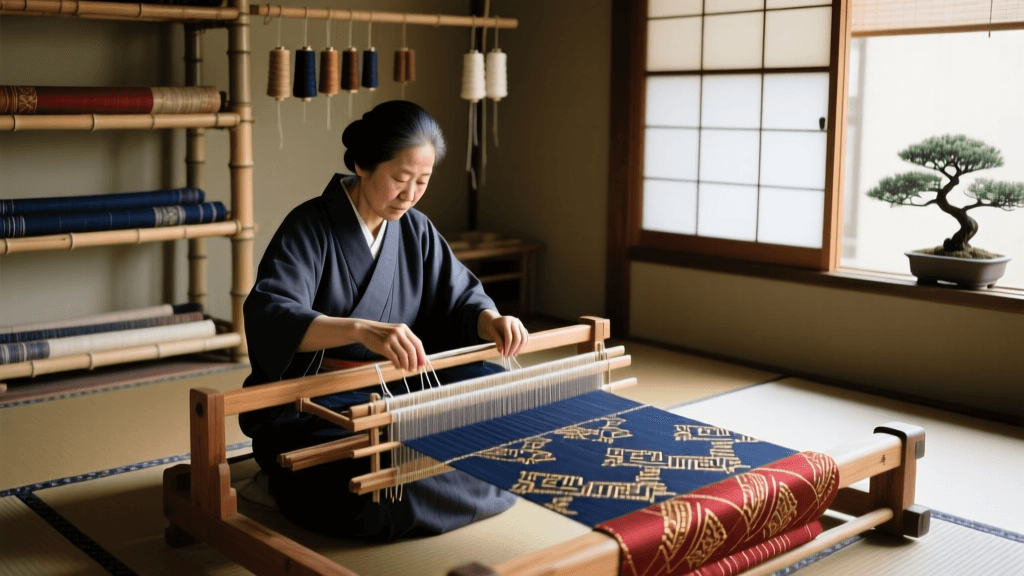
Widely regarded as a premier English and bilingual resource for Japanese culture, Japaaan Magazine has expanded its fashion vertical significantly in 2026. Their online editors specialize in deep-dive features on regional textile craftsmanship, such as the intricate mud-dyeing processes of Oshima Tsumugi and the delicate hemp weaves of Echigo Jofu. What sets their digital platform apart is its integration of artisan interviews with modern styling guides, showing readers how to incorporate these heritage fabrics into minimalist, modern outfits without violating traditional dressing etiquette.
2. Nippon.com Culture and Lifestyle Columns
For a more sociological and journalistic approach to traditional garments, Nippon.com offers unparalleled long-form essays. In 2026, their fashion journalists have focused heavily on the economics and sustainability of the secondhand kimono market. Their recent investigative pieces highlight how young Japanese consumers are bypassing expensive retail silk in favor of upcycled vintage kimono, driving a boom in online auctions and specialized recycling boutiques. Their reporting provides crucial context on how traditional clothing is surviving through circular fashion economies.
3. Independent Street-Style Blogs and Newsletters
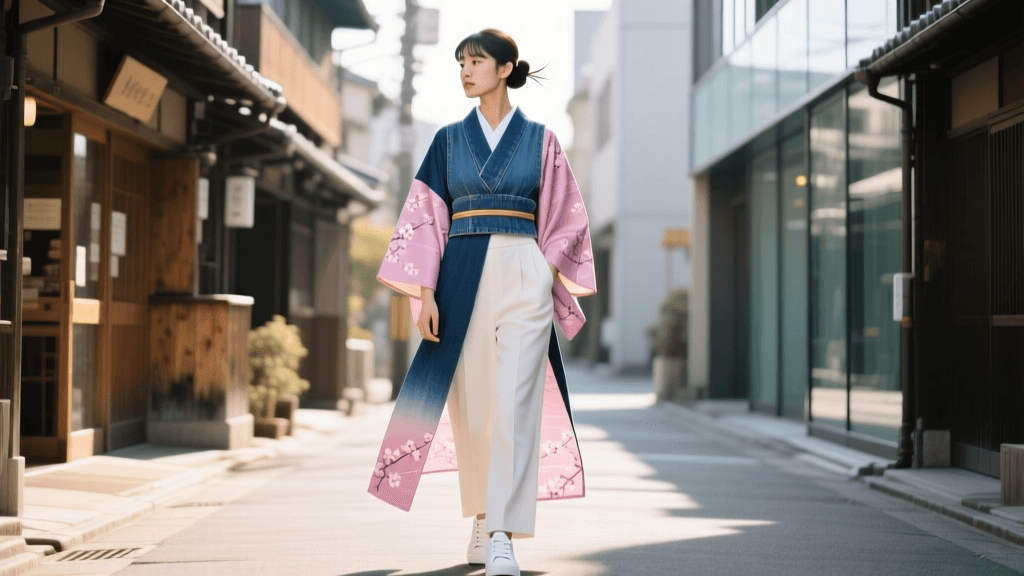
The most cutting-edge styling inspiration comes from independent Tokyo-based bloggers who document street fashion in neighborhoods like Daikanyama and Shimokitazawa. These digital creators often publish via personalized newsletters and visually rich blog formats. They are the pioneers of the 'kimono-punk' and 'wa-modern' aesthetics, frequently documenting how to pair vintage haori jackets with tailored trousers, or how to style traditional tabi boots with contemporary denim. Their real-time coverage of local flea markets and vintage textile fairs provides actionable intelligence for global collectors.
Key Trends Documented by Japanese Fashion Journalists in 2026
By analyzing the editorial output of these top digital magazines, several distinct trends have emerged in how traditional Japanese garments are being adapted for modern life and global runways.
The Hakama and Oversized Knitwear Silhouette
Winter 2026 has seen a massive surge in the popularity of the hakama (traditional pleated trousers) styled with oversized, chunky knitwear. Fashion bloggers are documenting how young professionals in Tokyo are replacing standard wool trousers with heavy wool-blend hakama, securing them with leather belts instead of traditional silk himo (ties). This fusion provides the dramatic silhouette of traditional theater costumes while offering the comfort and warmth required for modern urban commutes.
Upcycled Obi Accessories and Bag-Making
Sustainability is a core pillar of 2026 fashion journalism. Online magazines are dedicating entire columns to the upcycling of damaged or stained obi (kimono sashes). Because the obi features the most concentrated, high-quality embroidery and brocade work, bloggers are partnering with local leatherworkers and seamstresses to showcase how these textiles are being transformed into structured handbags, corset belts, and even laptop sleeves. This trend not only preserves the artistry of the textile but also makes it accessible to those who do not wear full kimono.
Climate-Adaptive Summer Yukata vs. Jinbei Layering
With summers in Japan growing increasingly hot and humid, digital fashion editors are heavily debating and documenting the practical differences between yukata and jinbei for casual summer wear. While the yukata remains the staple for festivals, bloggers are championing the jinbei (a two-piece jacket and shorts set) for everyday urban wear due to its superior airflow and ease of movement. Online lookbooks are currently showcasing 'layered jinbei' styles, where sheer, lightweight kimono fabrics are worn as dusters over jinbei sets to elevate the casual loungewear into acceptable street attire.
Data Comparison: Print vs. Digital Japanese Fashion Media
To understand the value of these digital platforms, it is helpful to compare them against the legacy print magazines that dominated the industry in previous decades.
| Feature | Legacy Print Magazines | 2026 Digital Blogs & Magazines |
|---|---|---|
| Interactivity | Static imagery, QR codes for external videos | Embedded AR fitting rooms, shoppable textile links, interactive weave-zoom |
| Secondhand Market Integration | Occasional classifieds, limited vintage focus | Direct links to verified vintage sellers, real-time flea market coverage, price guides |
| Global Accessibility | Requires expensive import subscriptions, Japanese language only | Instant browser translation, bilingual newsletters, global shipping partnerships |
| Sustainability Focus | Focus on new seasonal collections and luxury silk retail | Heavy emphasis on upcycling, natural dyeing spotlights, and circular silk economies |
| Styling Flexibility | Strict adherence to traditional kitsuke (dressing) rules | Celebration of rule-breaking, streetwear fusion, and modern accessory pairing |
Actionable Guide: How to Follow and Integrate These Trends
For international readers and traditional garment enthusiasts, leveraging Japanese fashion blogs requires a strategic approach to overcome language barriers and sourcing hurdles. Here is how you can integrate these 2026 trends into your own wardrobe.
1. Master the Right Search Terminology
To find the most authentic, unfiltered styling blogs on platforms like Instagram, Pinterest, and independent blog directories, use specific Japanese hashtags. Search for #着物コーデ (kimono coordinate) for full outfit breakdowns, #古着着物 (vintage kimono) for secondhand market hauls, and #和モダン (wa-modern) for contemporary fusion styling. Digital magazines often curate these exact tags to build their editorial mood boards.
2. Utilize Browser Extensions for Nuanced Translation
While AI translation tools have improved, textile terminology often gets lost. When reading deep-dive articles on natural dyeing techniques or specific silk weaves on sites like The Japan Times Life section or independent blogs, use browser extensions that offer dual-language viewing. Understanding the difference between yuzen (resist dyeing) and shibori (tie-dyeing) is crucial when you attempt to source these garments from international vintage dealers.
3. Subscribe to Digital Lookbooks and Newsletters
Many top Japanese fashion journalists have moved away from ad-heavy websites to subscription-based newsletters. By subscribing to these digital lookbooks, you receive weekly PDFs that include exact measurements, fabric care instructions, and direct links to artisan cooperatives. This is particularly useful for sourcing authentic obijime (decorative cords) and obidome (sash fasteners), which are frequently highlighted as the easiest entry point into traditional Japanese accessorizing.
The Role of Fashion Journalism in Preserving Intangible Heritage
Ultimately, the most vital function of Japanese fashion blogs and online magazines in 2026 is the preservation of intangible cultural heritage. By treating traditional garments not as museum relics, but as living, breathing components of a modern wardrobe, these digital journalists ensure the survival of the artisan supply chain. When a popular blog highlights a specific rural dyeing village, it directly drives economic support to aging artisans, encouraging younger generations to take up the craft.
'The kimono is not a costume of the past; it is a canvas for the present. Our role as digital journalists is to prove that traditional silk can withstand the rigors of a modern subway commute just as elegantly as it graced the tea houses of Kyoto.' — Editorial Mission Statement, Neo-Wa Digital Magazine, 2026.
As we move further into 2026, the boundary between 'traditional Asian garments' and 'global high fashion' will continue to dissolve, guided by the sharp eyes and passionate keyboards of Japanese digital fashion journalists. Whether you are a seasoned collector of vintage silk or a newcomer curious about the structural beauty of the hakama, these online magazines provide the essential roadmap for respectful, innovative, and deeply informed sartorial exploration.