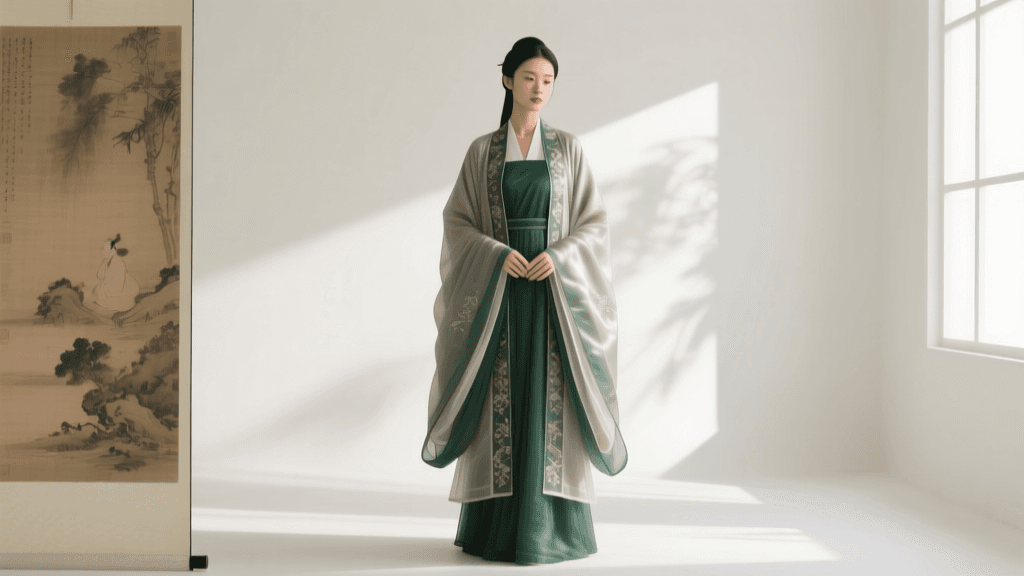
Discovering Nishijin-Ori: Kyoto's Silk Weaving Workshops
The Legacy of Nishijin-Ori: A Kyoto Treasure
When discussing the pinnacle of Japanese traditional garments, the conversation inevitably turns to the exquisite textiles that compose them. At the very apex of this hierarchy sits Nishijin-ori, the legendary silk weaving tradition of Kyoto. Originating in the Nishijin district of Kamigyo Ward, this craft dates back over 1,200 years to the Heian period. However, it was the aftermath of the devastating Onin War (1467-1477) that truly birthed the Nishijin weaving identity. As displaced artisans returned to the western camps (nishijin) of the ruined city, they pooled their specialized skills, creating a collaborative, multi-step production system that remains largely intact today.
For enthusiasts of Asian traditions and kimono culture, visiting a Nishijin artisan workshop is not merely a tourist activity; it is a masterclass in patience, precision, and aesthetic philosophy. The textiles produced here are the gold standard for formal obi sashes, Noh theater costumes, and imperial court garments. According to the authoritative archives at the Victoria and Albert Museum Asian Collections, Kyoto's woven silks represent some of the most technically complex and visually arresting textile achievements in global fashion history.
The Anatomy of a Masterpiece: The Weaving Process
Unlike many Western textile traditions where a single weaver oversees a piece from start to finish, Nishijin-ori is defined by its extreme division of labor. A single obi can require the expertise of over twenty different specialized artisans. Understanding this process is crucial before you step foot into a workshop.
1. Design and Thread Preparation (Seikei and Itokuri)
The process begins with the seikei (design) phase, where patterns are mapped out on graph paper or, increasingly, via specialized CAD software. Following design, raw silk threads undergo itokuri (twisting) and hataori (dyeing). Artisans use techniques like kasuri (tie-dyeing the threads before weaving) to ensure that colors align perfectly when the loom is engaged.
2. The Jacquard Revolution and Hand Weaving
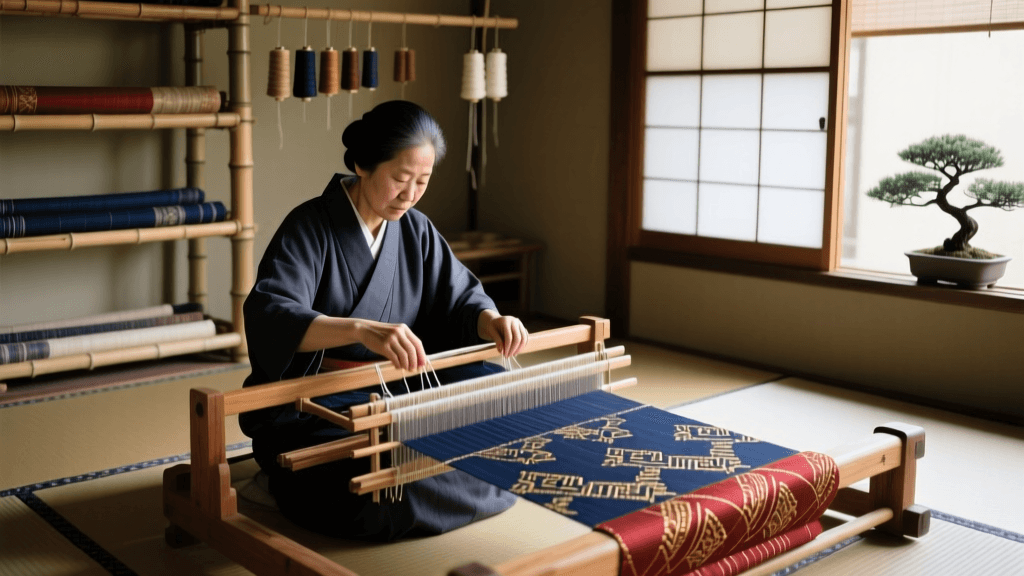
In the late 19th century, Kyoto weavers traveled to Lyon, France, to study the Jacquard loom. This punch-card-operated system revolutionized Nishijin-ori, allowing for the mass production of complex brocades. Today, workshops utilize a mix of computerized Jacquard power looms for commercial fabrics and traditional tebata (hand looms) for bespoke, ultra-premium pieces. Watching a master weaver operate a wooden hand loom, throwing the shuttle and beating the weft with rhythmic precision, is a hypnotic experience that connects you directly to centuries of muscle memory.
Practical Guide: Visiting Nishijin Artisan Workshops
Kyoto's Nishijin district is a living, breathing neighborhood. While large exhibition centers offer broad overviews, smaller artisan studios provide intimate, authentic encounters. According to the Kogei Japan portal by the Ministry of Economy, Trade and Industry, preserving these localized craft ecosystems requires active engagement from both domestic and international visitors.
When planning your visit, consider the following practical advice:
- Timing: Most workshops operate from 9:00 AM to 5:00 PM, Monday through Saturday. Avoid Japanese national holidays and the Obon festival week in mid-August, as artisans take extended breaks.
- Language: While major centers like the Nishijin Textile Center offer English pamphlets and audio guides, smaller family-run studios rarely have English speakers. Hiring a local translator or booking a guided textile tour (typically costing 15,000 to 25,000 JPY for a half-day) is highly recommended.
- Booking: Large centers accept walk-ins, but intimate studios (like those specializing in gold-leaf thread integration) require reservations at least two weeks in advance via email or through your hotel concierge.
Workshop Experience Comparison Chart
To help you tailor your itinerary, here is a structured comparison of the primary Nishijin workshop experiences available to the public:
| Workshop / Venue | Primary Focus | Estimated Cost | Duration | Booking Requirement |
|---|---|---|---|---|
| Nishijin Textile Center | Comprehensive overview, daily kimono shows, general weaving demos | Free entry; 1,500 JPY for weaving classes | 1.5 - 3 Hours | No (Walk-ins welcome) |
| Orinasu Kan (Hosoo) | Premium silk, modern interior applications, historical archives | 500 - 1,000 JPY museum fee | 1 - 1.5 Hours | Recommended for groups |
| Tatsumura Textile Arts | Historical brocades, Noh theater costumes, imperial restorations | Varies by special exhibition | 1 - 2 Hours | Check schedule in advance |
| Private Artisan Studios | Bespoke obi creation, hand-loom (tebata) observation | 3,000 - 5,000 JPY (tour fee) | 45 - 60 Mins | Strictly required (via guide) |
Purchasing Authentic Nishijin-ori: Costs and Identification
Acquiring a piece of Nishijin-ori is an investment in wearable art. However, the market is flooded with mass-produced, overseas-woven imitations that mimic the Kyoto style. To ensure you are purchasing authentic, workshop-crafted textiles, look for the official Nishijin-ori Certification Mark, a physical tag or stamped label issued by the Nishijin Textile Industrial Association. This tag guarantees that the fabric was woven in the designated Kyoto district using approved traditional methods.
When examining the fabric, pay attention to the reverse side. Genuine Nishijin brocades (especially tsuzure-ori or tapestry weaves) will show a remarkably clean back, with threads tightly interlocked rather than floating loosely. The density of the weave should feel substantial, almost heavy, due to the high thread count and the use of pure silk and precious metal threads.
Price Guide for Nishijin Textiles
- Small Accessories (Coin purses, ties, book covers): 3,000 to 12,000 JPY. Excellent entry-level gifts that support the industry.
- Semi-Formal Obi (Nagoya Obi): 80,000 to 250,000 JPY. Typically woven on power Jacquard looms but finished by hand.
- Formal Obi (Fukuro Obi): 300,000 to 1,500,000+ JPY. These feature extensive gold and silver leaf threads, complex auspicious motifs, and are often woven on hand looms by master artisans.
Workshop Etiquette and Cultural Respect
Visiting an active artisan workshop requires a deep respect for the working environment. The rhythmic clatter of the looms is not just background noise; it is the sound of intense concentration. Adhere to the following etiquette rules:
- Photography: Never use a flash, as it can startle the weaver and potentially disrupt the delicate alignment of the silk threads. Always ask for explicit permission before photographing an artisan's face or their specific loom setup, as proprietary patterns are closely guarded trade secrets.
- Touching: Do not touch the silk threads on the loom or the finished fabrics unless invited to do so by the artisan. The natural oils and moisture on human hands can stain raw silk and tarnish metallic threads.
- Noise Levels: Keep conversations to a whisper. The weavers are counting threads and monitoring tension; a sudden loud noise can lead to a costly mistake in a textile that has taken months to produce.
The Future of Traditional Silk Weaving
The Nishijin weaving industry faces significant challenges, primarily an aging artisan population and a decline in daily kimono wear. The Japan National Tourism Organization frequently highlights the necessity of sustainable cultural tourism to keep these heritage crafts alive. In response, visionary workshops like Hosoo have begun collaborating with international luxury fashion houses and high-end interior designers, translating Nishijin techniques into upholstery, wall coverings, and modern apparel.
By visiting these workshops, engaging with the artisans, and investing in authentic pieces, travelers do more than just observe history—they actively participate in the economic ecosystem that ensures Nishijin-ori will continue to drape the shoulders of future generations. Whether you are marveling at a million-yen gold-brocade obi or purchasing a modest silk-woven bookmark, your presence in the Nishijin district weaves you into the ongoing story of Japan's most magnificent textile tradition.