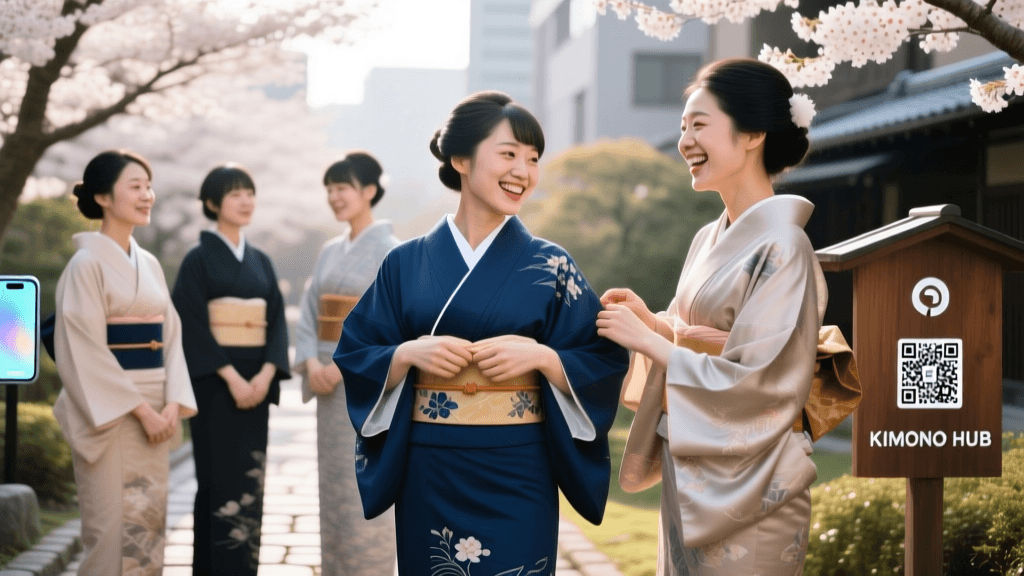
Exploring Japan's Premier Kimono Museums and Textile Heritage Sites
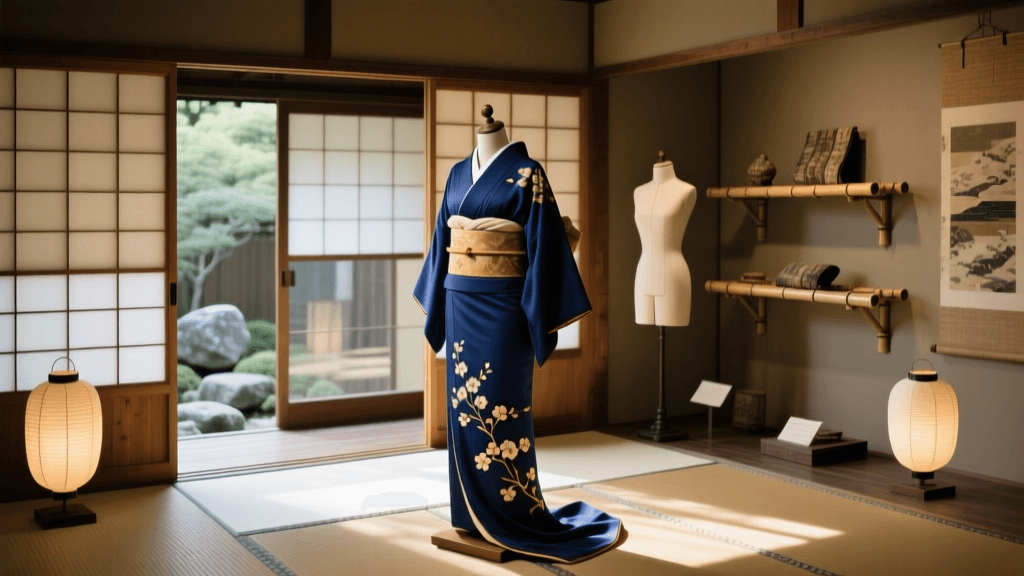
Preserving the Thread: The Role of Museums in Kimono Heritage
Silk is a delicate protein fiber, highly susceptible to photodegradation, humidity fluctuations, and pest damage. Because of this inherent fragility, the preservation of historical Japanese garments requires meticulous, climate-controlled environments. For enthusiasts of traditional Asian garments, Japan offers a wealth of institutional collections and living heritage sites dedicated to the art of the kimono. These spaces do more than store antique textiles; they actively preserve the complex weaving, dyeing, and layering techniques that define Japanese sartorial history.
According to the Victoria and Albert Museum's comprehensive research on the kimono, the garment is not merely a piece of clothing but a highly structured canvas that reflects the socio-economic shifts, artistic movements, and seasonal awareness of Japanese culture. To truly understand the evolution from the simple, unlined hitoe to the heavily brocaded uchikake, one must visit the institutions that safeguard these masterpieces. This guide provides a curated itinerary and practical advice for exploring Japan's premier kimono museums and textile heritage sites.
Top Institutional Collections for Traditional Japanese Garments
1. Tokyo National Museum (National Treasure Kosode)
Located in Ueno Park, the Tokyo National Museum is Japan's oldest and most prestigious national museum. For kimono historians, the primary destination is the Honkan (Japanese Gallery), specifically the second-floor rooms dedicated to textiles and decorative arts. The museum holds an unparalleled collection of kosode (the predecessor to the modern kimono with smaller sleeve openings) dating back to the Muromachi and Edo periods.
One of the most significant aspects of the Tokyo National Museum is its exhibition rotation policy. Because prolonged exposure to light causes irreversible fading to natural dyes like indigo, madder, and safflower, the museum rotates its textile displays every four to eight weeks. Visitors aiming to see specific National Treasure garments, such as the famous Tofukumon-in kosode or the intricate Keicho and Kanbun era pieces, must check the museum's online exhibition schedule in advance. The museum provides excellent English audio guides that explain the complex surihaku (gold-leaf imprint) and shibori (tie-dye) techniques used on these historical garments.
2. Kawashima Textile Museum (Kyoto)
While many museums focus on the finished garment, the Kawashima Textile Museum in Kyoto focuses on the structural foundation of the kimono: the weave. Founded by the Kawashima Textile Company, which has been instrumental in modernizing Japanese weaving since the Meiji era, this museum offers a deep dive into Nishijin-ori (Nishijin brocade).
The exhibition space features historical jacquard looms, punch-card programming systems, and raw silk processing tools. For textile students and weavers, the museum provides a rare opportunity to see the reverse side of complex brocade weaves, illustrating how floating threads are managed to create the iconic crane, pine, and floral motifs found on formal kurotomesode and maru obi. The museum also houses a significant collection of Middle Eastern and European textiles, highlighting the global cross-pollination of weaving techniques that influenced Japanese kimono production during the Silk Road trade era.
3. Chiso Museum of Yuzen Dyeing (Kyoto)
Located near the Nishijin weaving district, the Chiso Museum is operated by Chiso, a prestigious dyeing house established in 1555. This museum is essential for those interested in Yuzen-zome, the resist-dyeing technique that allows for the painterly, multi-colored designs seen on formal kimono.
The museum walks visitors through the painstaking 14-step Yuzen process. You will see the application of itome-nori (thread-like rice paste resist) which creates the iconic white outlines around dyed motifs, preventing colors from bleeding. The collection includes exquisite examples of Edo-period merchant class garments, showcasing the shift from the austere, woven patterns of the samurai class to the vibrant, pictorial landscapes favored by wealthy townspeople during the Genroku cultural boom.
Visitor Comparison Chart: Planning Your Textile Tour
To help you structure your itinerary, here is a comparison of three distinct types of kimono heritage institutions. Note that admission fees and hours are subject to change, and it is always recommended to verify details via the Kyoto City Tourism Association or official museum portals before traveling.
| Institution | Location | Primary Focus | Admission & Practical Notes |
|---|---|---|---|
| Tokyo National Museum | Tokyo (Ueno) | Historical Kosode, National Treasures, Edo-period fashion | ~1,000 JPY. Textiles rotate every 1-2 months. Strict no-flash photography rules. |
| Kawashima Textile Museum | Kyoto (Nishijin) | Weaving technology, Nishijin-ori, Jacquard looms, Obi structure | ~500 JPY. Excellent for understanding the structural engineering of silk brocades. |
| Chiso Museum | Kyoto (Nishijin) | Yuzen dyeing, resist-paste techniques, pictorial motifs | Often requires advance reservation for guided artisan tours. Check seasonal hours. |
| Nishijin Textile Center | Kyoto (Nishijin) | Live weaving demonstrations, kimono wearing experiences, retail | Free entry for exhibitions. Fees apply for kimono rental and wearing experiences. |
Heritage Sites and Living Artisan Workshops
Nishijin Textile Center (Kyoto)
For a more interactive, accessible experience, the Nishijin Textile Center serves as a hybrid museum, cultural hub, and showroom. Unlike the quiet, climate-controlled galleries of national museums, the Nishijin Textile Center is alive with the clattering sound of active looms. Visitors can watch artisans weave intricate obi sashes in real-time. The center also offers highly practical kimono-wearing experiences, where staff teach visitors the mechanics of the ohashori (the waist fold) and the proper tying of the taiko musubi (drum knot). This hands-on experience is invaluable for understanding the three-dimensional architecture of the kimono, which is entirely flat when laid out but becomes a sculptural garment when worn.
Kanazawa's Kaga Yuzen Heritage
While Kyoto is the epicenter of traditional textile arts, the city of Kanazawa in Ishikawa Prefecture is the undisputed home of Kaga Yuzen. Distinct from Kyoto Yuzen, which often features stylized, abstract, or courtly motifs, Kaga Yuzen is renowned for its hyper-realistic depictions of nature, utilizing a strict five-color palette known as kaga gosai (indigo, ochre, grass green, deep purple, and maroon).
The Kaga Yuzen Kimono Center in Kanazawa offers visitors the chance to observe master dyers applying gradients (bokashi) by hand. A unique hallmark of Kaga Yuzen is the mushikui (insect-eaten) technique, where artisans intentionally dye the edges of leaves with brown spots to mimic natural decay, reflecting the Japanese aesthetic of wabi-sabi. Traveling to Kanazawa provides a vital regional counter-narrative to the Kyoto-centric view of Japanese fashion history.
Practical Advice for Textile and Museum Enthusiasts
Visiting textile museums requires a different approach than visiting sculpture or ceramics galleries. To maximize your experience and respect the preservation efforts of these institutions, keep the following actionable advice in mind:
- Understand the Rotation Schedule: Never travel across the globe expecting to see a specific 17th-century kosode without checking the exhibition calendar. Light damage is cumulative. Museums like the Tokyo National Museum and the Nezu Museum (which also hosts spectacular pre-modern textile exhibitions) typically display fragile silks for a maximum of four weeks before returning them to dark storage for several years.
- Photography Etiquette: Flash photography is universally banned in textile galleries, as the intense burst of light and UV radiation accelerates the breakdown of silk proteins and natural dyes. Furthermore, many temporary exhibitions prohibit photography entirely to protect the copyright of modern artisan works or due to lender agreements. Always look for the camera icon signage at the gallery entrance.
- Optimal Timing and Seasons: The best time to visit Kyoto's textile districts is during the shoulder seasons (April to May, and October to November). Not only is the weather comfortable for walking between the Nishijin workshops, but the seasonal motifs displayed in the museum gift shops and local artisan windows will perfectly align with the current micro-season (sekki), offering a living lesson in Japanese seasonal awareness.
- Language and Navigation: While major national museums offer English placards and audio guides, smaller, specialized artisan museums in Kyoto and Kanazawa may only have Japanese signage. Downloading a reliable offline translation app with a camera function is highly recommended for reading the intricate descriptions of dyeing techniques and loom mechanics.
- Support Living Artisans: Many heritage sites have attached retail spaces. Purchasing authentic, locally produced tenugui (cotton towels), furoshiki (wrapping cloths), or modern haori jackets directly from the museum or workshop ensures that your tourism dollars directly fund the continuation of these endangered intangible cultural properties.
Conclusion
Exploring Japan's kimono museums and heritage sites is a journey through the intersection of art, engineering, and cultural philosophy. From the silent, dimly lit galleries protecting National Treasure kosode in Tokyo, to the rhythmic clatter of the jacquard looms in Kyoto's Nishijin district, each institution offers a unique lens into the world of traditional Asian garments. By planning your visit around exhibition rotations, respecting preservation protocols, and engaging with living artisan workshops, you will gain a profound, tactile understanding of the kimono that goes far beyond what can be read in a textbook.