Discover Japan's Top Kimono Museums & Heritage Sites
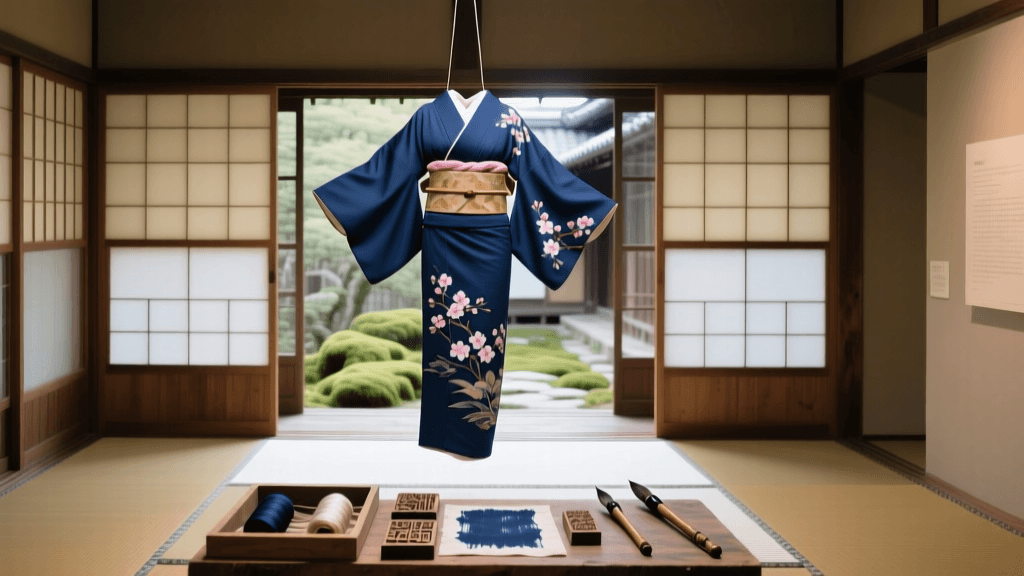
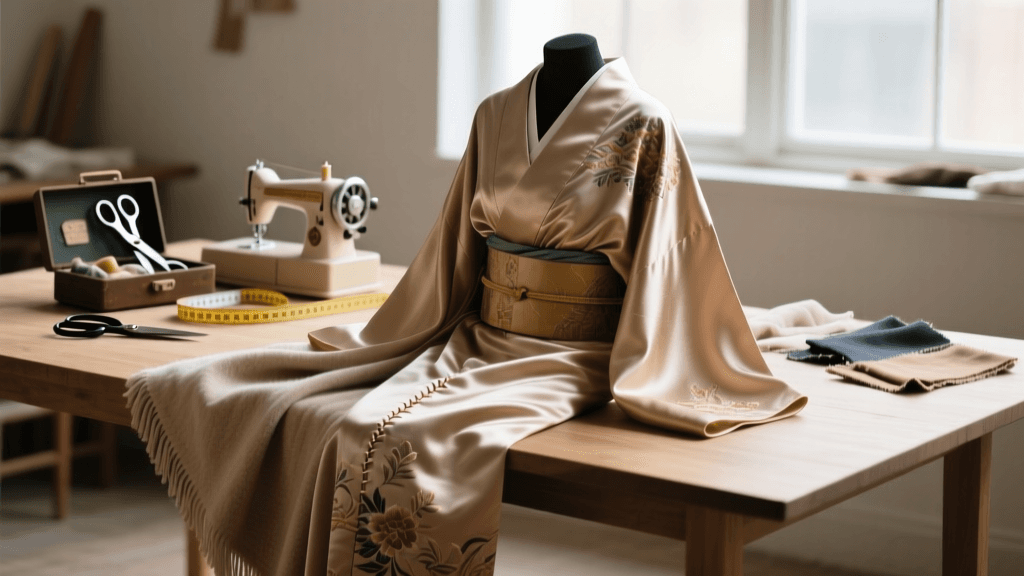
The Japanese kimono is far more than a traditional garment; it is a wearable canvas that reflects the nation's deep reverence for nature, seasonal transitions, and meticulous craftsmanship. For textile enthusiasts, fashion historians, and cultural travelers, Japan offers a wealth of museums and heritage sites dedicated to the preservation and exhibition of these magnificent garments. From the historic kosode of the Edo period to the intricate resist-dyeing techniques of modern artisans, exploring Japan's kimono museums provides an unparalleled glimpse into the soul of Japanese aesthetics.
The Ephemeral Art of Silk Preservation
Unlike ceramics or metalwork, silk textiles are highly susceptible to light, humidity, and temperature fluctuations. Consequently, major institutions like the Tokyo National Museum operate on strict rotation schedules, often displaying delicate garments for only one to two months before returning them to climate-controlled archives for rest. This means that visiting kimono exhibitions requires strategic timing. Travelers must research current exhibition catalogs and plan their itineraries around the fleeting appearances of National Treasures and Important Cultural Properties.
1. Tokyo National Museum: The Historical Kosode
Located in the expansive Ueno Park, the Tokyo National Museum (TNM) houses one of the most comprehensive collections of Japanese textiles in the world. The Honkan (Japanese Gallery) features a dedicated textile room that traces the evolution of the kosode—the small-sleeved predecessor to the modern kimono.
What to Expect
Exhibitions frequently highlight the opulent Tsuji-ga-hana (tie-dye and ink-drawing) techniques of the Muromachi period, as well as the lavish gold-leaf surihaku and embroidery nuihaku of the Momoyama and early Edo periods. You will also find breathtaking Noh theater costumes, which utilize heavy brocades to convey character and emotion on stage.
Actionable Advice
- Cost: General admission is 1,000 JPY. Special exhibitions may require an additional 1,500 to 2,000 JPY.
- Timing: Visit on a weekday morning right at the 9:30 AM opening to experience the galleries before school groups and tour buses arrive.
- Transit: A 10-minute walk from JR Ueno Station or Uguisudani Station.
2. Kyoto Museum of Traditional Crafts FUREAIKAN
Kyoto remains the beating heart of kimono production, and the Kyoto Museum of Traditional Crafts (FUREAIKAN) in Okazaki Park is the ultimate destination for understanding how these garments are actually made. Rather than just displaying finished antiques, this museum focuses on the living processes of Kyoto's 74 designated traditional crafts.
Mastering Kyo-Yuzen and Nishijin-Ori
The museum provides incredible close-up displays of Kyo-Yuzen (hand-painted resist dyeing) and Nishijin-ori (brocade weaving). Visitors can observe the intricate itome (rice paste resist) application that prevents dyes from bleeding, allowing for the pictorial, painterly designs Kyoto is famous for. The on-site artisan workshop space frequently hosts live demonstrations where master weavers operate traditional wooden Jacquard looms.
Actionable Advice
- Cost: Permanent exhibition entry is free. Special exhibitions and craft workshops range from 500 to 3,000 JPY.
- Workshops: Book a Kyo-Yuzen stencil-dyeing experience (approx. 2,500 JPY) at least two weeks in advance via their official portal to dye your own silk scarf or tote bag.
- Transit: Take the Kyoto City Bus to the 'Okazaki Koen Bijutsukan' stop.
3. Kaga Yuzen Kimono Center (Kanazawa)
While Kyoto is famous for its vibrant and stylized Yuzen, Kanazawa is the home of Kaga Yuzen, a style characterized by its subdued realism and deep connection to the natural landscape. The Kaga Yuzen Kimono Center, located in the historic Bunkyo district, is a must-visit for those who appreciate subtle elegance.
The Kaga Gosai Palette
The center meticulously explains the Kaga Gosai—the five foundational base colors of Kaga Yuzen: indigo, rust, olive green, yellow-brown, and deep purple. Unlike Kyoto Yuzen, Kaga Yuzen avoids gold leaf and heavy embroidery, relying instead on bokashi (gradation) shading and realistic botanical motifs, often featuring 'mushikui' (insect-eaten leaves) to reflect the impermanent beauty of nature.
Actionable Advice
- Cost: Admission is an incredibly affordable 320 JPY.
- Experiences: The center offers kimono dressing experiences and rentals starting at 3,500 JPY, allowing you to walk the nearby Kenrokuen Garden in authentic Kaga Yuzen silk.
- Timing: Best visited in mid-to-late October when the autumn motifs on the displayed garments mirror the changing leaves outside.
Comparative Guide: Planning Your Museum Itinerary
To help you structure your cultural heritage tour, refer to the comparison table below detailing the core focus and logistics of these premier textile destinations.
| Museum / Site | Location | Primary Textile Focus | Base Admission | Best Time to Visit |
|---|---|---|---|---|
| Tokyo National Museum | Tokyo (Ueno) | Historic Kosode, Noh Costumes, Aristocratic Garments | 1,000 JPY | Spring (Cherry Blossom motifs) or Autumn |
| FUREAIKAN | Kyoto (Okazaki) | Kyo-Yuzen Dyeing, Nishijin-Ori Brocade Weaving | Free | Year-round (Live artisan demos daily) |
| Kaga Yuzen Center | Kanazawa (Ishikawa) | Kaga Yuzen, Realistic Botanicals, Bokashi Shading | 320 JPY | Autumn (Maple and harvest motifs) |
Practical Etiquette and Travel Tips for Textile Lovers
Visiting heritage sites dedicated to fragile textiles requires adherence to specific cultural and preservation etiquette. Keep these actionable tips in mind:
- Strict No-Flash Policies: Never use a flash when photographing kimono exhibitions. The intense burst of light degrades organic silk dyes and accelerates the deterioration of metallic threads. Many galleries prohibit photography entirely to protect the artifacts and the viewing experience of others.
- Understanding Seasonality (Kisetsukan): Japanese kimono are deeply tied to the calendar. Museums curate exhibitions to match the upcoming season. Visit in February to see plum blossom (ume) and pine motifs, or in July to view cooling water streams and fireworks motifs on lightweight summer yukata and ro (gauze) weaves.
- Museum Shops: Do not skip the museum gift shops. Institutions like the TNM and FUREAIKAN sell authentic, museum-curated tenugui (cotton towels) and furoshiki (wrapping cloths) featuring exact replicas of National Treasure textile patterns, offering an affordable and authentic way to bring the art home.
Preserving the Art Form: The Role of Cultural Institutions
The survival of traditional kimono craftsmanship is heavily supported by government and institutional frameworks. The Agency for Cultural Affairs plays a pivotal role in this ecosystem by designating master artisans as Ningen Kokuho (Living National Treasures). This prestigious title is awarded to individuals who have mastered intangible cultural properties, such as Yuzen dyeing or Rashen (silk gauze) weaving.
'To wear a kimono is to wrap oneself in the geography, climate, and poetry of Japan.'
Museums do not merely act as storehouses for the past; they serve as active educational hubs that connect contemporary consumers with historical artisans. According to the Japan National Tourism Organization, there has been a significant surge in 'cultural tourism,' with international visitors increasingly seeking out hands-on artisan workshops over passive sightseeing. By supporting these museums and participating in their workshops, travelers directly contribute to the economic viability of traditional silk weaving and dyeing communities.
Conclusion
Whether you are marveling at the gold-leaf opulence of a Momoyama-era kosode in Tokyo, watching a master weaver throw the shuttle in Kyoto, or tracing the delicate, insect-eaten maple leaves of a Kanazawa Kaga Yuzen garment, Japan's kimono museums offer a profound journey into the nation's aesthetic soul. Plan your visit around the seasons, respect the delicate nature of the textiles, and immerse yourself in the living heritage of Japanese fashion.