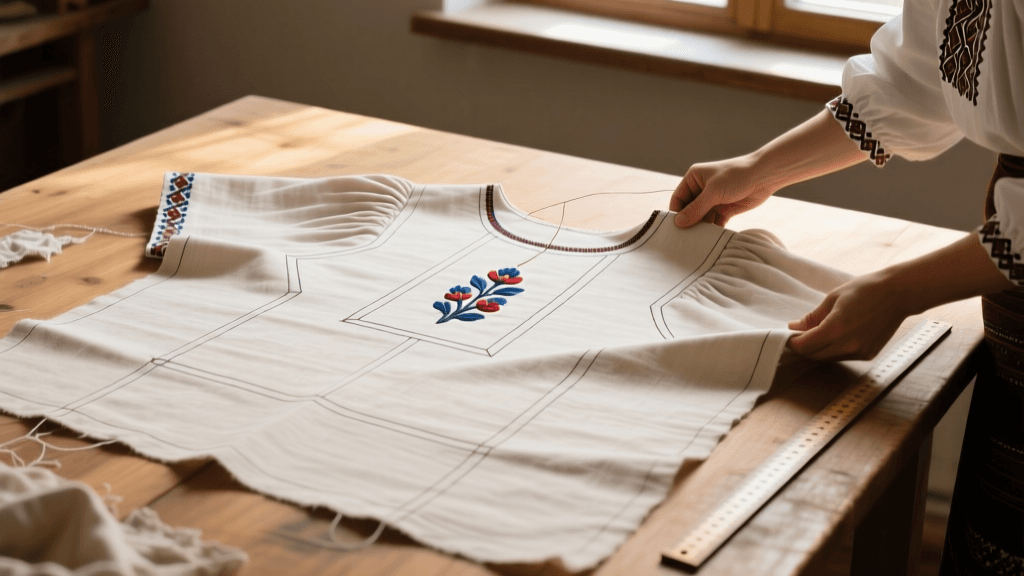
Medieval & Renaissance Dress: 2026 Italian Gamurra Guide
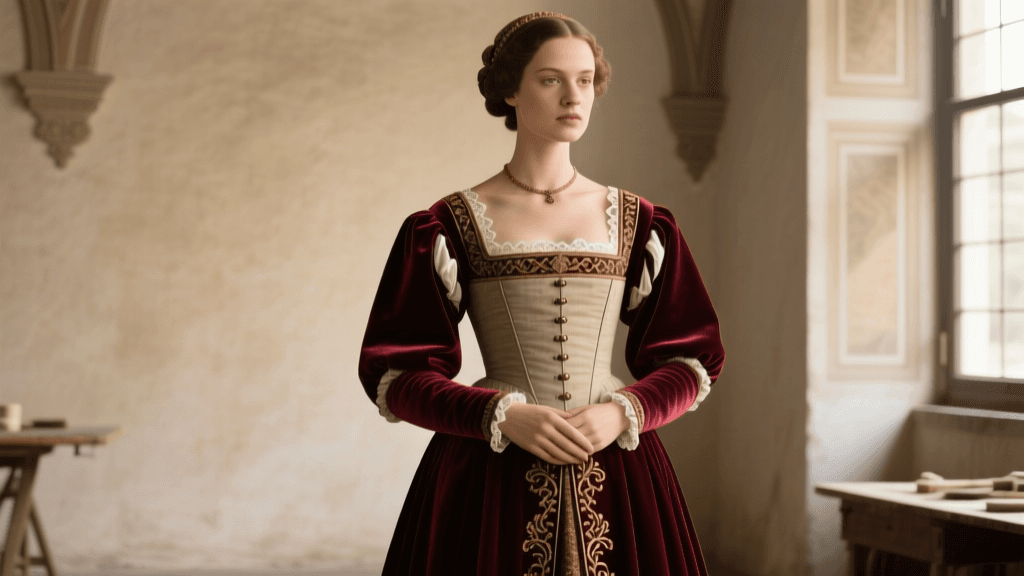
Introduction to 15th-Century Florentine Elegance
The 15th-century Italian Renaissance marked a profound shift in European tailoring, moving away from the voluminous, draped silhouettes of the early medieval period toward structured, fitted garments that celebrated the natural form. For historical costumers, reenactors, and textile enthusiasts in 2026, recreating the quintessential Florentine wardrobe—specifically the gamurra (the foundational fitted gown) and the giornea (the decorative overdress)—remains one of the most rewarding challenges in medieval and Renaissance European clothing reconstruction. This comprehensive guide explores the anatomy, textile sourcing, and tailoring techniques required to build an authentic 1400s Italian ensemble using modern 2026 resources and period-accurate methodologies.
The Anatomy of the Silhouette: Gamurra vs. Giornea
To achieve the correct historical silhouette, one must understand the distinct roles of the layered garments worn by noble and upper-middle-class women in cities like Florence and Siena. The foundational layer visible to the public was the cotta or camicia, a lightweight linen chemise that protected the outer garments from body oils. Over this sat the gamurra, a fitted, long-sleeved or detachable-sleeved gown that served as the primary dress for daily wear within the home or in informal settings.
When stepping into the public sphere or attending grand civic events, a woman would don the giornea. This was a lavish, often sleeveless overdress featuring a fitted bodice and a flowing, sometimes train-bearing skirt. The giornea was designed to showcase the expensive textiles of the era, frequently utilizing contrasting linings and elaborate trim. According to the Victoria and Albert Museum's extensive archives on Renaissance fashion, the layering of these garments was not merely aesthetic but a strict indicator of social standing, wealth, and marital status.
Sumptuary Laws and Social Context
When planning your 2026 reconstruction, it is vital to consider the strict sumptuary laws (leggi suntuarie) that governed Renaissance dress. These laws dictated exactly who could wear specific fabrics, colors, and trims. As detailed by the Metropolitan Museum of Art's Heilbrunn Timeline of Art History, Florentine magistrates frequently updated these regulations to curb excessive spending and maintain rigid class distinctions. For an authentic reproduction, avoid pairing overly ostentatious gold brocades with the simpler gamurra unless you are specifically portraying a bride or a woman of the highest nobility during a sanctioned festival. Opting for high-quality, solid-colored wools and damasks will yield a historically plausible and deeply authentic result.
Sourcing Period-Accurate Textiles in 2026
The historical costuming community in 2026 has seen a massive shift toward sustainable, period-accurate natural dyes and heritage weaves, moving decisively away from the synthetic blends and plastic-based brocades that plagued earlier decades. To achieve the correct drape and weight for a gamurra, you must source 100% natural fibers.
- Wool: The gamurra was most commonly made of fine, tightly woven wool. Look for lightweight melton, tropical wool, or heritage worsted wools. These fabrics breathe well, drape beautifully, and hold the structural tension required for a fitted bodice without the need for modern synthetic boning.
- Silk and Linen Blends: For the giornea, silk damask or heavy silk taffeta is ideal. Ensure the taffeta is 'rustling' and crisp, as this mimics the hand-feel of 15th-century weighted silks.
- Interlining: Never use modern fusible interfacing. Instead, pad-stitch heavy, unbleached linen canvas to the outer fashion fabric. This technique, known as flat-lining, provides the rigid, conical bodice shape seen in Renaissance portraiture.
Material Requirements and 2026 Cost Breakdown
Below is a structured breakdown of the materials required for a complete, high-quality gamurra and giornea ensemble, reflecting 2026 market prices for heritage textiles.
| Garment Layer | Historical Fabric | 2026 Sourcing Recommendation | Estimated Yardage | 2026 Avg Cost (USD) |
|---|---|---|---|---|
| Camicia (Chemise) | Fine White Linen | 3.5 oz Handkerchief Linen | 4 - 5 yards | $85 - $110 |
| Gamurra (Base Gown) | Fine Worsted Wool | Heritage Lightweight Wool Flannel | 6 - 8 yards | $240 - $320 |
| Giornea (Overdress) | Silk Damask or Taffeta | Pure Silk Taffeta (Crisp Hand) | 7 - 9 yards | $350 - $500 |
| Bodice Interlining | Heavy Linen Canvas | 10 oz Tailoring Canvas | 2 yards | $40 - $55 |
| Trims and Lacing | Silk Thread / Cord | 100% Silk Buttonhole Twist | 2 spools + 5 yds cord | $60 - $80 |
Drafting the Pattern and Tailoring Techniques
The 15th-century Italian bodice does not rely on the rigid, heavily boned corsetry of the 16th-century Tudor era. Instead, the shaping is achieved through precise pattern drafting and the tension of the flat-lined layers. When drafting your gamurra bodice, utilize a four-panel or six-panel princess-seam block. The side seams should curve gently inward at the waist and flare slightly over the hips to accommodate the cartridge-pleated skirt.
The Art of Pad Stitching
To stiffen the bodice, baste your heavy linen canvas to the wrong side of your wool or silk fashion fabric. Using a heavy linen thread, execute a tight pad stitch in a chevron or herringbone pattern across the bust and torso areas. This hand-stitching technique forces the fabric to mold to the body's curves, creating a smooth, supportive silhouette that is entirely historically accurate. In 2026, many master tailors in the reenactment community advocate for using beeswax-coated linen threads for this step, as it reduces friction and increases the longevity of the structural stitches.
Constructing the Detachable Sleeves
The gamurra is famous for its maniche (sleeves), which were often detachable and tied or laced to the bodice shoulder. This allowed women to mix and match sleeves of different colors and fabrics, effectively creating multiple outfits from a single gown. To construct these, draft a two-piece sleeve with a slight curve at the elbow. The sleeve should be snug from the shoulder to the elbow, then open into a dramatic, flowing bell shape or be slashed to reveal the fine linen camicia underneath. Finish the inner seams with a flat-felled stitch to ensure durability and a clean interior finish.
Constructing the Giornea Overdress
The giornea requires a different approach to construction. Because it is worn over the gamurra, it must be drafted with an additional two inches of ease across the bust and waist. The skirt of the giornea is typically open at the front, revealing the contrasting wool of the gamurra beneath. The edges of this front opening were heavily guarded with woven silk trims or fur lining in the winter months.
'The true mastery of Renaissance tailoring lies not in the complexity of the cut, but in the manipulation of the fabric's grain and the meticulous finishing of the interior seams.' — Master Tailoring Guild Guidelines, 2026 Edition.
When attaching the skirt to the bodice of the giornea, use cartridge pleating rather than standard knife pleats. Cartridge pleating involves rolling the top edge of the skirt and stitching tight, parallel gathering stitches. This technique pushes the heavy silk fabric outward, creating the distinctive, rounded hip silhouette seen in the paintings of Domenico Ghirlandaio and Sandro Botticelli.
Accessories and Historical Accuracy
No Medieval or Renaissance European clothing guide is complete without addressing the vital accessories that finalize the silhouette. In 2026, historical accuracy extends to the smallest details of a costumier's ensemble.
- The Partlet: To cover the exposed neckline of the camicia, a sheer silk or fine linen partlet is essential. These were often pinned to the inside of the gamurra bodice or tied under the arms.
- The Girdle: A woven silk or leather girdle, adorned with cast bronze or silver gilt buckles, should be worn low on the hips. The long tail of the girdle often featured a decorative tassel or a pomander.
- Headwear: Unmarried young women might wear their hair in elaborate braids intertwined with pearls and silk ribbons, while married women were expected to cover their hair with a sheer silk veil, a fazzolo, or a structured linen coif. Ensure your hair taping utilizes brass or bone pins rather than modern steel bobby pins, which will instantly break the historical illusion.
Conclusion: Embracing the Renaissance Revival
Recreating the 15th-century Italian gamurra and giornea is a profound exercise in historical empathy and textile mastery. By abandoning modern shortcuts in favor of flat-lining, pad stitching, and natural fibers, today's artisans are preserving the tangible heritage of the Renaissance. Whether you are preparing for a high-level historical interpretation event, a museum demonstration, or simply expanding your personal collection of medieval and Renaissance European clothing, the dedication to period-accurate tailoring will ensure your garments stand the test of time, just as they did in the golden age of Florence.