Italian Regional Folk Dress: Ladin, Sicilian & Sardinian 2026 Guide
The Renaissance of Italian Regional Folk Dress in 2026
Italy is globally renowned for its high fashion, yet its most intricate and historically significant textile traditions lie far from the Milanese runways. In 2026, there has been a massive resurgence in the preservation, documentation, and wearing of traditional regional folk dress across the Italian peninsula and its islands. Far from being mere museum relics, these garments are living testaments to local identity, actively worn during regional festivals, religious processions, and cultural celebrations. According to the Istituto Centrale per il Patrimonio Immateriale, the safeguarding of these demoethnoanthropological textiles has become a primary focus for Italian cultural ministries this year, leading to new grants for artisan weavers and embroiderers.
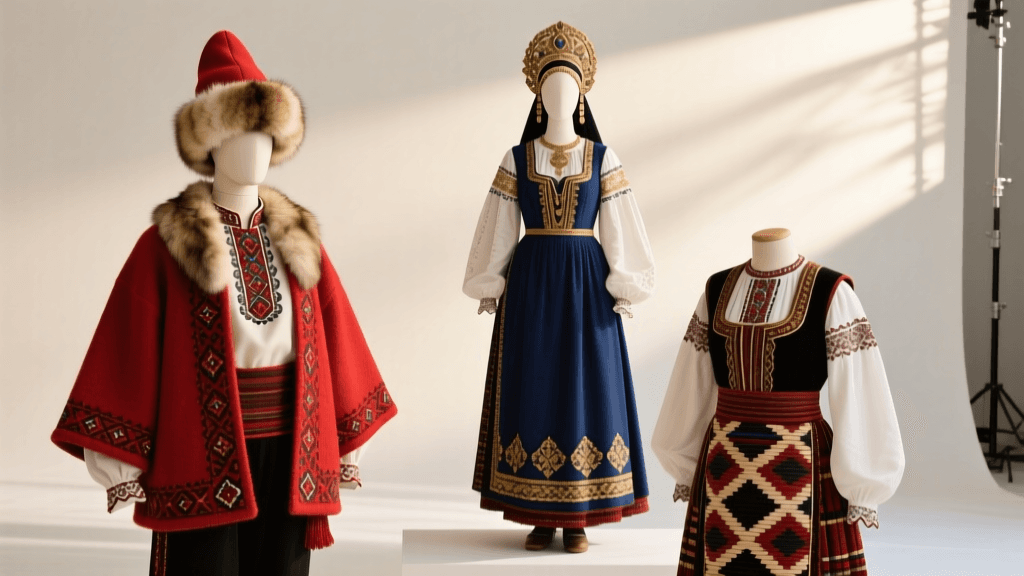
For collectors, cultural enthusiasts, and historians, understanding the hyper-local nuances of Italian folk costumes is essential. A garment from a village in Sardinia differs radically from one just fifty miles away. This comprehensive guide explores three of the most distinct and highly sought-after regional traditions: the Alpine Ladin Tracht, the Arbëreshë silk garments of Sicily, and the ancient woven wools of Sardinia.
The Alpine Elegance: Ladin Tracht of South Tyrol
Nestled in the Dolomites, the Ladin people have maintained a distinct linguistic and cultural identity for centuries, and their traditional dress, or Tracht, reflects the harsh alpine environment blended with Austro-Hungarian influences. In 2026, the Ladin Garnitur (full costume set) remains a pinnacle of alpine textile engineering.
Key Components of the Ladin Costume
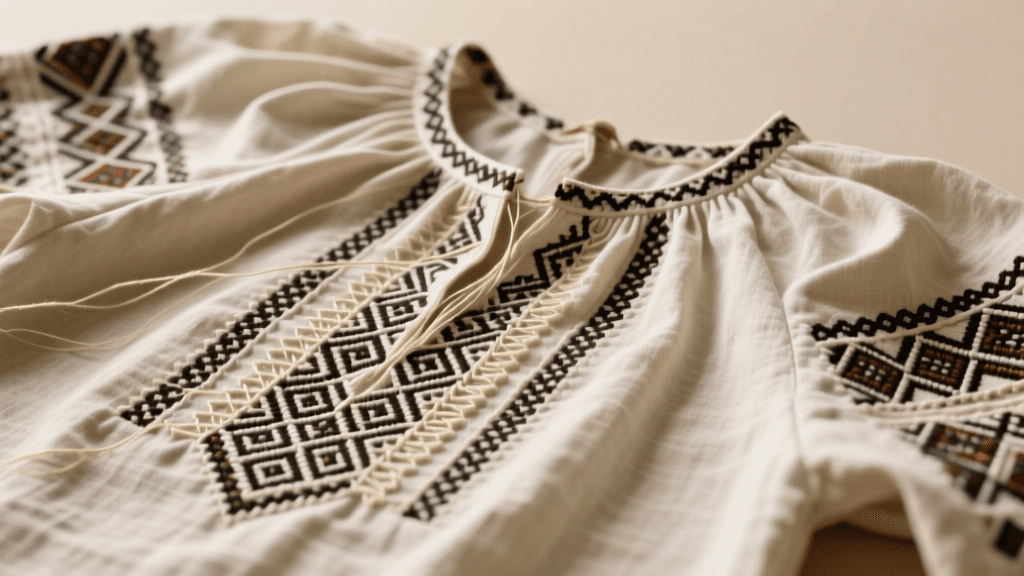
- The Bust (Bodice): Typically crafted from dark velvet or heavy wool, the bodice is heavily structured and fastened with silver or brass hooks. In the Val Gardena region, the bodice is often adorned with intricate floral embroidery using silk threads, a technique that takes local artisans over 120 hours to complete by hand.
- The Guarnel (Apron): Unlike the simpler cotton aprons of neighboring Bavarian regions, the Ladin guarnel is frequently made of finely pleated silk or patterned brocade, tied with a wide, hand-stamped leather or velvet belt.
- The Bürstelhut (Hat): The iconic alpine hat, often decorated with a brush-like tuft of chamois hair or a silver cord, remains a staple for both men and women during the 2026 Almabtrieb (autumn cattle drive) festivals.
Sourcing and 2026 Pricing
Authentic Ladin costumes are rarely mass-produced. In 2026, commissioning a bespoke women's Tracht from a certified artisan in Ortisei or San Martino in Badia costs between €1,800 and €3,200, depending on the complexity of the silk embroidery. Vintage pieces from the mid-20th century occasionally surface in specialized Bolzano auction houses, fetching upwards of €4,500 due to the rarity of pre-synthetic dyes.
The Sun-Baked Textiles: Sicilian Viddanedda and Arbëreshë Silks
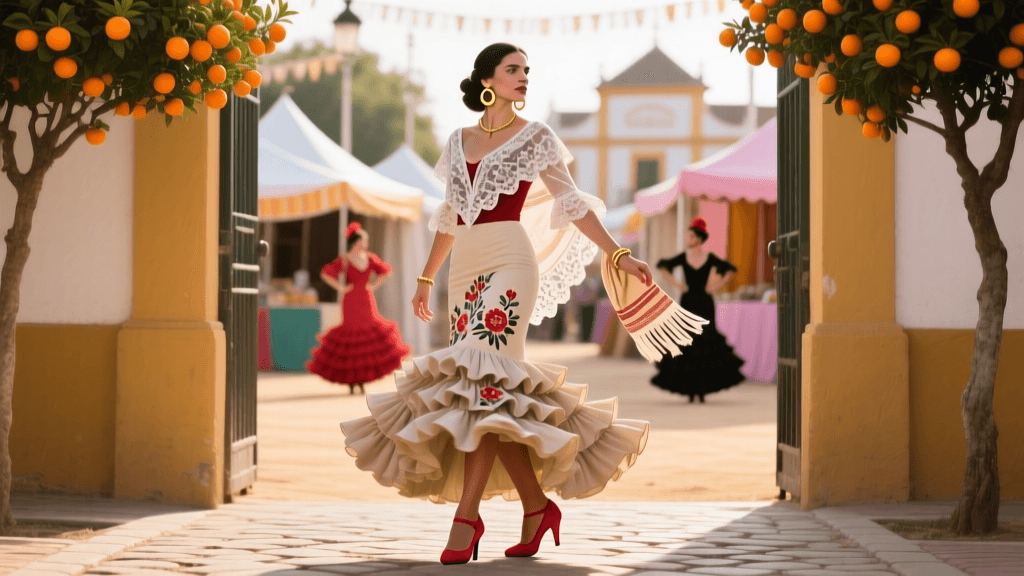
Sicily’s folk dress is as diverse as its history of conquests, but the most visually arresting and heavily documented costumes belong to the Arbëreshë (Italo-Albanian) communities, particularly in Piana degli Albanesi. During the 2026 Easter celebrations (Pasqua Arbëreshë), the streets explode with the vibrant colors of the vestito alla greca.
The Anatomy of the Arbëreshë Dress
The traditional female costume is characterized by its heavy, opulent use of gold thread and silk. The ensemble typically includes:
- The Linja: A heavily embroidered silk skirt, often in deep crimson, emerald, or royal blue, featuring geometric and floral motifs that trace back to 15th-century Balkan origins.
- The Korpet: A stiff, richly decorated bodice that pushes the bust upward, heavily encrusted with gold lace and metallic threading.
- The Sgërdhuf: A delicate, sheer white linen headpiece or veil, intricately folded and pinned, signifying marital status and regional origin.
Preservation and Authenticity Markers
Because of the immense weight of the gold embroidery, these garments require specialized structural support when displayed. The Museo delle Civiltà in Rome houses several benchmark examples of these textiles, noting that authentic 19th-century Arbëreshë gold thread was spun around a silk core, whereas modern 2026 reproductions often use a synthetic core wrapped in metallic foil. When evaluating a piece, examining the core of the gold thread under magnification is the definitive test of antiquity and value.
The Ancient Weaves: Sardinian Traditional Dress
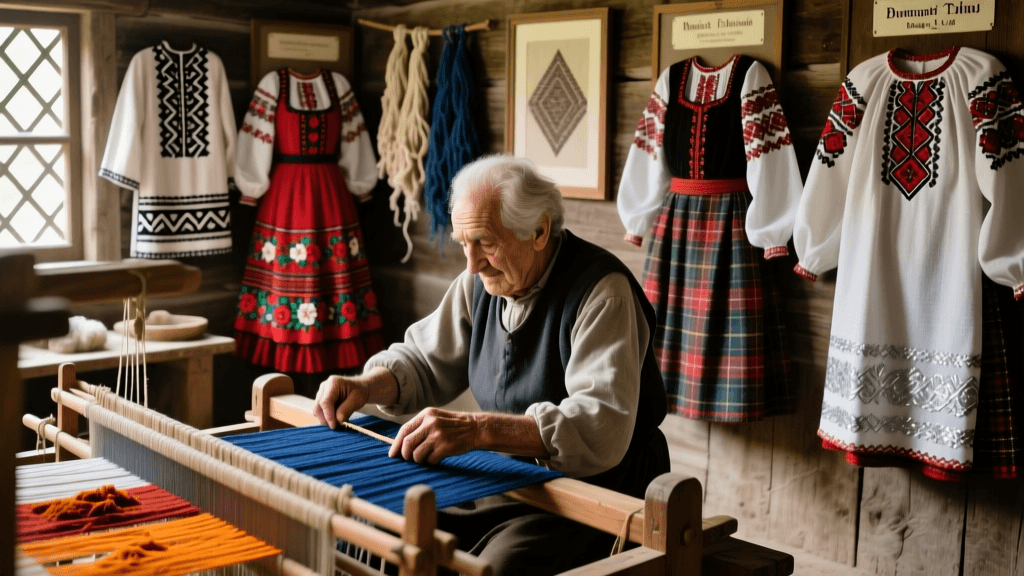
Sardinia boasts the most diverse array of folk costumes in Italy, with over 400 distinct municipal variations. However, the unifying element across the island's interior is the use of Orbace, a coarse, water-resistant black wool woven from local sheep, and the breathtaking filigrana sarda (silver filigree) jewelry.
Nuorese vs. Campidanese Variations
To the untrained eye, a 'Sardinian costume' might seem uniform, but regional markers are strictly codified:
- The Nuorese (Mountain) Style: Characterized by darker, heavier fabrics. Women wear the cambusciu (a dark, heavily pleated skirt bordered with red or gold silk) and the corittu, a short, fitted jacket made of orbace wool or dark velvet. The head is covered by the tiaggiola, a fine linen or silk veil.
- The Campidanese (Plains) Style: Found in the southern plains near Cagliari, these costumes are lighter and brighter. Skirts are often made of silk or fine cotton in vibrant reds and yellows, and the bodices are lower-cut, revealing a heavily embroidered white linen chemise (camisa).
The Role of Silver Filigree
No Sardinian costume is complete without its silver ornaments. The bottoni (buttons) used to fasten the chemise and jacket are masterpieces of filigree work, often shaped like pomegranates or stylized eagles. In 2026, master silversmiths in Nuoro and Cagliari are experiencing a backlog of up to eight months for bespoke button sets, with a standard set of five jacket buttons costing approximately €650 to €900.
2026 Sourcing & Authenticity Comparison Chart
For collectors and cultural institutions looking to acquire or study these garments, the following table outlines the current market realities and identification markers for 2026.
| Region | Key Garment | Primary Material | 2026 Artisan Cost | Authenticity Marker |
|---|---|---|---|---|
| South Tyrol (Ladin) | Bust & Guarnel | Wool, Silk, Velvet | €1,800 - €3,200 | Hand-stamped velvet trim; specific valley color-coding |
| Sicily (Arbëreshë) | Vestito alla Greca | Silk, Gold Thread | €4,000 - €7,500+ | Silk-core gold thread; specific Piana degli Albanesi pleating |
| Sardinia (Nuoro) | Corittu & Cambusciu | Orbace (Black Wool) | €1,500 - €2,800 | Hand-woven geometric borders; water-resistant wool lanolin scent |
Accessorizing the Regional Looks for Modern Festivals
Wearing these garments in 2026 requires an understanding of the accompanying accessories, which are just as regionally specific as the textiles themselves.
Ladin Accessories
Men's Ladin Tracht is heavily accented with leatherwork. The Leibgurt (leather belt) is often hand-carved with alpine flora and fauna. In 2026, ethical sourcing of chamois and deer leather is strictly regulated in the Dolomites, meaning authentic, locally sourced belts carry a certificate of origin from the regional hunting and forestry consortium.
Sicilian Coral and Gold
The Arbëreshë dress is traditionally paired with heavy gold chains and Mediterranean red coral jewelry. The coral is believed to ward off the evil eye (syri i keq). When sourcing vintage coral pieces to accompany a historical dress, look for the deep, uniform 'ox-blood' red that characterizes pre-1980s Mediterranean harvests, as modern coral is often paler or dyed.
Sardinian Headwear and Shawls
In Sardinia, the headwear dictates the wearer's exact village and marital status. The muccadore (a printed silk or cotton headscarf) is tied in highly specific knots. Furthermore, the sciallu (shawl) worn over the shoulders in the winter months is often made of fine wool or silk damask, featuring hand-knotted fringe that can take a weaver three weeks to complete.
Caring for Heritage Textiles in 2026
As climate patterns shift and extreme humidity events become more frequent across the Mediterranean, the conservation of these organic textiles has evolved. The 2026 guidelines from European textile conservators emphasize the following protocols for private collectors:
- Climate Control: Maintain a strict relative humidity (RH) of 45-55% and a temperature of 18-20°C (64-68°F). Fluctuations cause the metallic threads in Sicilian and Sardinian bodices to expand and contract at different rates than the silk core, leading to structural tearing.
- Light Exposure: Limit lux exposure to 50 lux or less for all dyed wools (especially the natural dyes used in Sardinian orbace and Ladin aprons). Use UV-filtering acrylic glazing if the garments must be displayed.
- Storage Materials: Never use standard cardboard or untreated wood, which off-gas acidic compounds. Wrap garments in unbuffered, acid-free tissue paper and store them in flat, powder-coated steel or anodized aluminum drawers.
- Pest Management: Avoid traditional mothballs (naphthalene), which can react with silver filigree and gold threads, causing irreversible tarnishing. Instead, utilize anoxic (oxygen-depleted) environments or freeze-treatment protocols for suspected infestations.
Conclusion: The Living Fabric of Italy
The regional folk costumes of Italy are not static artifacts; they are dynamic expressions of local pride, history, and artisanal mastery. Whether it is the structured velvet of the Ladin valleys, the blinding gold of the Sicilian Arbëreshë, or the rugged, beautiful orbace of the Sardinian interior, these garments demand respect, careful study, and meticulous preservation. As we move through 2026, the continued support of local artisans and the rigorous documentation by cultural institutions ensure that these magnificent textile traditions will endure for generations to come. For the serious collector or cultural historian, investing in the knowledge and proper care of these garments is an investment in the very fabric of European heritage.