The Living Threads of History: A Guide to Indigenous Textile Crafts
The Living Threads of History: A Guide to Indigenous Textile Crafts
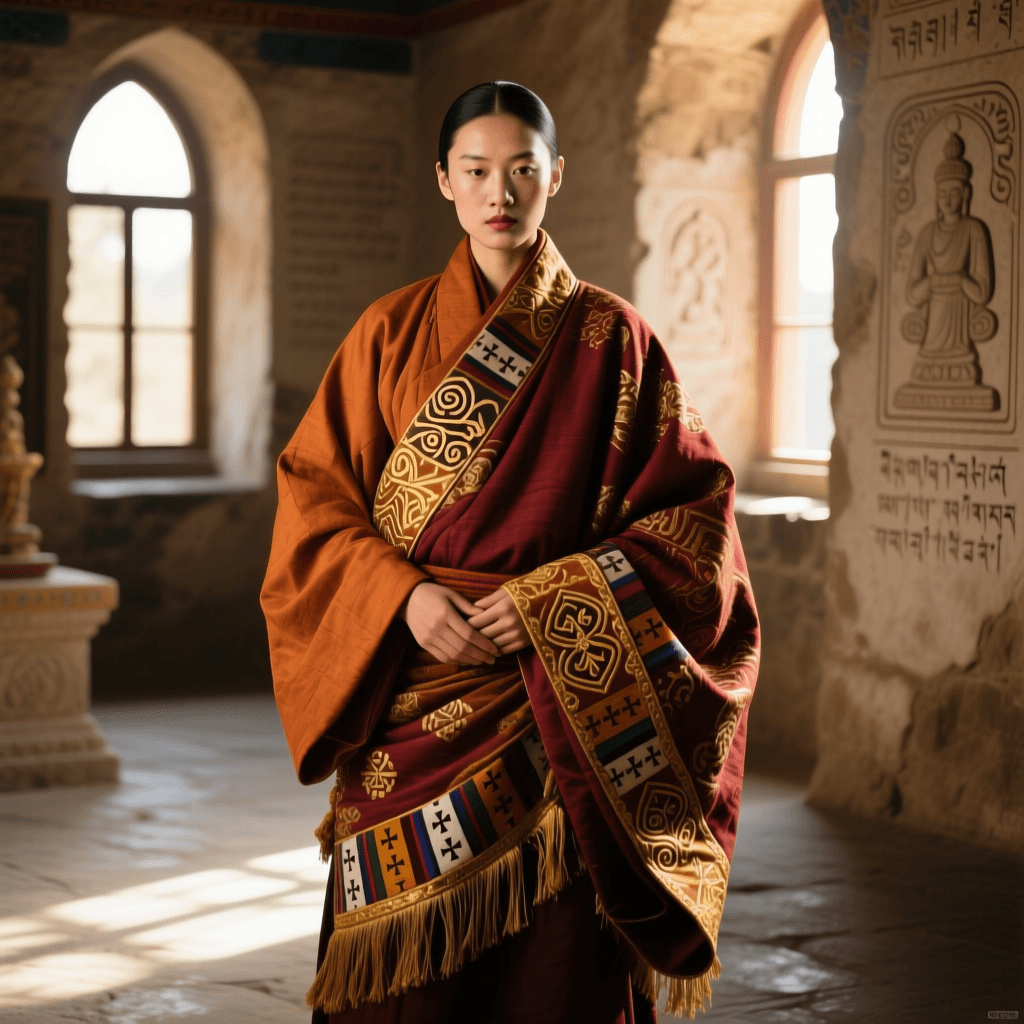
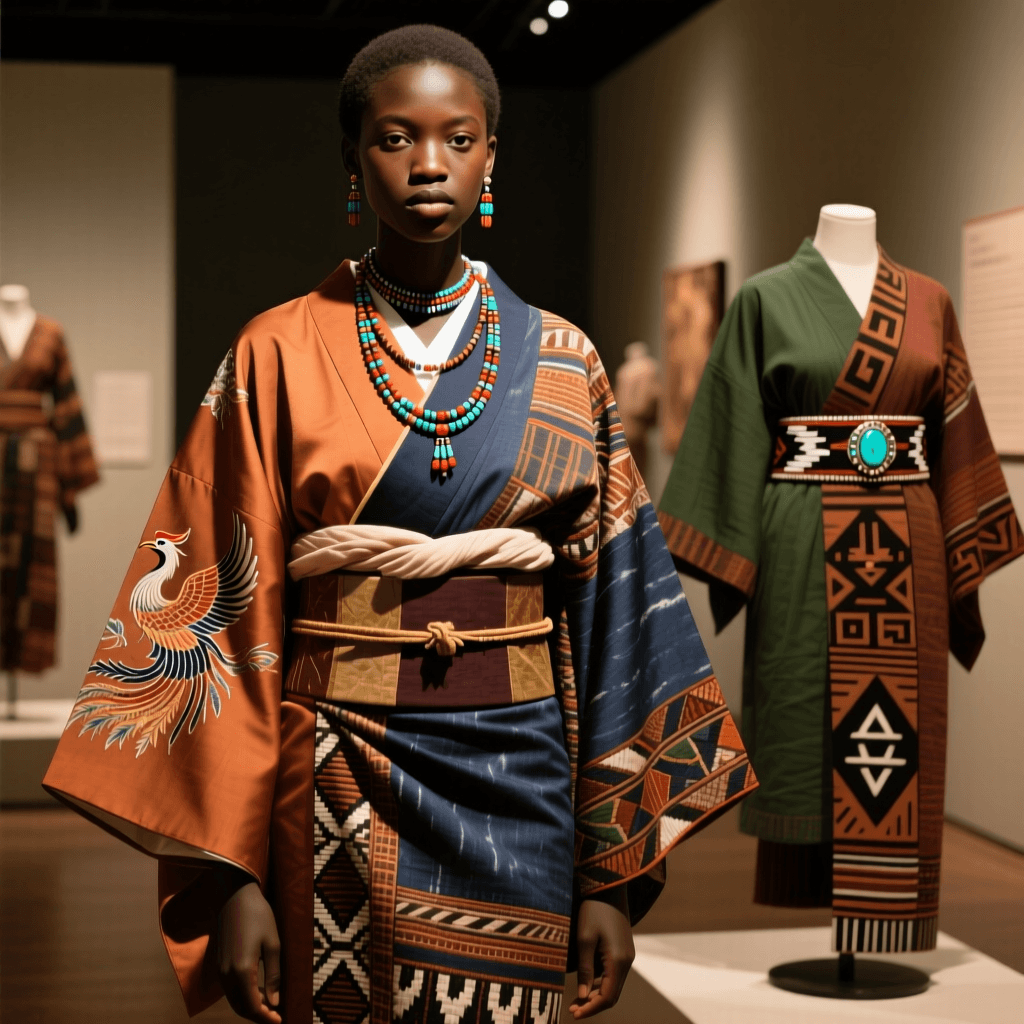
Long before the advent of industrialized manufacturing and the rise of globalized fast fashion, clothing was a profound expression of identity, environment, and spirituality. Indigenous textile crafts represent some of the most intricate, time-honored, and culturally significant art forms in human history. For indigenous communities across the globe, the act of transforming raw natural fibers into woven cloth is not merely a functional necessity; it is a sacred practice, a historical archive, and a visual language that communicates lineage, status, and cosmological beliefs.
At The Garment Atlas, we believe that understanding the origins of our clothing is essential to cultivating a meaningful relationship with our wardrobes. The heritage of indigenous textiles offers a masterclass in sustainability, artistry, and deep ecological knowledge. By examining the techniques, regional variations, and cultural contexts of these ancestral crafts, we can better appreciate the immense value of handwoven garments and the urgent need to protect these traditions from the eroding forces of mass production.
The Cultural Significance of Indigenous Textiles
In many indigenous societies, textiles are considered living entities. The process of weaving is often equated with the act of creation itself, mirroring the cosmic order and the cycles of nature. The threads that form the warp and the weft are imbued with intention, prayers, and the ancestral wisdom of the weaver. Consequently, a handwoven garment is never just a piece of fabric; it is a protective talisman, a marker of social standing, and a vital component of community rituals.
Throughout history, indigenous textiles have served as a complex system of non-verbal communication. In communities where written languages were either suppressed or non-existent, weavers encoded their histories, mythologies, and territorial maps directly into the geometric patterns and color palettes of their cloth. Specific motifs might denote a wearer’s marital status, their clan affiliation, or their role within the spiritual hierarchy of the village. To wear these textiles is to wear one’s identity and history on the body.
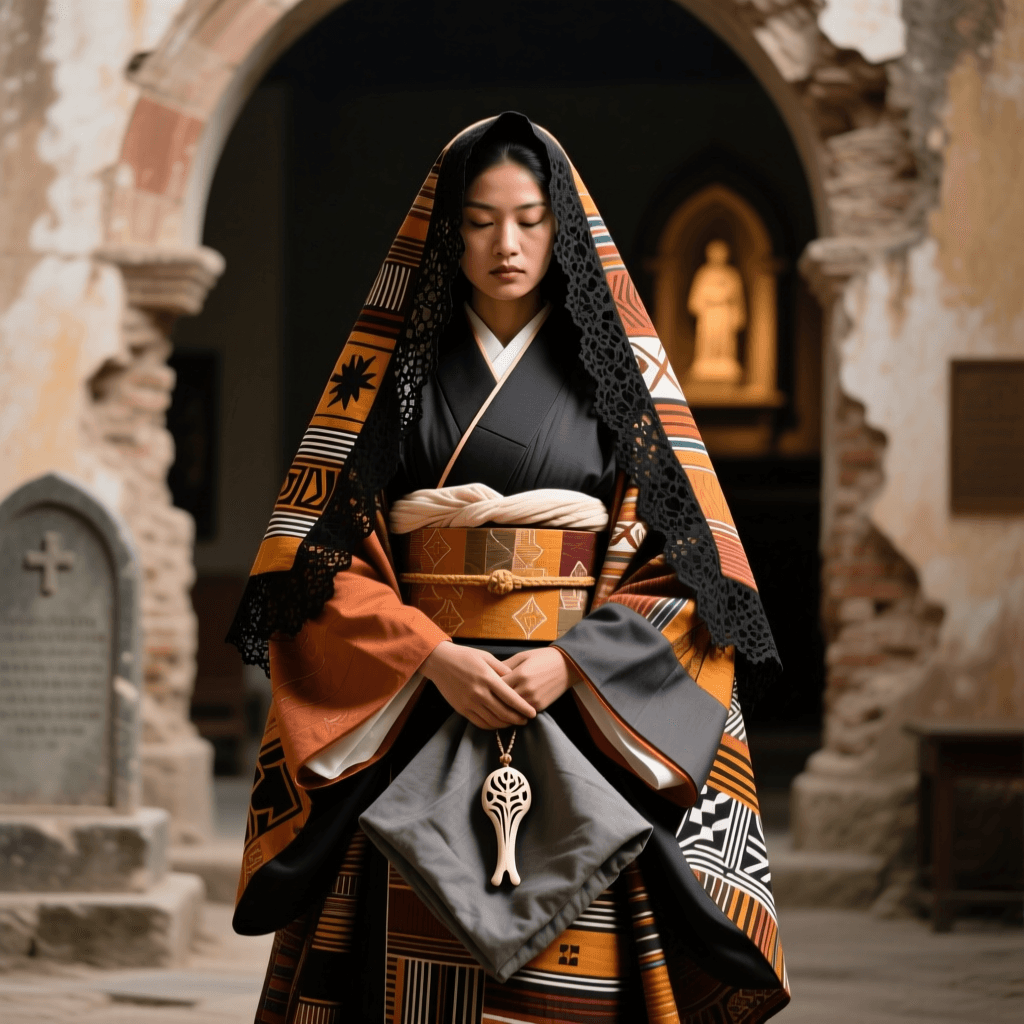
Furthermore, these crafts are deeply intertwined with rites of passage. From the swaddling cloths used to welcome a newborn into the world, to the elaborate ceremonial garments worn during coming-of-age rituals, and finally to the sacred shrouds that wrap the deceased for their journey into the afterlife, indigenous textiles accompany individuals through every major threshold of human existence. The creation of these garments requires immense time and patience, reinforcing the communal bonds and the intergenerational transfer of knowledge from elder artisans to the youth.
Traditional Craftsmanship: From Fiber to Fabric
The mastery of indigenous textile craftsmanship lies in its profound connection to the local environment. Every step of the process, from harvesting the raw materials to the final finishing touches, relies on an intimate understanding of the local flora, fauna, and seasonal cycles. This holistic approach to production stands in stark contrast to the fragmented, resource-intensive supply chains of the modern fashion industry.
Fiber Preparation and Spinning
The journey begins with the careful selection and preparation of natural fibers. Depending on the region, artisans may harvest cotton, flax, hemp, or agave, or they may shear and clean the wool of sheep, alpacas, llamas, or goats. The fibers are meticulously cleaned, carded, and combed to align the strands before spinning. Using simple but highly effective tools like the drop spindle or the thigh-spinning technique, artisans twist the fibers into strong, continuous yarns. The thickness and tension of the spun yarn are controlled entirely by the artisan’s hands, a skill that takes years to perfect.
The Alchemy of Natural Dyes
Color in indigenous textiles is derived entirely from the natural world, resulting in hues that possess a depth and vibrancy impossible to replicate with synthetic chemicals. Artisans forage for roots, bark, leaves, insects, and minerals to create their dye baths. The use of natural dyes and mordants is a complex chemical process. Mordants such as alum, iron, or tannin-rich plant extracts are used to bind the color to the fiber, ensuring longevity. The fermentation of indigo leaves to create deep blues, or the harvesting of cochineal insects to produce brilliant crimsons, represents generations of accumulated botanical and chemical knowledge.
Weaving Techniques and Looms
The loom is the instrument through which the weaver’s vision is realized. Indigenous cultures have developed a wide array of loom types suited to their specific environments and textile needs. The backstrap loom, prevalent in Mesoamerica and parts of Southeast Asia, is a marvel of ergonomic engineering. One end of the loom is tied to a fixed post, while the other is attached to a strap around the weaver’s lower back. By leaning forward or backward, the weaver controls the tension of the warp threads with her own body, allowing for the creation of incredibly tight, intricate weaves. In other regions, upright frame looms, pit looms, and horizontal floor looms are utilized, each dictating the width, texture, and structural possibilities of the finished cloth. For a broader look at these methods, explore our archive on handloom weaving traditions.
Regional Variations Across the Globe
The diversity of indigenous textile crafts is a testament to human ingenuity and adaptability. While the fundamental principles of spinning and weaving are universal, the aesthetic expressions and technical innovations vary wildly across different geographies.
The Andean Highlands of South America
In the high altitudes of the Andes, weaving is a cornerstone of Quechua and Aymara culture. The harsh climate necessitates the use of warm, durable fibers, primarily the wool of alpacas and llamas. Andean weavers are renowned for their complex warp-faced weaves and the use of the pallay technique, a method of picking and selecting warp threads to create intricate, double-faced geometric patterns. These patterns often depict local flora, fauna, and agricultural cycles, serving as a visual calendar and a tribute to Pachamama (Mother Earth).
Mesoamerican Backstrap Weaving
Among the Maya communities of Guatemala and Mexico, the backstrap loom remains the primary tool for creating the iconic huipil, a traditional tunic-like garment. The huipil is a deeply personal garment; the specific brocade patterns, colors, and weaving techniques can identify the exact village, and sometimes even the specific neighborhood, of the wearer. The incorporation of supplementary weft threads allows Maya weavers to create elaborate, raised motifs that resemble embroidery but are actually woven directly into the structure of the cloth.
West African Strip Weaving and Resist Dyeing
West Africa boasts a rich textile heritage characterized by vibrant colors and bold geometric designs. The Ashanti people of Ghana are famous for Kente cloth, a luxurious silk and cotton fabric woven in narrow strips on horizontal treadle looms and then meticulously sewn together. The patterns and color combinations of Kente are highly symbolic, often reserved for royalty or specific ceremonial occasions. Further west, the Bamana people of Mali create Bogolanfini, or mudcloth. This unique textile involves weaving cotton strips, dyeing them with yellow plant extracts, and then painting intricate patterns using fermented mud, a process that relies on a complex chemical reaction between the tannins and the iron-rich clay.
Southeast Asian Ikat and T'nalak
In the Indonesian archipelago and the Philippines, the resist-dyeing technique known as Ikat reaches unparalleled levels of sophistication. Unlike tie-dye, where the finished fabric is dyed, in Ikat, the individual yarns are tightly bound and dyed before they are woven. When the dyed yarns are placed on the loom, the weaver must align them with mathematical precision to reveal the blurred, ethereal patterns. In the southern Philippines, the T’boli people weave T’nalak, a sacred cloth made from abaca fibers. The patterns are not drawn or planned; they are believed to be gifted to the master weavers, known as dream weavers, by the spiritual entity Fu Dalu.
North American Navajo and Chilkat Weaving
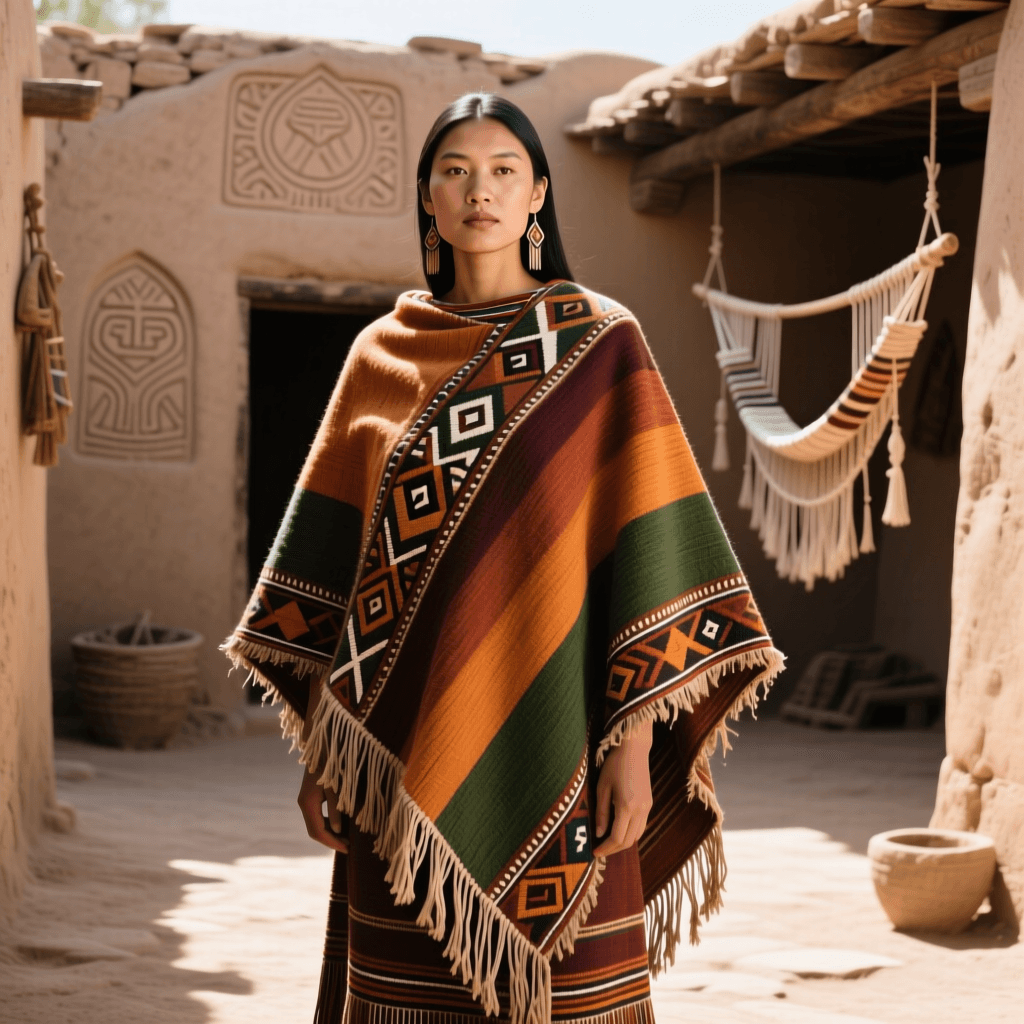
The Diné (Navajo) people of the American Southwest are celebrated for their exceptional rug and blanket weaving. Using upright looms and the wool of the Churro sheep, Diné weavers create textiles characterized by bold geometric shapes, stepped terraces, and striking color contrasts. Weaving is a deeply spiritual act, guided by the teachings of Spider Woman, a central figure in Diné cosmology who taught the people how to weave. Further north, the indigenous peoples of the Pacific Northwest Coast create Chilkat blankets, woven from mountain goat wool and cedar bark, featuring complex, curvilinear formline designs that represent clan crests and mythological beings.
The Threat of Fast Fashion and Modern Preservation
Despite their profound cultural and artistic value, indigenous textile crafts face existential threats in the modern era. The proliferation of cheap, mass-produced garments has flooded local markets, undercutting the livelihoods of traditional artisans. Furthermore, the rise of synthetic dyes and machine-spun acrylic yarns has led to a decline in the use of natural materials, eroding the ecological knowledge required to sustain these crafts.
Cultural appropriation poses another significant challenge. Global fashion brands frequently lift sacred indigenous motifs, mass-produce them in overseas factories, and sell them for profit without compensating or crediting the originating communities. This not only strips the symbols of their cultural meaning but also deprives indigenous artisans of economic opportunities.
However, a robust movement of preservation and revitalization is underway. Artisan cooperatives, often led by indigenous women, are organizing to protect their intellectual property, secure fair trade certifications, and access global markets on their own terms. Organizations and NGOs are working alongside communities to document ancestral techniques, establish natural dye gardens, and provide business training. Additionally, the implementation of Geographical Indications (GI) and traditional knowledge digital libraries helps legally protect indigenous designs from unauthorized commercial exploitation. Supporting these preservation efforts is crucial for maintaining global cultural diversity.
Integrating Heritage Crafts into a Modern Wardrobe
For the conscious consumer, incorporating indigenous textiles into a modern wardrobe is an opportunity to celebrate global heritage while practicing ethical consumption. The key lies in the distinction between cultural appreciation and cultural appropriation. Appreciation involves purchasing directly from indigenous artisans or certified fair-trade organizations, understanding the cultural context of the garment, and wearing it with respect.
When styling heritage textiles, the goal is to let the craftsmanship take center stage. A handwoven indigenous jacket, a vibrant mudcloth skirt, or an intricately patterned Andean poncho can serve as the focal point of an outfit. Pairing these statement pieces with simple, neutral basics from your sustainable capsule wardrobe allows the textures and colors of the artisan cloth to shine. Furthermore, investing in these garments means committing to their longevity. Proper textile care and maintenance, such as hand-washing with gentle, pH-neutral soaps and avoiding direct sunlight during drying, ensures that these heirloom pieces can be passed down to future generations.
Frequently Asked Questions
What makes indigenous textiles different from mass-produced fabrics?
Indigenous textiles are created using traditional, manual techniques that prioritize quality, cultural expression, and environmental harmony over speed and volume. Unlike mass-produced fabrics, which rely on synthetic fibers, toxic chemical dyes, and mechanized looms, indigenous crafts utilize locally sourced natural fibers, botanical dyes, and hand-operated looms. Every piece is unique, bearing the subtle variations and intentional imperfections that signify human craftsmanship and carry the spiritual and historical narratives of the weaver’s community.
How can I ensure I am buying authentic indigenous crafts?
To ensure authenticity and ethical sourcing, purchase directly from indigenous artisan cooperatives, verified fair-trade organizations, or reputable galleries that specialize in indigenous arts. Look for transparency regarding the origins of the textile, the materials used, and the artisans who created it. Be wary of large retail brands offering “tribal-inspired” or “ethnic” prints at very low prices, as these are almost always mass-produced imitations that do not benefit the originating communities. Certifications from recognized fair-trade bodies can also provide assurance of ethical labor practices.
What is the difference between cultural appreciation and cultural appropriation in fashion?
Cultural appreciation involves engaging with a culture respectfully, seeking to understand its history and significance, and supporting its artisans economically. It means buying authentic pieces directly from the community and wearing them in a way that honors their origins. Cultural appropriation, conversely, occurs when elements of a marginalized culture are taken out of context, commodified, and used for profit or trendiness by members of a dominant culture, often without permission, credit, or compensation. Appropriation strips sacred or significant symbols of their meaning and perpetuates economic inequalities.
How do I care for handwoven indigenous garments?
Handwoven garments require gentle, mindful care to preserve their structural integrity and natural dyes. Always check for specific care instructions provided by the artisan. Generally, it is best to hand-wash these textiles in cold water using a mild, pH-neutral detergent designed for delicate natural fibers. Avoid harsh agitation, wringing, or machine washing, as this can distort the weave and cause natural dyes to bleed. Rinse thoroughly, gently press out excess water in a clean towel, and lay the garment flat to dry in the shade, as direct sunlight can fade botanical dyes over time.
Why are indigenous textiles often more expensive than commercial clothing?
The cost of an indigenous textile reflects the true value of human labor, time, and specialized knowledge. Creating a single handwoven garment can take anywhere from several weeks to several months, encompassing the harvesting of fibers, hand-spinning the yarn, foraging for natural dyes, dyeing the threads, and finally weaving the cloth on a manual loom. When you purchase an authentic indigenous textile, you are not just buying a piece of clothing; you are compensating an artisan for their lifetime of skill, supporting the local economy, and funding the preservation of an ancient cultural heritage. This stands in stark contrast to the artificially low prices of fast fashion, which are subsidized by exploitative labor practices and environmental degradation.
For further exploration of global textile arts, delve into our comprehensive guides on global embroidery techniques and discover how needle and thread have shaped human history across continents.