The Fabric of Adulthood: A Global History of Coming-of-Age Garments
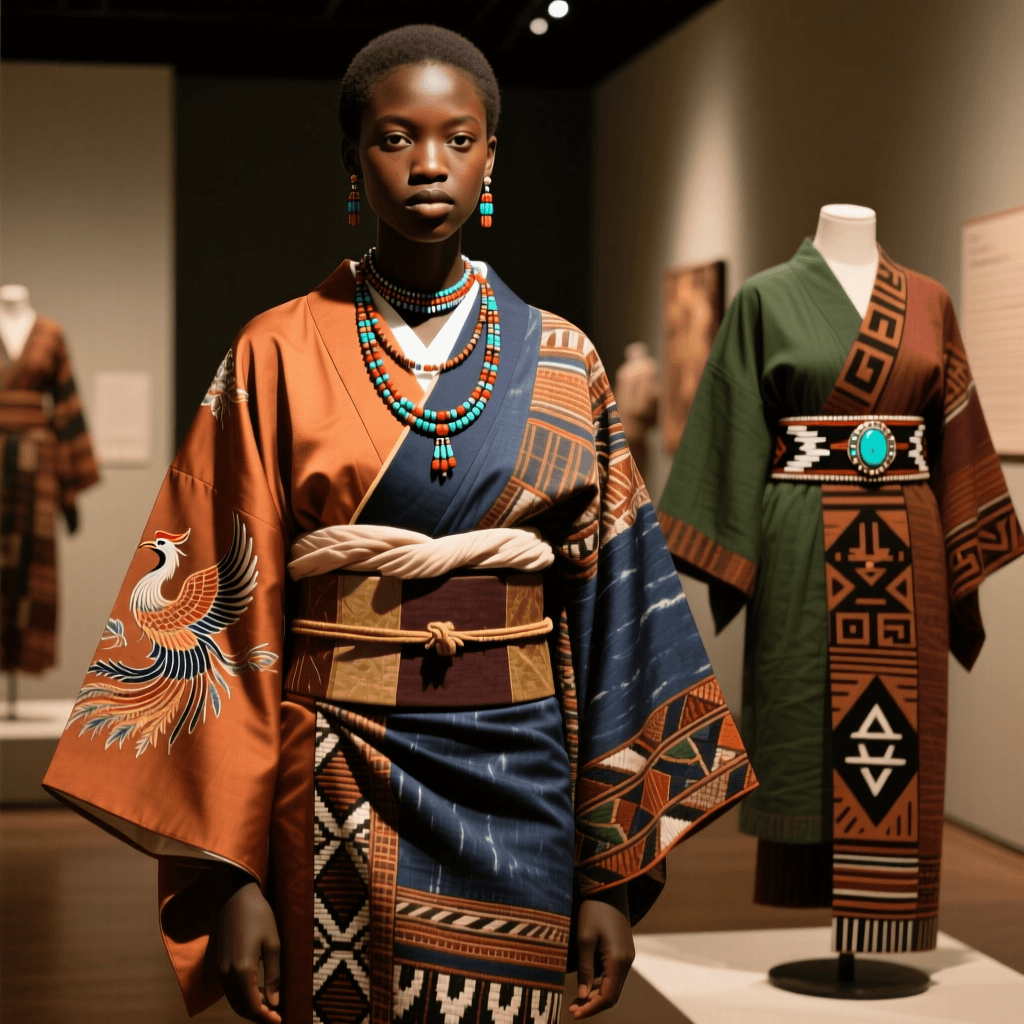
Across the vast tapestry of human history, the transition from childhood to adulthood has never been a silent affair. It is a profound threshold, a biological and social metamorphosis that demands acknowledgment, celebration, and protection. While rituals, feasts, and trials have long served as the active components of these rites of passage, it is the clothing worn during these ceremonies that provides the most enduring visual record. Coming-of-age garments are far more than mere decoration; they are the physical manifestation of a community’s hopes, the weight of its ancestral expectations, and the protective armor bestowed upon a new adult stepping into the wider world.
At The Garment Atlas, we believe that to understand a culture’s global rites of passage, one must closely examine the threads, dyes, and silhouettes that define them. These garments act as a visual boundary, signaling to the community that the wearer has crossed an invisible line. The child is gone, and in their place stands a new member of society, draped in the symbols of their new responsibilities, marital eligibility, and spiritual maturity. This exploration delves into the rich heritage of transitionary dress, examining the cultural significance, meticulous craftsmanship, and diverse regional variations that make these garments some of the most important textiles in human history.
The Cultural Significance of Transitionary Dress
Anthropologists often refer to the period of coming-of-age as a liminal space—a state of being “betwixt and between.” During this vulnerable window, the initiate is no longer a child but has not yet fully assumed the rights and protections of an adult. In many traditional societies, this liminality is considered spiritually dangerous. The individual is susceptible to malevolent spirits, the evil eye, and the chaotic forces of nature. Coming-of-age garments are therefore designed with profound apotropaic (protective) qualities.
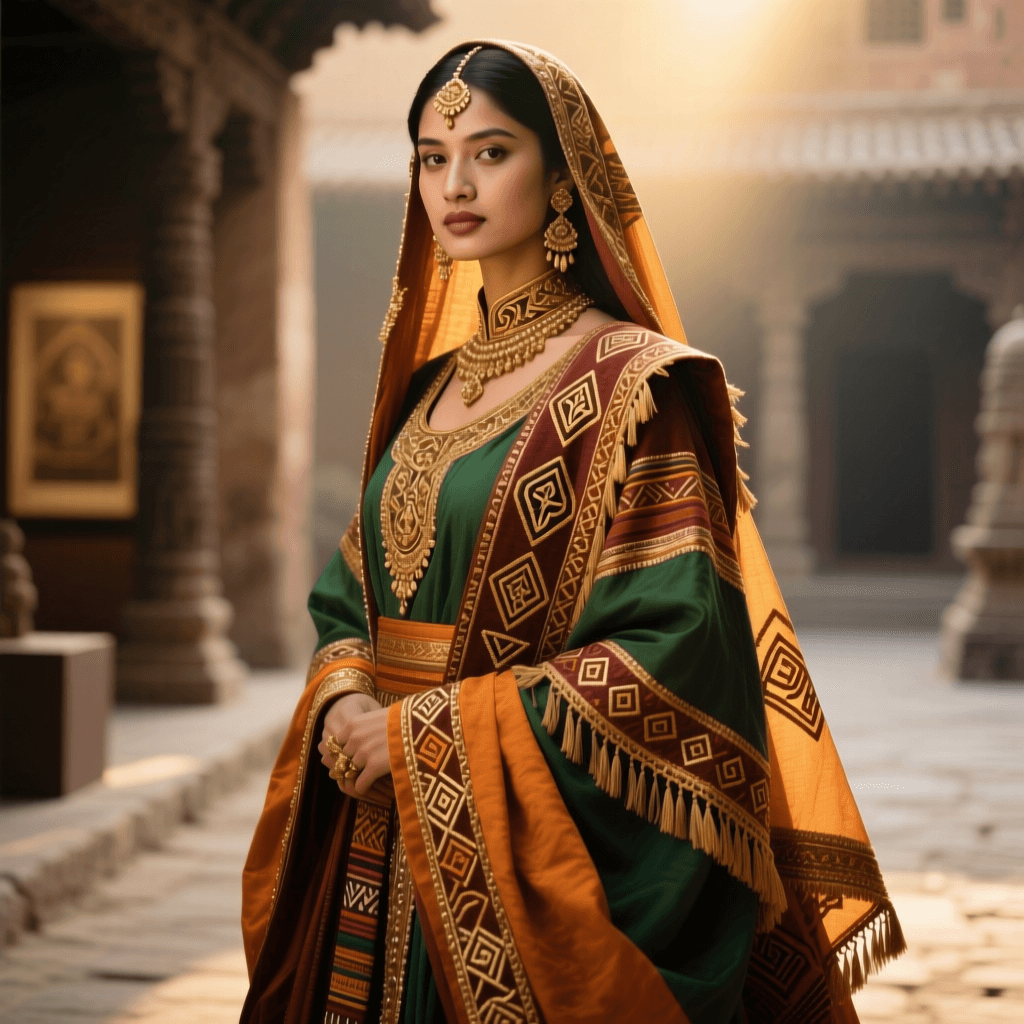
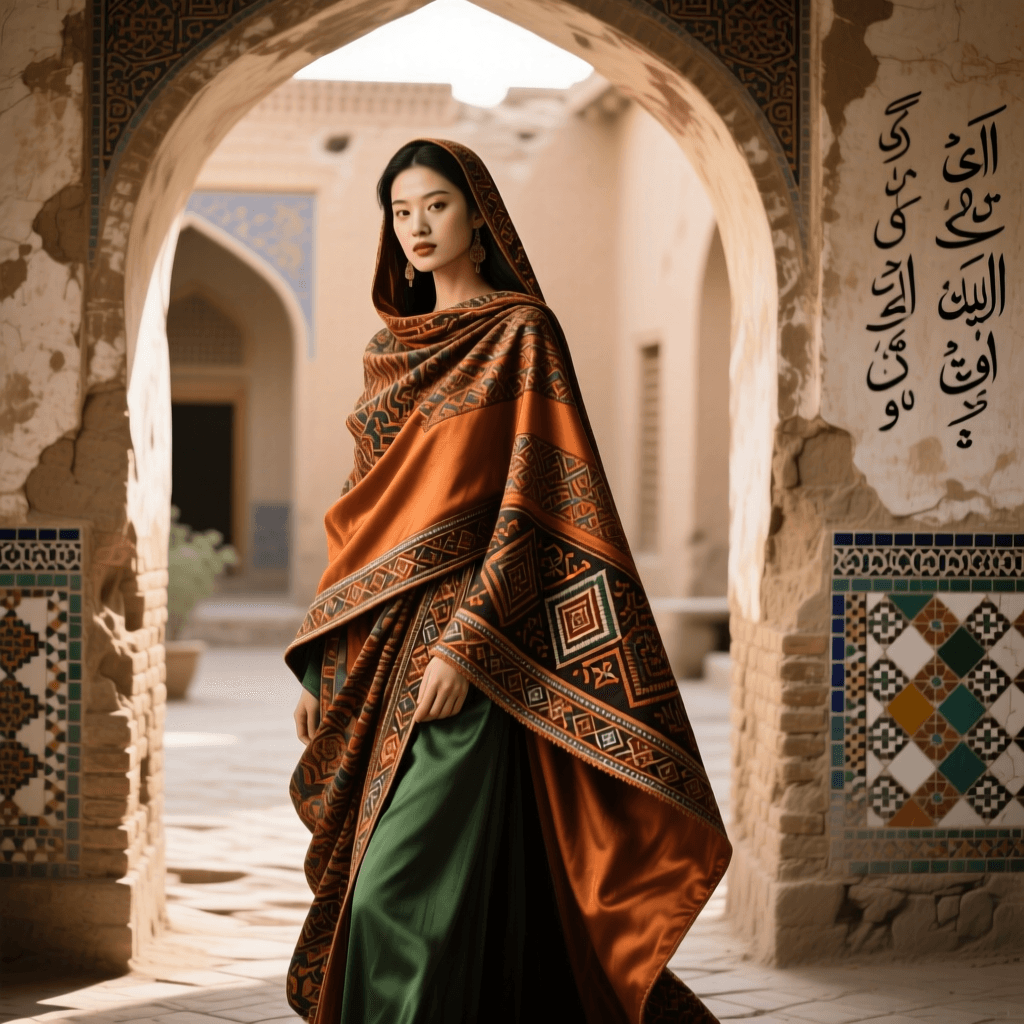
The colors, motifs, and materials chosen for these garments are rarely arbitrary. Red, derived from madder root or cochineal, is frequently utilized across disparate cultures to symbolize life force, vitality, and the blood of ancestry, serving as a shield against spiritual harm. Intricate embroidery, often placed at the hems, necklines, and cuffs of a garment, acts as a spiritual trap, designed to confuse or snare evil entities before they can reach the wearer’s body. By adorning the youth in these heavily coded textiles, the community weaves a protective circle around them.
Beyond spiritual protection, these garments serve as a public ledger of social status. They communicate to the broader community that the wearer is now eligible for marriage, capable of holding property, or ready to participate in the governance of the tribe. The sudden shift in traditional silhouettes—such as the binding of hair, the lengthening of a hemline, or the introduction of heavy metallic jewelry—instantly alters how the individual is perceived and treated by their peers and elders. The garment dictates the behavior expected of the new adult, enforcing the social contract through the very weight and restriction of the fabric.
Craftsmanship and the Art of Ceremonial Weaving
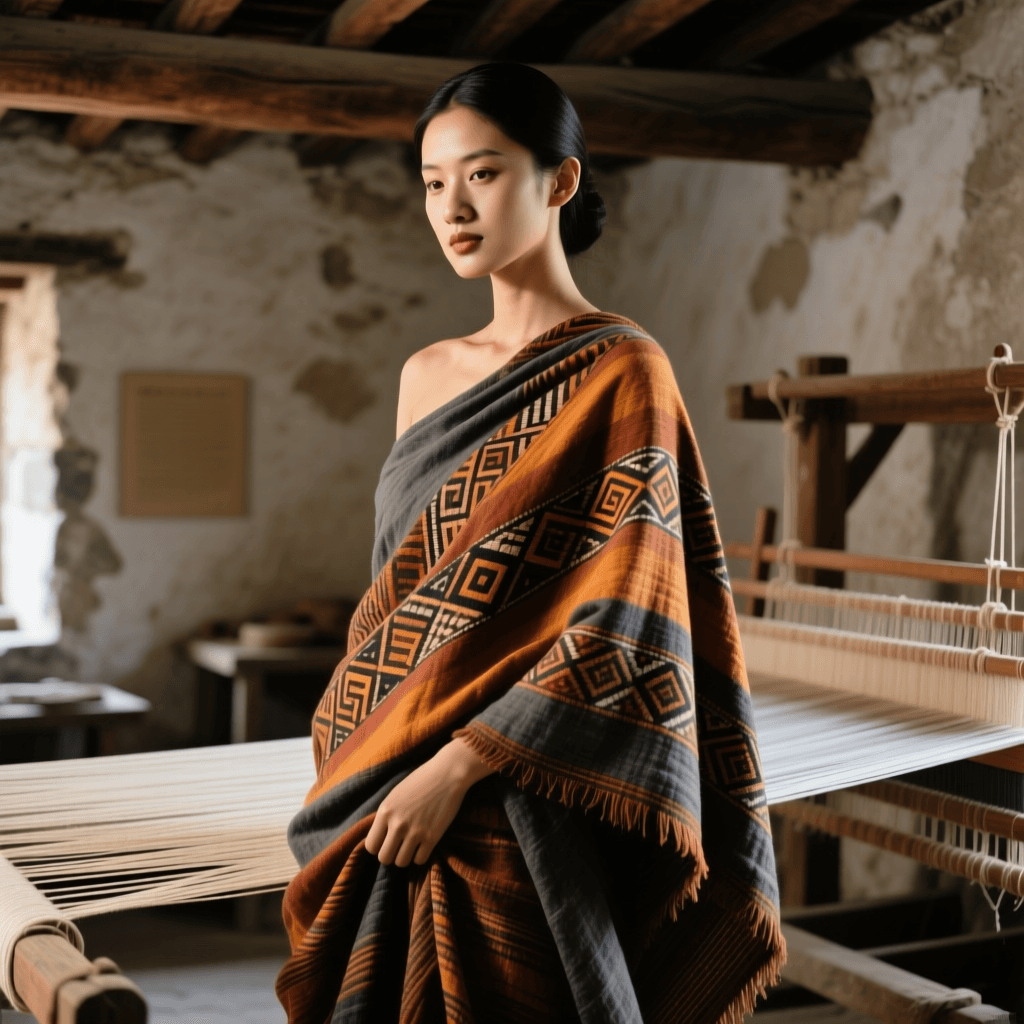
The creation of a coming-of-age garment is rarely a solitary endeavor; it is a communal investment in the future of the youth. In many indigenous and traditional societies, the weaving, dyeing, and embroidering of these textiles begin years, sometimes even decades, before the child reaches the age of initiation. The loom becomes a sacred space where the warp & weft of the fabric are intertwined with the prayers, songs, and ancestral wisdom of the women creating it.
The craftsmanship involved in these pieces represents the absolute zenith of a culture’s textile arts. Because the garment is meant to mark the most pivotal day in an individual’s life, no expense or effort is spared. Artisans & elders utilize the finest available materials: hand-reeled silk, spun vicuña wool, or meticulously beaten bark cloth. The use of natural dyeing techniques is paramount, as synthetic dyes are often viewed as lacking the spiritual resonance and permanence required for a rite of passage.
In regions renowned for their ceremonial textiles, the patterns woven into the fabric are not merely decorative; they are a complex visual language. A specific geometric motif might denote the wearer’s specific clan, while a stylized animal might invoke the traits the youth is expected to embody, such as the cunning of the leopard or the endurance of the tortoise. The transmission of these patterns from mother to daughter, or from master weaver to apprentice, ensures that the cultural DNA of the community is preserved. When the youth finally dons the garment, they are quite literally wrapping themselves in the accumulated skill and love of their ancestors.
Regional Variations in Rite of Passage Attire
While the psychological and social functions of coming-of-age garments are universal, their physical expressions are as diverse as the landscapes from which they emerge. Examining these regional variations offers a fascinating glimpse into how different societies conceptualize maturity, gender, and community belonging.
East Asia: The Elegance of the Furisode and Hanbok
In Japan, the transition to adulthood is famously marked by the Seijin no Hi (Coming of Age Day). For young women, the quintessential garment is the furisode, a type of kimono distinguished by its dramatically long, swinging sleeves. Historically, the length of the sleeves was believed to ward off evil spirits by sweeping them away, while also serving as a highly visible signal of the wearer’s unmarried status and youth. The silk brocades are heavily embroidered with auspicious motifs like cranes, pine trees, and plum blossoms, representing longevity, resilience, and beauty. Upon marriage, the sleeves are traditionally shortened, signifying the transition from a youth of possibility to a married woman of settled responsibilities.
Similarly, in Korea, traditional coming-of-age ceremonies involve the donning of formal hanbok. For women, the ceremony historically included the gyerye, where the girl’s hair, previously worn in a single braid, is pinned up in a chignon and adorned with a jokduri (a ceremonial crown) and a daenggi (a silk ribbon). The vibrant colors and structured traditional silhouettes of the hanbok immediately elevate the wearer’s physical presence, demanding a new level of respect and decorum.
Latin America: The Quinceañera and Court Traditions
In Latin American cultures, the Quinceañera marks a girl’s fifteenth birthday, symbolizing her transition from childhood to young womanhood. The centerpiece of this celebration is the Quinceañera dress, a garment that has evolved significantly over time. Historically rooted in the European court presentation traditions introduced during the colonial era, the dress was originally a modest, white gown symbolizing purity and readiness for society. Today, it has blossomed into a spectacular display of personal expression, featuring voluminous ballgown skirts, intricate beadwork, and a kaleidoscope of colors.
The garment is intimately tied to the choreography of the ceremony. The ritual of the “changing of the shoes,” where the father replaces the young woman’s flat slippers with high heels, is a physical elevation that mirrors the social elevation provided by the dress. The Quinceañera gown is a modern heirloom, often preserved with immense care and sometimes passed down or repurposed, bridging the gap between ancestral expectations and contemporary identity.
Sub-Saharan Africa: Beadwork, Blankets, and Age-Sets
Across Sub-Saharan Africa, coming-of-age garments are deeply tied to the concept of “age-sets”—groups of individuals who pass through life stages together. Among the Xhosa people of South Africa, male initiation is a profound journey into the bush, culminating in the wearing of the umbhako, a traditional initiation blanket. The specific geometric patterns, colors, and borders of the umbhako are strictly codified, instantly communicating the wearer’s clan, status, and the fact that he has successfully completed his transition to manhood. The blanket is often paired with the application of white clay or ochre, creating a striking visual contrast that separates the initiate from the mundane world.
For the Maasai of East Africa, indigenous beadwork is the primary marker of age and social standing. As Maasai youth transition into the moran (warrior) age-set, their adornments shift dramatically. The intricate, multi-colored beaded collars and earrings are not just beautiful; they are a complex code. Red beads signify bravery and the blood of the community, white represents peace and health, and green denotes the land and sustenance. The sheer weight and sound of the beadwork announce the presence of the new adult, demanding respect and acknowledging their new role as protectors of the community.
Indigenous North America: Ribbon Skirts and Vision Quest Regalia
Among the Indigenous peoples of North America, coming-of-age garments are deeply intertwined with spiritual awakening and the natural world. For many Plains and Woodland tribes, the vision quest is a pivotal rite of passage where a youth seeks spiritual guidance through fasting and isolation in nature. The regalia worn during and after this quest is highly personalized, often incorporating elements gifted by the spirits during the vision, such as specific feathers, animal claws, or quillwork patterns.
In recent decades, the ribbon skirt has emerged as a powerful, pan-Indigenous symbol of womanhood, resilience, and coming-of-age. Originally adapted from European trade cloth and ribbons, Indigenous women transformed these materials into garments of profound cultural significance. Today, the creation and gifting of a ribbon skirt to a young woman experiencing her first moon cycle is a widespread ceremony. The vibrant ribbons, sewn in cascading tiers, represent the connection between the wearer, her female ancestors, and the earth itself, serving as both a celebration of maturity and an act of cultural reclamation.
Modern Preservation and the Evolution of Heritage Wear
In an era increasingly dominated by fast fashion and globalized homogenization, the preservation of coming-of-age garments faces significant challenges. The mass production of cheap, synthetic alternatives to traditional ceremonial wear threatens to sever the deep, ancestral connections embedded in hand-woven textiles. When a Quinceañera dress or a ceremonial kimono is purchased off the rack from a fast-fashion retailer, the communal act of creation and the spiritual weight of the materials are often lost.
However, a powerful counter-movement is underway. Diaspora communities, cultural heritage organizations, and young indigenous designers are actively working to reclaim and revitalize these traditions. There is a growing emphasis on “slow fashion” and the support of local artisans & weavers who maintain traditional loom techniques and natural dyeing practices. Workshops dedicated to preserving vintage textiles are teaching younger generations how to care for ancestral garments, ensuring that family heirlooms survive to be worn by future initiates.
Furthermore, the definition of these garments is evolving. Modern youth are finding ways to integrate traditional elements into contemporary wardrobes, blending the old with the new to reflect their dual identities. A young woman might pair a traditional Maasai beaded collar with modern attire, or a Native American youth might wear a ribbon skirt to a university graduation. This adaptation is not a dilution of the heritage, but rather a testament to its vitality. By allowing the garments to breathe and evolve, communities ensure that the fabric of adulthood remains relevant, resilient, and deeply meaningful for generations to come.
Frequently Asked Questions
What defines a coming-of-age garment?
A coming-of-age garment is a specific article of clothing or adornment worn during a cultural rite of passage that marks the transition from childhood to adulthood. These garments are defined by their heavy symbolic weight, their use of specific colors or motifs denoting maturity, and their role in publicly signaling a change in the wearer’s social, spiritual, and marital status within their community.
How are traditional transition garments preserved today?
Preservation efforts involve a combination of museum archiving, community-led weaving workshops, and digital documentation of patterns and techniques. Many families treat these garments as sacred heirlooms, utilizing specialized preserving vintage textiles methods to protect them from light, moisture, and pests. Additionally, a new generation of heritage designers is reviving traditional techniques, ensuring the skills required to create these garments are passed down.
Why do some cultures use specific colors for rites of passage?
Colors in traditional textiles are rarely chosen for mere aesthetics; they are deeply symbolic. Red is universally associated with life force, blood, and protection against evil spirits. White often symbolizes purity, spiritual clarity, and a blank slate for the future. Indigo and black can represent wisdom, the night sky, and the depth of ancestral knowledge. The specific dyes used, derived from local flora and minerals, also root the wearer deeply in their native landscape.
Are coming-of-age garments only for women?
While highly elaborate dresses and gowns for women (such as the Quinceañera or the furisode) often receive more mainstream visibility, coming-of-age garments for men are equally significant. Examples include the Xhosa initiation blanket, the historical European practice of “breeching” (where boys transitioned from dresses to trousers), and the specific beadwork and shuka wraps of Maasai warriors. These male garments emphasize themes of protection, provision, and the assumption of communal leadership.
How can I incorporate heritage transition wear into modern wardrobes?
Incorporating heritage wear into daily life is a beautiful way to honor one’s ancestry. This can be achieved by integrating specific elements, such as wearing a traditional beaded necklace, a hand-embroidered sash, or a modernized ribbon skirt, alongside contemporary clothing. The key is to understand the cultural context and sacredness of certain motifs, ensuring that the integration is done with respect, authenticity, and a deep appreciation for the history & anthropology behind the textile.