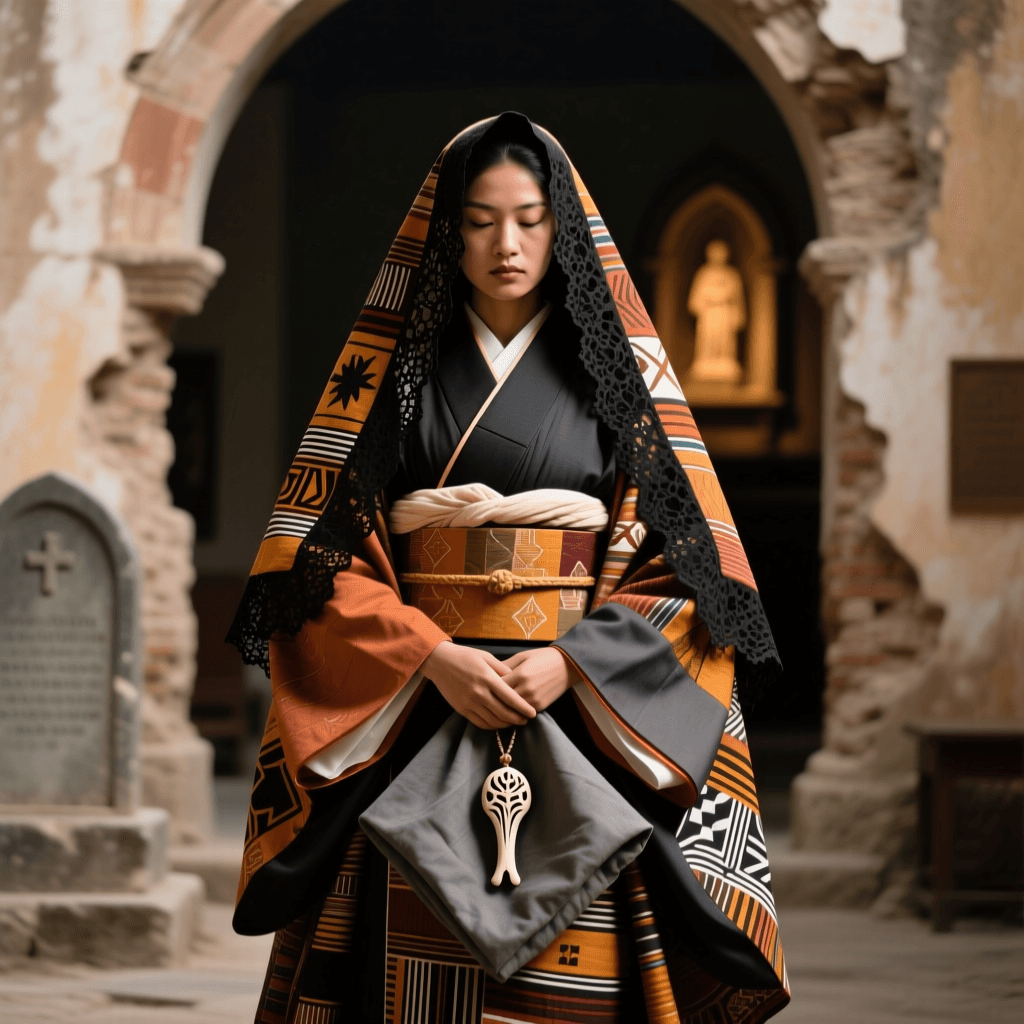
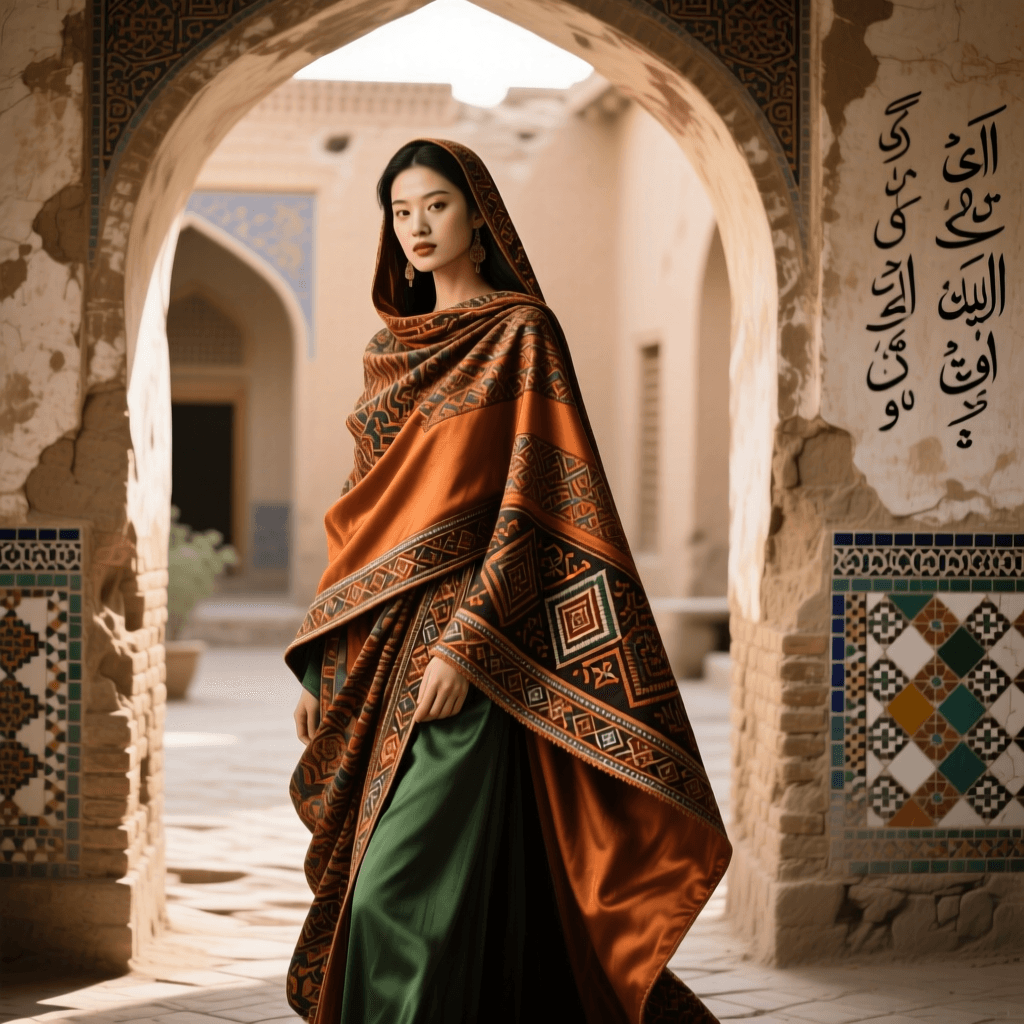
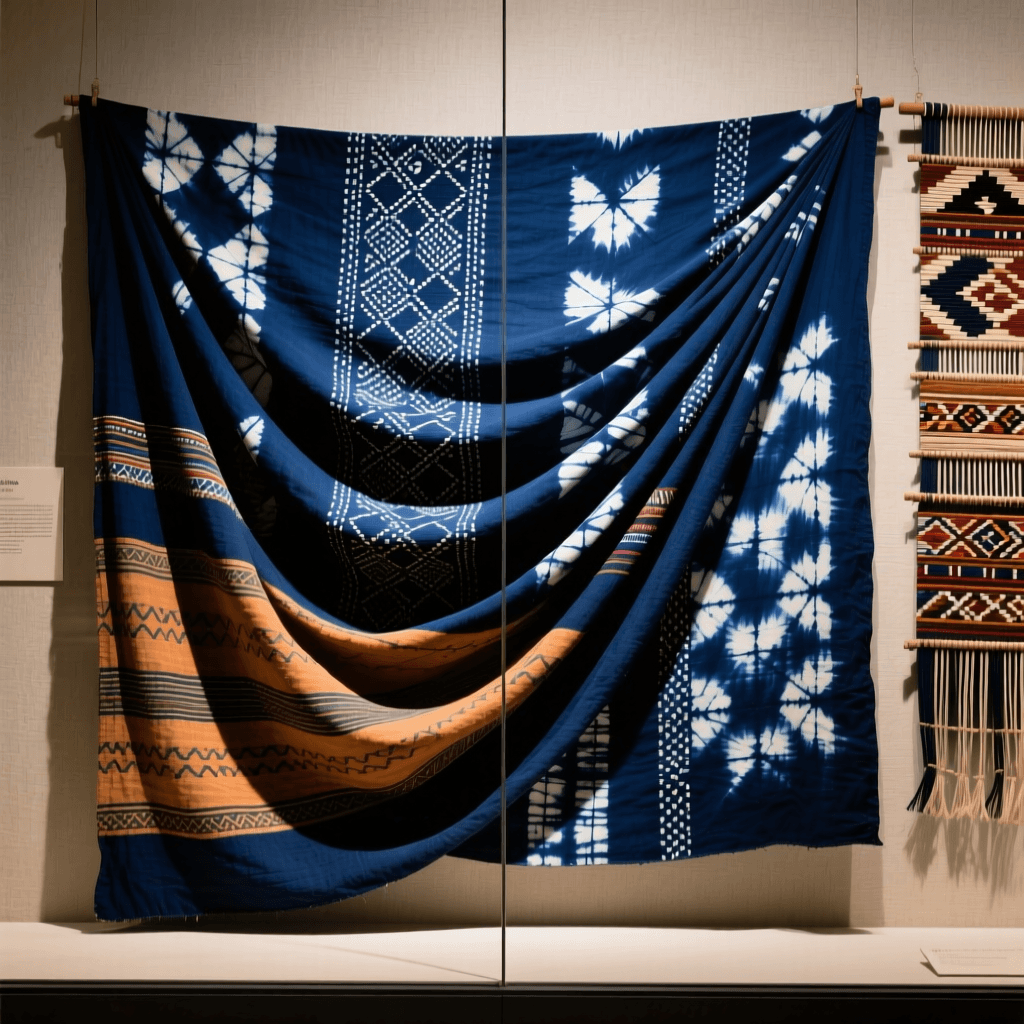
The Heritage of Ceremonial Wedding Attire: A Global Tapestry of Tradition
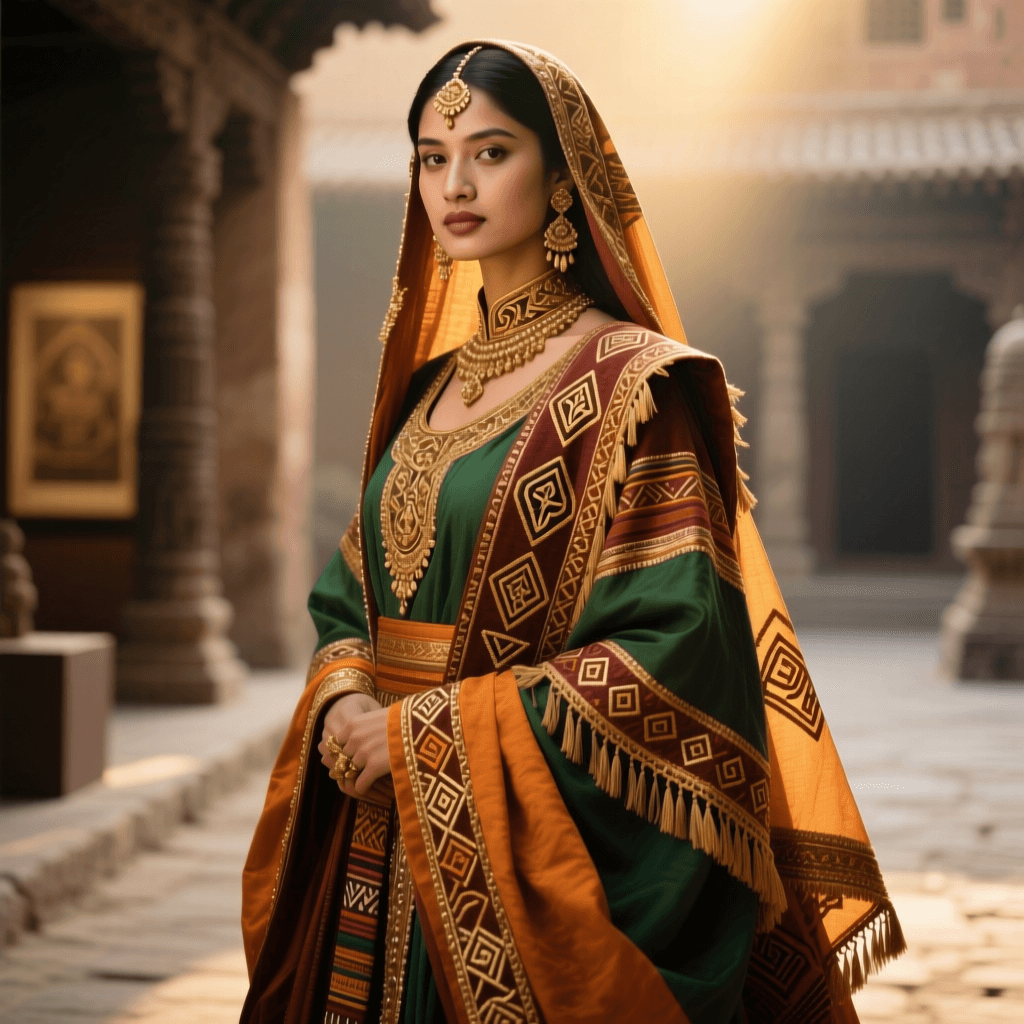
The act of joining two lives in matrimony is one of the most profound and universally celebrated rites of passage in human history. Across continents and centuries, the transition from single life to a united partnership has been marked not only by vows and rituals but by the profound symbolism of ceremonial wedding attire. Long before the advent of modern fashion industries, communities around the world developed intricate, highly specialized garments to honor the sacred nature of marriage. These garments were never merely decorative; they served as visual manifestos of cultural identity, spiritual protection, familial alliance, and societal status. To study the history of wedding clothing is to study the very fabric of human civilization, revealing how different societies conceptualize love, duty, prosperity, and the divine.
Historically, a wedding was often the most significant public appearance a person would make in their lifetime. Consequently, families would invest a staggering portion of their wealth and resources into the creation of bridal and groom wear. The textiles chosen, the dyes utilized, and the motifs embroidered upon the fabric were all carefully curated to invoke blessings upon the newlywed couple. From the heavy, gold-woven brocades of ancient dynasties to the meticulously woven strip-cloths of West African kingdoms, ceremonial wedding attire represents the absolute zenith of a culture’s artistic and artisanal capabilities. In this comprehensive exploration, we delve into the deep heritage of matrimonial garments, examining the cultural significance, masterful craftsmanship, regional variations, and the ongoing efforts to preserve these sartorial masterpieces for future generations.
The Cultural Significance of Matrimonial Garments
Ceremonial wedding attire operates as a powerful visual language, communicating volumes about the wearer’s heritage, spiritual beliefs, and social standing before a single word is spoken. In almost every traditional society, the colors and motifs selected for a wedding garment are steeped in centuries of folklore and cosmological significance. For a deeper understanding of how these patterns communicate across generations, one must look to the broader symbolism in traditional textiles, where every thread carries a specific intention or prayer.
Color theory in historical wedding dress varies dramatically from region to region, challenging the modern, Western-centric assumption that white is the universal standard for matrimony. In many East Asian and South Asian cultures, red is the paramount color of wedding attire. Red is intrinsically linked to fire, the sun, and the life force; it is believed to possess apotropaic qualities, meaning it actively wards off evil spirits and misfortune while inviting luck, joy, and prosperity into the new household. Conversely, in various West African traditions, vibrant combinations of gold, green, and deep indigo are favored to represent fertility, spiritual growth, and royal lineage. White, while popularized in the West during the Victorian era as a symbol of purity, was historically a color of mourning in several Eastern cultures, though it was also used in specific Japanese Shinto ceremonies to denote spiritual purity and the bride’s willingness to be