The Tapestry of Grief: A Global History of Funeral Dress Customs
The Tapestry of Grief: A Global History of Funeral Dress Customs
Death is the great equalizer of the human condition, yet the garments we wear to confront it are deeply stratified, culturally specific, and rich with symbolic meaning. Across the globe and throughout history, humanity has relied on textiles to process grief, signal loss to the community, and navigate the perilous spiritual boundary between the living and the dead. Funeral dress customs represent one of the most profound intersections of mortality and material culture. Far from being mere clothing, mourning attire acts as a shield for the bereaved, a visual language of sorrow, and a ritualistic tool that guides individuals through the liminal space of loss.
The study of funeral garments offers a unique lens into the social structures, economic systems, and spiritual beliefs of diverse civilizations. From the heavy, light-absorbing silks of the Western world to the unbleached, rough-spun hemp of Eastern traditions, the wardrobe of sorrow is as varied as it is deeply intentional. In this comprehensive exploration of traditional textiles and mourning customs, we unravel the complex history of funeral dress, examining how different cultures have woven their grief into the very fabric of their garments.
The Cultural Significance of Mourning Attire
To understand the cultural significance of funeral dress, one must look through the anthropological framework of rites of passage. When an individual passes away, the surviving family and friends enter a liminal state—a transitional period where they are separated from their normal social roles but have not yet reintegrated into society as the bereaved. Mourning attire serves as a uniform for this liminality. It instantly communicates to the wider community that the wearer is in a state of vulnerability, requiring patience, respect, and a suspension of ordinary social expectations.
Historically, funeral dress also served a deeply spiritual and protective function. In many ancient cultures, it was believed that the spirits of the dead could linger among the living, potentially causing harm or attempting to draw the living into the afterlife. By donning specific garments, mourners could disguise themselves from wandering spirits or signal their reverence to the departed. In some traditions, the heavy veils and concealing drapes of mourning attire were designed not just to hide the tear-stained faces of the bereaved, but to act as a physical barrier against malevolent spiritual forces.
Furthermore, mourning dress has long been intertwined with social hierarchy and sumptuary laws. In many historical societies, the depth of one's grief was legally and socially mandated by the closeness of the relationship to the deceased, as well as the social standing of the family. The duration of the mourning period, the quality of the fabrics, and the specific accessories permitted were all strictly codified. This visible display of grief was a marker of respectability, wealth, and social cohesion, proving that the deceased was valued and that the family possessed the means to honor them properly through the deliberate withdrawal from vibrant, everyday life.
Craftsmanship and Materials in Funereal Garments
The creation of mourning attire required specialized craftsmanship and a deep understanding of textile manipulation. In the Western tradition, particularly during the zenith of mourning culture in the nineteenth century, the defining characteristic of funeral dress was the absolute absence of shine. Light-reflecting fabrics were considered joyous and inappropriate for the solemnity of grief. This led to the immense popularity of mourning crepe, a highly specialized fabric that became the cornerstone of the bereaved wardrobe.
Mourning crepe was typically woven from silk or wool, but its unique properties were achieved through a rigorous post-weaving process. The fabric was heavily gummed, crimped, and dyed a deep, matte black. The resulting textile was stiff, heavy, and entirely devoid of luster. The physical weight and discomfort of mourning crepe were not accidental; the scratchy, oppressive nature of the fabric was widely considered a physical manifestation of the internal pain and burden of grief. The production of this specialized material became a massive industry, with entire mills dedicated solely to the gumming and crimping processes required to achieve the perfect matte finish.
Beyond the primary garments, the craftsmanship of mourning extended to accessories and mourning jewelry. Because shiny metals and sparkling gemstones were forbidden during deep mourning, artisans developed remarkable alternatives. Vulcanite, a hardened rubber, was carved into intricate brooches and buttons. Cut steel and dark glass were faceted to catch minimal light without sparkling. French jet, a type of black glass, was meticulously molded to imitate precious stones. Perhaps the most intimate of these crafts was hairwork, where the woven locks of the deceased were encased in gold or black enamel, allowing the bereaved to carry a literal piece of their loved one close to their heart.
In contrast, Eastern traditions relied on the deliberate lack of refinement in their materials to signify grief. The use of raw, unbleached hemp and rough cotton was paramount. The craftsmanship here lay not in the embellishment or the chemical alteration of the fabric, but in its deliberate roughness. The frayed edges, the lack of hemming, and the stiff, uncomfortable weave of the hemp were designed to strip the mourner of worldly comforts, reflecting a spiritual detachment from the material world and a return to a state of raw, unadorned humanity.
Regional Variations: A Global Spectrum of Sorrow
While the impulse to mark death through clothing is universal, the visual language of mourning varies dramatically across the globe. The colors, silhouettes, and rituals surrounding funeral dress are deeply rooted in regional philosophies regarding life, death, and the afterlife.
The Western Tradition: The Codification of Black
The association of black with mourning in the West has roots in the Roman Empire, where magistrates and citizens would don dark togas to signify public grief. However, it was during the Victorian era that black mourning attire was elevated to a complex, highly regulated social science. The Western mourning wardrobe was divided into distinct stages: deep mourning, second mourning, and half-mourning. Deep mourning required the wearer to be clad entirely in black, utilizing matte fabrics like bombazine, paramatta, and crepe, with no jewelry other than jet or hairwork. As the mourner transitioned into second mourning, touches of white were introduced at the cuffs and collars, and dull silks were permitted. Finally, half-mourning allowed for the introduction of muted colors like grey, lavender, and purple, signaling the wearer's gradual return to society. You can explore more about this fascinating era in our guide to Victorian mourning attire.
The Eastern Tradition: The Purity of White
In stark contrast to the West, many Eastern cultures, including China, India, Japan, and parts of Southeast Asia, utilize white as the primary color of mourning. In Hindu and Buddhist philosophies, white represents purity, spiritual liberation, and the shedding of earthly attachments. When a person passes, they are returning to the elemental state, and the mourners wear unbleached white cotton to signify their own detachment from the vibrant illusions of the material world. In traditional Chinese culture, the mourning system, known as Wufu, is incredibly intricate. It dictates five distinct degrees of mourning based on the mourner's kinship to the deceased. The closest relatives wear Zhan Cui, a rough, unhemmed hemp garment that is intentionally left raw and fraying to demonstrate the tearing of the mourner's heart. More distant relatives wear progressively finer grades of hemp, culminating in Si Ma, a fine hemp worn for three months. This system ensures that the entire social network's relationship to the deceased is visibly mapped through their garments.
Indigenous and African Traditions: Color, Earth, and Release
Across various African and Indigenous cultures, funeral dress customs often incorporate vibrant colors, natural earth pigments, and specific rituals regarding the destruction of the garments. In some Sub-Saharan African traditions, red ochre or specific red textiles are worn to represent the bloodline, the vitality of the ancestors, and the dangerous, powerful transition of the spirit. Among certain Indigenous groups in the Americas and Australia, the garments worn during the funeral rites are considered spiritually contaminated or too heavily burdened with the energy of the deceased. Consequently, these garments are often ritually burned, buried, or abandoned in the wilderness after the obsequies are complete. This deliberate destruction of the textiles is a crucial mechanism for severing the tie between the living and the dead, ensuring that the spirit moves on and the living are free to heal.
The Evolution and Modern Preservation of Mourning Dress
The rigid, expensive, and time-consuming mourning codes of the nineteenth and early twentieth centuries eventually collapsed under the weight of global upheaval. The catastrophic loss of life during the World Wars meant that entire nations were in a state of perpetual mourning. The societal infrastructure simply could not support the demand for specialized mourning crepe, nor could the collective psyche bear the sight of entire cities draped in heavy black veils. Consequently, mourning dress underwent a rapid democratization and simplification. The strict timelines and fabric mandates dissolved, giving way to the modern convention of simply wearing dark, conservative formal wear to funeral services.
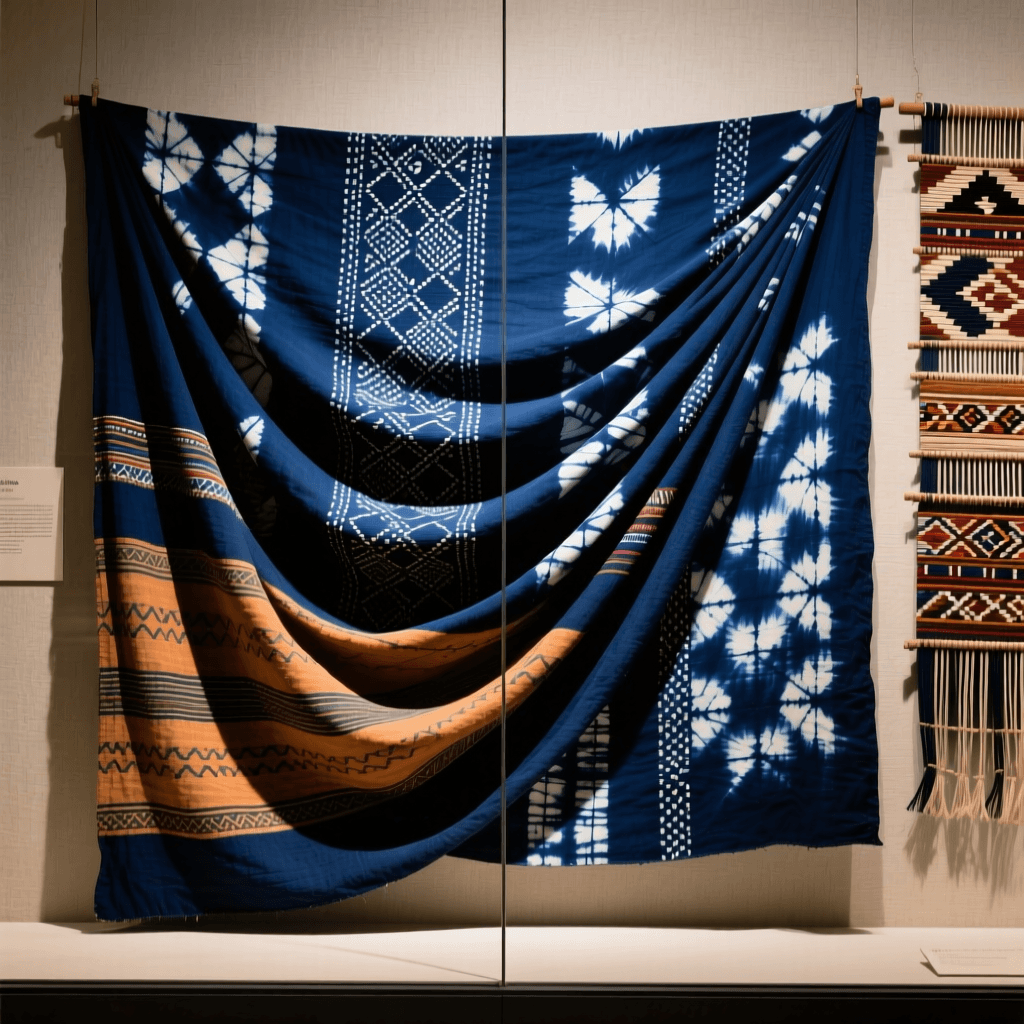
Today, the preservation of historical mourning garments presents a unique and formidable challenge for museum conservators and textile archivists. The very chemistry that made nineteenth-century mourning silks so perfectly matte and deeply black is now causing their destruction. To achieve the desired weight and drape, silk fabrics were often "weighted" using metallic salts, such as tin chloride. Over decades, these salts react with the moisture in the air, creating an acidic environment within the fibers. As a result, many surviving Victorian mourning gowns are suffering from "silk shatter," where the fabric literally disintegrates into dust at the slightest touch. Conservators must employ highly specialized, climate-controlled environments and custom-built supportive mounts to preserve these fragile artifacts of grief for future generations.
In the modern era, funeral dress customs are evolving once again. The rise of "celebrations of life" has shifted the sartorial focus away from uniform darkness and toward personalization. It is increasingly common for families to request that attendees wear the deceased's favorite color, or even vibrant, joyful patterns that reflect the personality of the departed. While the strict codification of the past has faded, the fundamental purpose of funeral dress remains unchanged: it is a tangible, woven expression of love, respect, and the enduring human need to externalize the invisible weight of grief.
Frequently Asked Questions About Funeral Dress Customs
Why is black the traditional color of mourning in the West?
In Western cultures, black is traditionally associated with the absence of light, symbolizing the darkness of loss and the withdrawal from the joy and vibrancy of everyday life. Historically, black dye was also incredibly expensive and difficult to produce in a deep, colorfast shade. Therefore, wearing black was a visible demonstration of wealth, status, and the profound sacrifice a family was willing to make to honor the deceased. Over centuries, this display of economic and emotional devotion became codified into the universal Western standard for funereal attire.
What cultures wear white to funerals and why?
White is the traditional color of mourning in many Eastern cultures, including China, India, Japan, and Korea. In these regions, white is deeply tied to spiritual philosophies regarding purity, rebirth, and the elemental nature of the universe. In Hinduism, white represents the shedding of material attachments and the purity of the soul as it prepares for reincarnation. In Chinese tradition, white is associated with the metal element, the autumn season, and the concept of endings and transitions. Wearing unbleached white cotton or rough hemp signifies a return to a raw, unadorned state of being in the face of mortality.
How long did historical mourning periods last?
Historical mourning periods varied drastically depending on the culture, the era, and the relationship to the deceased. In the strictest Victorian traditions, a widow was expected to observe deep mourning for a year and a day, followed by second mourning for nine months, and half-mourning for another six months. A widower, however, was typically only expected to mourn for three months. For the loss of a child or parent, the mourning period usually lasted a year, while the loss of a sibling or distant relative might require only a few weeks or months of modified dress.
What is the significance of mourning jewelry?
Mourning jewelry served as an intimate, portable memorial that allowed the bereaved to keep a physical connection to the deceased close to their body. During periods of deep mourning when flashy adornments were forbidden, mourning jewelry provided a socially acceptable outlet for personal expression. These pieces often incorporated black enamel, dark gemstones like jet or onyx, and most notably, the woven hair of the departed. Hair was considered a deeply personal and imperishable part of the human body, making it a powerful relic that symbolized the eternal nature of love and memory beyond physical death.
How have modern funeral dress codes changed?
Modern funeral dress codes have shifted away from the rigid, long-term mandates of the past toward short-term, practical expressions of respect. Today, mourners typically wear conservative, dark-colored formal attire solely for the duration of the funeral service or wake, returning to their everyday clothing immediately afterward. Furthermore, the modern trend of "celebrations of life" has introduced a highly personalized approach to funeral dress. It is now common for families to request that attendees wear specific colors, casual clothing, or even themed attire that reflects the hobbies, passions, and personality of the deceased, prioritizing joyful remembrance over traditional sartorial solemnity.