2026 Guide: Sourcing Indigenous Textiles in NYC & LA Districts
The Evolution of American Fashion Hubs in 2026
The American fashion landscape in 2026 is experiencing a profound renaissance, driven by a demand for cultural authenticity, ethical manufacturing, and sustainable supply chains. For designers, artisans, and cultural preservationists focusing on Americas and Indigenous clothing, the United States' primary manufacturing hubs—the New York City Garment District and the Los Angeles Fashion District—remain indispensable. However, navigating these dense urban labyrinths requires specialized knowledge, particularly when sourcing materials for Native American regalia, traditional Latin American garments, and contemporary Indigenous streetwear.
In 2026, both districts have adapted to post-pandemic supply chain shifts and new sustainability mandates. While fast fashion continues to dominate wholesale floors, a robust network of niche suppliers, importers, and ethical cut-and-sew factories has emerged to support Indigenous-owned brands and traditional artisans. This comprehensive guide will walk you through the specific streets, shops, and strategies for sourcing authentic materials for Americas and Indigenous garments in NYC and LA this year.
New York Garment District: Hub for Regalia and Beadwork
Centered in Midtown Manhattan, primarily between West 34th and West 42nd Streets, the NYC Garment District remains the premier destination for high-quality trims, beadwork supplies, and heavy wools essential for Native American regalia. Despite ongoing commercial real estate pressures, the 2026 zoning protections have successfully preserved the district's core textile and trim showrooms.
Key Materials and Where to Find Them
For creators building traditional ribbon shirts, jingle dresses, and beadwork moccasins, the NYC district offers unparalleled variety. Here is what you need to look for in 2026:
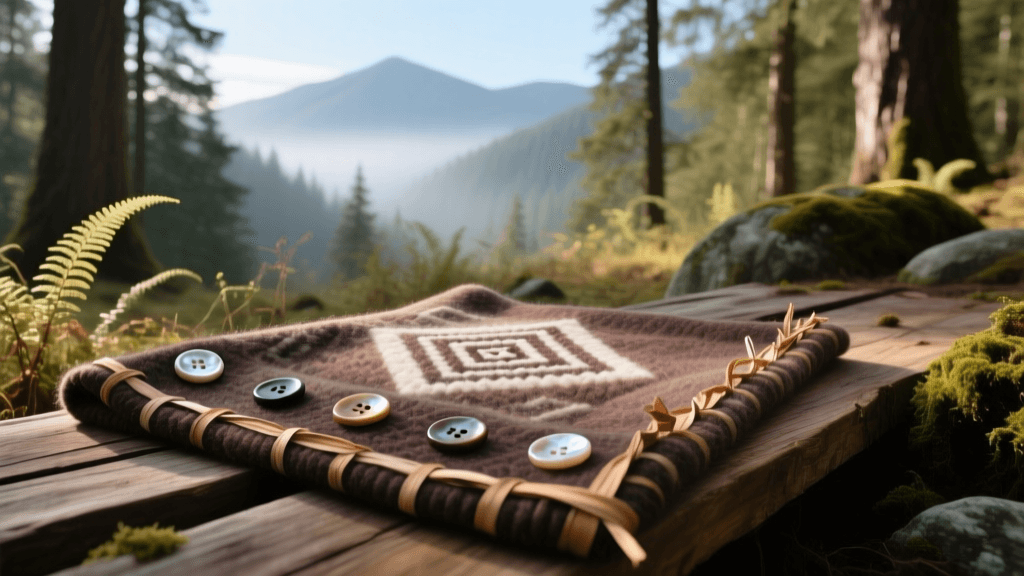
- Melton Wool and Broadcloth: Essential for traditional Native American dresses and leggings. Stores along West 39th Street, such as the iconic Mood Fabrics and B&J Fabrics, carry heavy-weight Melton wools and cotton broadcloths. In 2026, expect to pay between $25 and $45 per yard for premium, colorfast Melton wool suitable for intricate ribbon appliqué.
- Czech Seed Beads and Charlottes: High-quality glass beads are the lifeblood of Plains and Woodlands beadwork. While dedicated bead shops have migrated online, several trim and embellishment showrooms on West 38th Street still stock bulk hanks of Czech 11/0 and 13/0 seed beads, as well as metallic charlottes. Purchasing in bulk (by the kilo rather than the hank) can reduce costs by up to 30% for independent regalia makers.
- Metallic and Satin Ribbons: Ribbonwork, a hallmark of Osage, Potawatomi, and Myaamia traditional dress, requires specific double-faced satin and metallic ribbons. Mokuba, a legendary Japanese ribbon showroom located in the district, remains the gold standard in 2026 for colorfast, high-tensile ribbons that will not fray during the rigorous folding and sewing processes of traditional appliqué.
- Trade Cloth and Selvedge Denim: For historical reenactments and traditional everyday wear, sourcing unbleached cotton muslin and heavy selvedge denim is crucial. The lower floors of the district's wholesale buildings often house jobbers selling deadstock selvedge denim by the roll, perfect for contemporary Indigenous denim brands.
Los Angeles Fashion District: Latin American Textiles and Sustainable Manufacturing
Spanning over 100 blocks in downtown Los Angeles, the LA Fashion District is the undisputed epicenter for Latin American textile imports, sustainable dye houses, and contemporary cut-and-sew manufacturing. In 2026, California's strict supply chain transparency laws have forced many importers to provide verifiable proof of origin, making it easier for ethical designers to source authentic Latin American textiles without inadvertently supporting exploitative labor practices.
Sourcing Authentic Latin American Imports
For designers focusing on traditional Latin American garments—such as the Mexican huipil, the Andean aguayo, or contemporary interpretations of Oaxacan weaving—the LA district offers direct pipelines to artisan cooperatives.
- Maple Avenue and 9th Street Corridors: This area is densely packed with importers specializing in Mexican and Central American textiles. Here, you can find bolts of authentic manta (unbleached cotton), hand-embroidered cortes from Guatemala, and vibrant serape blankets. In 2026, verified fair-trade importers in this corridor use blockchain-tagged hangtags to prove the textiles were woven on traditional backstrap looms by indigenous cooperatives in Chiapas and Oaxaca.
- Andean Wools and Alpaca Blends: Several specialized knitwear and yarn showrooms on 11th Street stock imported Peruvian and Bolivian alpaca wools. These are highly sought after by contemporary Indigenous designers creating luxury winter outerwear that honors traditional Andean silhouettes.
- Sustainable Dye Houses: LA is home to some of the most advanced eco-friendly dye houses in the Americas. For designers looking to replicate traditional cochineal (red) and indigo (blue) dyes using modern, water-saving 2026 technology, the district's eco-certified dyers offer small-batch services with Minimum Order Quantities (MOQs) as low as 50 yards, a massive shift from the 500-yard MOQs of the past decade.
Comparison Chart: NYC vs. LA for Traditional Sourcing
Choosing between the East and West Coast hubs depends entirely on your specific garment focus. Below is a 2026 comparison to help you plan your sourcing trips.
| Feature | NYC Garment District | LA Fashion District |
|---|---|---|
| Primary Focus | Native American Regalia, Beadwork, Heavy Wools, Trims | Latin American Imports, Sustainable Manufacturing, Denim |
| Key Streets | W 38th St, W 39th St | Maple Ave, 9th St, 11th St |
| Price Point | Premium / High-End Wholesale | Value / Import-Heavy / Mid-Tier |
| MOQs (2026) | Low for trims/beads; High for custom weaves | Low for deadstock; Medium for eco-dyeing |
| Best For | Intricate embellishments, historical accuracy, ribbonwork | Woven textiles, cut-and-sew production, streetwear |
Ethical Sourcing and Cultural IP in 2026
As the appreciation for Indigenous and Latin American garments grows, so does the risk of cultural appropriation and counterfeit goods. In 2026, ethical sourcing is not just a moral imperative; it is a legal and brand-critical necessity. The Indian Arts and Crafts Board actively enforces the Indian Arts and Crafts Act, which prohibits misrepresenting goods as Native American-made. While the Act primarily governs finished art and craft products rather than raw textiles, ethical designers use the district to build transparent supply chains that honor traditional knowledge.
When sourcing in NYC or LA, always ask importers for the provenance of their textiles. If a vendor in LA claims a textile is a 'hand-woven Mayan huipil,' request documentation of the cooperative it originated from. The Council of Fashion Designers of America (CFDA) has recently expanded its sustainability and cultural IP guidelines, providing designers with frameworks to ensure that when they source traditional motifs or textiles, they are engaging in profit-sharing or direct partnerships with the originating Indigenous communities, rather than simply extracting cultural aesthetics.
Furthermore, the LA Fashion District official resources now include directories of certified minority-owned and Indigenous-owned wholesale businesses, making it easier for buyers to direct their capital back into the communities that originated these textile traditions.
Actionable Sourcing Checklist for Designers
Before you travel to NYC or LA in 2026, ensure you are prepared to navigate the fast-paced wholesale environment. Use this checklist to maximize your sourcing efficiency:
- Obtain a Resale Certificate: Most authentic wholesale showrooms in both districts will not sell to you at wholesale prices without a valid state resale certificate or business license. Register your LLC or sole proprietorship before your trip.
- Bring Physical Swatches and Pantone Books: When matching colors for traditional ribbonwork or Latin American embroidery, digital screens are insufficient. Bring physical fabric swatches and a current Pantone textile book to ensure the dyes match your exact requirements.
- Carry a Tape Measure and Fabric Scale: Wholesale fabric is often sold by the roll or by weight. A portable digital fabric scale and a heavy-duty tape measure will help you verify yardage and GSM (grams per square meter) on the spot.
- Negotiate Shipping Upfront: Heavy wools and bulk bead orders are expensive to ship. Many NYC and LA vendors have negotiated 2026 freight rates with regional carriers. Ask for their preferred freight forwarder to save up to 40% on LTL (Less Than Truckload) shipping back to your studio or reservation.
- Plan for Cash or Wire Transfers: While digital payments have improved, many old-school trim and import jobbers still offer a 5% to 10% discount for wire transfers or cash-on-hand for orders under $1,000.
Conclusion
The NYC and LA garment districts remain the beating hearts of American fashion manufacturing. For designers and artisans dedicated to the Americas and Indigenous categories, these hubs offer an irreplaceable tactile experience and access to world-class materials. By approaching these districts with a clear understanding of cultural ethics, specific material requirements, and the 2026 landscape of sustainable manufacturing, you can source the exact textiles needed to honor the past while innovating for the future of Indigenous and Latin American fashion.