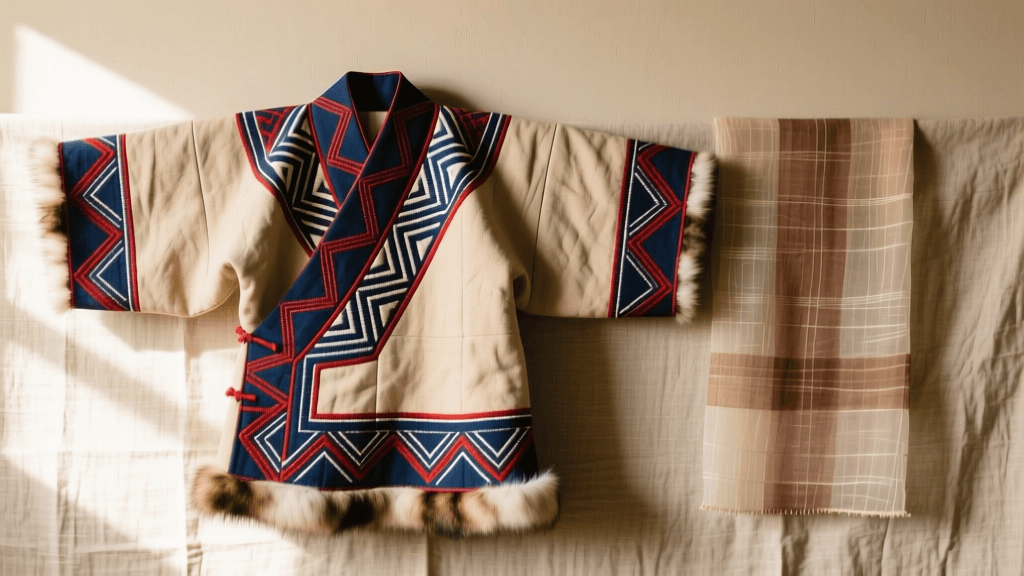
Top Hybrid Yuzen And Sashiko Workshops Japan 2026
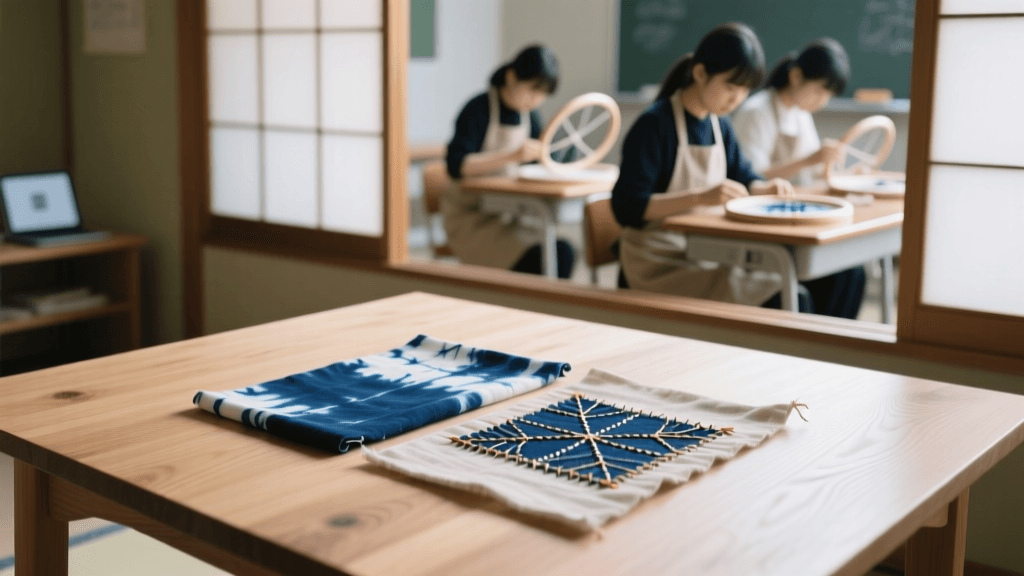
The Evolution of Traditional Japanese Textile Education in 2026
The landscape of traditional Japanese garment education has undergone a radical transformation by 2026. Historically, mastering intricate textile arts like Yuzen dyeing, Sashiko stitching, and Shibori required relocating to Japan for years of rigorous, in-person apprenticeships. Today, premier Japanese fashion and art institutions have pioneered hybrid learning models. These programs combine high-definition virtual studio sessions with globally shipped, curated physical material kits, allowing international students to learn authentic techniques from master artisans without leaving their home studios.
According to the Japan National Tourism Organization, the global demand for authentic, sustainable, and heritage-based fashion practices has surged, prompting top-tier schools to digitize their traditional craft archives and live-stream their workshops. This guide explores the most prestigious hybrid and online Japanese fashion school workshops available in 2026 for mastering traditional garment arts.
Top Hybrid and Online Programs for Traditional Garment Arts
Bunka Fashion College: Digital Sashiko and Pattern Making
Bunka Fashion College in Tokyo remains a vanguard in fashion education. For 2026, their Department of Traditional Crafts has introduced a 12-week hybrid masterclass focusing on Sashiko and Boro textile repair, integrated with modern zero-waste pattern making. The online component utilizes multi-angle 4K studio cameras, allowing remote students to observe the precise needle penetration angles and thread tensioning required for authentic Sashiko.
Students receive a bi-monthly physical kit containing vintage indigo-dyed cotton, authentic Sakiori weaving scraps, and specialized Sashiko needles forged in Hiroshima. The curriculum bridges the gap between Edo-period mending techniques and 2026 sustainable fashion design, teaching students how to apply these structural stitches to contemporary silhouettes.
Kyoto Seika University: Yuzen Dyeing Intensive
Kyoto is the undisputed heart of Kyo-Yuzen, the resist-dyeing technique used to create the vibrant, pictorial patterns on premium silk kimono. Kyoto Seika University has adapted this highly localized craft into a global hybrid intensive. Because traditional Yuzen requires access to specific river waters for washing (a process known as mizumoto), the 2026 virtual curriculum substitutes this with advanced, eco-friendly synthetic washing agents and closed-loop water filtration systems designed specifically for home studios.
The program begins with four weeks of online theory, covering the history of the Miyazaki Yuzensai designs and the chemistry of modern botanical resist pastes. Following this, the university ships a specialized Yuzen kit, including silk crepe (chirimen), copper stencils, and organic rice-paste resist. Live weekend workshops guide students through the itome-nori (outline tracing) and color insertion phases, with instructors providing real-time feedback via individual student webcam feeds.
Tokyo Zokei University: Sustainable Shibori and Natural Dyes
Focusing on the intersection of traditional craft and ecological responsibility, Tokyo Zokei University offers a premier online Shibori and natural dyeing certification. The 2026 syllabus emphasizes the cultivation and extraction of Japanese dye plants such as ai (indigo), kariyasu (Japanese yellow), and benibana (safflower). Students learn how to build and maintain a living indigo vat (sukumo) in a variety of global climates, utilizing smart-sensors included in the enrollment kit to monitor pH and temperature via a proprietary mobile app.
Comparison of 2026 Hybrid Textile Workshops
Selecting the right program depends on your specific design goals, budget, and spatial requirements. Below is a comparison of the top three hybrid traditional garment programs available this year.
| Institution | Primary Technique | Format | 2026 Tuition (USD) | Material Kit Included |
|---|---|---|---|---|
| Bunka Fashion College | Sashiko & Boro | 12-Week Hybrid | $2,450 | Yes (Shipped Bi-monthly) |
| Kyoto Seika University | Kyo-Yuzen Resist Dyeing | 8-Week Intensive | $3,100 | Yes (Single Comprehensive Kit) |
| Tokyo Zokei University | Shibori & Natural Dyes | 16-Week Certification | $3,800 | Yes (Includes Smart Vat Sensors) |
Essential Tools for the 2026 Virtual Textile Student
While the schools provide the core traditional materials, remote learners must invest in specific studio technology to ensure instructors can accurately critique their work. The standard 1080p webcam is no longer sufficient for the intricate detail required in Japanese textile arts.
- Overhead 4K Articulating Cameras: Brands like Elgato or OBSBOT offer 4K overhead rigs that allow instructors to see the exact weave of the fabric and the tension of the Sashiko running stitch. This is mandatory for Bunka's advanced pattern-making modules.
- Digital Colorimeters: For Yuzen and natural dye students, matching the precise shade of a master artisan's dye bath is critical. Handheld Bluetooth colorimeters that sync with the school's proprietary color-matching software are highly recommended.
- Specialized Thimbles and Needles: While kits include starter needles, advanced students should source authentic kakehari (tensioning hooks) and ring thimbles from specialized Japanese haberdasheries to maintain proper ergonomic form during long stitching sessions.
- High-CRI LED Lighting: Proper studio lighting is equally crucial. High-CRI (Color Rendering Index) LED panels are essential for Yuzen students to accurately perceive subtle shifts in dye saturation without the distortion caused by standard household bulbs. Positioning two diffused light sources at 45-degree angles eliminates shadows that can obscure the raised texture of resist paste during live critiques.
- AI Translation Earbuds: While many 2026 programs offer English localization, real-time AI translation earbuds allow students to catch the nuanced, untranslatable craft terminology and idiomatic expressions used by master artisans during live critiques.
How to Apply and Prepare for Your Masterclass
Admission to these elite hybrid programs is highly competitive. Unlike standard online courses, these workshops require a demonstration of foundational garment construction skills and a portfolio review. Here is how to prepare your application for the 2026 intake:
- Curate a Textile-Focused Portfolio: Admissions committees at Kyoto Seika and Bunka are looking for an appreciation of materiality. Include high-resolution macro photography of your previous sewing, embroidery, or dyeing projects. Highlight your understanding of fabric grain, drape, and structural integrity.
- Prepare Your Studio Space: Natural dyeing and resist pastes require specific environmental controls. Ensure your workspace has adequate ventilation, access to a utility sink, and a climate-controlled area for drying silk and curing indigo vats. Schools will require a virtual studio tour before shipping hazardous or sensitive materials internationally.
- Understand International Shipping Logistics: Some traditional materials, such as specific botanical dye extracts or animal-based sizing agents, are subject to strict 2026 international agricultural and customs regulations. The schools provide the necessary CITES and phytosanitary documentation, but students must ensure their local customs brokers are prepared to clear these specialized educational kits.
- Familiarize Yourself with Core Terminology: While translation tools are advanced, demonstrating a proactive effort to learn foundational Japanese craft vocabulary—such as jofu (high-quality linen), kasuri (ikat), and noribuse (resist covering)—shows respect for the lineage and will significantly strengthen your admissions interview.
'The hybrid model has not diluted the rigor of traditional Japanese craft education; rather, it has forced us to distill our teaching methods to their absolute essence. When a student in Paris or New York can achieve the perfect itome-nori line under the virtual gaze of a Kyoto master, we know the tradition is in safe hands for the next generation.'
— Dr. Kenjiro Sato, Director of Traditional Textile Innovation, Kyoto Seika University
Conclusion
The fusion of centuries-old Japanese garment traditions with cutting-edge 2026 educational technology has created an unprecedented opportunity for global fashion designers. Whether you are drawn to the meditative geometry of Sashiko, the vibrant storytelling of Kyo-Yuzen, or the organic alchemy of natural Shibori, Japan's top fashion schools are ready to welcome you into their digital and physical studios. By investing in a hybrid masterclass, you are not merely learning a technique; you are becoming a vital link in the continuous, evolving chain of Asian sartorial heritage.