Authentic Hutsul & Poltava Vyshyvanka Sourcing Guide 2026
The Renaissance of Eastern European Folk Dress in 2026
The global appreciation for slow fashion, artisanal craftsmanship, and cultural heritage has reached new heights in 2026. Among the most celebrated garments in the European folk dress canon is the vyshyvanka, the traditional embroidered shirt of Ukraine and neighboring Slavic regions. Far from being a mere historical artifact, the vyshyvanka is a living textile tradition. Today, contemporary artisans are reviving ancestral techniques, utilizing hand-spun linen, and returning to natural botanical dyes. For collectors, cultural enthusiasts, and conscious consumers, understanding the distinct regional variations of these garments is essential. This guide focuses on two of the most iconic and highly sought-after regional styles: the vibrant, geometric Hutsul tradition of the Carpathian Mountains and the ethereal, white-on-white Poltava tradition of central Ukraine.
According to textile historians and cultural institutions like the encyclopedic archives on the Vyshyvanka, the garment serves as a visual language. Every stitch, color, and motif carries specific symbolism related to protection, fertility, and the natural world. As demand for authentic pieces surges in 2026, the market has also seen an influx of mass-produced, machine-made imitations. Learning to distinguish true heritage craftsmanship from fast-fashion replicas is the first step in building an authentic Eastern European folk dress collection.
Decoding Regional Patterns: Hutsul vs. Poltava
The beauty of Slavic and Eastern European folk dress lies in its hyper-local specificity. A garment's origin can be identified not just by its cut, but by the precise mathematical geometry of its embroidery and the fibers used in its creation.
The Hutsul Tradition: Carpathian Geometry and Color
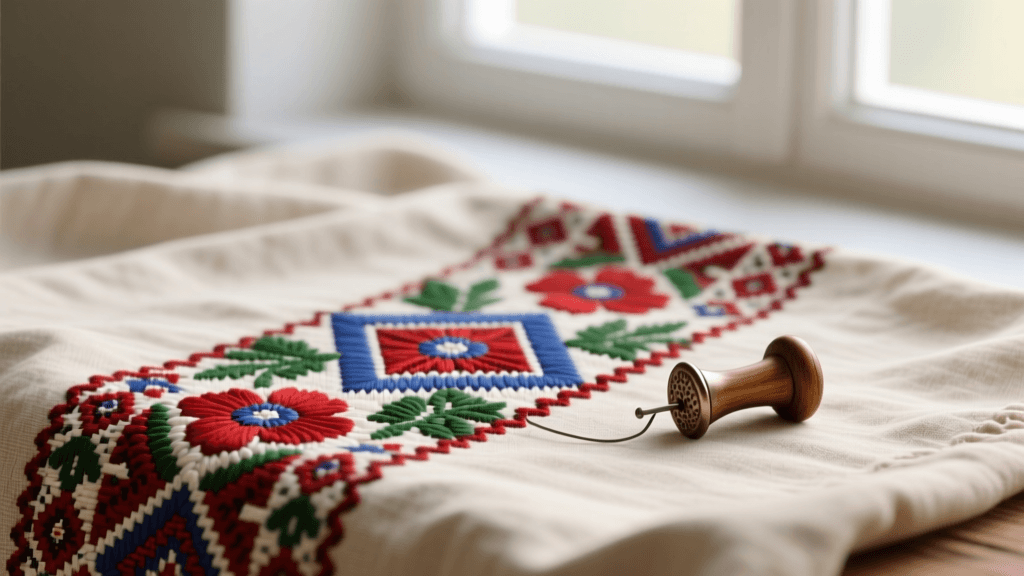
The Hutsul people, an ethnographic group inhabiting the Carpathian Mountains, are renowned for their bold, intricate, and highly colorful embroidery. Hutsul vyshyvankas are characterized by dense geometric patterns, including rhombuses, stars, and complex rosettes. The traditional color palette is striking, heavily featuring deep reds, blacks, vibrant greens, and bright yellows. In 2026, top-tier Hutsul artisans have increasingly returned to using natural dyes, such as madder root for reds and onion skins for yellows, elevating the value and authenticity of the garments.
The primary stitch used in Hutsul embroidery is the nyzynka (surface darning), which creates a reversible, woven-like geometric pattern on the front of the fabric. Another common technique is the cross-stitch, though traditional Hutsul cross-stitch is executed with such precision that the reverse side of the fabric looks nearly as neat as the front. The motifs often represent the harsh but beautiful mountain environment, with stylized pine trees, snowflakes, and solar symbols designed to protect the wearer from the elements and evil spirits.
The Poltava Tradition: Ethereal White-on-White
In stark contrast to the vibrant Carpathian styles, the Poltava region in central Ukraine is famous for its sophisticated bil po bilomu (white-on-white) embroidery. This technique relies on texture, shadow, and light rather than color to create its breathtaking visual impact. Poltava embroidery is considered one of the most technically demanding styles in Eastern European folk dress, requiring hundreds of hours of meticulous hand-stitching.
Artisans in the Poltava region utilize a combination of over 100 different stitches, with the satin stitch, cutwork (merezhka), and drawn-thread work being the most prominent. The motifs are largely botanical and floral, featuring stylized guelder rose branches (kalyna), oak leaves, and hops. The subtle interplay of raised satin stitches against the open, lace-like gaps of the cutwork creates a sculptural, three-dimensional effect on the linen. In 2026, authentic Poltava white-on-white shirts are highly prized as luxury heritage garments, often commissioned months in advance from master embroiderers.
2026 Comparison Chart: Hutsul vs. Poltava Vyshyvanka
When sourcing authentic pieces this year, it is crucial to understand the material and technical differences between these two dominant styles. The following table outlines the key characteristics and current 2026 market expectations for authentic, hand-embroidered garments.
| Feature | Hutsul (Carpathian) | Poltava (Central) |
|---|---|---|
| Primary Colors | Red, black, green, yellow | White-on-white (unbleached linen) |
| Key Stitches | Nyzynka, cross-stitch, curly stitch | Satin stitch, merezhka (cutwork) |
| Motif Themes | Geometric, solar, mountain flora | Botanical, floral, vines, kalyna |
| Fabric Base | Hand-woven hemp or heavy linen | Fine, lightweight hand-spun linen |
| Avg. 2026 Price (Authentic) | $350 - $600 USD | $500 - $1,200+ USD |
| Production Time | 40 - 80 hours | 100 - 300+ hours |
Sourcing Authentic Pieces in 2026
The digital marketplace in 2026 offers unprecedented access to Eastern European artisans, but it also requires a discerning eye. To ensure you are purchasing a genuine piece of cultural heritage rather than a factory-made replica, follow these actionable sourcing guidelines:
- Verify the Artisan's Process: Authentic sellers will provide detailed photographs of the reverse side of the embroidery. Hand-embroidered Hutsul nyzynka and Poltava cutwork have distinct, relatively neat reverse sides, whereas machine embroidery often shows a chaotic web of connecting threads or a thick, synthetic backing.
- Inspect the Fabric: True heritage garments are stitched on natural fibers. Look for the irregularities of hand-woven or high-quality European flax linen. If the fabric has a synthetic sheen or lacks the natural slubs of flax, it is likely a modern, mass-produced blend.
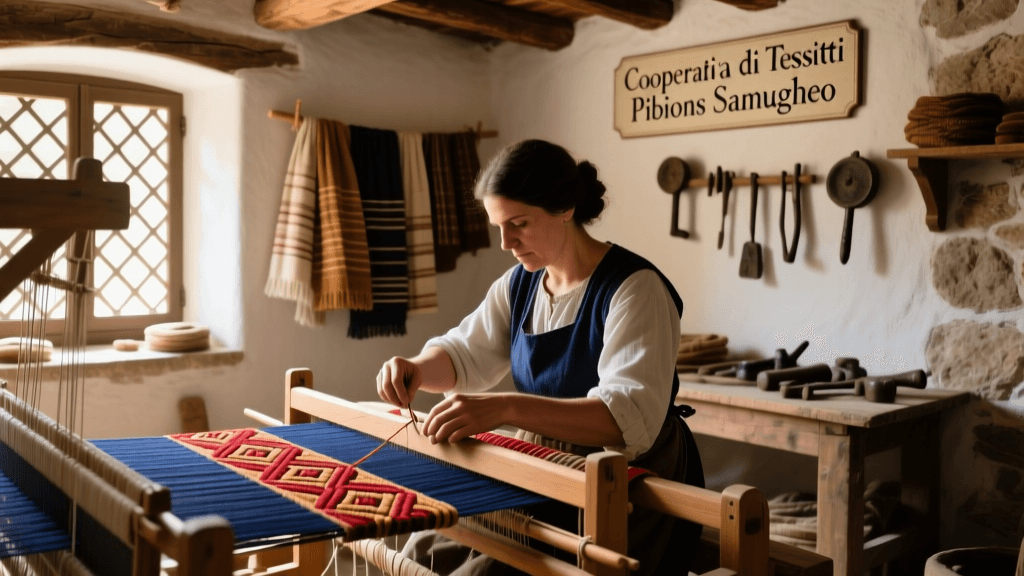
- Seek Out Cooperatives: Rather than buying from generalized marketplaces, source directly from verified Ukrainian and Slavic artisan cooperatives. Organizations that support rural craftswomen often provide certificates of authenticity, detailing the artisan's name, village, and the hours spent on the piece.
- Beware of 'Laser-Cut' Lace: In Poltava-style garments, the cutwork (merezhka) must be done by hand, pulling and wrapping individual threads. Many 2026 fast-fashion brands use laser-cutting or chemical lace to mimic this effect. Genuine cutwork will have microscopic variations in thread tension that machines cannot replicate.
Caring for Hand-Embroidered Linen
Investing in a hand-embroidered vyshyvanka requires a commitment to proper textile conservation. The combination of delicate natural fibers and dense, tension-heavy embroidery makes these garments susceptible to damage if cleaned incorrectly. According to conservation guidelines provided by institutions such as the Victoria and Albert Museum's textile care archives, historical and artisanal textiles demand gentle, pH-neutral handling.
Washing: Never machine-wash an authentic vyshyvanka. Hand-wash the garment in cool or lukewarm water using a specialized, pH-neutral detergent designed for delicate natural fibers. Avoid harsh agitation; instead, gently press the water through the fabric. If the garment features natural botanical dyes (common in high-end 2026 Hutsul pieces), add a splash of white vinegar to the final rinse to help set the colors and maintain the fabric's pH balance.
Drying and Ironing: Never wring out the linen, as this can distort the intricate embroidery and break the hand-spun threads. Roll the garment in a clean, dry, white cotton towel to absorb excess moisture, then lay it flat to dry away from direct sunlight, which can yellow unbleached linen and fade natural dyes. When ironing, the garment should be slightly damp. Place a clean cotton pressing cloth over the embroidery and iron on the reverse side using a medium-hot steam setting. This prevents the satin stitches and raised geometric patterns from being crushed flat.
Storage: Store your folk dress garments flat or rolled in acid-free tissue paper inside a breathable cotton storage box. Avoid wire hangers, which can stretch the heavy linen shoulders and distort the neckline embroidery over time.
Styling Traditional Garments for Contemporary Wear
While the vyshyvanka is deeply rooted in Slavic and Balkan history, its integration into modern wardrobes has evolved beautifully by 2026. Fashion historians and cultural advocates emphasize that traditional garments should be worn and lived in, rather than locked away in archives. For a contemporary look, pair a delicate, white-on-white Poltava shirt with tailored, high-waisted wide-leg trousers or a sleek, monochromatic midi skirt. The contrast between the historical, textured embroidery and modern, minimalist tailoring creates a striking, sophisticated silhouette.
For the bolder Hutsul pieces, let the garment be the focal point. The vibrant geometric patterns pair exceptionally well with raw denim, structured leather jackets, or heavy wool outerwear during the colder months. By understanding the deep cultural significance, the technical mastery of the stitches, and the proper methods of conservation, collectors and wearers alike can ensure that the magnificent legacy of Eastern European folk dress continues to thrive for generations to come. For further reading on the global history of needlework and textile techniques, the Encyclopedia Britannica's comprehensive guide to embroidery offers excellent foundational context on how these Slavic techniques fit into the broader tapestry of global textile arts.