The Ultimate Guide to Wearing a Traditional Japanese Robe
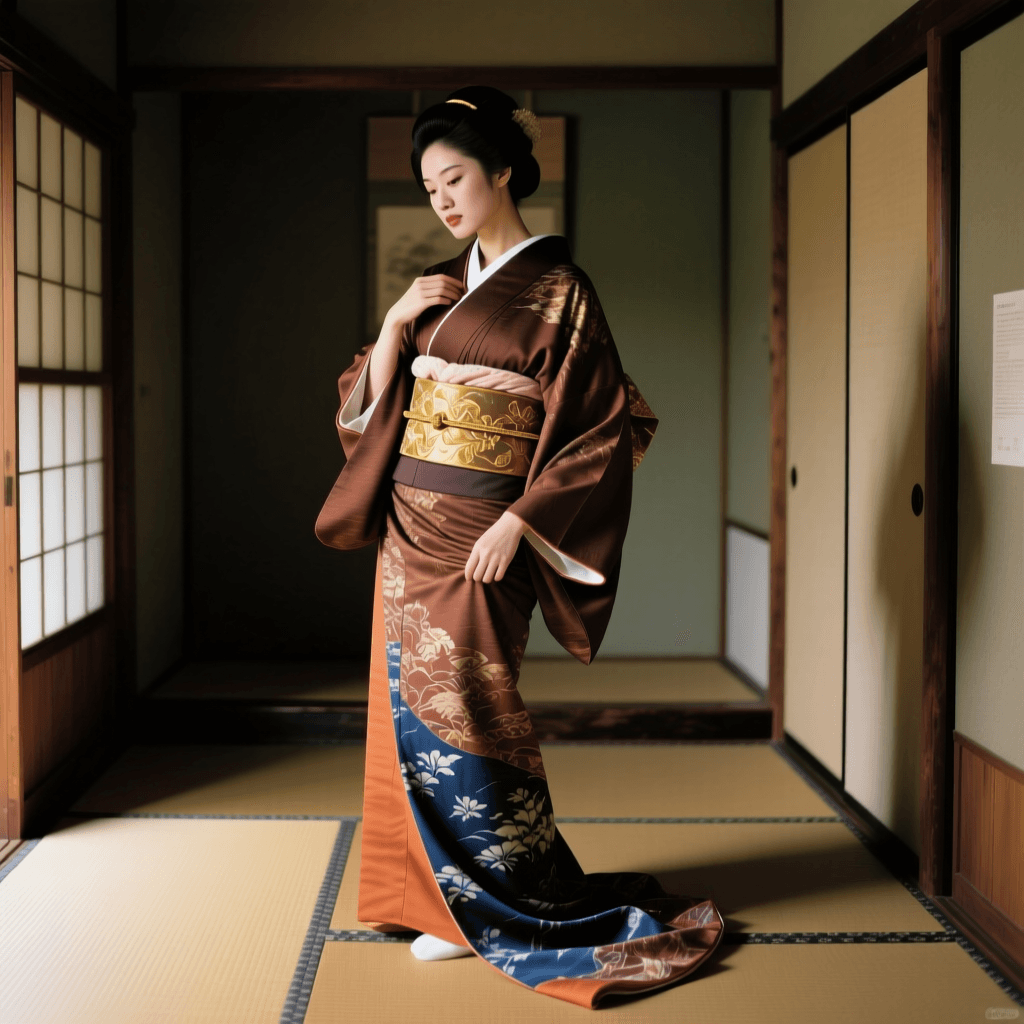
The traditional Japanese robe, most universally recognized as the kimono, stands as one of the most iconic and culturally rich garments in global history. Far more than a simple piece of clothing, the kimono is a wearable canvas that reflects the changing seasons, the social status of the wearer, and centuries of refined artistic tradition. To wear a traditional Japanese robe is to participate in a living heritage, embracing a silhouette that has captivated the world with its elegant drape, intricate textiles, and profound symbolism.
While modern fashion continually evolves, the kimono remains a steadfast emblem of Japanese identity and aesthetic philosophy. Whether you are preparing to attend a traditional tea ceremony, a summer festival, or simply wish to understand the mechanics behind this beautiful garment, learning how to wear a traditional Japanese robe requires patience, respect for etiquette, and an appreciation for its complex anatomy. In this comprehensive guide, we will explore the origins, characteristics, and step-by-step process of donning the kimono, alongside the cultural nuances that make it a masterpiece of textile art.
The Origins and Evolution of the Japanese Robe
To truly understand how to wear a traditional Japanese robe, one must first look back at its fascinating evolution. The direct ancestor of the modern kimono is the kosode, which translates to 'small sleeves.' During the Heian period, the kosode was primarily worn as an undergarment by the aristocracy, layered beneath expansive, multi-layered court robes. However, as societal structures shifted and the samurai class rose to prominence, the kosode transitioned into the primary outer garment for both men and women.
By the Edo period, the garment had evolved into the T-shaped, straight-lined robe we recognize today. This era was marked by unprecedented peace and economic growth, which allowed the merchant class to invest heavily in luxury textiles. Sumptuary laws were frequently enacted to restrict the commoners from displaying overt wealth, leading to the development of subtle, highly sophisticated dyeing and weaving techniques. The obi (sash), which was once a narrow, functional cord, widened dramatically during this time, transforming from a simple tie into a spectacular focal point of the ensemble. This evolution necessitated new methods of folding, wrapping, and tying, birthing the complex dressing rituals that are still practiced today. For a deeper dive into the textile innovations of this era, explore our archives on Japanese textile history.
Anatomy and Characteristics of the Kimono and Yukata
Before attempting to dress in a kimono, it is essential to familiarize yourself with the various components that make up the full ensemble. A traditional Japanese robe is not a single piece of clothing, but rather a carefully curated collection of layers and accessories that work in harmony to create the perfect cylindrical silhouette.
- Kimono: The main outer robe, typically made of silk for formal occasions or wool and synthetic blends for everyday wear. It features a T-shape construction with straight seams and wide sleeves.
- Yukata: A casual, unlined summer robe made of lightweight cotton or hemp. It is worn at summer festivals and hot spring resorts, requiring fewer undergarments and a simpler obi.
- Juban: An under-robe worn beneath the kimono to protect the delicate silk from sweat and body oils. The collar of the juban is intentionally left visible at the neckline.
- Obi: The wide, ornamental sash used to secure the kimono. Formal obi are heavily brocaded and can be as long as four meters, requiring intricate folding techniques to tie.
- Koshihimo: Thin, soft cotton sashes used to tie the kimono securely at the waist and hips during the dressing process. They are hidden beneath the obi.
- Datejime: A wider, stiffer sash tied over the koshihimo to smooth out wrinkles and provide a firm foundation for the obi.
- Obi-ita: A stiff board inserted between the folds of the obi to prevent it from creasing and to maintain a crisp, flat appearance.
- Tabi: Traditional split-toe socks that reach the mid-calf, designed to be worn with thonged footwear.
- Zori and Geta: Traditional sandals. Zori are flat, formal sandals often made of brocade or vinyl, while geta are elevated wooden clogs worn with casual kimono and yukata. Learn more about these essential accessories in our guide to traditional footwear around the world.
Step-by-Step Guide: How to Wear a Traditional Japanese Robe
Dressing in a kimono, known as kitsuke, is an art form that requires practice and precision. The goal is to achieve a smooth, cylindrical shape that minimizes the natural curves of the body, allowing the beautiful patterns of the textile to flow uninterrupted. Below is a detailed guide to wearing a formal silk kimono.
Step 1: Preparation and Undergarments
Begin by putting on your tabi socks. It is much easier to put them on before you are restricted by the tight skirt of the kimono. Next, put on your undergarments and the juban (under-robe). Secure the juban with a thin cotton sash. If you are wearing a formal kimono, you may also use specialized padding around the waist and hips to create the desired cylindrical silhouette, ensuring the outer robe drapes perfectly without clinging to the body's natural contours.
Step 2: Wrapping the Robe
Drape the kimono over your shoulders, ensuring the back seam is centered perfectly down your spine. Hold the collar edges in front of you. Crucial Rule: You must always wrap the left side of the kimono over the right side. Wrapping right-over-left is strictly reserved for dressing the deceased for burial and is considered highly inauspicious in everyday life. Once the left side is overlapping the right, bring the edges to your right hip.
Step 3: Adjusting the Length and Ohashori
While holding the overlapping edges at your right hip, use your other hand to pull the top layer slightly upward so that the hem of the kimono grazes the top of your ankles. Take your first koshihimo (thin sash) and tie it tightly around your waist to secure the length. The excess fabric pulled up above the sash will be folded down to create a horizontal tuck known as the ohashori. This tuck is a hallmark of women's kimono styling, allowing the garment to be adjusted for different heights while providing a decorative band beneath the obi.
Step 4: Smoothing and Securing the Collar
Adjust the collar at the back of the neck, pulling it slightly away from the nape to expose a fist-width of skin, which is considered highly elegant. Ensure the front collar forms a neat, tight V-shape, showing just a sliver of the juban collar beneath. Tie a second koshihimo just below the bust to secure the collar, then wrap the datejime around the waist to flatten the ohashori and create a smooth canvas for the obi.
Step 5: Tying the Obi
The obi is the crowning glory of the ensemble. For formal wear, the most common knot is the taiko musubi (drum knot), which resembles a smooth, horizontal cushion at the back. Wrap the obi around your waist, crossing it at the back and bringing it to the front to tie a temporary knot. Use an obi-ita board in the front to keep the fabric flat. Then, move to the back to fold the remaining length into the intricate taiko shape, securing it with an obi-age (silk scarf) and an obi-jime (decorative cord). For those interested in the specific art of sash tying, our guide on understanding the obi provides extensive visual breakdowns of various knots.
Occasions, Etiquette, and Regional Variations
The type of robe you wear is dictated by the occasion, your age, and your marital status. The kimono is governed by a strict, albeit unspoken, code of etiquette that communicates volumes about the wearer and the event they are attending.
Formal and Semi-Formal Occasions
For unmarried women attending highly formal events such as weddings or coming-of-age ceremonies, the furisode is the garment of choice. Characterized by its dramatically long, swinging sleeves, the furisode is a vibrant declaration of youth and eligibility. Married women, conversely, wear the tomesode, which features shorter sleeves and is often black with family crests (kamon) and a continuous pattern only along the lower hem. For semi-formal visits and parties, the houmongi (visiting wear) is appropriate for all women, featuring elegant patterns that flow seamlessly across the seams of the robe.
Casual Wear and the Yukata
For casual outings, summer festivals, and firework displays, the yukata is universally worn by both men and women. Made of breathable cotton, the yukata is worn without a juban and is paired with a simpler, narrower obi and wooden geta sandals. It represents a relaxed, joyful approach to traditional dress, deeply associated with the humid Japanese summer and the vibrant energy of street festivals.
Regional Textile Variations
Japan's diverse geography has given rise to stunning regional variations in robe production. In Kyoto, the birthplace of high court culture, Nishijin-ori brocades and Kyo-yuzen resist-dyeing produce some of the most luxurious and highly prized formal kimono in the country. Traveling north to Kanazawa, one finds Kaga-yuzen, a dyeing style famous for its hyper-realistic depictions of nature, utilizing a distinct five-color palette and subtle gradient shading. Far to the south in Okinawa, the tropical climate inspired Bingata, a vibrant stencil-dyeing technique featuring bold motifs of palm trees, hibiscus, and ocean waves. Exploring these regional dyeing techniques reveals how local environments shape national fashion.
The Cultural Significance of the Japanese Robe
The traditional Japanese robe is deeply intertwined with the philosophical and aesthetic concepts that define Japanese culture. One of the most vital principles in kimono styling is shun, or seasonal awareness. A properly dressed individual will wear motifs that anticipate the upcoming season rather than merely reflecting the current one. Plum blossoms, symbolizing resilience and the promise of spring, are worn in late winter, while maple leaves and autumn grasses appear in the early fall. Wearing a motif out of season is considered a faux pas, as it disrupts the harmony between the wearer and the natural world.
Furthermore, the kimono embodies the concept of sustainability and generational continuity. High-quality silk kimono are incredibly durable and are often passed down from mother to daughter. Because the garment is constructed from straight bolts of fabric with minimal cutting, it can be entirely taken apart, cleaned, re-dyed, and sewn back together to look brand new. This practice, known as arai-hari, ensures that a single robe can serve multiple generations, carrying with it the memories and blessings of the ancestors who wore it before.
The creation of a single formal kimono involves the collaborative efforts of dozens of master artisans, from the silk weavers and dyers to the embroiderers and gold-leaf applicators. To wear a kimono is to drape oneself in the culmination of centuries of silk weaving and artistic dedication, making it a profound expression of cultural pride and aesthetic reverence.
Frequently Asked Questions
Can non-Japanese individuals wear a kimono?
Yes, absolutely. The Japanese people are generally very welcoming and appreciative when foreigners take the time to wear traditional garments with respect and proper etiquette. Renting a kimono for a day of sightseeing in cities like Kyoto or Kanazawa is a highly popular and encouraged activity. The key is to ensure the garment is worn correctly—specifically adhering to the left-over-right collar rule—and to treat the clothing and the cultural spaces you visit with dignity.
What is the difference between a kimono and a yukata?
The primary differences lie in the material, formality, and layering. A kimono is typically made of silk or high-quality synthetic blends, is fully lined, and requires a complex system of undergarments (juban), padding, and formal obi. It is worn for formal events, ceremonies, and cooler weather. A yukata is an unlined, casual robe made of lightweight cotton or hemp. It is worn directly over basic undergarments, paired with a simple cotton sash, and is strictly reserved for casual summer events, hot spring resorts, and festivals.
Why is the left side always wrapped over the right?
The rule of wrapping the left side over the right side was formalized during the Edo period, though its roots trace back to ancient Chinese clothing edicts that influenced early Japanese court dress. In Japanese culture, the left-over-right method is the standard for the living. The reverse—right over left—is exclusively used to dress the deceased for their final journey. Therefore, wrapping a kimono right-over-left is considered deeply inauspicious and is a major cultural faux pas.
How do I choose the right obi for my kimono?
Choosing an obi requires balancing the formality of the kimono with the occasion. A heavily brocaded maru or fukuro obi is reserved for formal silk kimono like the furisode or tomesode. For semi-formal wear, a softer, woven obi with subtle patterns is appropriate. For casual wool or everyday silk kimono, a simple, narrow nagoya obi or a reversible, patterned silk sash is ideal. The colors of the obi should complement, rather than perfectly match, the dominant colors of the kimono, providing a pleasing contrast that highlights the overall ensemble.
How should a traditional Japanese robe be stored?
Proper storage is essential to preserve the delicate silk and intricate dyes of a kimono. After wearing, the robe should be aired out on a specialized kimono hanger for a few hours to allow any moisture to evaporate. It should never be stored on a standard Western hanger, as this will distort the shoulders and stretch the fabric. Instead, the kimono is folded along its natural seams into a precise rectangle and wrapped in a breathable paper envelope called a tatoushi. It should be stored in a cool, dry, dark place, ideally a wooden drawer made of paulownia, which naturally regulates humidity and repels insects.