Custom Hinoki Geta & Igusa Zori Crafting Guide 2026
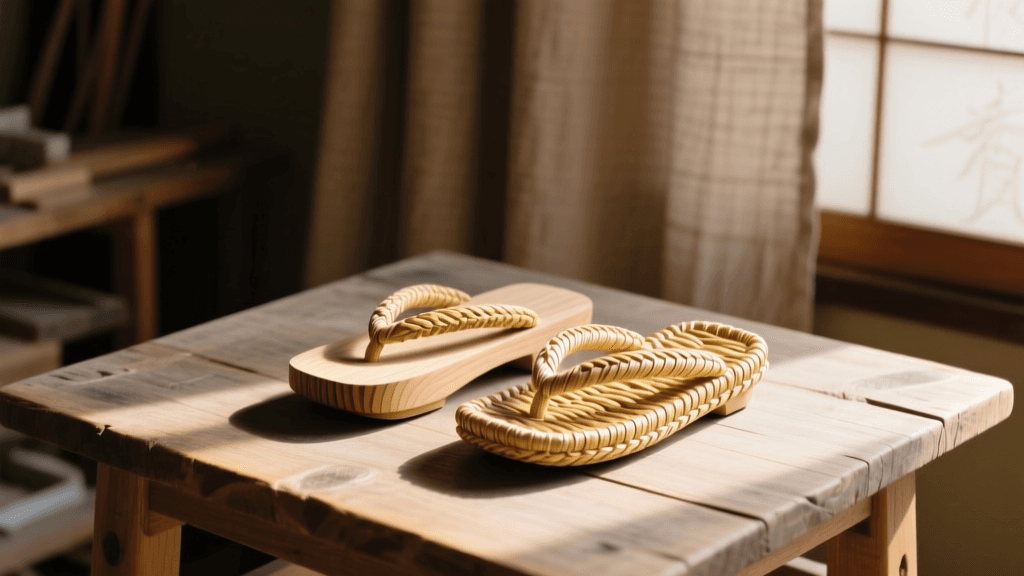
The 2026 Renaissance of Traditional Japanese Footwear
In 2026, the global shift towards sustainable, slow fashion and artisanal craftsmanship has sparked a massive renaissance in traditional Japanese footwear. Far from being mere historical relics or tourist souvenirs, bespoke geta (wooden clogs) and zori (woven flat sandals) are now highly sought after by fashion connoisseurs, cultural preservationists, and ergonomic enthusiasts worldwide. The meticulous crafting of these garments represents a profound intersection of forestry, textile weaving, and functional art. According to the Association for the Promotion of Traditional Craft Industries, domestic and international demand for authentically crafted, master-made Japanese footwear has seen a significant year-over-year increase, driven by a renewed appreciation for natural materials and zero-waste manufacturing processes.
This comprehensive guide explores the intricate crafting techniques behind premium hinoki (Japanese cypress) geta and igusa (soft rush) zori in 2026. Whether you are looking to commission a bespoke pair, understand the anatomical nuances of the craft, or learn how to maintain your investment, this guide provides the actionable insights and market data you need.
Anatomy of Geta and Zori: Understanding the Structure
Before delving into the crafting process, it is essential to understand the structural components that define Japanese footwear. While both geta and zori utilize the iconic Y-shaped thong, their foundational architecture differs vastly.
The Dai (Base) and Ha (Teeth)
The dai is the main board or base of the footwear that rests against the sole of the foot. In geta crafting, the dai is elevated by one, two, or sometimes three ha (teeth). The standard two-tooth geta is designed to keep the hem of a kimono or yukata clean from mud and snow, while the single-tooth tengu-geta requires immense core strength and balance, often used by ascetic monks or traditional dancers. The placement of the teeth is not arbitrary; master carvers in 2026 utilize digital foot-mapping alongside traditional calipers to ensure the teeth align perfectly with the wearer's center of gravity, preventing joint strain during prolonged walking.
The Omote (Surface) and Hanao (Thong)
In zori, the omote refers to the woven top surface, traditionally made from igusa rush, bamboo sheath, or silk brocade. The hanao is the Y-shaped strap that secures the foot. The hanao consists of the main thong that passes between the first and second toes, and the two side straps that anchor to the base. In modern bespoke crafting, the hanao is often padded with memory foam or traditional raw silk wadding to prevent the blistering historically associated with mass-produced synthetic thongs.
Hinoki Wood Carving: The Soul of the Geta
The most prized material for geta is hinoki, specifically sourced from the Yoshino region of Nara Prefecture. Yoshino hinoki is renowned for its incredibly tight, straight grain (masame), high natural oil content, and distinct, soothing citrus aroma. As highlighted by the Japan National Tourism Organization, the sustainable forestry practices in Yoshino, which date back centuries, ensure that the timber harvested in 2026 is of the highest ecological and structural quality.
Selection and Curing
Master carvers select logs that are at least 60 to 80 years old. The wood must be naturally air-dried for a minimum of three years to stabilize the moisture content. Kiln-drying is strictly avoided by top-tier artisans, as it kills the living cellular structure of the hinoki, making it brittle and stripping away its natural antibacterial oils.
Carving and Joinery
Carving the dai requires an understanding of the wood's directional strength. The footbed is carved with a subtle concave depression to cradle the heel and metatarsals. The most critical step is the attachment of the ha (teeth). In premium bespoke geta, the teeth are not merely glued or nailed; they are carved from the same solid block of wood as the base whenever possible, or integrated using traditional blind mortise and tenon joinery (hozo-sashi). This ensures the structural integrity of the geta can withstand the sheer lateral forces of urban walking.
The Acoustic Signature: Karankoron
A defining characteristic of expertly crafted geta is the karankoron sound—the sharp, resonant clack produced when the wooden teeth strike the pavement. Artisans tune this sound by hollowing out a microscopic resonant chamber inside the teeth or by adjusting the density of the wood at the strike point. This auditory feedback is considered an essential part of the sensory experience of wearing traditional Japanese garments.
Igusa Weaving: The Art of the Zori Omote
While geta rely on woodworking, zori rely on the textile arts. The premium standard for zori surfaces is igusa, a soft rush grass primarily cultivated in the Yatsushiro region of Kumamoto Prefecture. Igusa is highly valued for its hygroscopic properties—it absorbs moisture and sweat, keeping the foot cool and dry in Japan's notoriously humid summers.
Harvesting and Dyeing
Igusa is harvested in mid-summer when the stalks reach peak length and flexibility. After harvesting, the rush is washed in natural mud (dobu-zuke), a traditional process that coats the fibers in fine clay particles. This protects the vibrant green color from UV fading and enhances the rush's natural earthy scent. In 2026, bespoke weavers also offer botanical dyeing, using indigo, persimmon tannin (kakishibu), and madder root to create rich, colorfast patterns.
The Ajiro Weave Technique
The most durable and complex weaving pattern for zori is the ajiro (wicker weave). This technique involves interlacing the warp and weft threads at steep angles, creating a dense, textured surface that resembles woven bamboo. An expert weaver uses a specialized wooden loom and a heavy bamboo beater to pack the igusa stalks tightly together. A high-quality bespoke zori omote will feature over 4,000 individual stalks of igusa, resulting in a surface that is incredibly resilient to fraying and compression.
Commissioning Bespoke Footwear in 2026: Market Guide
Commissioning a custom pair of geta or zori in 2026 is an investment in wearable art. Due to the aging population of master artisans and the strict sustainable harvesting quotas of hinoki and igusa, lead times for bespoke orders typically range from 3 to 6 months. Below is a comparative breakdown of what to expect when commissioning traditional footwear in the current market.
| Feature | Bespoke Hinoki Geta | Bespoke Igusa Zori |
|---|---|---|
| Primary Material | Yoshino Hinoki (Solid Wood) | Kumamoto Igusa (Woven Rush) |
| Crafting Time | 4 to 8 weeks | 3 to 6 weeks |
| 2026 Average Cost (JPY) | ¥45,000 - ¥85,000 | ¥30,000 - ¥60,000 |
| 2026 Average Cost (USD) | $300 - $570 | $200 - $400 |
| Best Use Case | Yukata, Casual Kimono, Festivals | Formal Kimono, Tea Ceremony, Indoor |
| Maintenance Level | Low (Occasional oiling) | High (Humidity control, brushing) |
When ordering, artisans will require precise measurements of your foot length, the width across the ball of your foot, and the height of your instep. For the hanao, you will select from a catalog of 2026 silk brocades, hemp blends, or upcycled vintage kimono silks, allowing for deep personalization.
Modern Innovations and Urban Adaptations
While traditional techniques remain paramount, 2026 has seen the integration of subtle modern innovations designed for urban environments. To combat the wear and tear of asphalt and concrete, many master carvers now offer the application of vulcanized natural rubber pads to the bottom of the wooden ha. This preserves the wood, provides superior traction on wet city streets, and slightly dampens the sound for use in quiet museum or gallery settings.
Additionally, ergonomic hanao design has evolved. Artisans are now incorporating a core of braided titanium wire wrapped in traditional silk wadding. This provides the structural memory of the thong, ensuring it never snaps under sudden lateral stress, while maintaining the soft, traditional tactile feel against the skin.
Care and Maintenance for Longevity
Proper maintenance is crucial to ensuring your bespoke footwear lasts for decades. The care regimen differs significantly between wooden geta and woven zori.
Caring for Hinoki Geta
Hinoki is naturally resistant to rot and insects due to its high hinokitiol content. However, to maintain the wood's luster and prevent micro-cracking in dry, climate-controlled indoor environments, you should treat the bare wood with a light coat of pure camellia oil (tsubaki-abura) or beeswax twice a year. Apply the oil with a soft cotton cloth, following the direction of the grain, and allow it to cure for 24 hours before wearing. Never leave hinoki geta in direct sunlight or near a radiator, as rapid moisture loss will warp the base.
Caring for Igusa Zori
Igusa is a living plant fiber that requires careful humidity management. In highly humid climates, store your zori in a breathable cotton bag with silica gel packets or traditional charcoal dehumidifiers to prevent mold growth. If the surface becomes soiled, do not use wet cloths or chemical cleaners. Instead, use a dry, soft-bristled brush (such as a horsehair shoe brush) to gently sweep away dust and dirt from the weave. If the hanao becomes frayed, a skilled artisan can re-thread and re-tension the straps without needing to replace the entire woven base.
Conclusion
The crafting of hinoki geta and igusa zori is a profound testament to Japanese material culture. In 2026, choosing to wear bespoke traditional footwear is not merely a stylistic choice; it is an act of cultural preservation and a commitment to sustainable, artisanal excellence. By understanding the anatomy, the rigorous crafting processes, and the proper maintenance techniques, you can fully appreciate the artistry that elevates these garments from simple footwear to masterpieces of functional heritage.