Heian to Edo: The Evolution of Historical Kimono Layering
The Architecture of Elegance: Tracing Japanese Historical Fashion
Japanese fashion history is a masterclass in the interplay between strict societal codes, breathtaking aesthetic innovation, and the profound influence of the changing seasons. When we examine traditional Japanese clothing, it is essential to recognize that the modern kimono is not a static relic, but rather the culmination of centuries of sartorial evolution. For enthusiasts, historians, and practitioners of traditional dress, understanding the transition from the elaborate, multi-layered ensembles of the Heian period to the streamlined, sash-bound silhouettes of the Edo period is crucial. This guide explores the historical periods and dynasty fashion of Japan, offering actionable insights into historical garment construction, precise measurements, and how to authentically recreate these iconic silhouettes today.
The Heian Period (794–1185): The Pinnacle of Layered Court Dress
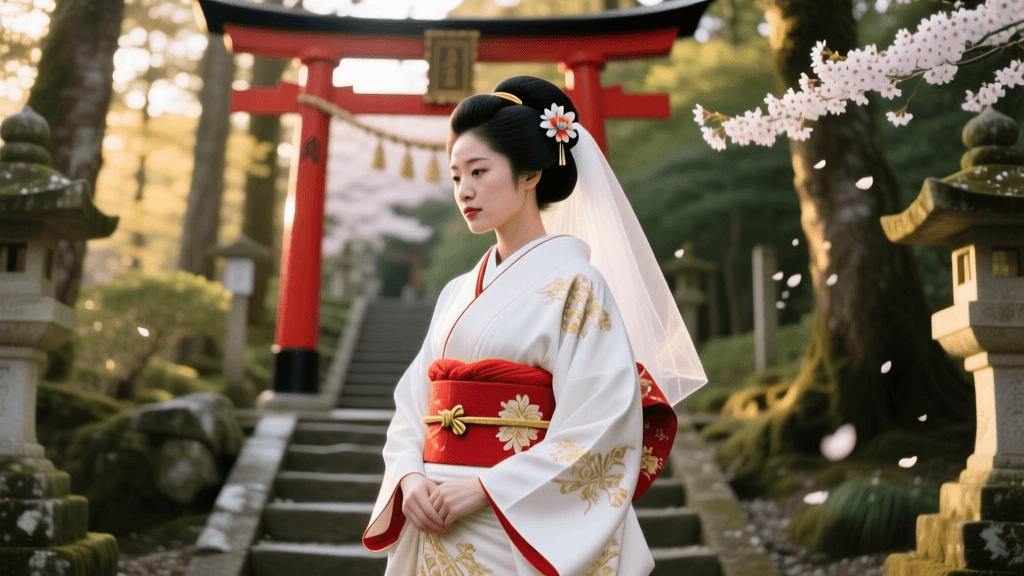
The Heian period represents the zenith of Japanese courtly elegance, an era defined by the aesthetic concept of miyabi (courtly refinement). According to The Metropolitan Museum of Art's Heilbrunn Timeline of Art History, the Heian court was a highly insular society where rank, taste, and poetic sensibility were communicated almost entirely through the layering of silk garments. The most iconic garment of this era is the junihitoe, which translates literally to 'twelve-layer robe,' though the actual number of layers could vary from five to twenty depending on the wearer's rank, the season, and the specific occasion.
For noblewomen, the foundation of the outfit was the kosode (a robe with small sleeve openings), which served as an undergarment. Over this, women wore the hitoe (an unlined robe), followed by multiple layers of uchiginu (beaten silk robes) that provided structure and volume. The ensemble was crowned with the uwagi (outer robe), the karaginu (a short, stiff-silk jacket), and the mo (a long, apron-like train). The sheer weight of a formal Heian court ensemble could exceed 20 kilograms (44 lbs), requiring immense physical endurance to wear.
The Art of Kasane no Irome
The true genius of Heian fashion lay in the kasane no irome—the meticulously coded color combinations of the layered robes. Because the sleeves, hems, and collars were deliberately staggered, the overlapping edges created a visual gradient that represented specific seasonal motifs. For example, a layering of deep plum beneath pale green signified early spring plum blossoms emerging from beneath the snow. Today, authentic reproductions of Heian court wear are exceptionally rare and expensive, often costing upwards of $15,000 USD due to the sheer volume of hand-woven Nishijin-ori silk required.
The Muromachi to Edo Transition: The Kosode Takes Center Stage
As the power of the imperial court waned and the samurai class rose to prominence, the practicalities of a more mobile, martial society necessitated a dramatic shift in fashion. The heavy, restrictive layers of the Heian court were abandoned. By the Muromachi period (1336–1573), the kosode—once hidden beneath layers of courtly silk—emerged as the primary outer garment for both men and women. This shift laid the groundwork for the modern kimono.
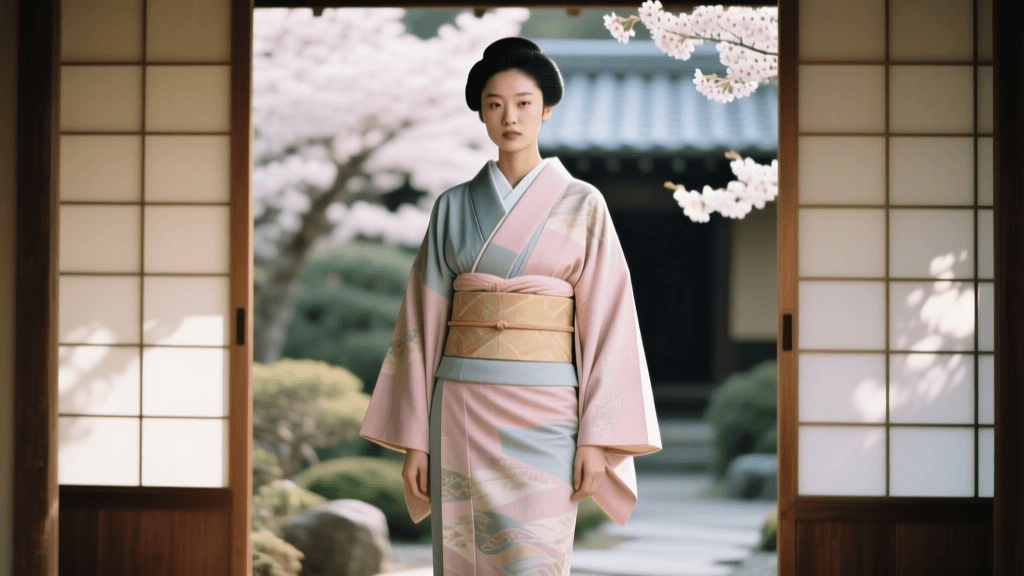
During the subsequent Edo period (1603–1867), Japan experienced over two centuries of peace and economic growth under the Tokugawa shogunate. The merchant class (chonin) accumulated vast wealth, leading to an explosion of textile arts. As noted by the Victoria and Albert Museum's comprehensive guide to Kimono history, the Edo period saw the development of Yuzen dyeing, a resist-dye technique that allowed for pictorial, free-flowing designs to be painted directly onto the silk canvas of the kosode. Furthermore, the obi (sash) evolved from a thin, functional cord used merely to keep the robe closed into a wide, highly decorative focal point of the outfit.
Comparative Analysis: Heian Court vs. Edo Townspeople Silhouettes
Understanding the structural differences between these two distinct historical epochs is vital for collectors, cosplayers, and traditional dress practitioners. The table below outlines the key dimensional and stylistic divergences.
| Feature | Heian Period (Junihitoe / Court Dress) | Edo Period (Kosode / Townspeople Dress) |
|---|---|---|
| Primary Silhouette | A-line, voluminous, trailing hems | Straight, tubular, tailored to the ankle |
| Total Garment Weight | 15 kg to 20+ kg (33 - 44+ lbs) | 1.5 kg to 3 kg (3.3 - 6.6 lbs) |
| Sleeve Construction | Wide, open, unattached at the sides | Tubular sleeves with sewn side seams |
| Fastening Method | Layered friction and thin inner cords | Wide, structured Obi (sash) tied at back |
| Textile Decoration | Woven patterns, heavy brocades, solid dyes | Yuzen resist-dyeing, elaborate embroidery |
Actionable Guide: Recreating Historical Silhouettes Today
Whether you are preparing for a historical reenactment, a cultural exhibition, or a high-level cosplay, achieving an accurate historical drape requires attention to specific measurements and layering techniques. Here is how to approach both silhouettes using modern or vintage garments.
Styling the Heian-Inspired Layered Look
Since acquiring a full 12-layer junihitoe is impractical for most, you can simulate the Heian aesthetic using standard modern kimono components through strategic layering.
- The Collar Illusion: Wear a standard nagajuban (under-kimono) but attach multiple contrasting han-eri (false collars). Stagger them by exactly 1.5 cm to mimic the kasane no irome effect of the Heian court.
- The Outer Drape: Wear a standard silk kimono, but leave the haori (jacket) completely open and unfastened. Allow the sleeves of the kimono to hang slightly longer than the haori sleeves to replicate the trailing, unbound nature of Heian robes.
- Hem Management: Heian garments dragged on the floor. To safely simulate this without ruining vintage silk, wear a koshimaki (wrap skirt) underneath and allow the outer kimono hem to drop 5-10 cm below the ankle, utilizing a hidden waist tie to manage the excess fabric safely.
Styling the Edo-Period Kosode Silhouette
The Edo silhouette is defined by its strict, tubular shape and the prominent placement of the obi. To achieve historical accuracy, you must unlearn some modern kimono dressing habits.
- The Ohashori Fold: In modern dressing, the ohashori (the fold at the waist) is standardized to about 5-7 cm. However, in the early to mid-Edo period, kosode were often cut exactly to the wearer's height, meaning no ohashori fold was visible. If using a modern, longer kimono, aim for a minimal, nearly invisible fold of 2-3 cm to mimic the Edo proportion.
- Obi Width and Placement: Modern formal fukuro obi are roughly 30 cm wide. For an authentic Edo merchant-class look, source a vintage hoso-obi (narrow obi) measuring 15-20 cm in width. Tie it in a simple bunko (box) knot at the back, which was the standard for married women and older women of the Edo period.
- The Miyatsukuchi: Ensure the miyatsukuchi (the open slit under the sleeve on the women's kimono) is left completely open and unstitched, a hallmark of Edo-period female kosode construction that allowed for ease of movement and the tying of the under-sash.
'The transition from the Heian to the Edo period in Japanese dress is not merely a change in fashion, but a reflection of a shifting societal paradigm—from the secluded, poetic aristocracy to the vibrant, structured urbanism of the merchant class.' — Smithsonian National Museum of Asian Art
Sourcing and Budgeting for Historical Garments
Acquiring authentic historical pieces or high-quality reproductions requires a strategic approach and a clear budget. Here is a practical breakdown of what to expect when sourcing historical Japanese garments.
1. Vintage Edo and Meiji Period Kosode
Authentic Edo-period (pre-1868) kosode are exceedingly fragile. The silk, often weighted with metallic salts during the dyeing process, is prone to shattering. Expect to pay between $800 and $3,000 USD for a wearable, albeit delicate, piece from the late Edo or early Meiji era. These should be sourced from specialized antique textile dealers in Kyoto, such as those located near the Kitano Tenmangu shrine, or via high-end auction houses. Actionable Tip: Never wash a vintage Edo kosode; rely on professional arai-hari (traditional kimono cleaning and re-stretching) services, which cost approximately $150-$250 USD per garment.
2. Modern Historical Reproductions
For museums, theater productions, or serious collectors, modern reproductions woven on traditional jacquard looms in the Nishijin district of Kyoto are the best option. A custom-ordered, historically accurate Heian-style karaginu and uchiginu set will cost between $4,000 and $8,000 USD and take 4 to 6 months to weave and tailor. For Edo-period Yuzen reproductions, expect to pay around $2,500 USD for hand-painted silk.
3. Rental Options for Experiential Wear
If your goal is experiential rather than acquisitive, renting is highly recommended. In Kyoto, specialized studios offer simplified Heian court dress experiences (often a 5-layer version of the junihitoe) for approximately 10,000 to 15,000 JPY ($70 - $100 USD) for a two-hour session. This includes professional dressing, which is mandatory, as the layering sequence and precise staggering of the hems require specialized knowledge that takes years to master.
Conclusion
The evolution of Japanese historical fashion from the Heian court to the Edo streets is a testament to the adaptability and enduring beauty of traditional Asian garments. By understanding the structural mechanics, the precise measurements, and the cultural context of the junihitoe and the kosode, modern wearers and collectors can engage with these traditions on a much deeper level. Whether you are carefully layering collars to evoke the poetic sensibilities of a Heian princess or tying a narrow obi to channel the spirit of an Edo merchant, the garment remains a living, breathing atlas of Japanese history.