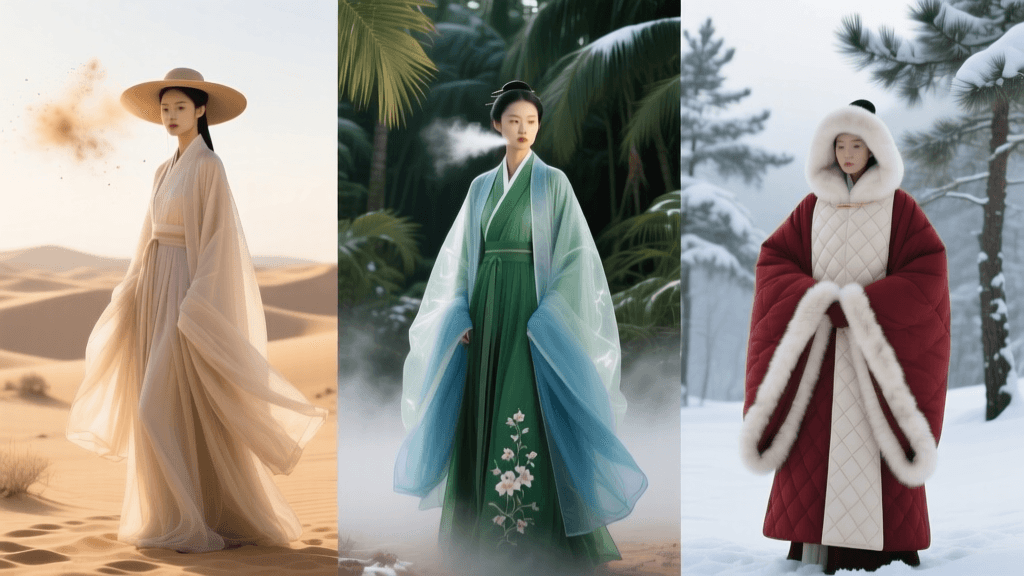
Haute Hanfu: 2026 Global Runway & Fashion Week Trends
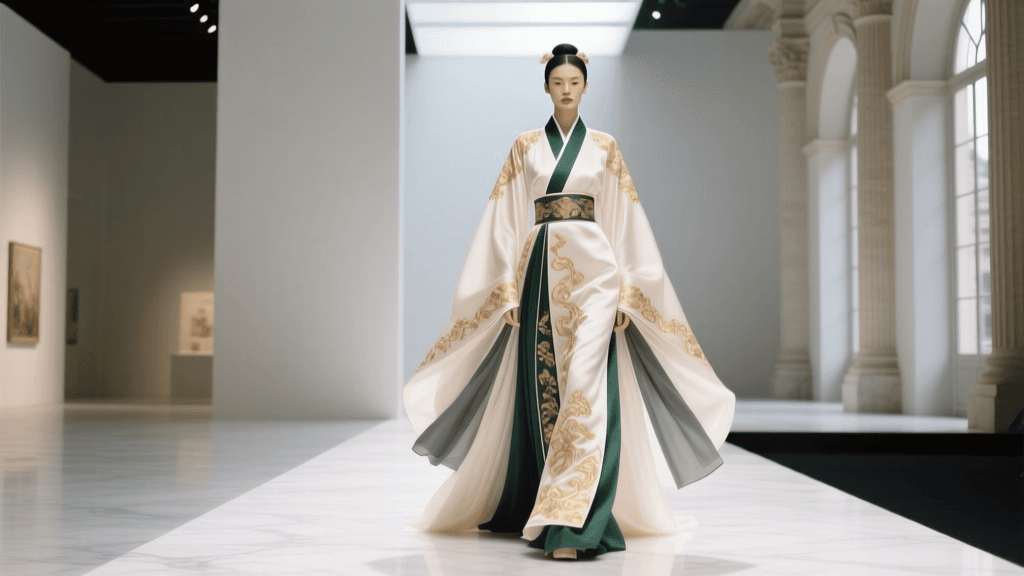
The 2026 Runway Revolution: From Subculture to Haute Couture
The global fashion landscape of 2026 has witnessed a seismic shift in how traditional garments are perceived, designed, and consumed. Hanfu, the traditional clothing of the Han Chinese, has officially transcended its niche revivalist roots to become a dominant force on the world’s most prestigious runways. During the Spring/Summer and Fall/Winter 2026 Fashion Weeks in Paris, Milan, and New York, top-tier ateliers and avant-garde designers have seamlessly integrated historical Chinese silhouettes into contemporary haute couture. This movement, widely dubbed 'Haute Hanfu,' represents a sophisticated dialogue between ancient sartorial philosophy and modern structural engineering.
No longer confined to historical reenactments or streetwear subcultures, Hanfu is now being deconstructed and reimagined by luxury houses. As noted by industry analysts at the Business of Fashion, the integration of non-Western historical dress into mainstream luxury is one of the most significant market shifts of the decade, driven by a demand for garments that offer both profound cultural storytelling and unparalleled craftsmanship. In 2026, the runway is a canvas where Ming dynasty opulence meets Song dynasty minimalism, tailored for the modern global elite.
Deconstructing the 2026 Silhouettes
The 2026 runway circuit has heavily favored two distinct historical silhouettes, reinterpreting them through the lens of modern couture. Designers are playing with volume, drape, and structural integrity to create pieces that command attention in both the front row and the boardroom.
The Architectural Mamianqun (Horse-Face Skirt)
The Mamianqun, a wrap skirt characterized by its flat front and back panels with intricate side pleats, has become a staple of the 2026 Parisian runways. Historically popular during the Ming and Qing dynasties, the modern iteration utilizes advanced textile memory and laser-cut pleating techniques. Designers are replacing traditional heavy brocades with structured organza, neoprene blends, and sustainable cupro, allowing the skirt to maintain its architectural volume without the historical weight. The flat panels are frequently embroidered with subtle, tonal micro-pleating, creating a kinetic effect as the model walks. Priced between $2,500 and $8,000 for luxury ready-to-wear, the 2026 Mamianqun is often paired with sharply tailored, asymmetrical blazers to create a striking contrast between fluid tradition and rigid modernity.
The Avant-Garde Beizi
Originating from the Song dynasty, the Beizi is a long, open-front coat with side slits that exude an air of intellectual elegance and understated luxury. On the Milan runways this year, the Beizi has been elongated and restructured. Couturiers are utilizing stiffened raw silks and vegan leathers to give the garment a sweeping, dramatic train. The traditional straight sleeves have been modified into exaggerated bell shapes or sharply angled geometric cuffs. Layered over minimalist silk slip dresses or structured corsetry, the 2026 Beizi serves as the ultimate statement outerwear, offering a masterclass in proportion and negative space.
Material Innovation: Ancient Textiles Meet Sustainable Luxury
A defining characteristic of the 2026 Haute Hanfu movement is the revival of hyper-traditional, eco-friendly textile production methods, elevated to meet the rigorous standards of modern sustainable luxury. The global fashion industry's pivot toward regenerative materials has placed a spotlight on ancient Chinese dyeing and weaving techniques.
Xiangyunsha (Gambiered Guangdong Silk): Often referred to as 'soft gold,' Xiangyunsha is a silk fabric dyed with the juice of the薯莨 (Dioscorea cirrhosa) yam and coated with iron-rich mud from the Pearl River Delta. In 2026, this heritage fabric is highly coveted by European luxury houses for its leather-like texture, water-resistant properties, and zero-chemical footprint. Authentic, heritage-grade Xiangyunsha currently commands a market price of approximately $650 to $900 per meter, making it a hallmark of true luxury. Its deep, oxidized black-brown hue and subtle crackling sound when worn make it a favorite for avant-garde evening wear.
Kesi (Cut Silk Tapestry): The 'holy grail' of Chinese silk weaving, Kesi involves weaving patterns that appear to be carved into the fabric. In 2026, designers are collaborating with master weavers in Suzhou to create hybrid Kesi panels, integrating metallic threads and recycled glass beads to catch the runway lights. Because a single square foot of high-quality Kesi can take a master artisan weeks to complete, these pieces are reserved for the climax of haute couture shows, often serving as the closing bridal or ceremonial looks.
Runway vs. Reality: The 2026 Hanfu Translation Chart
Understanding how historical elements are adapted for the modern runway is crucial for fashion historians and enthusiasts alike. The following table breaks down the evolution of key Hanfu components from their historical origins to their 2026 high-fashion interpretations.
| Garment Element | Historical Context (Ming/Song) | 2026 Runway Interpretation | Styling Application |
|---|---|---|---|
| Mamianqun (Skirt) | Heavy silk brocade, wide waistbands, tied closures. | Laser-cut pleats, memory-fabric blends, hidden magnetic clasps. | Pair with a structured, cropped turtleneck or tailored blazer. |
| Beizi (Outer Coat) | Flowing raw silk, straight sleeves, knee-to-calf length. | Elongated trains, stiffened vegan leather, geometric cuffs. | Wear open over a minimalist silk slip dress or wide-leg trousers. |
| Jiaoling Youren (Collar) | Right-over-left cross collar, tied with internal sashes. | Asymmetrical draping, integrated metal hardware, false plackets. | Utilize as a foundational layering piece under modern outerwear. |
| Textiles & Dyes | Natural indigo, madder root, hand-woven damask. | Xiangyunsha mud silk, lab-grown spider silk blends, 3D Kesi. | Invest in outerwear pieces where the textile's texture is the focal point. |
Actionable Styling: Integrating Runway Hanfu into a Modern Wardrobe
While the runway offers theatrical inspiration, translating Haute Hanfu into a functional, high-end wardrobe requires a strategic approach to styling. The key to mastering this trend in 2026 is the principle of 'cultural juxtaposition'—balancing the historical weight of the garment with stark, contemporary minimalism.
- The Rule of Proportions: If you are wearing a voluminous, pleated Mamianqun, balance the lower half with a fitted, architectural top. Avoid traditional loose-fitting blouses unless you are aiming for a purely editorial, avant-garde look. A sleek, high-neck ribbed knit or a structured leather bodice grounds the outfit in the present day.
- Footwear Dynamics: Leave the traditional embroidered cloth shoes for historical purists. The 2026 runway dictates that Hanfu silhouettes are best anchored by modern footwear. Think chunky, lug-sole Chelsea boots, sleek pointed-toe stilettos, or minimalist leather loafers. The contrast between ancient draping and industrial footwear creates a compelling visual tension.
- Accessorizing with Intent: Traditional jade and gold hairpins are beautiful, but for a modern luxury aesthetic, opt for sculptural, contemporary metal jewelry. A single, oversized asymmetric ear cuff or a brutalist silver collar necklace complements the sweeping lines of a Song dynasty Beizi without turning the wearer into a costume.
Cultural Stewardship and the Global Dialogue
As Hanfu claims its rightful space on the global stage, the conversation surrounding cultural appreciation versus appropriation has matured significantly. The most successful designers in 2026 are those who approach Hanfu not merely as an exotic aesthetic to be mined, but as a complex sartorial system with deep philosophical roots. Institutions like the Metropolitan Museum of Art's Asian Art department continue to provide vital historical context, reminding the fashion world of the intricate sumptuary laws, weaving technologies, and symbolic motifs inherent in these garments.
Furthermore, the global audience is becoming increasingly educated. Consumers in 2026 are demanding transparency regarding the origins of the garments, the ethical treatment of the artisans, and the historical accuracy of the silhouettes. As documented across the Vogue Runway archives, the shows that receive the most critical acclaim are those that credit their historical consultants and heritage weaving cooperatives by name.
Ultimately, the ascension of Hanfu onto the global runways in 2026 is a triumph of cultural continuity. It proves that traditional garments are not static relics trapped in museum glass, but living, breathing art forms capable of evolving, adapting, and defining the cutting edge of global luxury fashion. Whether through the mud-dyed elegance of Xiangyunsha or the architectural brilliance of a reimagined Mamianqun, Haute Hanfu is here to stay, forever altering the DNA of international couture.