Top Japanese Fashion Blogs Documenting Kimono Revival 2026
The Intersection of Heritage and High Fashion in 2026
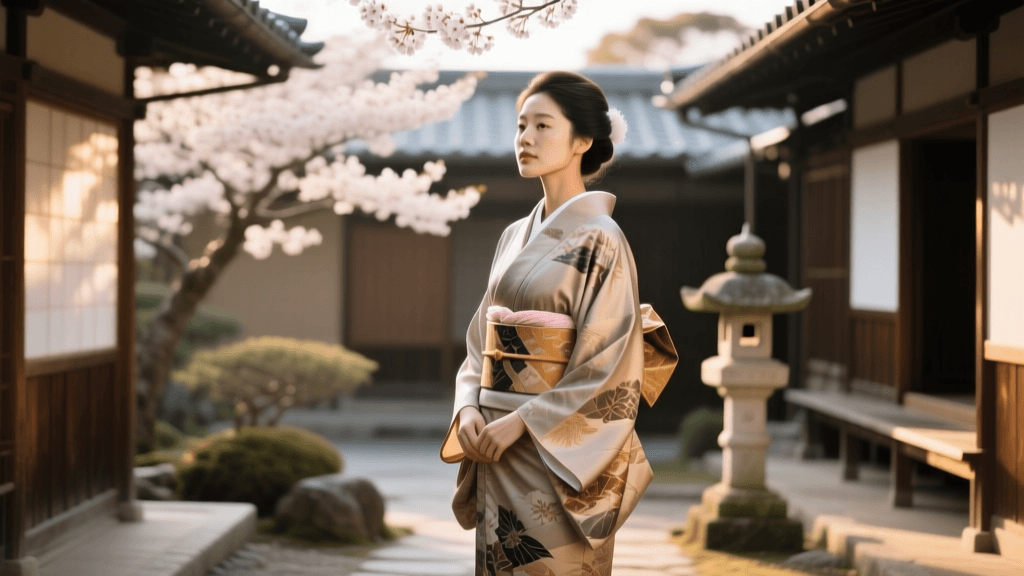
Japanese fashion journalism has undergone a seismic shift over the past few years, evolving from a purely trend-focused industry into a vital custodian of cultural heritage. As we navigate the Spring and Summer 2026 seasons, the most compelling narratives in Asian traditions are not being found in museum archives, but rather on the digital pages of Japan's leading fashion blogs and online magazines. These digital publications are actively bridging the gap between centuries-old garment-making techniques and the fast-paced demands of modern streetwear and global haute couture. For enthusiasts of traditional Asian garments, understanding how Japanese fashion journalists document, critique, and style traditional wear is essential to grasping the current 'Neo-Wafuu' (Neo-Japanese style) movement.
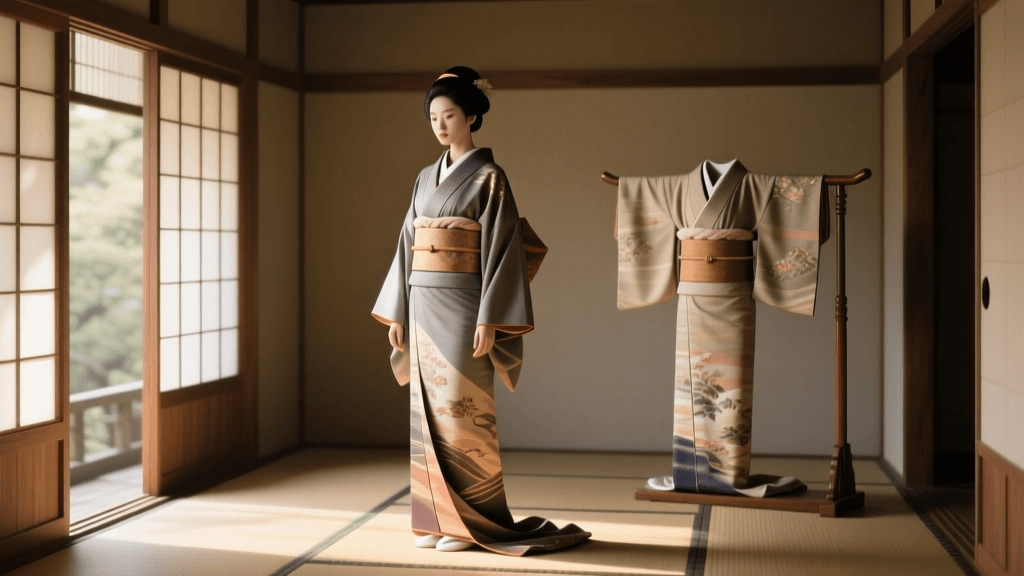
In 2026, the conversation surrounding traditional Japanese clothing—ranging from the formal silk kimono to casual summer yukata and jinbei—has been entirely revitalized by digital media. Online magazines are no longer treating these garments as mere ceremonial relics. Instead, they are positioning them as sustainable, versatile, and highly fashionable components of the contemporary wardrobe. By highlighting artisanal natural dyeing methods, secondhand market revivals, and the influence of traditional theater costumes on modern runways, Japanese fashion journalism is driving a global renaissance in heritage wear.
The Digital Vanguard: Leading Online Magazines and Blogs
To truly understand the 2026 traditional garment revival, one must follow the digital publications that are setting the editorial agenda. These platforms combine rigorous fashion journalism with deep cultural respect, offering readers actionable styling advice and in-depth artisan interviews.
Fashionsnap: Street Style Meets Heritage
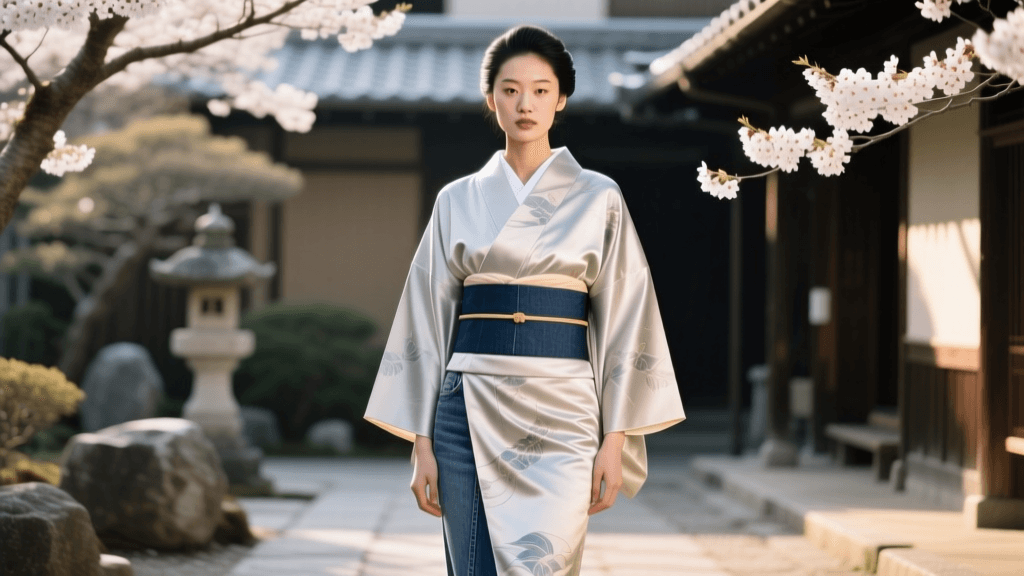
As one of the most authoritative voices in Japanese street style, Fashionsnap has dedicated significant editorial space in 2026 to the integration of traditional garments into everyday Harajuku and Daikanyama streetwear. Their photographers and writers meticulously document how young Tokyoites are styling vintage haori jackets over oversized denim, or pairing traditional tabi boots with modern tech-wear. Fashionsnap's editorial team frequently highlights the sustainability aspect of this trend, noting that the influx of high-quality, secondhand silk garments into the vintage market has made heritage styling more accessible and eco-friendly than fast fashion.
Vogue Japan's Digital Wafuu Columns
Vogue Japan continues to be a powerhouse in elevating traditional textiles to the realm of high fashion. In their 2026 digital columns, editors have focused heavily on the intersection of traditional theater costumes and global runways. Recent features have explored how the dramatic silhouettes of Kabuki and Noh theater costumes are influencing the structural designs of emerging Japanese avant-garde designers showing in Paris and Milan. Furthermore, Vogue Japan's dedicated craft journalism has brought much-needed attention to regional natural dyeing techniques, such as Kaga Yuzen and Tokushima Aizome (indigo), connecting modern consumers directly with rural artisan cooperatives.
Niche Blogs: The Kimono Hacker and Modern WASO
Beyond the major publications, independent fashion blogs have carved out a highly engaged niche. Blogs focusing specifically on 'Modern WASO' (the art of wearing Japanese clothing) provide granular, practical advice for international and domestic readers alike. These blogs are instrumental in demystifying the complex rules of kimono wearing, offering 2026 guides on how to use modern accessories like pre-tied obi belts, magnetic obijime clasps, and washable synthetic under-layers that make daily wear practical for the modern commuter.
The Great Summer Debate: Yukata vs. Jinbei
One of the most engaging editorial narratives championed by Japanese fashion blogs every summer is the stylistic and functional debate between the yukata and the jinbei. In 2026, online magazines have published extensive comparative guides to help readers navigate summer festivals (matsuri) and casual resort wear.
- The Yukata: Fashion journalists highlight the 2026 trend of 'retro-modern' yukata, featuring digital prints that mimic vintage Taisho-era aesthetics but are printed on breathable, quick-drying technical fabrics. Blogs often feature tutorials on unconventional obi tying methods that appeal to younger demographics.
- The Jinbei: Originally casual loungewear, the jinbei has been elevated by online magazines into a premium streetwear staple. Fashion critics have noted a surge in designer collaborations featuring premium linen blends and subtle Shibori tie-dye patterns, making the jinbei acceptable for upscale summer dining and gallery openings.
2026 Secondhand Market Data: The Journalism Impact
Fashion journalism has played a direct role in stabilizing and increasing the value of vintage traditional garments. By educating the public on how to identify authentic silk, evaluate the condition of vintage linings, and appreciate the provenance of specific weaving regions, blogs have transformed the secondhand kimono market into a robust circular economy. According to recent market analyses covered by The Business of Fashion, the circular fashion market in Asia has seen double-digit growth, heavily driven by heritage garments.
| Garment Type | 2026 Average Secondhand Price (USD) | Condition / Era | Blog Styling Trend |
|---|---|---|---|
| Komon Silk Kimono | $85 - $150 | Excellent / 1980s-1990s | Worn open as a duster coat over slip dresses |
| Vintage Haori Jacket | $120 - $300 | Good / Mid-Century | Layered over turtlenecks and wide-leg trousers |
| Designer Yukata | $60 - $110 | New / 2024-2025 | Paired with modern leather sandals and minimalist jewelry |
| premium Linen Jinbei | $90 - $180 | New / 2026 Artisan | Resort wear paired with woven straw accessories |
| Formal Furisode | $400 - $1,200+ | Mint / Heisei Era | Upcycled into luxury streetwear skirts and bomber jackets |
Theatrical Costumes on the Global Runway
A fascinating subtopic heavily covered by Japanese fashion critics in 2026 is the translation of traditional theater costumes into modern luxury fashion. The elaborate embroidery, voluminous layering, and striking color palettes of Kabuki and Noh theater have long been a source of inspiration. However, contemporary fashion journalism is now documenting how designers are extracting specific elements—such as the rigid, structural collars of Noh robes or the dramatic, trailing hems of Kabuki stage wear—and adapting them for modern, wearable silhouettes. Online magazines provide readers with side-by-side visual essays comparing historical theater garments with their 2026 runway counterparts, offering a masterclass in cultural appreciation versus appropriation.
Actionable Guide: Curating Your 2026 Neo-Wafuu Wardrobe
Drawing from the best advice offered by Japan's top fashion blogs and online magazines this year, here is a practical guide to building a traditional-meets-modern wardrobe:
- Invest in a Vintage Haori: Fashion editors universally recommend starting with a vintage silk haori. Look for pieces with subtle, dark backgrounds and intricate, hidden linings. It serves as a lightweight, luxurious alternative to a Western blazer for spring and autumn evenings.
- Embrace Modern Tabi Footwear: While traditional zori sandals are beautiful for formal events, blogs suggest investing in leather tabi boots or modern tabi sneakers for daily wear. They provide the iconic split-toe silhouette while offering the arch support required for navigating modern city streets.
- Mix Textures Intentionally: The key to the 2026 Neo-Wafuu aesthetic is contrast. Pair the smooth, lustrous finish of a vintage silk obi belt with the rough, matte texture of raw denim or heavy cotton canvas. Online styling guides emphasize that mixing heritage textiles with utilitarian fabrics grounds the outfit and prevents it from looking like a costume.
- Support Artisanal Dyeing: When purchasing new items like yukata or jinbei, use fashion blogs as a directory to find brands that utilize natural dyeing techniques. Supporting indigo (aizome) and persimmon tannin (kakishibu) dyers ensures the survival of these environmentally sustainable, centuries-old practices.
The Future of Fashion Journalism and Heritage
As 2026 progresses, it is clear that Japanese fashion blogs and online magazines are doing much more than reporting on trends; they are actively preserving and evolving Asian traditions. By treating the kimono, yukata, and jinbei with the same critical rigor and stylistic reverence as Western haute couture, these digital publications are ensuring that traditional Japanese garments remain a vibrant, living part of the global fashion ecosystem. For the modern consumer, engaging with this journalism is the first step toward building a wardrobe that is not only deeply stylish but also rich in history and sustainable in practice.