Kimono Runway Trends 2026: Global Fashion Week Styles
The Evolution of the Kimono Silhouette on the 2026 Runways
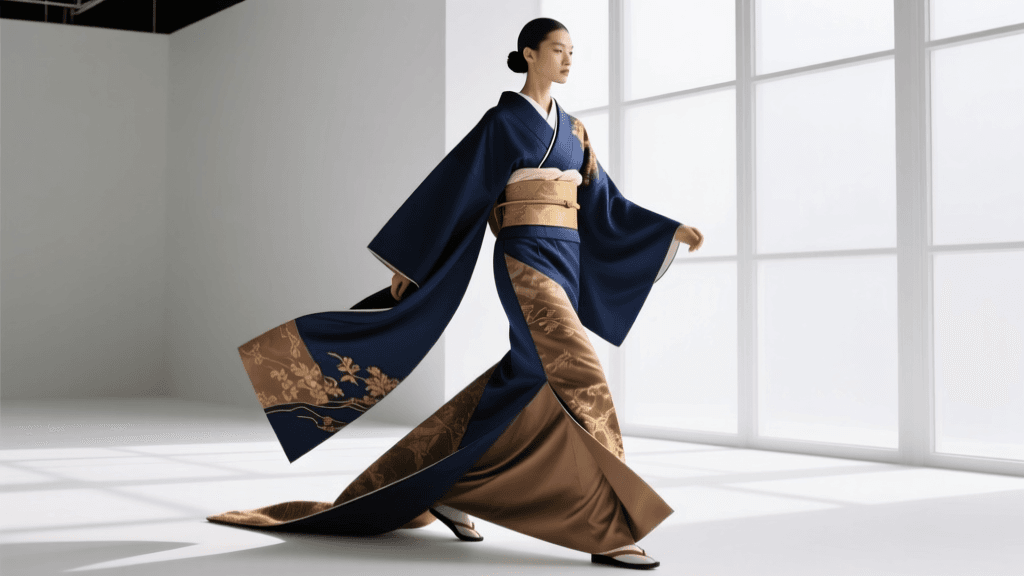
The intersection of traditional Japanese garment construction and Western haute couture has reached a sophisticated zenith during the 2026 Spring/Summer and Fall/Winter Fashion Weeks. From Paris to Milan, the kimono is no longer merely a source of exoticized inspiration; it is being recognized for its architectural brilliance, zero-waste pattern cutting, and profound textile heritage. Designers are moving past superficial motifs, instead deconstructing the fundamental T-shaped silhouette, the straight-line seams, and the dynamic volume of the furisode (swinging sleeves) to create avant-garde, fluid garments that challenge Western tailoring norms.
According to the Victoria and Albert Museum, the global influence of the kimono has historically reshaped Western fashion, but the 2026 collections mark a distinct shift toward structural reverence rather than mere surface-level appropriation. High-fashion houses are collaborating directly with Japanese artisans, ensuring that techniques like shibori (tie-dyeing) and yuzen (resist dyeing) are credited and compensated appropriately.
Key Kimono-Inspired Elements Dominating 2026 Collections
This year's global runways highlighted several specific structural elements borrowed directly from traditional Japanese wardrobes. Understanding these elements is crucial for fashion historians and enthusiasts looking to decode the 2026 collections.
| Traditional Element | 2026 Runway Adaptation | Key Designers Showcasing |
|---|---|---|
| T-Shaped Silhouette | Deconstructed into modular, oversized outerwear with dropped shoulders and hidden seams. | Maison Margiela, Yohji Yamamoto |
| Obi (Sash) | Reimagined as wide, structured corsetry or asymmetrical waist-cinching belts in heavy jacquard. | Dior, Alexander McQueen |
| Furisode Sleeves | Elongated, dramatic slit sleeves that trail the floor, crafted from lightweight, sustainable Tencel-silk blends. | Comme des Garçons, Rick Owens |
| Miyatsukuchi (Slits) | Functional side-slits left open to allow for airflow and ease of movement in layered, voluminous gowns. | Issey Miyake, Loewe |
Sustainable Textiles and Artisan Collaborations
A defining characteristic of the 2026 fashion landscape is the uncompromising demand for sustainability and ethical sourcing. The kimono's traditional construction—which utilizes entire bolts of fabric (known as tanmono) with virtually zero waste—has become a blueprint for eco-conscious luxury. According to the Kyoto Traditional Industries Center, there has been a 40% increase in international luxury brands partnering with multi-generational Kyoto weaving and dyeing workshops this year.
Rather than mass-producing imitation brocades, European houses are importing authentic Nishijin-ori (brocade) and upcycling vintage mid-century silk kimono into one-of-a-kind runway pieces. This practice not only reduces textile waste but also injects capital into the preservation of Japan's intangible cultural heritage, a subject extensively documented by institutions like the Metropolitan Museum of Art.
How to Translate 2026 Runway Kimono Trends into Everyday Wear
While the runway looks are often avant-garde, the core principles of kimono styling can be seamlessly integrated into a modern, sophisticated wardrobe. Here is your actionable guide to adopting the 2026 kimono-inspired aesthetic with cultural respect and sartorial precision.
1. The Modern Haori Jacket
The haori (a traditional hip- or thigh-length kimono-style jacket) is the most accessible entry point. For 2026, look for unlined, silk-blend haori jackets featuring a drop-shoulder seam measuring at least 22 inches across to achieve the authentic relaxed drape.
- Measurements: Ensure the sleeve drop (from collar to cuff) is around 28–30 inches for a fluid, oversized look.
- Cost: Authentic, upcycled vintage silk haori range from $150 to $400, while contemporary luxury interpretations by modern designers retail between $800 and $1,500.
- Styling: Wear open over a monochromatic base, such as a fitted turtleneck and high-waisted, wide-leg wool trousers. The haori acts as a structural frame for the outfit.
2. The Obi-Inspired Belt
Runway stylists in 2026 are using wide, stiffened sashes to mimic the obi. To replicate this, source a structured jacquard or heavy leather belt with a width of 4 to 6 inches.
- Placement: Position the belt slightly higher than your natural waist, resting just below the ribcage, to elongate the lower body and mimic the high-waisted proportion of a formal kimono.
- Knotting: Avoid complex, bulky bows. Opt for a sleek, flat knot at the back or a minimalist side-tie to maintain a modern silhouette.
3. The Golden Rule of the Wrap Closure
If you are wearing an authentic kimono, yukata, or a modern wrap dress inspired by the kimono's okumi (front panel) overlap, you must adhere to the most critical rule of Japanese dress: always wrap the right side over the left side. Wrapping left over right is strictly reserved for dressing the deceased for burial. Mastering this detail demonstrates cultural literacy and respect for the garment's heritage.
4. Footwear: Tabi and Zori Influences
The 2026 runways saw a massive resurgence in split-toe footwear and elevated, architectural sandals inspired by traditional tabi socks and zori sandals. Luxury footwear houses have introduced split-toe leather ankle boots with a 2-inch stacked wooden heel, perfectly complementing the wide, flowing hems of kimono-inspired trousers and skirts. Expect to invest between $600 and $950 for designer split-toe boots crafted from ethically sourced calfskin. When styling, ensure the hem of your trousers breaks just above the ankle to highlight the unique silhouette of the footwear.
5. Visible Mending: Sashiko and Boro on the Runway
Beyond the silhouette, the textile manipulation techniques of sashiko (functional running stitch embroidery) and boro (patchworked, mended fabrics) were prominent in the 2026 Fall/Winter collections. Designers are utilizing these techniques not as a sign of poverty, but as the ultimate expression of luxury and sustainability—highlighting the time, human touch, and history embedded in the fabric. When shopping for everyday pieces, look for denim or heavy cotton jackets featuring authentic hand-stitched sashiko patterns. A high-quality, hand-stitched sashiko jacket from a specialized artisan brand typically costs between $450 and $800 and serves as a striking, textured statement piece over minimalist basics.
The Future of Japonisme in High Fashion
As we move through 2026, the fashion industry's relationship with the kimono has matured from Orientalist fascination to a deep, technical appreciation of Japanese sartorial engineering. The global runways have proven that the kimono is not a relic of the past, but a living, breathing blueprint for the future of sustainable, structural, and deeply meaningful fashion. By understanding the anatomy of the garment and supporting ethical artisan collaborations, fashion enthusiasts can celebrate this magnificent tradition on their own terms.