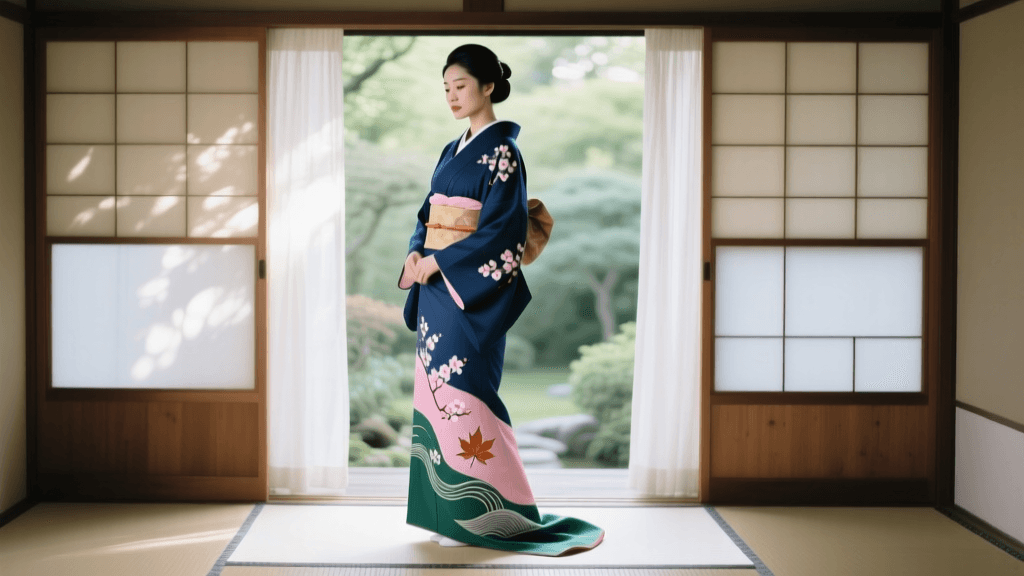
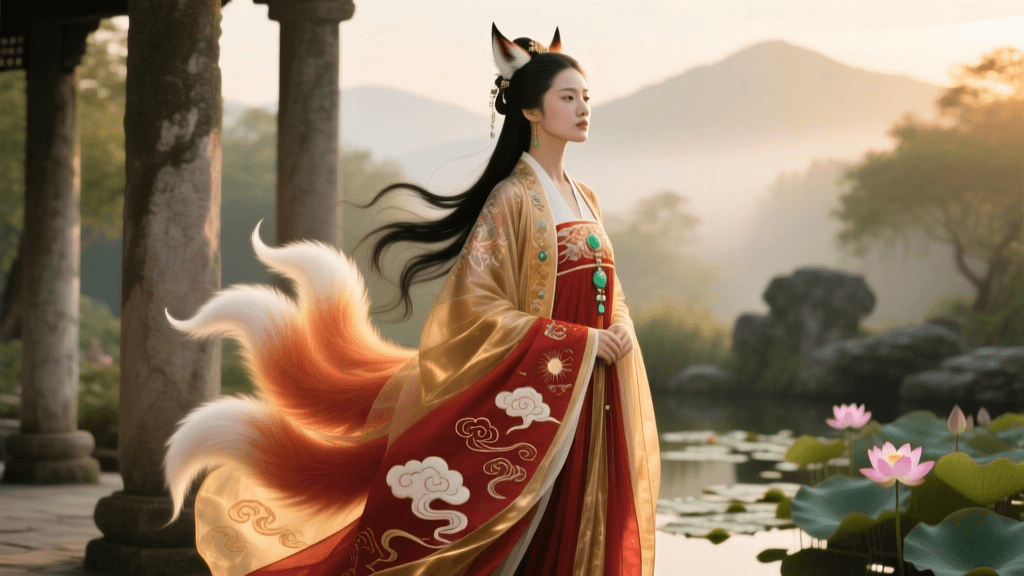
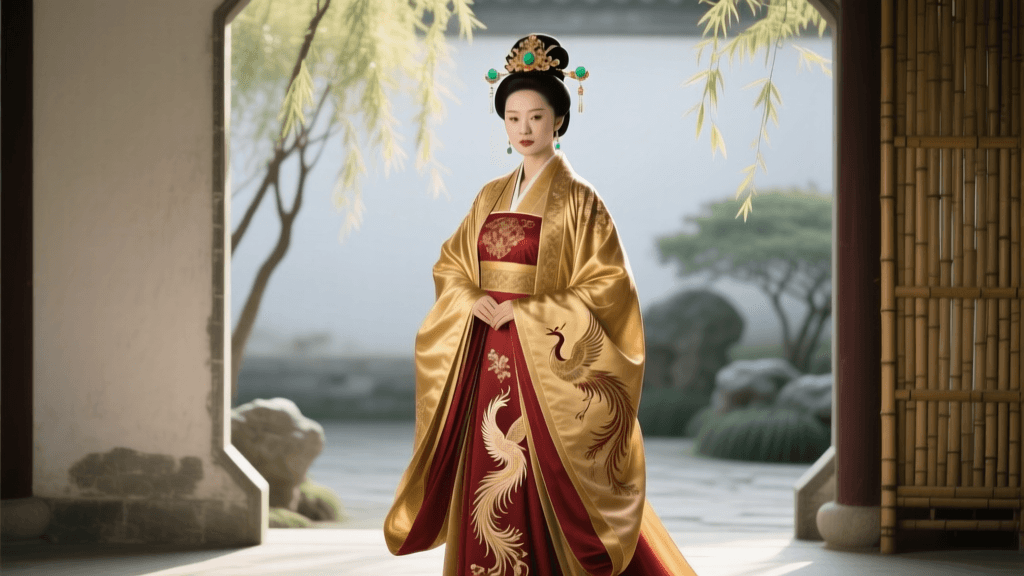
Hanfu Travel Packing Guide 2026: Destination Wardrobe Essentials
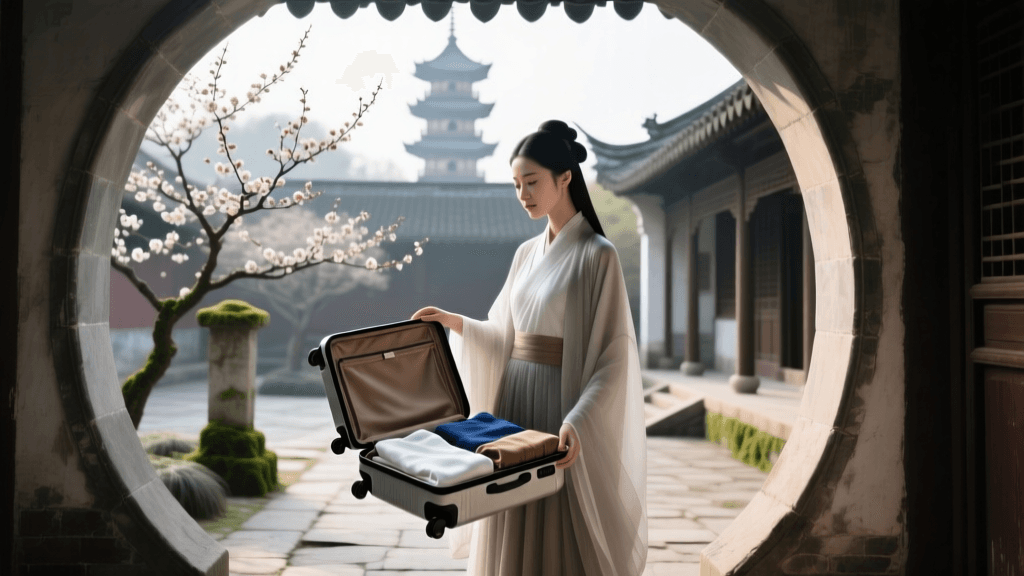
The Rise of the Hanfu Travel Wardrobe in 2026
As heritage tourism continues to surge globally in 2026, the traditional Chinese garment known as Hanfu has transitioned from local park photoshoots to a staple of international travel wardrobes. Enthusiasts are no longer just wearing Hanfu in their home cities; they are taking these elegant, flowing garments to ancient capital ruins, classical gardens, and international cultural sites. However, traveling with voluminous silk skirts, layered robes, and delicate hair accessories presents a unique logistical challenge. According to the UNESCO World Heritage Sustainable Tourism Programme, mindful and culturally immersive travel is at an all-time high this year, making the integration of traditional dress into modern travel itineraries both a personal joy and a celebration of living history. This comprehensive guide will help you build a versatile, wrinkle-resistant Hanfu travel wardrobe for your 2026 adventures, ensuring you look historically inspired while remaining practically equipped for the road.
Building Your 2026 Hanfu Capsule Wardrobe
The secret to traveling light without sacrificing variety lies in the capsule wardrobe concept, adapted specifically for traditional Chinese clothing. Instead of packing five complete, pre-matched sets, pack interchangeable separates. The foundational layers of Hanfu—the zhongyi (inner garment) and the outer layers like the ao (jacket) or ru (blouse) and qun (skirt)—can be mixed to create vastly different silhouettes.
For a standard one-week heritage trip in 2026, your capsule should include:
- Two Skirts (Qun): One pleated Mamianqun (horse-face skirt) in a neutral tone like deep navy or charcoal, and one flowing, A-line Zhequn in a lighter, breathable fabric.
- Three Tops (Ru/Ao): A short-sleeved summer Ru for layering, a long-sleeved cross-collar Jiaoling Pao for cooler evenings, and a modernized, wrinkle-resistant Beizi (open-front jacket) that doubles as a chic travel duster.
- Two Inner Garments (Zhongyi): Moisture-wicking, modern-fabric inner layers that protect your expensive outer silks from sweat and body oils, reducing the need for frequent washing.
By mixing these seven pieces, you can generate over ten distinct outfits. The 2026 spring collections from leading Hanfu brands have heavily featured Tencel-silk blends and crushed-crepe synthetics, which offer the luxurious drape of traditional silk but can survive being rolled up in a suitcase without requiring immediate steaming.
Understanding Historical Accuracy vs. Travel Practicality
When curating a travel wardrobe, it is vital to balance historical fidelity with modern comfort. While museum-grade replicas are stunning, they are often constructed from heavy brocades or delicate, unlined silks that snag easily on ancient stonework. The The Metropolitan Museum of Art's Heilbrunn Timeline of Art History notes that Ming Dynasty garments were characterized by their voluminous cuts and rich, heavy textiles, which, while magnificent, are incredibly cumbersome for a modern traveler navigating crowded transit hubs or hiking up the steps of a historic pagoda.
For travel, prioritize the Song Dynasty aesthetic. Song-era garments like the Beizi and narrow-sleeved Shan are inherently more tailored, streamlined, and practical for movement. Furthermore, opt for modernized hemlines. Many 2026 travel-specific Hanfu lines offer skirts that are hemmed just above the ankle bone rather than dragging on the floor. This small adjustment prevents the hem from absorbing mud, rainwater, and dust from unpaved heritage sites, preserving the garment's longevity throughout your trip.
Destination-Specific Hanfu Styling Guide
Different destinations demand different approaches to fabric weight, layering, and footwear. Below is a strategic packing matrix for popular 2026 Hanfu travel destinations.
| Destination | Climate & Terrain | Recommended Garment | Fabric Choice |
|---|---|---|---|
| Suzhou Classical Gardens | Humid, paved but uneven stone paths, dense foliage | Song Dynasty Beizi over a lightweight Ruqun | Breathable linen-cotton blends or Tencel |
| Xi'an Ancient City Wall | Windy, expansive, long walking distances on stone | Ming Dynasty Aoqun with secure waist ties | Mid-weight jacquard or crushed crepe |
| Kyoto Temple Grounds | Variable, lots of stairs, gravel paths, strict etiquette | Streamlined Jiaoling Ru with ankle-grazing skirts | Wrinkle-resistant polyester-silk blends |
| Dunhuang Desert Sites | Extreme sun, high UV, blowing sand, cold nights | Tang Dynasty Banbi (half-arm) with wide shawls | UV-protective synthetic silks, warm wool capes |
Essential Packing Gear for Voluminous Garments
Packing Hanfu requires specialized gear to maintain the structural integrity of pleats and embroidery. Standard rolling methods will ruin the crisp knife-pleats of a Mamianqun. Instead, invest in the following 2026 packing essentials:
- Hard-Shell Pleat Protectors: These are flat, rigid cardboard or plastic sleeves specifically designed for pleated skirts. You fold the skirt along its natural pleat lines, slide it into the protector, and lay it flat at the bottom of your suitcase.
- Silk Garment Folders with Acid-Free Tissue: For delicate embroidered jackets, use acid-free tissue paper to stuff the sleeves and bodice before folding. This prevents hard creases from forming across intricate metallic thread work.
- Compression Packing Cubes (For Inner Layers): Use vacuum-seal or compression cubes strictly for your zhongyi (inner garments) and under-skirts to save maximum space for your outerwear.
- Portable Ultrasonic Steamer: The latest 2026 handheld steamers are incredibly compact and feature ultrasonic water atomization, meaning they leave zero water spots on delicate silks while removing wrinkles in seconds. Look for models with dual-voltage capabilities for international travel.
Footwear and Accessories: Navigating Cobblestones and Temples
Traditional Yunxie (cloud shoes) with their upturned toes and soft cloth soles are beautiful but offer virtually zero arch support or traction on wet stone. For a 2026 travel wardrobe, the market has perfected the 'hybrid heritage shoe.' These are modern, ergonomic Mary Janes or low-profile sneakers featuring traditional embroidery, cloud motifs, and subtle upturned toe caps, built on memory-foam soles. They provide the aesthetic of historical footwear with the biomechanical support required for a 20,000-step day at a heritage site.
Hair accessories (Zanzi and Fashao) are equally tricky to pack. Long metal or wooden hairpins can easily snap or bend under the weight of other luggage. Pack your hair accessories in a dedicated, hard-shell EVA electronics case or a specialized bamboo roll. Wrap individual pearl or velvet embellishments in small microfiber jewelry pouches to prevent the velvet from attracting dust and lint from your suitcase lining.
On-the-Go Garment Care and Maintenance
Maintaining pristine garments on the road requires a proactive approach to stain management and fabric resting. Because you are traveling, you likely will not have access to professional dry cleaners who understand the construction of traditional Chinese dress. Always carry a eco-friendly, water-based stain removal pen in your day bag, specifically formulated for protein-based fibers like silk. If you spill tea or sauce on a cuff, treating it immediately with a gentle dab (never a rub) can save the garment until you return home.
Furthermore, silk and heavy brocades need to 'rest' and air out after a day of wear to dissipate moisture and odors. The Victoria and Albert Museum's guide on Caring for Your Textiles emphasizes that historic and delicate textiles should never be stored in plastic or damp environments. When you return to your hotel, immediately remove your Hanfu, hang it on a wide, padded hanger in a well-ventilated area of the room (away from direct sunlight), and allow it to air out overnight before repacking it. Never fold a garment while it is still holding the day's humidity, as this will set odors and encourage mildew growth in your luggage.
Conclusion
Traveling with Hanfu in 2026 is a deeply rewarding experience that bridges the gap between ancient artistry and modern exploration. By thoughtfully curating a capsule wardrobe of interchangeable, travel-friendly fabrics, investing in specialized packing gear to protect structural elements like pleats and embroidery, and choosing practical hybrid footwear, you can fully immerse yourself in the world's most beautiful heritage sites. With the right preparation, your destination wardrobe will not only photograph beautifully but will also stand the test of the journey, allowing you to carry a piece of living history wherever the road takes you.