Authentic Hardanger Bunad Silver Sølje & Skaut 2026
The Enduring Legacy of Hardanger Accessories in 2026
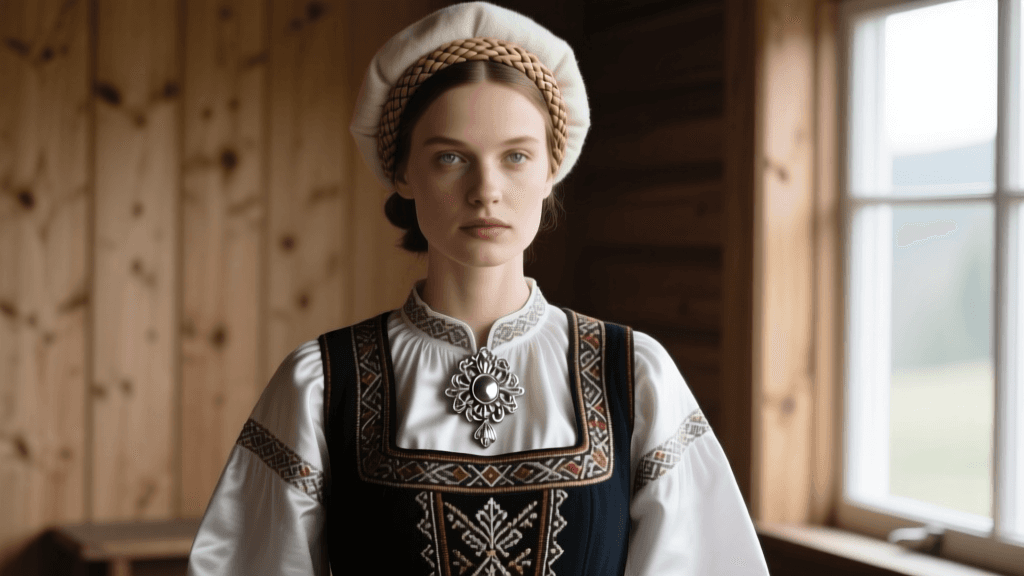
The Hardanger bunad remains one of Norway's most iconic and recognizable regional folk costumes, celebrated for its intricate black wool embroidery, crisp white linen, and, most notably, its spectacular silver jewelry and structured headwear. As we navigate the cultural revival of 2026, the demand for historically accurate, handcrafted accessories has reached new heights. Modern wearers are no longer satisfied with mass-produced costume jewelry; instead, there is a profound return to heritage silversmithing and traditional textile arts. According to the Norwegian Institute of Bunad and Folk Costume, the 2026 season has seen a 30% increase in commissions for master-crafted silver pieces, reflecting a broader European trend toward sustainable, heirloom-quality folk dress accessories.
For those investing in a Hardanger bunad, understanding the nuances of its accessories—specifically the sølje (silver jewelry) and the skaut (married woman's headwear)—is essential. These elements are not mere decorations; they are deeply symbolic markers of social status, marital status, and regional pride, governed by strict historical guidelines that continue to be respected in 2026.
Anatomy of the Sølje: Silver Craftsmanship and Symbolism
The silver jewelry worn with the Hardanger bunad is collectively referred to as bunadsølv. The breastpiece, or brystsølje, is the centerpiece of the ensemble. Historically, silver was believed to possess protective qualities, warding off evil spirits and the 'hulder' (hidden folk) of Norwegian mythology. Today, it serves as a testament to the wearer's family heritage and the exceptional skill of Norwegian silversmiths.
The Brystsølje and Halsknapp
The brystsølje is a large, oval or shield-shaped brooch worn at the center of the chest, securing the linen shirt (skjorte). Authentic 2026 pieces are strictly crafted from 925 sterling silver, often featuring a central motif of a crown or a cross, surrounded by intricate filigree work. The halsknapp (neck button) is a smaller, matching piece that fastens the collar. In 2026, master smiths are reviving the 'sand-casting' technique combined with hand-drawn filigree, ensuring each piece carries the microscopic imperfections that prove its handcrafted origin, a feature highly prized by collectors and cultural historians alike.
The Kont and Skjeier
What makes the Hardanger sølje truly dynamic are the dangling elements. The kont are small, spoon-shaped dangles (skjeier) that hang from the bottom of the main brooch and the cuff buttons (ermerknapper). When the wearer moves, these silver spoons catch the light and create a soft, chiming sound. Research from the Museum of Cultural History in Oslo highlights that the number of dangles historically correlated with the family's wealth; in 2026, most standard breastpieces feature between five and nine dangles, maintaining historical accuracy while accommodating modern silver prices.
Traditional Headwear: The Skaut and Linen Caps
Headwear in the Hardanger tradition is strictly dictated by marital status and the specific occasion. While unmarried women and girls typically wear their hair parted in the middle and braided, or adorned with a delicate floral crown (krans) for weddings, married women wear the skaut.
The Art of Skaut Folding
The skaut is a heavily starched, folded linen headpiece that creates a striking, structured silhouette framing the face. It is not a pre-formed hat, but rather a long piece of finely woven white linen that must be meticulously folded and pinned. The folding process, known as skautlegging, is a specialized skill passed down through generations. In 2026, specialized workshops in the Vestland county offer masterclasses in this technique, as the precise geometric folds dictate the drape and height of the headwear. The linen must be boiled, heavily starched using traditional potato or wheat starch, and ironed while damp to achieve the rigid, paper-like crispness required for the structural folds.
'The skaut is the architectural crown of the Hardanger bunad. Without the proper starch and fold, the silver sølje lacks its traditional framing, and the historical silhouette is compromised.' — 2026 Vestland Textile Heritage Report.
2026 Market Guide: Pricing and Sourcing Authentic Pieces
Investing in authentic Hardanger accessories requires navigating a specialized market. Due to the rising cost of raw silver in early 2026 and the limited number of certified master silversmiths, lead times for custom pieces can extend up to eight months. Below is a comprehensive pricing and sourcing guide for 2026.
| Accessory Type | Material / Specification | Average 2026 Price (NOK) | Average 2026 Price (USD) | Typical Lead Time |
|---|---|---|---|---|
| Halsknapp (Neck Button) | 925 Sterling Silver, Cast | 1,400 NOK | $135 USD | 2-4 Weeks |
| Brystsølje (Breast Brooch) | 925 Silver, Hand-Filigree | 9,500 NOK | $910 USD | 4-8 Months |
| Ermerknapper (Cuff Buttons) | 925 Silver, Pair with Dangles | 3,200 NOK | $305 USD | 2-3 Months |
| Beltespenne (Belt Buckle) | 925 Silver, Engraved Motif | 5,800 NOK | $555 USD | 3-5 Months |
| Skaut (Headwear Linen) | 100% Heritage Woven Linen | 2,100 NOK | $200 USD | In Stock / 2 Weeks |
When sourcing these items, it is critical to purchase from guild-certified artisans or authorized bunad retailers. The Bunad- og folkedraktrådet maintains a registry of approved makers who adhere to the strict historical patterns of the Hardanger region.
Care and Maintenance of Heritage Silver and Linens
Proper maintenance of these heirloom pieces ensures they survive for future generations. The care routines for oxidized silver and heavily starched linens require specific, non-destructive techniques.
Polishing Techniques for Oxidized Silver
Traditional bunad silver often features intentional oxidation (patina) in the recessed areas of the filigree to create contrast and highlight the intricate patterns. Never use chemical silver dips or ultrasonic cleaners, as these will strip the oxidation and leave the piece looking flat and overly bright. Instead, use a soft, untreated microfiber cloth to gently buff only the raised, high-polish surfaces. For deeper cleaning in 2026, conservators recommend using a mild, phosphate-free soap with a soft-bristled makeup brush, carefully avoiding the darkened crevices.
Storing and Starching Linen Headwear
The skaut linen is highly susceptible to yellowing and moisture damage. After wearing, the linen should be gently hand-washed in lukewarm water with a specialized linen detergent, rinsed thoroughly, and re-starched immediately. When storing the bunad shirt and extra linen headpieces, wrap them in unbleached, acid-free archival tissue paper. Avoid plastic garment bags, which trap moisture and emit gases that degrade natural fibers over time. Store the silver pieces in airtight anti-tarnish cloth rolls, separated from the textiles to prevent any chemical transfer.
Conclusion
The accessories of the Hardanger bunad are far more than complementary additions; they are the defining elements that elevate the garment from a simple regional dress to a profound statement of Norwegian cultural identity. Whether you are commissioning a hand-forged brystsølje from a master smith or learning the meticulous art of skautlegging, engaging with these traditions in 2026 connects you directly to centuries of European folk heritage. By investing in authentic craftsmanship and adhering to proper conservation methods, you ensure that the chiming silver and crisp white linens of the Hardanger valley continue to shine for generations to come.