Styling Norwegian Sølje Silver in 2026: A Minimalist Wardrobe Guide
The 2026 Heritage Revival: Beyond the Costume
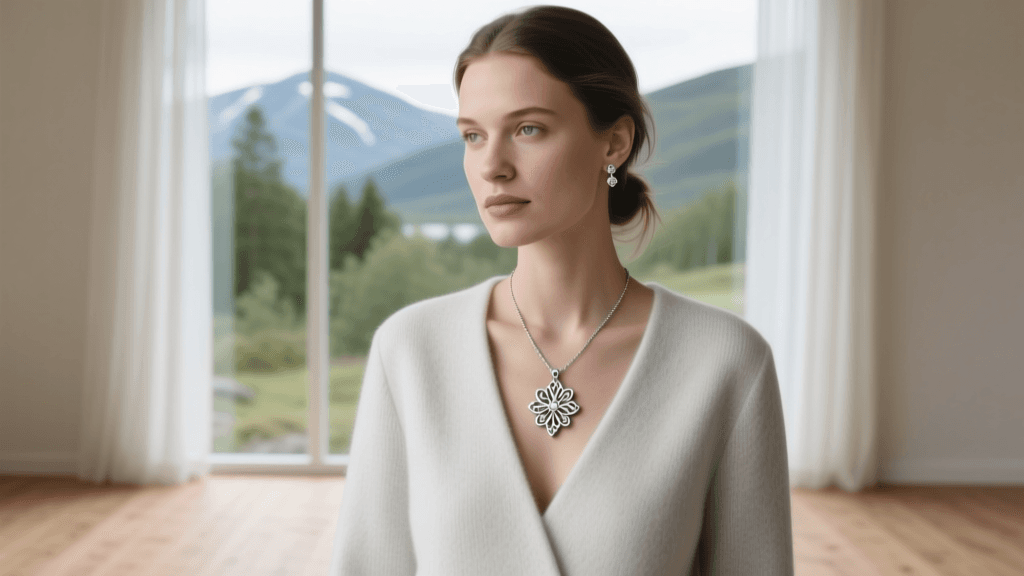
In the landscape of 2026 fashion, the European folk dress revival has matured significantly. We have moved far beyond the literal, head-to-toe costume reproductions that dominated heritage festivals in the early 2020s. Today, the prevailing aesthetic is what leading stylists call 'quiet heritage'—the subtle, intentional integration of traditional, historically significant garments and accessories into contemporary, minimalist wardrobes. Nowhere is this more evident than in the styling of the Norwegian sølje, the intricate silver jewelry traditionally worn with the Hardanger bunad.
For decades, the sølje was strictly reserved for national holidays like Syttende Mai (Constitution Day) or family weddings. However, in 2026, a new generation of designers and cultural enthusiasts are reclaiming these masterpieces of filigree and oxidized silver, wearing them as statement pieces against the backdrop of modern, structured tailoring and sustainable luxury fabrics. According to cultural heritage experts at the Norsk Folkemuseum, the adaptation of traditional folk accessories into daily life is a vital method of keeping intangible cultural heritage alive and relevant in the modern era.
Understanding the Hardanger Sølje
Before integrating the sølje into a contemporary wardrobe, it is essential to understand its anatomy and historical weight. The traditional Hardanger sølje is not merely a piece of jewelry; it is a complex assembly of silver components, each carrying historical and symbolic significance. Originating from the Hardanger region in western Norway, these pieces were historically used to secure the linen shifts and woolen bodices of the bunad, serving both a functional and deeply decorative purpose.
The Anatomy of the Silver
- Skjelhals (The Neck Ring/Bow): The foundational piece that sits at the collar, often featuring intricate filigree work and a central rosette.
- Skjeier (The Hanging Spoons): Small, spoon-shaped silver dangles that hang from the main brooch. Historically, the number of spoons indicated the wealth and status of the wearer. In 2026, modern silversmiths are creating minimalist variations with fewer, slightly larger spoons for a contemporary silhouette.
- Blad (The Leaves): Flat, leaf-shaped silver elements that provide a striking contrast to the spherical spoons and delicate wirework.
- Søljenål (The Pin/Brooch): The central mechanism, often heavily oxidized to create a dark patina that highlights the raised silver filigree.
The intentional oxidation (darkening) of the silver in the crevices of the filigree is a hallmark of Norwegian bunad jewelry. This patina provides a three-dimensional depth that polished, bright silver simply cannot achieve, making it an incredibly versatile texture for modern monochrome styling.
Core Principles of Contemporary Sølje Styling
Styling a centuries-old folk accessory in 2026 requires a careful balance of proportion, texture, and color. The goal is to let the craftsmanship of the sølje command attention without overwhelming the wearer or appearing as though they are wearing a theatrical costume. The Norwegian Association for Craft and Folk Art, Husfliden, frequently highlights how traditional artisans are collaborating with modern fashion houses to ensure these techniques survive by finding new, everyday applications.
1. The Monochrome Canvas Technique
The most effective way to showcase the intricate details of an oxidized Hardanger sølje is against a stark, monochrome canvas. In 2026, deep charcoal, matte black, and rich ivory are the preferred backgrounds. A heavily textured charcoal wool turtleneck or a crisp, oversized ivory poplin shirt allows the dark, oxidized silver and bright filigree highlights to pop visually. Avoid busy patterns, tartans, or loud floral prints, which will compete with the complex geometry of the silver wirework.
2. Proportion and Scale in Modern Tailoring
Traditional bunad jewelry was designed to be worn in clusters—neck brooches, chest pins, and cufflinks all at once. For contemporary minimalist styling, the rule of thumb is isolation and scale. Choose one hero piece—such as a large, vintage skjelhals—and pin it to the lapel of a structured, oversized wool blazer. Alternatively, use a smaller, delicate chest pin to secure the collar of a silk slip dress. By reducing the volume of jewelry, you elevate the piece from 'costume component' to 'haute couture accessory'.
3. Juxtaposing Textures
Heritage silver looks exceptionally striking when paired with unexpected, modern fabrics. While traditional pairings involve heavy wools and stiff linens, the 2026 styling matrix favors contrast. Think of pairing a heavy, antique sølje brooch with the fluid drape of a bias-cut silk charmeuse skirt, or pinning it to the lapel of a vegan leather trench coat. The tension between the rigid, historic metal and the fluid, modern fabric creates a compelling visual narrative.
2026 Sølje Styling Matrix: Garment Pairings
To provide actionable guidance for your wardrobe, we have developed a styling matrix based on current 2026 runway trends and street-style observations from Oslo and Bergen. This table outlines the best ways to pair specific types of sølje with contemporary garments.
| Sølje Type | Recommended 2026 Garment | Fabric & Texture | Ideal Occasion |
|---|---|---|---|
| Classic Hardanger Skjelhals (Oxidized) | Charcoal Wool Turtleneck Sweater | Heavy Ribbed Knit, Matte Finish | Winter Gallery Openings, Evening Dinners |
| Modernist Filigree Brooch (Bright Silver) | Ivory Silk Slip Dress | Bias-cut Silk Charmeuse, Fluid Drape | Summer Evening Events, Creative Galas |
| Miniature Sølje Studs / Cufflinks | Crisp White Poplin Button-Down | Woven Organic Cotton, Starched Collar | Everyday Office, Creative Studio Work |
| Vintage Brystdukke (Chest Piece) | Oversized Structured Blazer | Houndstooth Wool Blend, Padded Shoulders | Fashion Week, High-End Business Meetings |
Sourcing Authentic Pieces in 2026
As the demand for authentic European folk dress accessories has surged in 2026, the market has seen an influx of mass-produced imitations. To truly honor the tradition and ensure you are investing in a piece that holds its value, it is crucial to source from certified artisans. The Norwegian Directorate for Cultural Heritage (Riksantikvaren) emphasizes the importance of supporting registered master silversmiths who utilize traditional hand-forging and filigree techniques, rather than cast molds.
When shopping in 2026, look for the 'Sølvsmia' hallmark or purchase directly from established heritage jewelers in regions like Voss or Oslo. Pricing for authentic, handcrafted Hardanger sølje has adjusted to reflect the current silver market and artisan labor rates. As of early 2026, you can expect the following investment ranges:
- Miniature Brooches / Pins: 1,800 NOK to 2,500 NOK (Approx. $170 - $235 USD)
- Standard Skjelhals (Neck Bow): 4,500 NOK to 6,500 NOK (Approx. $425 - $615 USD)
- Elaborate Chest Pieces (Brystdukke): 8,000 NOK to 15,000+ NOK (Approx. $750 - $1,400+ USD)
For those seeking a more sustainable and budget-friendly route, the vintage market in 2026 is thriving. Estate sales and specialized antique jewelry dealers in Scandinavia offer mid-century sølje pieces that carry a beautiful, natural patina developed over decades of wear.
Caring for Oxidized Heritage Silver
Maintaining a traditional sølje requires specific care, particularly because the beauty of the piece relies on its oxidation. The dark patina in the recesses of the filigree is what gives the silver its three-dimensional, antique appearance. Using standard commercial silver dips or harsh abrasive polishes will strip this oxidation, leaving the piece looking flat, overly bright, and historically inaccurate.
The 2026 Eco-Friendly Cleaning Protocol
- Dust and Debris Removal: Use a soft, clean makeup brush (like a kabuki brush) to gently sweep away dust and skin oils from the intricate wirework.
- Targeted Polishing: Use a dry, treated silver polishing cloth. Gently rub only the raised surfaces of the silver. Never press the cloth into the deep crevices, as this will remove the intentional black oxidation.
- Storage: Store your sølje in a tarnish-preventative flannel pouch. Avoid airtight plastic bags, which can trap moisture and cause unpredictable spotting on the silver alloys used in traditional folk jewelry.
- Avoid Chemicals: Always apply perfumes, hairsprays, and lotions before putting on your sølje. The alcohol and chemicals in modern cosmetics can react with the silver alloys and degrade the delicate hanging spoons (skjeier) over time.
'The true beauty of the bunad silver lies not just in its shine, but in its shadows. The oxidation tells the story of the metal, grounding it in history while allowing it to catch the light in a way that modern, polished jewelry simply cannot replicate.' — Master Silversmith, Voss Heritage Guild.
Conclusion: Wearing History in the Modern World
The integration of the Norwegian Hardanger sølje into a 2026 minimalist wardrobe is a testament to the timelessness of exceptional craftsmanship. By treating these pieces not as museum relics or rigid costume requirements, but as dynamic, wearable art, we participate in a living tradition. Whether you are pinning a vintage chest piece to a modern wool blazer or wearing delicate silver studs to the office, you are bridging centuries of European folk history with the cutting edge of contemporary style. Embrace the weight, the texture, and the history of the silver, and let your wardrobe tell a story that spans generations.