Norwegian Bunad Silver & Krone Headwear Guide 2026
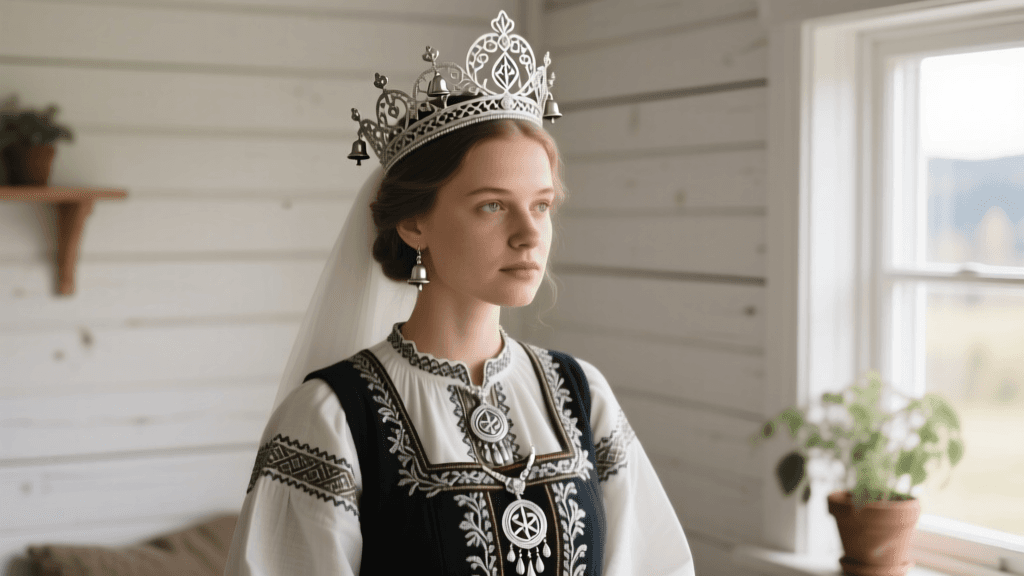
The Norwegian bunad is far more than a mere festive garment; it is a profound expression of regional identity, familial lineage, and master craftsmanship. As we move through 2026, the global appreciation for slow fashion and heritage textiles has sparked an unprecedented renaissance in traditional European folk dress. At the very heart of this movement is the meticulous art of bunadsølv (bunad silver) and the breathtaking bridal krone (crown) headwear. These accessories are not simply decorative afterthoughts; they are the historical and spiritual anchors of the Norwegian folk ensemble. For contemporary enthusiasts, collectors, and brides planning a heritage wedding in 2026, understanding the nuances of these silver treasures and crowned headpieces is essential.
The Living Heritage of Bunadsølv in 2026
Historically, silver in rural Norway served a dual purpose: it was a dazzling display of a family's social standing and a highly portable form of wealth. In times of agricultural hardship or economic instability, a farmer's silver could be melted down or pawned to save the homestead. Today, the economic function has been entirely replaced by deep cultural reverence. According to recent cultural heritage reports from the Norsk Folkemuseum in Oslo, the preservation of traditional silversmithing techniques has become a national priority. In 2026, the demand for hand-forged, region-specific silver has outpaced the supply of master artisans, leading to a robust revival of apprenticeships across the fjords and valleys. Modern wearers view their silver not just as jewelry, but as an intergenerational investment, often passing down intricate breast brooches and belt clasps from mother to daughter, or increasingly, from father to son, as gender norms in folk dress continue to evolve.
Anatomy of the Norwegian Bunad Silver Set
A complete bunad silver set is a marvel of metallurgical artistry, typically featuring techniques such as filigran (filigree), drivning (repoussé), and gravering (engraving). Each piece is strictly dictated by the specific regional bunad it accompanies. Mixing silver from a Telemark bunad with a Hardanger bunad is considered a major sartorial faux pas in traditional circles.
The Sølje (Brooch) and Halsknapp (Neck Button)
The most iconic piece of Norwegian folk jewelry is the brystssølje (breast brooch). Often shield-shaped or circular, it is heavily ornamented with dangling silver leaves, known as løv, and small spheres. Historically, the reflective surface of the polished silver and the clinking sound of the dangling leaves were believed to ward off evil spirits and trolls, particularly protecting vulnerable individuals like brides and unbaptized infants. The halsknapp, or neck button, is a smaller, domed silver piece worn at the collar of the linen shirt. In 2026, contemporary silversmiths are utilizing advanced 3D scanning to recreate lost 18th-century molds, ensuring that modern reproductions are historically flawless while maintaining the soul of hand-finished polishing.
Beltestølv (Belt Silver) and Cufflinks
The beltestølv consists of ornate silver plaques mounted on a thick leather or intricately woven band. For men's bunads, the belt silver is often heavier, featuring robust repoussé work depicting acanthus leaves or mythical beasts. Cufflinks (mansjettknapper) and shoe buckles (skospenner) complete the ensemble. The weight of a full silver set can be substantial, often exceeding two kilograms, which requires the heavy, structured wool of the bunad to support it properly without tearing the fabric.
The Bridal Krone: Norway’s Crown Jewel Headwear
No discussion of Norwegian folk accessories is complete without the brudekrone (bridal crown). Unlike the delicate floral wreaths (krans) worn by unmarried girls during midsummer celebrations, the bridal krone is a towering, majestic structure that signifies a woman's transition into married life.
Construction and Regional Variations
The traditional krone is typically crafted from brass or silver-gilt copper, heavily adorned with glass stones, semi-precious gems, mirrors, and sometimes genuine freshwater pearls. The design varies wildly by region. The Hardanger krone is famous for its tall, symmetrical spires and intricate wirework, often featuring small, dangling metal elements that create a shimmering halo effect and a delicate chiming sound when the bride turns her head. Conversely, the crowns from the Telemark and Numedal regions tend to be wider, featuring elaborate openwork arches and vibrant, jewel-toned glass cabochons.
'The bride's crown is not merely worn; it is borne. It carries the weight of her ancestors, the prayers of her community, and the bright, reflective hope of her new life.' — Traditional Norwegian Folk Proverb.
In 2026, the rental market for antique bridal crowns is incredibly competitive. Many families are choosing to commission bespoke crowns from master metalworkers, integrating modern metallurgical alloys that reduce the physical weight of the crown while preserving the historical aesthetic, ensuring the bride remains comfortable throughout a long day of traditional folk dancing and feasting.
Sourcing Authentic Silver: 2026 Market Guide
Acquiring authentic bunad silver requires patience, a reputable source, and a significant financial commitment. The Norwegian Craft Association (Norges Husflidslag) maintains strict guidelines on what constitutes genuine bunad silver, emphasizing the necessity of the official stamp and the artisan's maker mark. Mass-produced, imported castings are widely rejected by the folk dress community.
| Silver Component | Traditional Material | 2026 Average Price (USD) | Artisan Lead Time |
|---|---|---|---|
| Brystsølje (Breast Brooch) | 925 Sterling Silver, Brass | $450 - $1,200 | 4 - 8 Months |
| Halsknapp (Neck Button) | 925 Sterling Silver | $120 - $300 | 2 - 4 Months |
| Beltestølv (Belt Fittings) | Silver, Leather | $800 - $2,500 | 6 - 12 Months |
| Bridal Krone (Crown) | Brass, Silver Gilt, Glass | $1,500 - $4,000+ | Custom / Vintage |
Care, Maintenance, and Styling Etiquette
Caring for bunad silver is a ritual in itself. The approach to cleaning depends heavily on the specific regional tradition. Some regions, particularly in Vestland, prefer their silver to have a slightly oxidized, darkened patina in the crevices of the filigree to highlight the intricate three-dimensional relief work. Other regions demand a brilliant, mirror-like polish. In 2026, conservationists strongly advise against the use of harsh chemical dips or ultrasonic cleaners, which can strip away historical oxidation and loosen the delicate solder joints of the dangling løv. Instead, a mild, phosphate-free soap, a soft-bristled brush, and specialized microfiber polishing cloths are the gold standard for maintenance.
When styling the bunad for contemporary events, the golden rule remains strict adherence to regional authenticity. The silver must match the geographical origin of the wool garment. Furthermore, the placement of the brooches is highly specific; the brystssølje is traditionally pinned directly through the heavy wool or the underlying linen, requiring specialized, reinforced pin backs that modern 2026 silversmiths have ingeniously redesigned to prevent fabric degradation over time.
Ultimately, the jewelry and headwear of the Norwegian bunad represent a masterclass in European folk dress accessories. They are wearable museums, echoing the triumphs, superstitions, and artistic zeniths of the past, while continuing to forge a vibrant, living identity in the present day. Whether you are investing in your first halsknapp or commissioning a family heirloom bridal krone, you are participating in a profound continuum of European textile and metallurgical heritage.