The Haori Jacket: Styling Traditional Japanese Streetwear
The Evolution of the Haori: From Battlefield to Boulevard
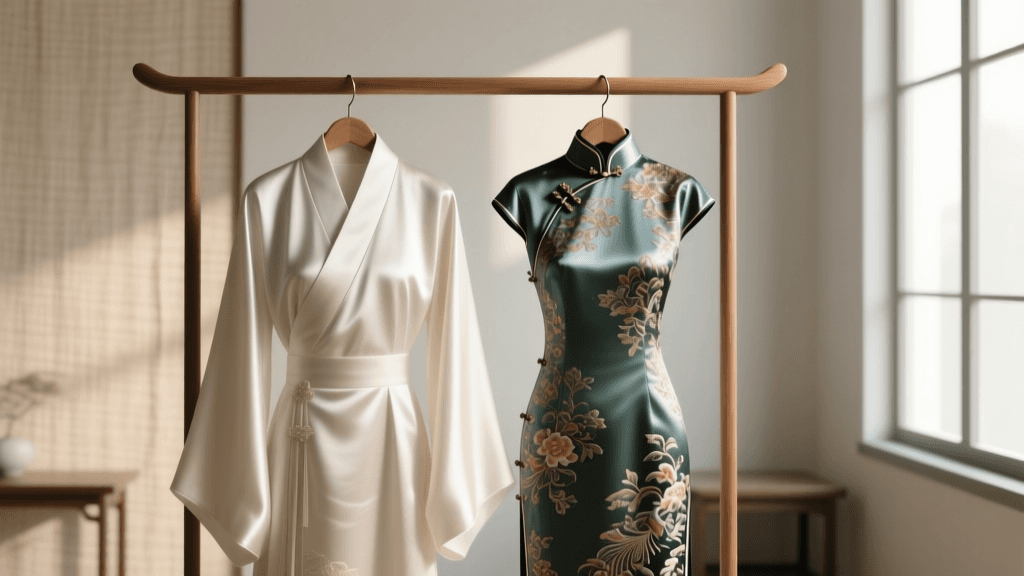
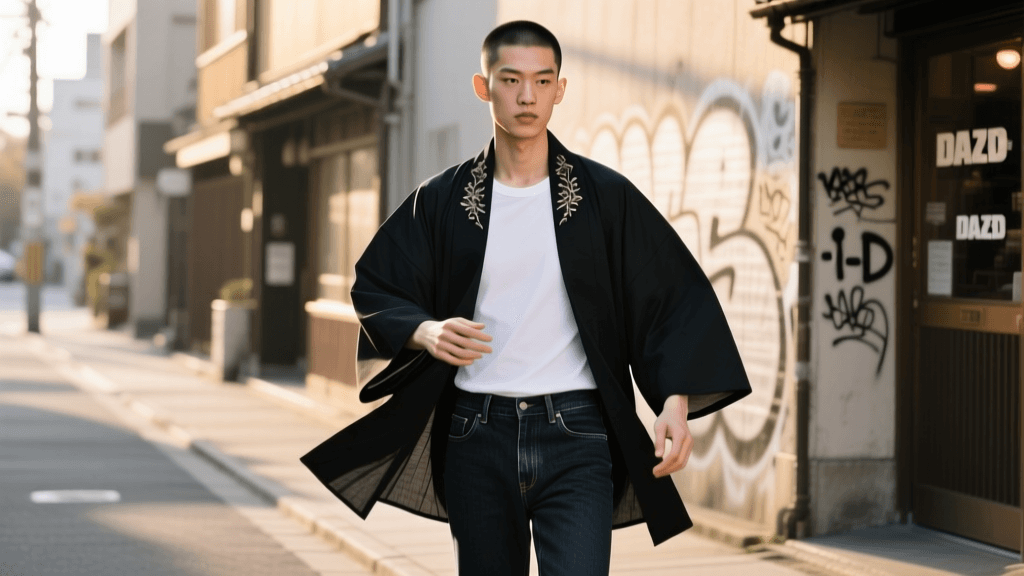
The Japanese haori is a traditional hip- or thigh-length kimono-style jacket, historically worn over a kosode or kimono. While its origins are deeply rooted in the feudal and Edo periods of Japan, today it has transcended its historical boundaries to become a cornerstone of modern streetwear and global avant-garde fashion. Unlike the tightly wrapped and meticulously tied kimono, the haori is designed to be worn open, offering a relaxed, flowing silhouette that translates effortlessly into contemporary layering. For streetwear enthusiasts, vintage hunters, and high-fashion aficionados alike, the haori represents a perfect marriage of historical craftsmanship and modern utility.
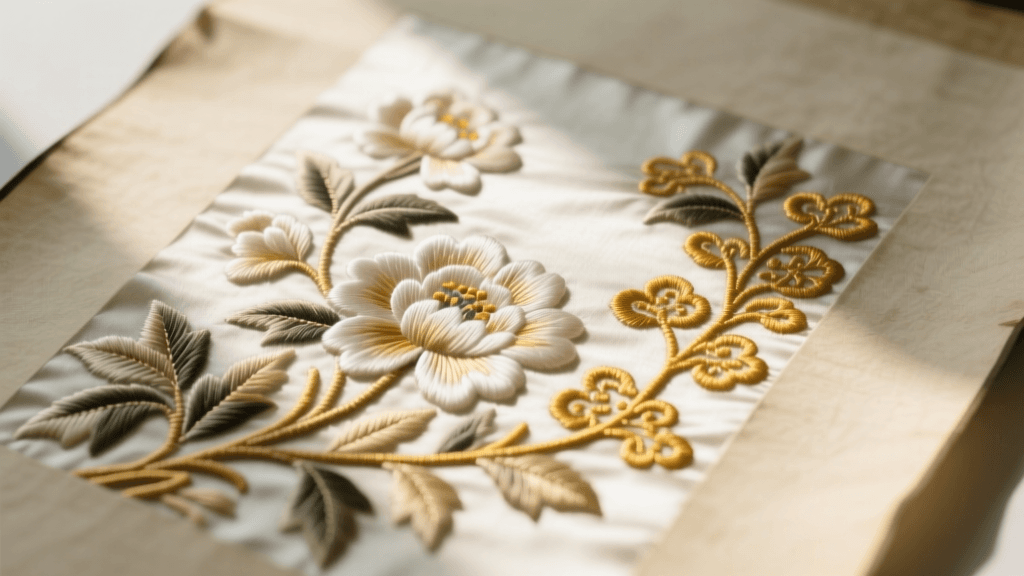
To understand the haori’s modern appeal, one must look at its origins. During the Edo period (1603–1867), the haori was primarily worn by samurai as a protective outer layer against the elements, often bearing the family crest (kamon) on the back and sleeves. As the merchant class gained wealth, they began wearing haori as well. However, strict sumptuary laws often forced them to hide lavish, hand-painted silk linings beneath austere, dark exteriors. According to the Metropolitan Museum of Art, the evolution of Japanese outerwear during this period reflects a complex interplay of social hierarchy, artistic expression, and practical necessity. This hidden luxury—a concept known as 'iki' or understated elegance—resonates deeply in modern streetwear, where subtle details, premium inner linings, and hidden pockets are prized over loud, overt branding.
Why the Haori is the Ultimate Streetwear Layering Piece
The transition of the haori from traditional Japanese dress to a global streetwear staple is a testament to its incredibly versatile silhouette. In the late 1990s and early 2000s, Harajuku street fashion pioneers began deconstructing and remixing vintage kimono and haori, pairing them with denim, combat boots, and graphic tees. The Victoria and Albert Museum has extensively documented this cross-cultural pollination, noting how Japanese garments have continuously influenced Western fashion houses and street-level style tribes.
The haori’s open front, wide sleeves, and drop-shoulder construction make it an ideal alternative to the standard bomber jacket, cardigan, or trench coat. It provides dramatic movement and a striking visual profile without the restrictive tailoring of Western outerwear. Furthermore, the lack of buttons or zippers allows for effortless temperature regulation and dynamic layering, making it a functional piece for transitional weather in urban environments.
How to Style the Haori for Modern Street Fashion
Integrating a centuries-old garment into a modern wardrobe requires an understanding of proportion, texture, and silhouette. Here are three actionable, streetwear-approved ways to style the haori today.
Look 1: Techwear Fusion
Techwear prioritizes utility, waterproof materials, and a dystopian aesthetic. Modern brands have begun producing haori out of nylon, ripstop, and Gore-Tex to bridge tradition with futuristic utility.
- The Garment: A black or olive nylon tech-haori with hidden interior pockets and adjustable bungee cords at the hem.
- The Base: A moisture-wicking, high-neck compression top or a minimalist grey hoodie.
- The Bottoms: Tapered cargo pants with articulated knees and nylon webbing belts.
- Footwear: Chunky, aggressive trail sneakers like the Salomon XT-6 or Nike Air Max 95.
- Estimated Cost: $120 - $250 for a modern tech-haori from independent streetwear labels.
Look 2: Neo-Vintage Americana
This look leans into the thrift-store culture of Tokyo's Koenji and Shimokitazawa districts, blending Japanese heritage with rugged American workwear.
- The Garment: A vintage silk haori featuring a bold, hand-painted motif (such as dragons, tigers, or crashing waves) on the back panel.
- The Base: A faded, heavyweight vintage band t-shirt or a worn-in waffle-knit henley.
- The Bottoms: Raw, unwashed selvedge denim with a pronounced cuff to show off the selvedge line.
- Footwear: Red Wing Iron Ranger boots or heavily patinated Converse Chuck 70s.
- Estimated Cost: $40 - $90 for an authentic vintage silk haori sourced from Japanese thrift markets.
Look 3: Minimalist Monochrome
For those who prefer a cleaner, more architectural silhouette, a minimalist approach highlights the drape and fabric weight of the garment.
- The Garment: A heavy linen or wool-blend haori in charcoal, navy, or slate grey, devoid of external crests or loud patterns.
- The Base: A crisp, white heavyweight boxy t-shirt (e.g., Uniqlo U or Lady White Co.).
- The Bottoms: Wide-leg pleated trousers that pool slightly at the ankle.
- Footwear: Chunky leather loafers or minimalist white sneakers like the Margiela Replica.
- Estimated Cost: $80 - $150 for modern linen/cotton interpretations.
Sizing, Measurements, and the Perfect Fit
Unlike Western jackets that are sized by chest circumference (S, M, L, XL), traditional haori are measured using specific Japanese tailoring metrics. Because the haori is meant to drape loosely, the most critical measurements are the shoulder drop and the sleeve length.
- Yuki (Sleeve Length): Measured from the center back of the neck, across the shoulder, and down to the wrist. For a modern streetwear look, aim for a Yuki of 75cm to 85cm (29-33 inches) to ensure the sleeves extend past your inner t-shirt layer.
- Katahaba (Shoulder Width): The straight-line distance across the back from shoulder seam to shoulder seam. Vintage haori often feature a 'drop-shoulder' where the seam sits on the upper arm. Look for a Katahaba of 60cm to 70cm (23-27 inches) for that oversized, relaxed streetwear drape.
- Sodeguchi (Sleeve Opening): The width of the sleeve at the wrist. Traditional haori have wide openings that create a dramatic flare when you move your arms. Avoid modern costume-grade haori with narrow, cuffed sleeves, as they ruin the authentic silhouette.
Traditional Vintage Haori vs. Modern Streetwear Haori
| Feature | Vintage Silk Haori (Pre-1980s) | Modern Streetwear Haori (Contemporary) |
|---|---|---|
| Material | 100% Silk exterior, hand-painted silk lining | Cotton, Linen, Nylon, Ripstop, Polyester blends |
| Fit & Silhouette | Boxy, dramatic drop-shoulder, wide T-shaped sleeves | Often slightly tailored, may include modern cuffs or zippers |
| Fastening | None (worn open) or tied with hidden internal silk cords | Open front, occasionally featuring snap buttons or toggles |
| Price Range | $35 - $120 (Thrift/Vintage markets) | $90 - $300+ (Boutique/Streetwear brands) |
| Care | Dry clean only, highly susceptible to water stains | Machine washable (cotton/nylon) or spot clean |
Where to Buy: Navigating Costs and Sourcing
If you are looking to acquire an authentic piece, knowing where and when to shop is crucial. For the best vintage silk haori, the thrift stores of Tokyo's Koenji and Shimokitazawa neighborhoods are unparalleled. Stores like Chicago and New York Joe Exchange often receive fresh stock on Tuesday and Thursday mornings, making early weekday visits the best strategy for finding rare, hand-painted linings.
For those outside of Japan, online proxy services like Buyee or ZenMarket allow you to bid on Yahoo! Auctions Japan. Searching for 'vintage haori' or 'antique haori men' can yield incredible silk pieces for as little as $20 to $40, plus international shipping. When buying online, always request photos of the inner lining and check for 'shimi' (age spots) or silk shattering, which is common in garments stored improperly in humid climates.
If you prefer modern, durable fabrics suited for daily streetwear abuse and machine washing, look to contemporary Japanese brands like Noragi, or independent streetwear labels on platforms like Grailed and Etsy that specialize in upcycled kimono textiles. Expect to pay a premium ($150+) for modern pieces that adapt traditional tailoring to contemporary fabrics.
Caring for Your Garment
Proper maintenance ensures your haori retains its structural integrity and visual impact. Vintage silk haori must never be machine washed or submerged in water, as the silk will warp, shrink, and lose its luster. Always opt for professional dry cleaning and store the garment folded flat in a breathable cotton garment bag with cedar blocks to deter moths and absorb moisture. Modern cotton or nylon haori, however, can generally be washed on a gentle, cold-water cycle and hung to air dry. By respecting the material and understanding its historical context, the haori becomes more than just a jacket—it becomes a wearable piece of history that anchors any modern streetwear rotation.