Styling the Japanese Haori in 2026: Modern Wardrobe Integration
The Japanese haori, originally worn by samurai during the Edo period to protect against the elements and display family crests, has transcended its historical roots to become a cornerstone of global contemporary fashion in 2026. As the fashion industry leans heavily into quiet luxury, heritage-driven sustainability, and gender-fluid silhouettes, the haori offers a masterclass in versatile layering. Unlike the highly structured and restrictive kimono, the haori is an open-front jacket that drapes effortlessly, making it the perfect bridge between traditional Asian garments and modern Western wardrobes. Whether you are navigating the minimalist office dress codes of 2026 or curating an avant-garde streetwear ensemble, integrating a haori into your daily rotation elevates your aesthetic with profound cultural resonance and unmatched textile artistry.
The Historical Bridge to Modernity
To understand how to style the haori today, one must appreciate its structural origins. According to the Metropolitan Museum of Art, the layering of garments has been a defining characteristic of Japanese dress for centuries. The haori was designed to be worn over the kosode (the precursor to the modern kimono) and is characterized by its straight, T-shaped silhouette, open front, and lack of overlapping closures. Instead of tying shut, the haori is secured with two short braided cords known as haori himo, which tie at the center chest. This open-front construction is precisely what makes the haori so adaptable to modern clothing; it functions much like a Western cardigan, duster coat, or unstructured blazer, allowing the base layers to remain visible and uninterrupted.
2026 Textile Trends: Sustainability and Heritage
In 2026, the global fashion conversation is dominated by sustainable practices and the preservation of artisanal techniques. Modern consumers are moving away from fast fashion and investing in heritage textiles. The haori is at the forefront of this movement. We are seeing a massive resurgence in upcycled vintage silks, where damaged kimonos are deconstructed and tailored into modern, cropped haori jackets. Furthermore, traditional techniques like Boro (patchwork mending) and Sashiko (decorative reinforcement stitching) are being utilized by contemporary designers to create one-of-a-kind, textured outerwear that tells a story of longevity and repair.
For those seeking authentic, newly woven textiles, the recognition of traditional Japanese weaving techniques remains vital. The UNESCO Intangible Cultural Heritage list highlights techniques such as Yuki-tsumugi silk weaving, which produces incredibly lightweight, warm, and durable pongee silk. In 2026, independent Japanese artisans are adapting these heritage silks into relaxed, unlined haori jackets specifically designed for year-round layering in climate-controlled urban environments.
Office Integration: The Smart-Casual Haori
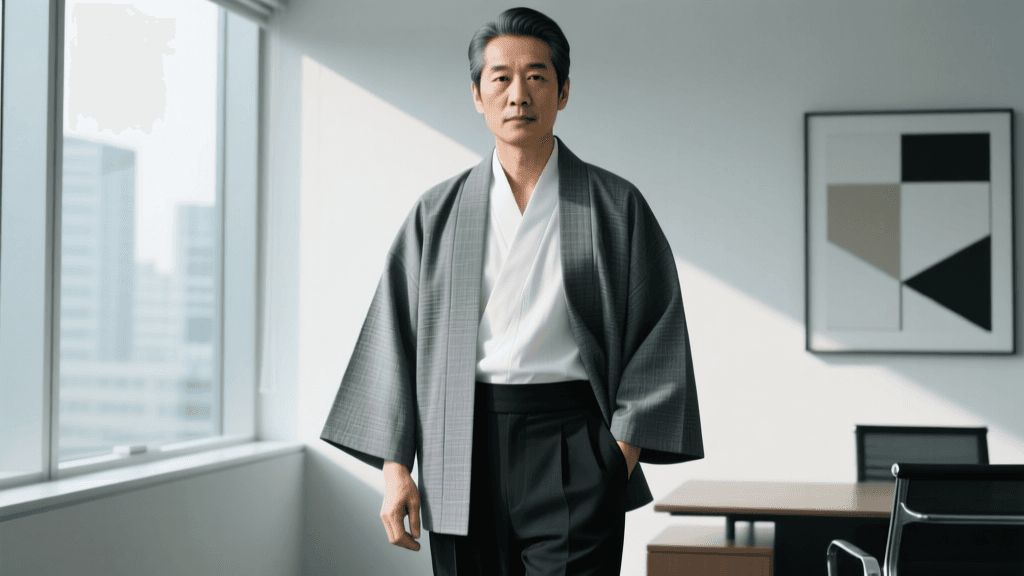
Integrating a haori into a professional or smart-casual office wardrobe requires a focus on proportion, fabric weight, and color palette. The unstructured nature of the haori makes it an excellent alternative to the traditional blazer, offering a relaxed yet sophisticated silhouette that aligns with the 2026 shift towards comfort-oriented workwear.
- The Base Layer: Pair a mid-length silk or linen haori with a fine-gauge merino wool turtleneck or a crisp, oversized poplin button-down shirt. The contrast between the matte Western fabrics and the subtle sheen of the Japanese silk creates visual depth.
- The Bottoms: Opt for high-waisted, wide-leg tailored trousers or pleated wool trousers. The vertical drape of the haori complements the elongated lines of wide-leg pants, creating a continuous, flowing silhouette.
- Color and Pattern: For conservative offices, avoid loud, contrasting patterns. Instead, look for haori featuring subtle jacquard weaves, tone-on-tone embroidery, or solid dyed linens in muted earth tones like charcoal, olive, navy, and rust.
- Accessories: Skip the traditional haori himo if it feels too ceremonial for your workplace. Many modern wearers leave the jacket completely open, or use a minimalist leather belt cinched loosely at the back to give the jacket a slight waist definition without altering the front drape.
Streetwear Synergy: Urban Layering
On the other end of the spectrum, the haori has become a staple in the global streetwear and techwear scenes. The boxy, oversized fit of a traditional haori naturally aligns with the voluminous silhouettes favored in contemporary urban fashion. In 2026, streetwear styling emphasizes the juxtaposition of hyper-modern materials with ancient craftsmanship.
For a bold streetwear look, layer a heavy cotton or denim Sashiko-stitched haori over a heavyweight graphic hoodie and relaxed-fit cargo pants. The cropped length of some modern haori adaptations works exceptionally well with high-waisted baggy denim, allowing the jacket to hit right at the natural waist. Footwear in this context ranges from chunky, avant-garde leather boots to minimalist, retro-running sneakers. The key to streetwear styling is intentionality; let the haori be the statement piece, keeping the underlying layers monochromatic and utilitarian to allow the intricate textile work of the jacket to command attention.
The 2026 Haori Styling Matrix
To help you visualize how to build outfits around this versatile garment, refer to the styling matrix below, which categorizes looks based on occasion and fabric type.
| Occasion | Haori Fabric & Style | Base Layer | Bottoms | Footwear |
|---|---|---|---|---|
| Corporate Office | Solid Linen or Matte Silk, Mid-thigh length | Fine-gauge Turtleneck | Tailored Wide-leg Trousers | Leather Loafers or Chelsea Boots |
| Creative Studio | Upcycled Vintage Silk, Bold Patterns | Oversized Poplin Shirt | Pleated Midi Skirt or Culottes | Minimalist White Sneakers |
| Urban Streetwear | Sashiko Cotton or Denim, Cropped | Heavyweight Hoodie or Graphic Tee | Baggy Cargo Pants or Raw Denim | Chunky Avant-Garde Boots |
| Evening Social | Jacquard Silk with Metallic Threads | Silk Camisole or Fitted Bodysuit | Satin Slip Skirt or Leather Pants | Strappy Heels or Pointed Mules |
Sourcing: Vintage vs. Contemporary Makers
When building your haori collection in 2026, you have two primary avenues: vintage archives and contemporary makers. The vintage market is incredibly robust, with specialized online curators and physical markets in Tokyo's Omotesando and Kyoto's Toji flea market offering authentic, mid-20th-century silk haori at accessible price points. When buying vintage, always check the condition of the silk along the shoulder seams, as prolonged exposure to light and wire hangers can cause the fabric to shatter over time.
For those who prefer new garments with guaranteed structural integrity, contemporary Japanese brands and government-supported artisans are excellent resources. The Japanese Ministry of Economy, Trade and Industry (METI) officially designates and supports Traditional Craft Products, ensuring that artisans using historical techniques can sustain their practices. Purchasing a haori from a METI-designated cooperative not only guarantees exceptional quality but also directly supports the survival of rural weaving and dyeing communities in Japan.
Garment Care and Preservation
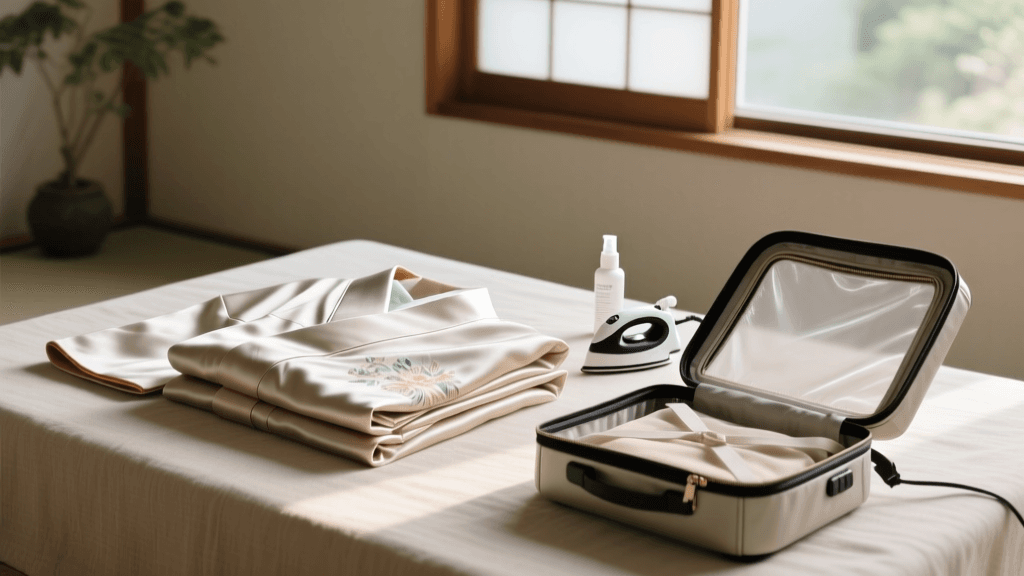
Proper maintenance is crucial for preserving the integrity of your haori, especially when dealing with delicate heritage silks. Never store a silk haori on a wire or thin wooden hanger, as the weight of the garment will distort the shoulder seams and cause permanent stretching. Instead, fold the haori using the traditional Japanese method (tatami) and store it flat in a breathable cotton drawer or wrapped in acid-free tissue paper. If you must hang it, use a wide, padded hanger.
When it comes to cleaning, avoid standard dry cleaners who may use harsh chemicals that strip the silk of its natural luster. Seek out a specialist in Asian garment care. For modern cotton, linen, or hemp haori, gentle hand washing in cold water with a pH-neutral detergent is usually sufficient. Always lay the garment flat to dry in the shade, as direct sunlight will rapidly fade natural plant dyes like indigo and madder root.
Conclusion
The integration of the Japanese haori into modern wardrobes is more than a fleeting trend; it is a testament to the timelessness of functional, culturally rich design. By understanding the garment's history, respecting its textile origins, and thoughtfully pairing it with contemporary pieces, you can create a 2026 wardrobe that is deeply personal, globally conscious, and effortlessly stylish. Whether draped over a sharp office ensemble or layered into an edgy streetwear look, the haori remains a powerful symbol of sartorial bridge-building, proving that true elegance transcends both time and geography.