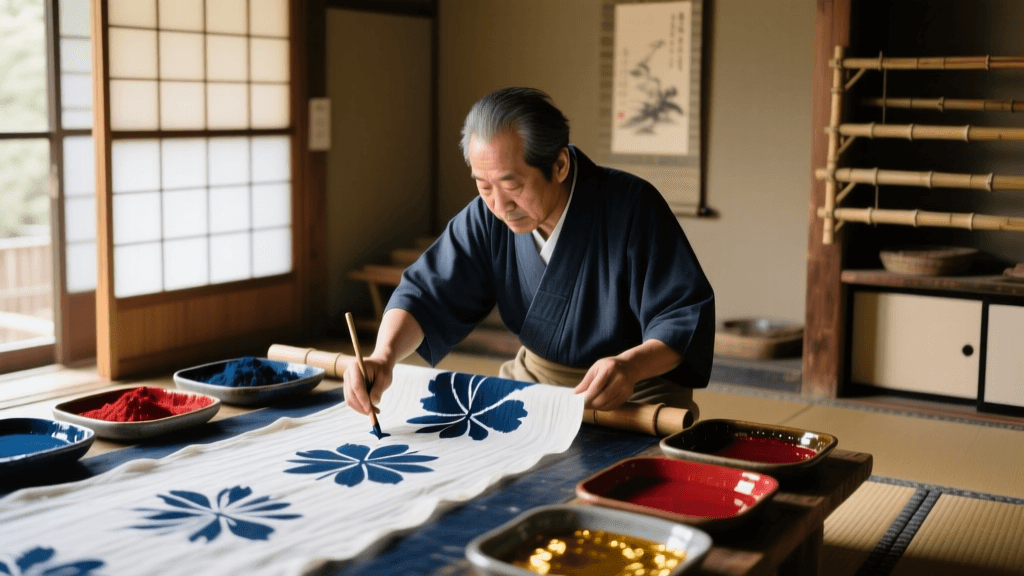
Haori and Hakama: Japanese Streetwear's Modern Revival
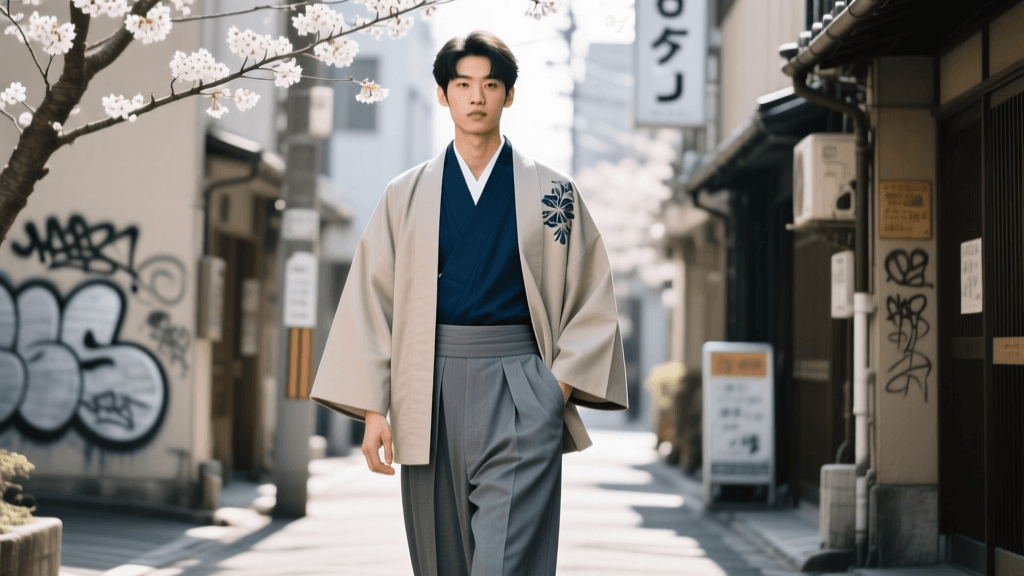
The Intersection of Edo Tradition and Harajuku Streets
Walk through the neon-lit alleys of Harajuku or the minimalist boulevards of Daikanyama, and you will notice a distinct sartorial shift. The rigid boundaries between historical Japanese garments and contemporary global streetwear have dissolved. At the forefront of this neo-traditional movement are the haori (a traditional hip- or thigh-length jacket) and the hakama (pleated, wide-leg trousers). Once reserved strictly for tea ceremonies, martial arts, and coming-of-age ceremonies, these silhouettes are now being re-engineered for the modern urban wardrobe.
This revival is not merely about cosplay or superficial cultural appropriation; it is a sophisticated reimagining of Japanese tailoring. Designers are merging Edo-period drape with GORE-TEX, heavy selvedge denim, and avant-garde proportion play. According to cultural heritage guides like the Japan Experience Traditional Clothing Guide, the structural genius of traditional Japanese clothing lies in its flat-pattern cutting and zero-waste geometry. Modern streetwear brands are leveraging these exact principles to create garments that offer unparalleled breathability, layering potential, and gender-fluid silhouettes.
Deconstructing the Modern Haori: Streetwear Styling and Sizing
In traditional contexts, the haori is worn open over a kimono, secured by a braided silk cord known as a haori himo. In modern streetwear, the haori has effectively replaced the coach jacket, the cardigan, and the bomber jacket. Its straight, boxy cut and wide sleeves make it the ultimate layering piece for transitional weather.
When integrating a haori into a streetwear rotation, the fabric choice is paramount. While vintage silk haori feature stunning but fragile linings, modern streetwear iterations utilize heavy cotton canvas, wool blends, and even technical ripstop nylon. The collar (eri) is typically left open, framing a heavyweight hoodie or a high-neck turtleneck underneath.
Actionable Guide: Buying and Sizing a Streetwear Haori
Unlike Western jackets, Japanese garments are measured using specific traditional metrics. If you are hunting for vintage pieces in Tokyo's Shimokitazawa thrift stores or ordering from modern artisans, you must understand these measurements:
- Yuki (Center Back to Wrist): This is the most critical measurement. It is taken from the center back of the neck, across the shoulder, and down to the wrist. For a modern, oversized streetwear fit, look for a Yuki measurement between 85cm and 92cm (approx. 33.5 to 36 inches). This ensures the shoulder seam drops down the arm, creating that coveted slouchy silhouette.
- Sodeguchi (Sleeve Opening): Traditional haori have massive sleeve openings to accommodate kimono sleeves underneath. For streetwear, a sodeguchi of 45cm to 55cm is ideal. Anything wider may catch on bags or look overly theatrical for daily wear.
- Mihaba (Body Width): Measured from armpit to armpit and doubled. A modern streetwear haori should have a mihaba of at least 120cm to allow for thick winter layering over hoodies.
Hakama Pants: The Ultimate Techwear and Streetwear Silhouette
If the haori is the king of outerwear layering, the hakama is the undisputed champion of avant-garde trousers. Characterized by their deep, structured pleats and high waist, hakama pants create a dramatic, flowing silhouette that obscures the legs while in motion. This voluminous drape has made them a staple in the techwear and darkwear communities, where movement and anonymity are key aesthetic pillars.
While traditional hakama feature exactly seven pleats (five in the front, two in the back) representing the seven virtues of the samurai, modern streetwear designers often exaggerate these pleats or introduce asymmetrical draping. Furthermore, the traditional method of securing hakama involves complex, lengthy cotton ties (himo) wrapped around the waist. Modern streetwear adaptations frequently replace these with hidden velcro straps, snap buttons, or drawcords, bridging the gap between historical aesthetics and urban convenience.
Comparison Chart: Traditional vs. Modern Streetwear Hakama
| Feature | Traditional Hakama | Modern Streetwear Hakama |
|---|---|---|
| Fabric | Silk, polyester blends, stiff cotton | Selvedge denim, GORE-TEX, corduroy, ripstop |
| Pleat Structure | Strict 7 pleats (5 front, 2 back) | Exaggerated, asymmetrical, or dropped-crotch |
| Fastening | Long cotton ties requiring specific knots | Velcro, snap-buttons, elastic waistbands |
| Length | Ankle-grazing, meant to hide feet | Often cropped to showcase statement footwear |
| Price Range | $80 - $400 (Rental or basic retail) | $250 - $1,500+ (Designer/Artisan) |
Top Brands Leading the Neo-Japonisme Streetwear Movement
To execute this look authentically, one must look to the brands that respect the craftsmanship of the past while designing for the future. According to extensive coverage by Hypebeast's Japanese Fashion Archives, several key labels have mastered this fusion.
1. Sou-Sou (Kyoto)
Sou-Sou is arguably the most accessible entry point into modern traditional wear. Based in Kyoto, they utilize traditional weaving techniques but apply them to contemporary, pop-art-inspired patterns. Their modern hakama trousers are cut with a slightly tapered leg to accommodate sneakers, and their split-toe jika-tabi shoes are legendary in the streetwear community. You can explore their seasonal collections directly via the Sou-Sou Official English Store.
2. Kapital (Kojima, Okayama)
Kapital takes the hakama and filters it through the lens of American workwear and Japanese boro (mending) traditions. Their denim hakama are iconic, featuring heavy 14oz selvedge denim, intricate sashiko stitching, and exaggerated wide-leg cuts. They are an investment piece, often retailing between $400 and $800, but they offer unmatched durability and fade potential.
3. Yohji Yamamoto / Ground Y (Tokyo)
Yohji Yamamoto is the godfather of the avant-garde hakama. His mainline and diffusion lines frequently feature hakama-inspired trousers crafted from flowing wool gabardine or high-tech synthetics. The drape is unparalleled, designed to pool elegantly around the ankle. These pieces are strictly for the high-fashion streetwear enthusiast, with prices often exceeding $1,000.
Practical Guide: Building Your First Neo-Traditional Outfit
Transitioning into this aesthetic requires an understanding of proportion and texture. Here is a practical, actionable blueprint for building a modern haori and hakama outfit, including estimated costs and timing for purchases.
The Outfit Blueprint
- The Base Layer: A heavyweight, boxy cotton t-shirt or a ribbed mock-neck sweater. Avoid loud graphics; let the outerwear speak. (Cost: $40 - $120)
- The Outerwear (Haori): A mid-length, cotton-canvas haori in a muted earth tone (olive, navy, or charcoal). Wear it completely open to create vertical lines that elongate the torso. (Cost: $150 - $350)
- The Trousers (Hakama): A cropped, pleated trouser in a technical fabric or heavy denim. The crop should hit right above the ankle bone to prevent the wide hem from dragging on wet city streets. (Cost: $200 - $600)
- The Footwear: This is where the streetwear element truly anchors the look. Pair the cropped hakama with chunky, futuristic sneakers (like the Nike ISPA Flow) or leather Tabi boots. Avoid traditional zori sandals unless you are attending a specific cultural festival. (Cost: $150 - $400)
Timing and Sourcing Strategy
If you are on a budget, the best time to source authentic, high-quality vintage haori is during the Japanese Obon festival in August or the New Year (Oshogatsu) period, when many households sell off heirloom garments to second-hand markets. Stores like the famous Otsuka Kimono in Tokyo or online vintage curators on Depop and Grailed often discount silk and wool haori to as low as $30 to $80 during these seasonal clear-outs.
For modern streetwear interpretations from brands like Sou-Sou or Kapital, plan your purchases around the bi-annual fashion week drops (Spring/Summer in October, Autumn/Winter in April). Signing up for brand newsletters and utilizing proxy buying services like Buyee or ZenMarket is essential, as the most coveted sizes and seasonal fabrics sell out within hours of the Japanese domestic release.
Conclusion: Wearing History in the Modern Metropolis
The integration of haori and hakama into modern streetwear is a testament to the timelessness of Japanese design. By stripping away the rigid ceremonial rules and focusing on the core tenets of the garments—the drape, the geometry, and the zero-waste construction—modern fashion enthusiasts are keeping these traditions alive. Whether you are layering a vintage silk haori over a graphic hoodie in Harajuku or stomping through New York in denim hakama and Tabi boots, you are participating in a living, breathing evolution of Asian sartorial history.