Modern Haori and Hakama Styling Guide 2026: Japanese Silhouettes
The 2026 Renaissance of Japanese Silhouettes
In the dynamic landscape of 2026 global fashion, the integration of traditional Japanese garments into everyday contemporary wardrobes has evolved from a niche stylistic choice into a mainstream sartorial movement. As consumers increasingly prioritize longevity, structural elegance, and sustainable textiles, the haori (a traditional hip- or thigh-length jacket) and the hakama (pleated, wide-leg trousers or skirts) have emerged as ultimate versatile staples. No longer confined to ceremonial wear or martial arts dojos, these garments are being reimagined by modern artisans and avant-garde designers alike, offering a masterclass in blending heritage with modern utility.
As documented by the Metropolitan Museum of Art, the structural foundation of traditional Japanese garments relies heavily on the straight-line cut. This historical approach minimizes fabric waste and creates a unique spatial relationship between the body and the textile. In 2026, this philosophy of 'Ma' (negative space) is highly sought after, providing a breathable, architectural silhouette that contrasts sharply with the restrictive, body-con tailoring of Western fast fashion.
Deconstructing the Modern Haori
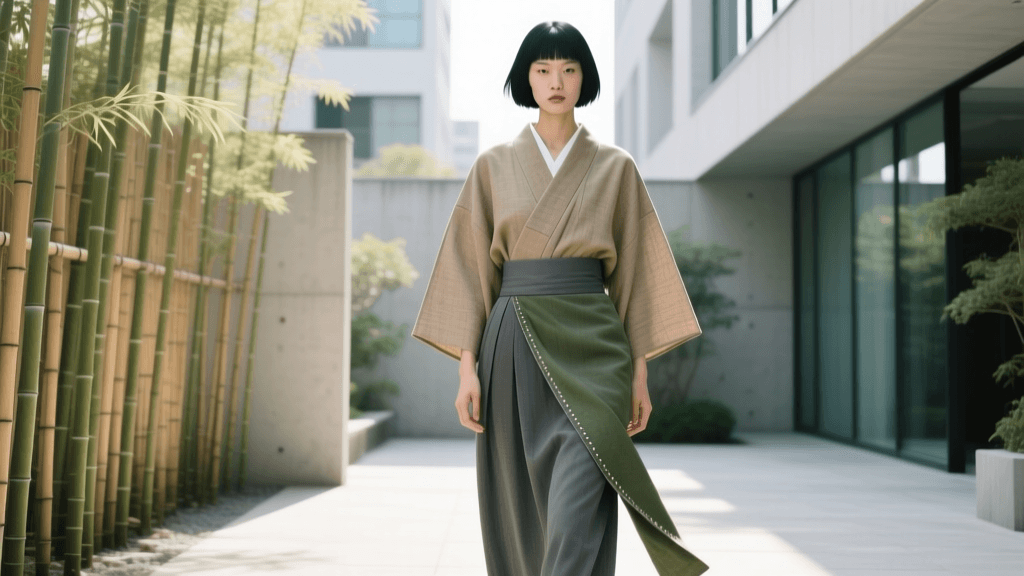
The haori was historically worn over a kimono to provide warmth and display family crests or subtle aesthetic tastes. Today, it functions as the ultimate transitional outerwear piece. The 2026 iterations of the haori maintain the iconic wide sleeves and open front but introduce modernized proportions. Contemporary designers are utilizing deadstock silk, breathable hemp blends, and innovative cupro fabrics to create jackets that drape beautifully over both minimalist linen dresses and structured denim.
When styling a haori in 2026, the key is to balance its voluminous top half with streamlined lower garments. A drop-shoulder seam that extends roughly 4.5 inches past the natural shoulder is the current standard, allowing for effortless layering over chunky knitwear in the autumn or crisp poplin shirts in the spring.
2026 Haori Fabric and Styling Matrix
| Haori Style | Traditional Fabric | 2026 Contemporary Alternative | Best Wardrobe Pairing |
|---|---|---|---|
| Kurotomesode Haori | Heavy Silk Crepe | Recycled Matte Cupro | Tailored Wide-Leg Trousers |
| Shifu (Paper) Haori | Woven Washi Paper | Hemp and Piñatex Blend | Minimalist Linen Midi Dress |
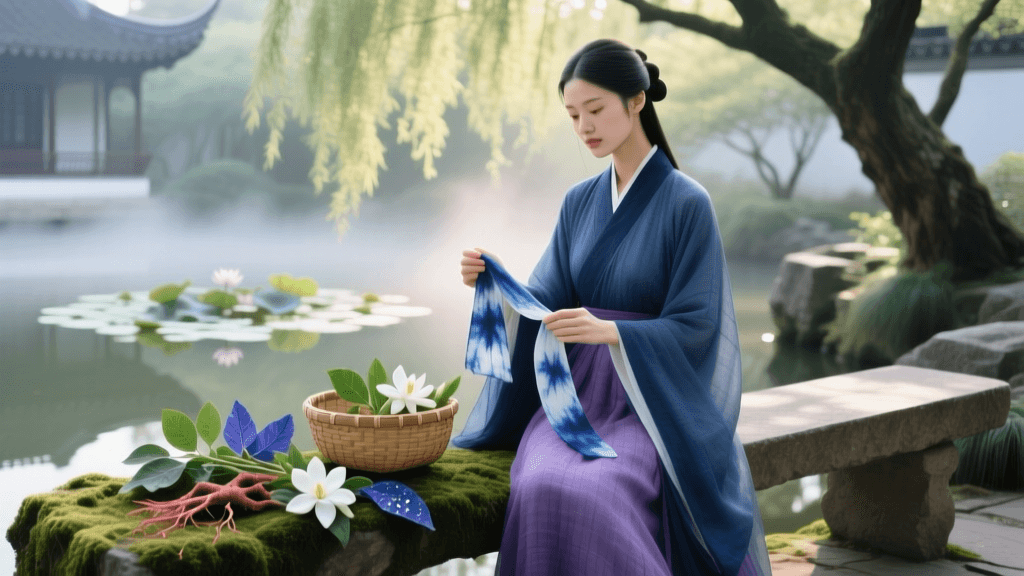
| Kasuri (Ikat) Haori | Indigo Dyed Cotton | Organic Selvedge Denim | Crisp White Poplin Shirt & Denim |
| Yuzen Dyed Haori | Painted Silk | Digital-Print Tencel | Monochrome Turtleneck & Slacks |
Hakama: Reimagined for the Contemporary Wardrobe
The hakama is perhaps the most dramatic silhouette in the Japanese traditional wardrobe. Originally designed to protect the legs of samurai on horseback, the umanori (divided, trouser-style) and andon (undivided, skirt-style) variations have been radically adapted for 2026 urban mobility. The Kyoto Costume Institute frequently highlights how the voluminous pleats of the hakama create a sense of kinetic sculpture in motion, a trait that modern streetwear enthusiasts and high-fashion aficionados eagerly embrace.
In 2026, the most prominent adaptation is the mid-calf crop. Traditional hakama typically fall to the ankle, which can be cumbersome in rainy urban environments or when navigating crowded transit systems. Modern artisans are cutting the hem to sit precisely 4 inches below the calf muscle, allowing the garment to be paired with modern footwear without the fabric dragging on the pavement.
Key Hakama Adjustments for 2026
- The Mid-Calf Crop: Ideal for showcasing statement footwear while maintaining the dramatic swoop of the pleats. Standard inseams for this style range from 26 to 28 inches.
- Asymmetric Closures: While traditional hakama require complex tying techniques using the himo (cords), 2026 ready-to-wear versions often feature hidden side-buckles or magnetic clasps, reducing dressing time from five minutes to mere seconds.
- Monochrome Textural Layering: Pairing a matte black cotton hakama with a glossy black silk blouse creates a sophisticated, tonal look that is highly favored in contemporary minimalist circles.
- Belt Integration: Modern hakama frequently feature reinforced belt loops hidden beneath the traditional front panel (ita), allowing wearers to secure the garment with a contemporary leather belt for added waist definition.
Footwear and Accessories: Grounding the Look
Integrating traditional Japanese garments requires careful consideration of footwear to avoid looking costumey. The split-toe tabi has been a staple in avant-garde fashion for decades, but 2026 brings a new wave of hybridization. Artisans in Nara and Tokyo are collaborating with sneaker manufacturers to produce tabi-sneakers featuring vulcanized rubber soles, waterproof recycled nylon uppers, and ergonomic arch support. These shoes bridge the gap between traditional aesthetic and modern orthopedic necessity.
For formal occasions where the traditional zori or geta might feel out of place, sleek, square-toed leather loafers or minimalist Chelsea boots provide an excellent visual anchor. According to exhibitions at the Victoria and Albert Museum, the integration of traditional Japanese aesthetics into Western dress is most successful when the footwear grounds the outfit in the present day, creating a deliberate and thoughtful anachronism.
Sourcing, Pricing, and Sustainable Practices
As the demand for authentic, ethically produced traditional garments surges in 2026, understanding the market landscape is crucial for the conscious consumer. The modern market is distinctly bifurcated into artisan-crafted heritage pieces and contemporary ready-to-wear adaptations.
- Artisan Heritage Pieces: Sourced directly from weaving cooperatives in regions like Nishijin (Kyoto) or Kurume (Fukuoka). Expect to pay between $650 and $1,400 for a hand-dyed, naturally finished haori or hakama. These pieces often utilize heritage techniques such as shibori (tie-dye) or boro (mending), ensuring that each garment is a unique work of art.
- Contemporary Ready-to-Wear: Produced by modern Japanese fashion houses utilizing sustainable, machine-washable textiles. Prices typically range from $180 to $350. These pieces are designed for everyday wear, featuring reinforced seams and pre-shrunk fabrics.
- Vintage and Upcycled: The 2026 circular fashion movement has made vintage kimono and haori highly sought after. Specialized upcycling studios in Tokyo's Shimokitazawa district deconstruct damaged vintage silks and reconstruct them into modern haori silhouettes, retailing between $250 and $500.
Care and Preservation of Modern Traditional Garments
Maintaining the structural integrity and visual brilliance of a haori or hakama requires specific care protocols, especially when dealing with the eco-friendly dyes and natural fibers prevalent in 2026 collections.
Washing and Drying Protocols
While many contemporary adaptations are labeled as machine washable, true longevity is achieved through gentle hand-washing. Use a pH-neutral, plant-based detergent and submerge the garment in cold water (below 68°F or 20°C) for no more than ten minutes. Agitation should be minimal to prevent the distortion of the pleats in a hakama or the delicate weave of a silk-blend haori.
Drying must always be done in the shade. Direct UV exposure in 2026's increasingly intense climate can rapidly degrade natural indigo and botanical dyes. Lay the garment flat on a breathable mesh drying rack, gently reshaping the pleats of the hakama with your fingers while the fabric is still damp.
Storage Solutions
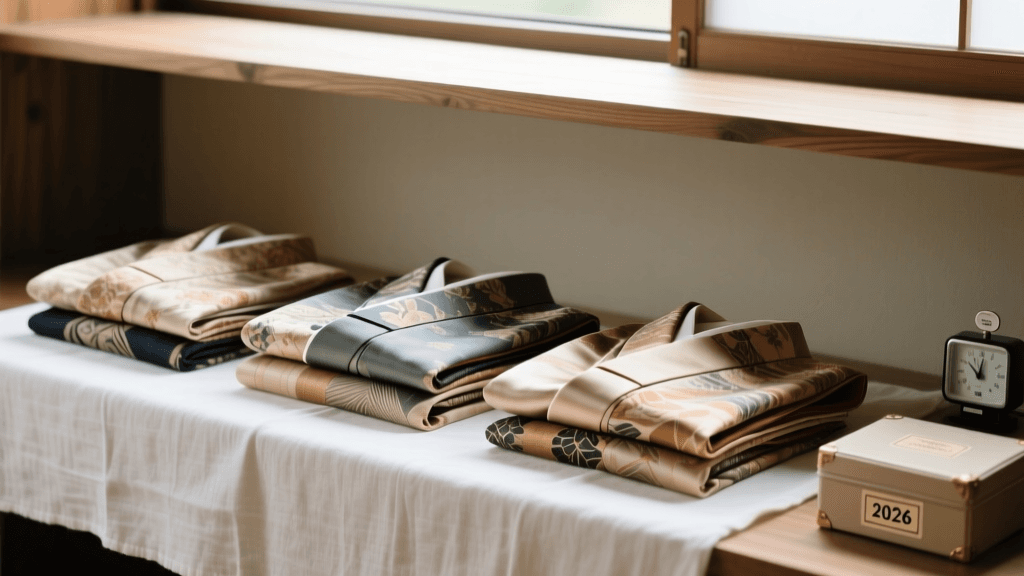
Never hang a heavy hakama on a standard wire hanger, as the weight of the fabric will distort the waistband and stretch the himo cords. Instead, fold the garment along its original pleat lines and store it in a breathable cotton tatoushi (garment envelope). Include natural cedar blocks or dried hinoki wood chips in your storage drawers to repel moths and impart a subtle, traditional Japanese fragrance that complements the garment's heritage.
Conclusion
The integration of the haori and hakama into the 2026 contemporary wardrobe is a testament to the timelessness of Japanese design philosophy. By prioritizing spatial awareness, sustainable material innovation, and thoughtful styling, these traditional garments transcend their historical origins. Whether you are draping a recycled cupro haori over a modern evening gown or navigating the city in a mid-calf cropped hakama, you are participating in a living, breathing tradition that continues to redefine the boundaries of global fashion.