Hanfu Secondhand Market 2026: Vintage Collecting & Resale Guide
The Evolution of the Hanfu Secondhand Market in 2026
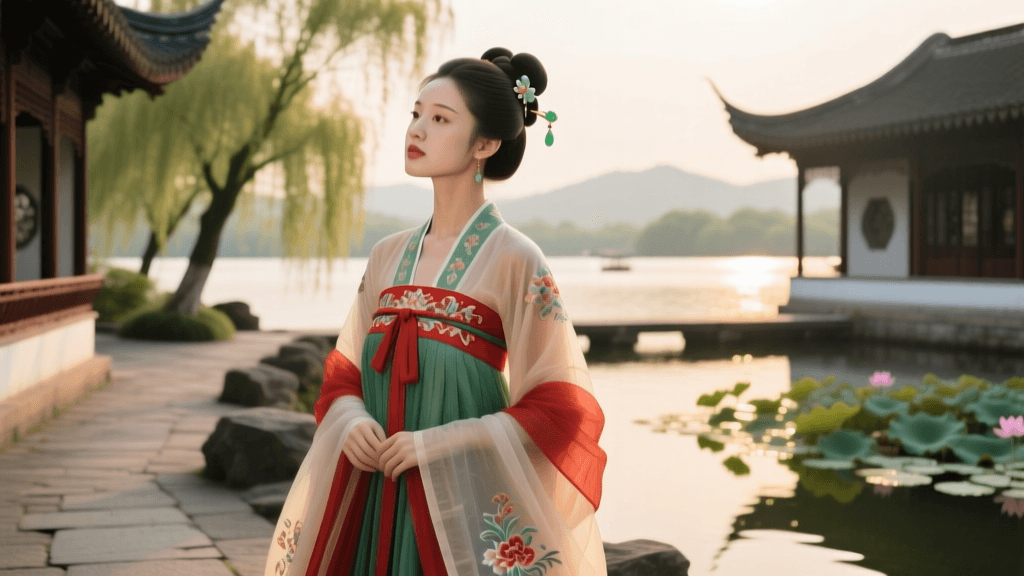
The traditional Chinese clothing revival, widely known as the Hanfu movement, has transitioned from a niche internet subculture into a global sartorial phenomenon. As we navigate the fashion landscape of 2026, the secondary market for Hanfu has matured into a sophisticated, multi-million-dollar ecosystem. Early adopters who purchased garments during the initial boom years are now upgrading their collections, flooding platforms with well-preserved, out-of-production (OOP) pieces. For collectors and enthusiasts, the 2026 Hanfu secondhand market offers an unprecedented opportunity to acquire historically significant, high-quality garments that are no longer available from contemporary retailers.
Unlike the fast-fashion Hanfu that dominates primary e-commerce sites like Taobao and AliExpress, the secondhand market is where true craftsmanship, rare textiles, and early revival history converge. According to cultural historians and fashion journalists covering the movement, the desire to connect with authentic heritage has driven a massive spike in demand for vintage and retro Hanfu pieces. As noted by Smithsonian Magazine in their extensive coverage of the Hanfu revival, the movement is deeply tied to a search for cultural identity, which naturally extends to the curation and preservation of historical garments and their earliest modern reproductions.
Defining 'Vintage' and 'Retro' in the Hanfu Community
In Western fashion, 'vintage' typically refers to garments that are at least 20 years old. However, the Hanfu revival is a relatively modern phenomenon, meaning the community has developed its own unique timeline for valuing secondhand pieces. In 2026, collectors categorize secondhand Hanfu into three distinct eras:
1. The Early Revival Era (2005–2014)
Pieces from this era are considered true 'vintage' Hanfu. They were often handmade by early enthusiasts or small, pioneering studios that no longer exist. While the historical accuracy of these garments might not meet the rigorous academic standards of 2026, they are highly prized as historical artifacts of the movement itself. Expect to see heavier cotton blends, experimental draping, and unique, non-standardized sizing.
2. The Ming Dynasty Boom (2015–2020)
This era marked a shift toward rigorous historical research and the widespread popularity of the Ming-style Mamianqun (horse-face skirt) and Aoqun (jacket and skirt). Garments from pioneering, high-end indie brands like Ming Huatang and Zhongling from this period are the 'blue-chip stocks' of the Hanfu resale market. They feature genuine silk brocades, real gold-leaf weaving, and meticulous flat-pattern cutting that mimics museum artifacts.
3. The Song Minimalism & Mass Market Era (2021–2024)
Garments from this period are classified as 'retro' or 'secondhand.' While many are mass-produced using synthetic fabrics, limited-edition collaborations and high-end indie pieces from this era are now becoming scarce as original studios pivot to new 2026 design trends.
Top Platforms for Sourcing Secondhand Hanfu
Navigating the secondary market requires familiarity with both domestic Chinese platforms and international resale hubs. Here is where collectors are buying and selling in 2026:
- Xianyu (Idle Fish): Alibaba's secondhand marketplace remains the undisputed king of Hanfu resale. In 2026, Xianyu's AI-driven textile authentication and escrow services have made buying high-value silk brocade much safer for international buyers using proxy agents. Search terms like '绝版汉服' (OOP Hanfu) and '早期汉服' (Early Hanfu) yield the best results.
- Specialized WeChat Groups: High-end collectors often operate in invite-only WeChat groups. These groups focus exclusively on trading rare, museum-grade reproductions and early-revival artifacts. Access usually requires a referral from an established collector.
- Depop and Etsy: For Western buyers, Depop and Etsy have seen a surge in curated Hanfu vintage shops. While prices are marked up significantly compared to Xianyu, these platforms offer buyer protection and eliminate the need for a Chinese proxy shipping agent.
- Hanfu Subreddits and Discord Servers: Community-driven trading hubs where enthusiasts sell directly to one another, often at fair market value without the fees associated with commercial platforms.
Authentication: Spotting True Revival Pieces vs. Modern Fast Fashion
As the resale market has grown, so has the prevalence of counterfeit 'vintage' pieces. Unscrupulous sellers may artificially age modern, mass-produced garments or misrepresent factory-made synthetics as early-revival artisanal silk. To build a genuine collection, you must understand the structural hallmarks of authentic traditional Chinese dress.
The core of Hanfu construction lies in its flat-pattern cutting and specific seam placements. As detailed by The Metropolitan Museum of Art's Heilbrunn Timeline of Art History, traditional Chinese garments are constructed from geometric pieces of fabric that respect the integrity of the textile, avoiding the curved darts and tailored waists of Western clothing. When inspecting a secondhand Ming-style jacket (Ao), look for the jiaoling youren (cross-collar, right lapel) and the characteristic shuangfeng (double-fold) sleeve construction. The center back seam (zhongfeng) is non-negotiable; it represents the moral backbone of the wearer and is present in almost all authentic historical reproductions.
Furthermore, examine the fabric content. Early high-end revival pieces heavily utilized genuine mulberry silk, heavy brocades, and natural plant dyes. If a seller claims a piece is a rare 2018 artisanal release but the care tag indicates 100% polyester with digital sublimation printing, it is likely a later mass-market reproduction or a counterfeit.
2026 Hanfu Resale Price Guide and Valuation
Valuing secondhand Hanfu requires an understanding of brand prestige, material rarity, and historical significance within the movement. Below is a comprehensive pricing table reflecting the 2026 secondary market averages for highly sought-after garments.
| Garment Type & Era | Material & Construction | 2026 Average Resale Price (USD) | Collector Demand |
|---|---|---|---|
| Ming-style Mamianqun (2018-2020) | Woven Silk Brocade, Genuine Gold Thread | $250 - $600 | Very High |
| Song-style Beizi Long Jacket (2020-2022) | Lightweight Silk Gauze, Hand-embroidered | $120 - $350 | Medium |
| Wei-Jin Ruqun Early Revival (2010-2015) | Cotton/Linen Blends, Experimental Draping | $300 - $800+ | Niche / Archival |
| High-end Artisan Aoqun Set (2015-2019) | Heavy Damask, Custom Tailored, OOP Studio | $500 - $1,500+ | Extremely High |
| Mass Market Ruqun (2021-2024) | Polyester Chiffon, Digital Print | $25 - $60 | Low |
When negotiating on platforms like Xianyu, always ask for original purchase receipts or screenshots of the original Taobao order. This not only proves authenticity but also establishes the garment's original retail price, allowing you to gauge whether the seller's markup is justified by the item's rarity.
Preserving Your Secondhand Silk and Brocade
Acquiring a vintage Hanfu piece is only the first step; preserving it requires meticulous care. Many early revival pieces were dyed using traditional botanical methods, which are highly sensitive to modern chemical detergents and prolonged UV exposure. The preservation of these textiles is closely linked to the ancient techniques used to create them. As recognized by the UNESCO Intangible Cultural Heritage list regarding Chinese sericulture and silk craftsmanship, the lifecycle of silk requires specific environmental controls to prevent the degradation of the protein fibers.
To maintain your secondhand collection in 2026, follow these strict preservation guidelines:
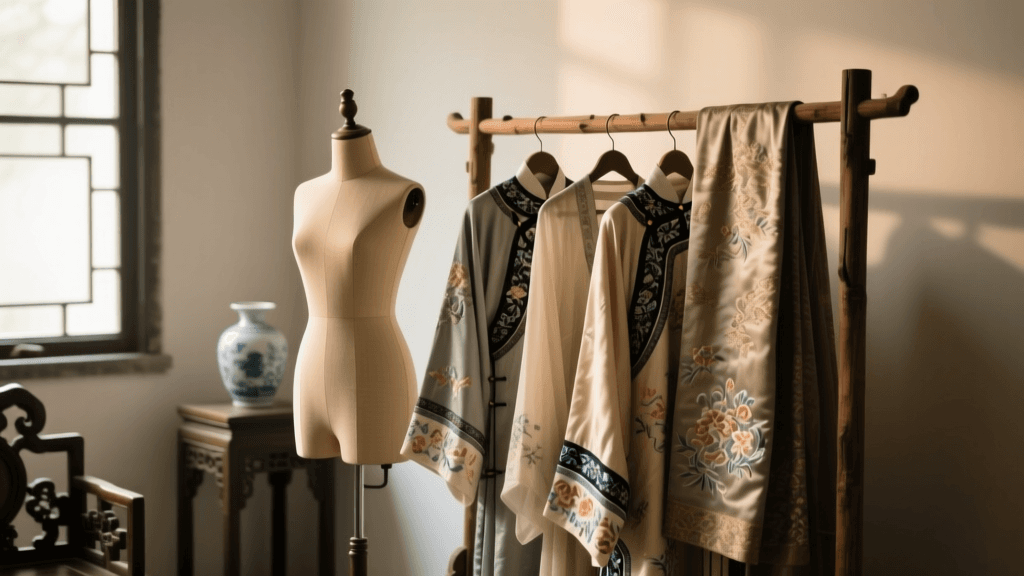
- Storage: Never hang heavy Ming-style skirts or silk brocade jackets on wire or wooden hangers, as the weight of the fabric will distort the flat-pattern seams and stretch the shoulders. Store them flat in acid-free archival tissue paper inside breathable cotton garment bags.
- Cleaning: Avoid dry cleaning unless the facility specializes in historical textiles. The harsh chemicals used in standard dry cleaning can strip the natural sericin from the silk fibers and tarnish metallic gold threads. For minor odors, use a handheld garment steamer at a safe distance, followed by airing the garment in a shaded, well-ventilated room.
- Pest Control: Vintage silk is highly attractive to carpet beetles and moths. Use natural cedar blocks and dried lavender sachets in your storage drawers, and inspect your collection every three months for signs of insect activity.
Conclusion: The Future of Hanfu Collecting
The 2026 Hanfu secondhand market represents a fascinating intersection of fashion, history, and cultural preservation. As the movement continues to evolve, the garments produced during its formative years are transitioning from mere clothing into collectible cultural artifacts. Whether you are hunting for a rare 2018 Ming Huatang Mamianqun on Xianyu or carefully preserving an early-revival Ruqun, participating in the secondary market ensures that the rich, tactile history of the Hanfu revival is maintained for future generations. By understanding the nuances of authentication, valuation, and textile preservation, collectors can build wardrobes that are not only visually stunning but deeply rooted in the ongoing story of Asian traditional dress.