Hanfu Fabric Drape & Comfort Analysis: Best 2026 Weaves
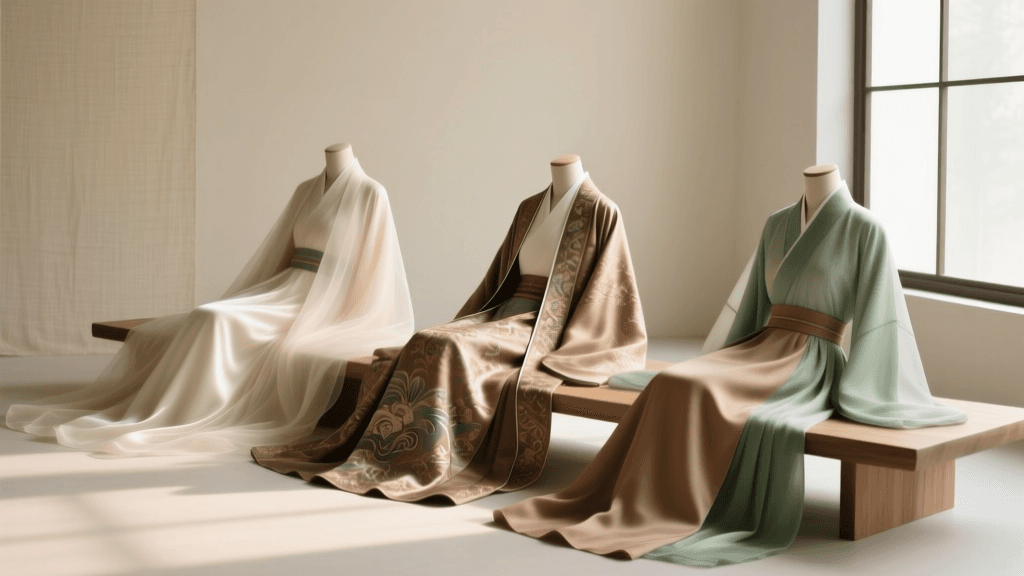
The global resurgence of Hanfu has evolved significantly over the past decade, transitioning from historical reenactment to a sophisticated, everyday sartorial choice. As we navigate the fashion landscape of 2026, the focus for enthusiasts and designers alike has shifted intensely toward textile performance. Specifically, the interplay between chuigan (drape) and physiological comfort has become the primary metric for evaluating high-quality traditional garments. Whether you are investing in a luxurious Mamianqun (horse-face skirt) or a breathable summer Beizi (open-front jacket), understanding the structural physics of Hanfu fabrics is essential for making informed purchasing decisions this year.
The Physics of Chuigan: Understanding Traditional Drape
In Chinese textile aesthetics, chuigan translates literally to 'hanging feel' or drape. It is the measure of how a fabric yields to gravity while maintaining structural elegance. Unlike Western tailoring, which often relies on darts, seams, and rigid interfacing to create silhouettes, traditional Hanfu relies almost entirely on the natural drape of the fabric to create flowing, dynamic lines. A fabric with excellent chuigan will cascade smoothly over the body's contours without clinging awkwardly or puffing out stiffly.
The drape of a textile is dictated by three main factors in 2026 manufacturing:
- Weight and Density: Measured in grams per square meter (GSM). Heavier fabrics like traditional silks naturally pull downward, enhancing the fluid lines of wide-sleeved garments.
- Weave Structure: Satin weaves (where warp threads float over multiple weft threads) create smoother, more pliable surfaces that drape beautifully, whereas tight plain weaves offer more resistance and stiffness.
- Fiber Elasticity: Natural fibers like silk and high-grade Tencel possess a micro-elasticity that allows the fabric to shift and flow with the wearer's kinetic movements.
2026 Fabric Analysis: The Premier Hanfu Textiles
This year's market is defined by a fascinating dichotomy: the revival of hyper-traditional, labor-intensive heritage weaves, and the introduction of advanced, climate-adaptive botanic blends. Below, we analyze the top three fabric categories dominating the 2026 Hanfu market.
1. Xiangyunsha (Gambiered Canton Gauze): The Luxury Standard
Recognized by the UNESCO Intangible Cultural Heritage lists for its connection to broader Chinese silk craftsmanship, Xiangyunsha remains the pinnacle of luxury Hanfu textiles. This fabric is woven from raw silk and undergoes a painstaking, multi-week dyeing process using the juice of the薯莨 (shuliang) yam and iron-rich river mud.
Drape Analysis: Xiangyunsha possesses a unique, crisp yet fluid drape. It does not cling to the skin; instead, it creates a structured, architectural silhouette that moves with a distinct, quiet rustle. In 2026, master weavers in Guangdong have perfected a lighter-weight variant (around 45 GSM) specifically for summer Aoqun (jacket and skirt sets), offering the signature sculptural drape without the historical heaviness.
Comfort Profile: Exceptional. The mud-dyeing process creates a micro-porous surface that is naturally antibacterial, UV-resistant, and highly breathable. It feels cool to the touch, making it the ultimate choice for humid subtropical climates.
2. Song Brocade (Song Jin) and Modern Structural Jacquards
Song Brocade is historically renowned for its intricate, multi-layered patterns and structural integrity. While authentic, hand-loomed Song Jin is largely reserved for museum pieces or ultra-high-end ceremonial wear, modern computerized jacquard looms in 2026 have democratized the 'Song-style' aesthetic for daily wear.
Drape Analysis: Fabrics in this category are characterized by high stiffness and low bias stretch. They do not flow like chiffon or charmeuse; rather, they hold their shape aggressively. This makes them the undisputed champion for Mamianqun pleats. A high-density jacquard skirt will maintain its sharp, knife-like pleats even after hours of sitting or walking, a feat impossible for softer silks.
Comfort Profile: Moderate to Low. The dense warp-and-weft interlacing required to create the raised brocade patterns results in a thicker, less breathable fabric. In 2026, manufacturers have begun blending the weft threads with mercerized cotton to improve moisture-wicking, but these garments remain best suited for autumn and winter layering or climate-controlled indoor environments.
3. Tencel-Linen Blends: The Everyday Ruqun Revolution
For the modern Hanfu wearer navigating urban commutes and variable weather, pure silk is often impractical. The breakthrough of 2026 is the widespread adoption of Tencel (lyocell) and European flax linen blends. Tencel provides the lustrous sheen and liquid drape of silk, while linen introduces tensile strength and a subtle, rustic texture.
Drape Analysis: These blends offer a 'soft cascade' drape. They are highly fluid and excel in garments like the Qixiong Ruqun (chest-high skirt), where the fabric must gather elegantly at the waist and flow uninterrupted to the ankles. The drape is less architectural than Xiangyunsha but more romantic and forgiving.
Comfort Profile: Outstanding. Tencel is derived from sustainably sourced wood pulp and is celebrated for its thermoregulating properties. When blended with linen, the resulting textile absorbs moisture rapidly and dries faster than pure cotton, preventing the clammy feeling associated with synthetic polyesters that plagued the budget Hanfu market in previous years.
Comparative Drape & Comfort Matrix (2026 Market Data)
To assist in your sartorial planning, we have compiled a comprehensive matrix comparing the leading Hanfu fabrics available in the current market. Prices reflect the 2026 average for mid-tier to high-tier artisanal brands (priced in USD for a standard 3-meter skirt or full outfit set).
| Fabric Type | Avg. Weight (GSM) | Drape Quality (Chuigan) | Breathability | Best Garment Application | 2026 Price Range (USD) |
|---|---|---|---|---|---|
| Xiangyunsha (Gambiered Silk) | 45 - 60 | Structured & Fluid | Excellent | Summer Beizi, Aoqun | $250 - $600 |
| Song-Style Jacquard | 120 - 180 | Stiff & Architectural | Low | Mamianqun, Winter Coats | $80 - $220 |
| Tencel-Linen Blend | 80 - 110 | Soft & Cascading | High | Qixiong Ruqun, Everyday Sets | $60 - $150 |
| Heavy Silk Charmeuse | 90 - 120 | Liquid & Clinging | Moderate | Ceremonial Outerwear | $180 - $400 |
| Organza (Silk/Poly Blend) | 20 - 30 | Voluminous & Buoyant | High | Layering Shirts, Pibo (Shawls) | $40 - $90 |
Climate Adaptation: Dressing for 2026 Weather Extremes
With global temperature fluctuations becoming more pronounced, selecting the right Hanfu fabric is no longer just about aesthetics; it is a matter of physiological comfort. The Metropolitan Museum of Art's extensive archives on Chinese silk highlight how historical dynasties adapted their weaves to seasonal shifts—a practice modern wearers must emulate today.
For the sweltering, humid months of July and August, avoid heavy jacquards and multi-layered polyester linings. Opt for single-layer Xiangyunsha or loose-weave linen. The key to staying cool in traditional garments is the 'microclimate' created between the skin and the fabric. Wide sleeves and cross-collars naturally facilitate air circulation, but this ventilation is entirely negated if the textile itself traps heat.
Conversely, for crisp autumn evenings, a Song-style jacquard Mamianqun paired with a Tencel-lined Ming-style jacket provides excellent wind resistance while maintaining the historical silhouette. The stiffness of the brocade acts as a barrier against the breeze, while the inner layers retain body heat.
Preserving Drape: Storage and Maintenance Protocols
The longevity of a fabric's chuigan is directly tied to how it is cared for. Improper washing and storage can permanently alter the warp-and-weft alignment, leading to warped pleats and a loss of fluid drape.
Expert Tip: Never hang heavy, wet Hanfu skirts. The weight of the water will stretch the fibers unevenly, permanently destroying the garment's natural bias and drape. Always dry flat or over a wide, padded hanger.
- Washing: Xiangyunsha must never be machine washed or subjected to harsh alkaline detergents, which strip the yam-dye coating. Use a pH-neutral silk wash and gently agitate in cold water. Tencel-linen blends can tolerate gentle machine cycles but should be removed immediately to prevent hard creasing.
- Ironing: To restore the crisp drape of a Mamianqun, use a steam iron on a low setting, always pressing along the original pleat lines. For Xiangyunsha, avoid direct iron contact; steam lightly from a distance to relax the fibers without flattening the textured surface.
- Storage: Fold heavy brocades with acid-free tissue paper inserted between the pleats to maintain their structural memory. Fluid silks and Tencels should be rolled rather than folded to prevent permanent crease lines that disrupt the visual flow of the drape.
Conclusion
The Hanfu movement in 2026 is a testament to the enduring relevance of traditional Asian aesthetics, beautifully augmented by modern textile science. Whether you are drawn to the historic, sculptural elegance of Xiangyunsha, the sharp, resilient pleats of Song-style jacquard, or the effortless, breathable flow of Tencel-linen blends, understanding the mechanics of drape and comfort is paramount. By aligning your fabric choices with the intended use, climate, and proper care protocols, you ensure that your traditional garments remain not just visually stunning, but profoundly comfortable and deeply connected to the living heritage of Asian textile arts.