Hanfu Fabric Drape and Comfort Analysis: 2026 Textile Guide
The Evolution of Hanfu Textiles in 2026
As the global appreciation for traditional Asian garments continues to expand, the Xin Zhongshi (new Chinese style) movement has matured significantly by 2026. Modern wearers and designers are no longer satisfied with mere visual replication of historical silhouettes; they now demand a rigorous understanding of textile engineering, specifically focusing on fabric drape, tactile comfort, and microclimate breathability. Hanfu, with its flowing lines and structured layers, relies entirely on the physical properties of its textiles to achieve the iconic aesthetics of the Tang, Song, and Ming dynasties. This comprehensive analysis breaks down the drape mechanics and comfort metrics of the most prominent Hanfu fabrics available in the 2026 market, providing actionable insights for collectors, daily wearers, and textile enthusiasts.
The Physics of Drape: Understanding Fabric Flow
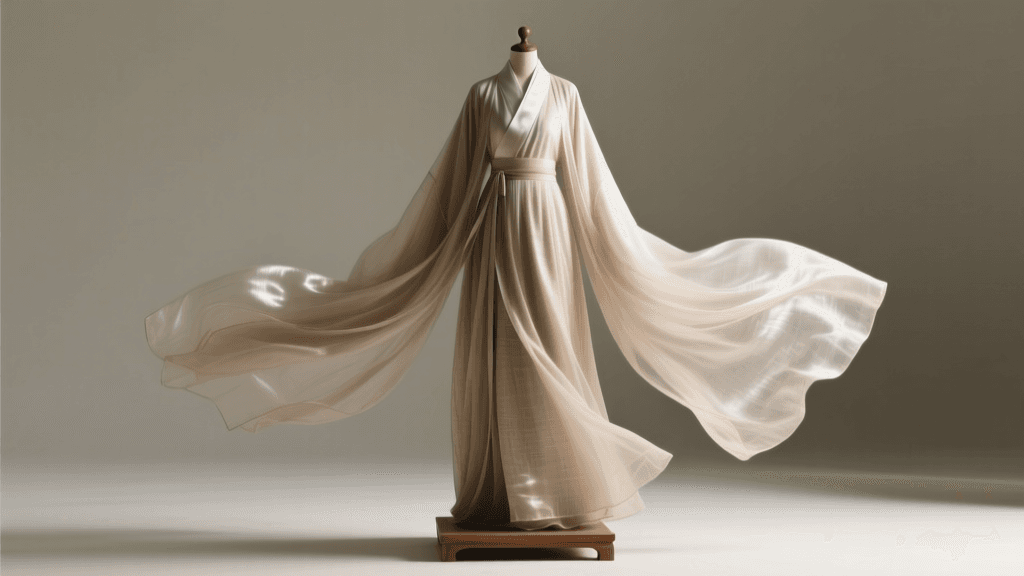
In textile engineering, "drape" refers to the way a fabric folds, hangs, and flows under its own weight. It is quantified by the drape coefficient and bending length. A low bending length indicates a highly fluid fabric that clings and flows (ideal for Wei-Jin dynasty wide-sleeved robes), while a high bending length indicates a stiff, structured fabric that holds its shape (essential for Ming dynasty pleated skirts). The interplay between the warp and weft threads, the fiber's natural elasticity, and the weave structure (plain, twill, or satin) all dictate how a Hanfu garment will behave in motion. In 2026, advanced textile testing has allowed us to map historical weaving techniques against modern comfort standards, revealing why certain ancient fabrics remain unmatched in their functional elegance.
Xiangyunsha (Gambiered Silk): The Heritage Standard
Xiangyunsha, often referred to as "soft gold" in the textile world, is a masterpiece of natural dyeing and finishing. Recognized by UNESCO as an Intangible Cultural Heritage, this fabric undergoes a labor-intensive process involving the juice of the Dioscorea cirrhosa tuber and iron-rich river mud. The resulting chemical reaction creates a unique, dual-toned fabric with a distinct leathery rustle. From a drape perspective, Xiangyunsha possesses a moderate-to-high bending length. It does not cling to the body; instead, it creates architectural, sweeping folds that are highly forgiving and elegant. Comfort-wise, the gambiered coating makes the silk naturally water-resistant, UV-protective, and exceptionally cool to the touch, making it the premier choice for humid summer climates in 2026.
Raw Silk (Shengchou): Structured Elegance
Unlike modern degummed silk (shu silk), which is soft and highly fluid, raw silk retains its natural sericin protein gum. According to historical textile archives documented by The Metropolitan Museum of Art, the retention of sericin gives raw silk a crisp, slightly textured hand-feel and a high degree of structural integrity. In Hanfu construction, Shengchou is the undisputed king of the Mamianqun (horse-face skirt). The stiffness of the raw silk ensures that the deep, parallel pleats remain razor-sharp even after hours of walking. While it lacks the slippery softness of charmeuse, modern 2026 enzymatic washing techniques have softened the "prickle factor" of raw silk, offering a breathable, moisture-wicking comfort that regulates body temperature beautifully across varying seasons.
Song Brocade (Songjin) and Xin Zhongshi Blends
Song Brocade is characterized by its intricate, multi-colored jacquard weaving and heavy weight. Historically used for formal outerwear and ceremonial garments, its drape is highly structured and rigid. It does not flow; it frames. In the contemporary 2026 Xin Zhongshi market, pure Song Brocade is often reserved for winter jackets and formal banquets due to its weight and lower breathability. However, modern textile innovators have begun blending Song Brocade patterns with lightweight linen-cotton bases, creating hybrid fabrics that offer the visual opulence of traditional brocade with the relaxed, high-drape comfort required for daily urban wear.
2026 Fabric Drape and Comfort Comparison Matrix
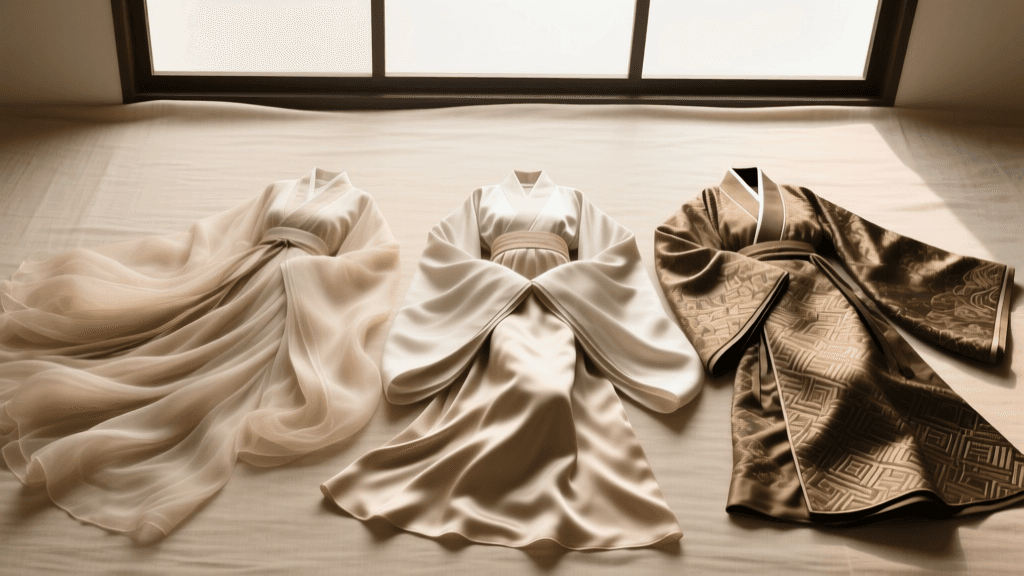
The following matrix provides a structured comparison of the primary Hanfu textiles utilized in 2026, evaluating their physical drape properties, comfort metrics, and ideal applications.
| Fabric Type | Drape Profile | Breathability (1-10) | Weight (g/m²) | Best Hanfu Application | Ideal Climate |
|---|---|---|---|---|---|
| Xiangyunsha (Gambiered Silk) | Moderate-Fluid | 9.5 | 45 - 60 | Summer Ruqun, Wide-Sleeve Shirts | Hot, Humid |
| Raw Silk (Shengchou) | Highly Structured | 8.0 | 70 - 90 | Mamianqun (Pleated Skirts), Outer Coats | Temperate, Dry |
| Silk Chiffon (Xuefang) | Ultra-Fluid | 9.0 | 20 - 35 | Pibo (Shawls), Inner Layers, Tang Sleeves | Warm, Breezy |
| Song Brocade (Songjin) | Rigid / Heavy | 5.0 | 150 - 220 | Banbi (Half-sleeves), Winter Ao (Jackets) | Cold, Winter |
| Linen-Cotton Blend (Modern) | Soft-Structured | 10.0 | 110 - 140 | Daily Xin Zhongshi, Song Dynasty Beizi | All-Season |
Comfort Metrics: Breathability, Weight, and Skin-Feel
Comfort in traditional garments is a multi-sensory experience. It encompasses thermal resistance (how well the fabric insulates), moisture management (wicking sweat away from the skin), and tactile friction (how the fabric feels against the epidermis). Natural protein fibers like silk excel in moisture management. A 2026 study on textile microclimates highlights that silk's triangular prism-like fiber structure refracts light and allows for superior air circulation compared to synthetic polyester imitations that flooded the market in the early 2020s.
When evaluating skin-feel, the "prickle factor" is a crucial metric. While highly processed charmeuse silk scores a zero on the prickle scale, it can feel clammy if layered heavily. Raw silk and Xiangyunsha, with their slightly textured surfaces, actually create microscopic air gaps between the fabric and the skin. This prevents the garment from clinging when the wearer perspires, offering a superior comfort experience in high-humidity environments. For those with sensitive skin, the modern 2026 standard recommends seeking out "semi-degummed" silks, which strike a perfect balance between the structural drape of raw silk and the buttery softness of fully processed silk.
Actionable Advice: Selecting, Maintaining, and Packing Hanfu
Selecting the right fabric is only the first step; maintaining the drape and comfort of these natural fibers requires specific care protocols. Furthermore, as Hanfu travel and international cultural festivals become increasingly popular in 2026, knowing how to pack these garments without destroying their structural integrity is essential.
2026 Maintenance and Storage Protocols
- Washing Xiangyunsha: Never use alkaline detergents or machine wash. The gambiered coating is sensitive to pH imbalances. Use a specialized, pH-neutral enzymatic silk wash in cool water (below 30°C). Air dry in the shade; UV exposure can degrade the mud-dye complex over time.
- Preserving Raw Silk Pleats: For Mamianqun, avoid hanging them by the waistband for long periods, as the weight of the structured fabric can stretch the cotton waist ties. Instead, fold them along their original pleat lines and store them flat in acid-free tissue paper to maintain the crisp bending length.
- Ironing and Steaming: Always use a low-heat steam setting. For Song Brocade, never press the iron directly onto the fabric, as this will crush the jacquard weave and permanently alter the drape coefficient. Use a velvet pressing board or a thick cotton towel as a buffer.
Travel Packing for Traditional Garments
Packing Hanfu for international design weeks or cultural exchange trips requires strategic folding to preserve drape. For fluid fabrics like silk chiffon and lightweight Xiangyunsha, the "bundle wrapping" technique is highly recommended. Wrap the delicate garments around a core of softer items (like cotton undergarments) to prevent hard creases. For structured raw silk skirts, utilize a rigid, cylindrical garment tube. Rolling the skirt loosely around the exterior of the tube prevents the pleats from being crushed, ensuring that upon arrival, the garment requires only a light steaming to restore its architectural flow. For deeper historical context on how these textiles originally traversed the globe, the UNESCO Silk Roads Programme provides extensive documentation on the ancient exchange of weaving technologies and fiber types across Asia.
Conclusion
The beauty of Hanfu lies not just in its historical patterns, but in the physical behavior of its textiles. The way a sleeve catches the wind, the sharp geometry of a pleated skirt, and the cool touch of gambiered silk against the skin are all results of precise textile engineering. As we navigate the fashion landscape of 2026, understanding the drape coefficients, breathability metrics, and care requirements of fabrics like Xiangyunsha, raw silk, and modern linen blends empowers wearers to make informed, comfortable, and culturally resonant choices. Whether you are attending a formal ceremony or integrating Xin Zhongshi elements into your daily wardrobe, respecting the physical properties of the fabric is the key to unlocking the true elegance of Asian traditional garments.