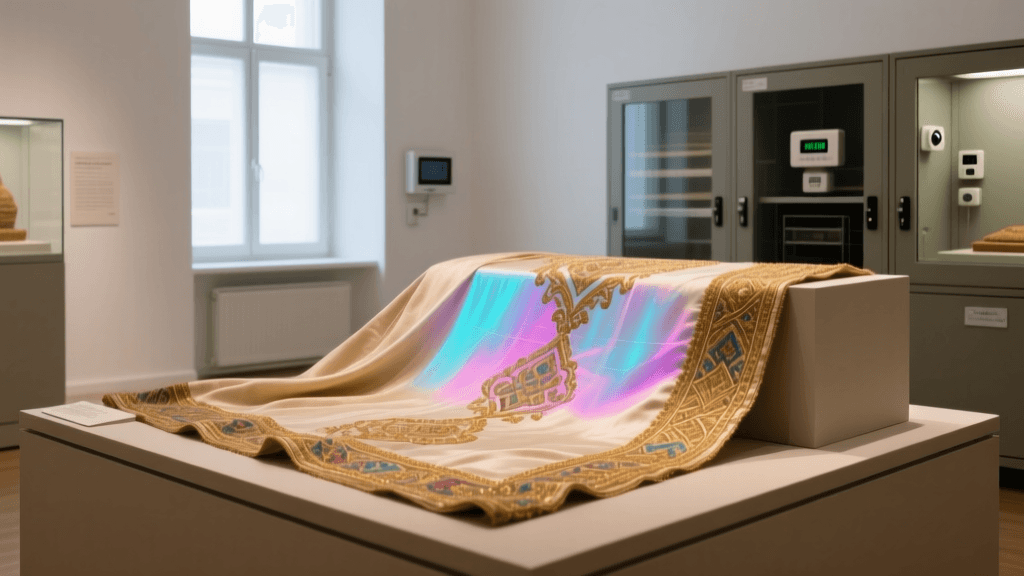
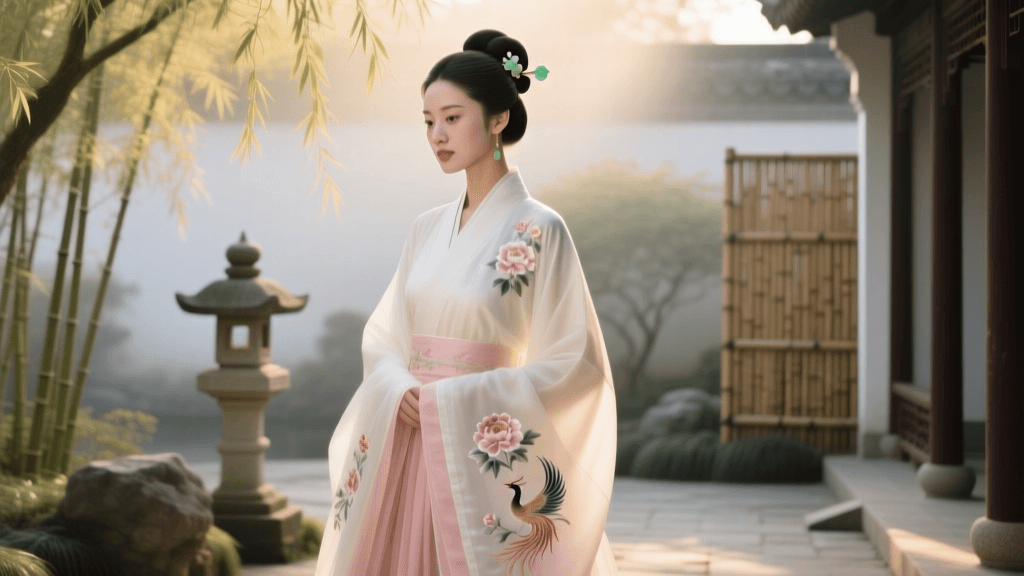
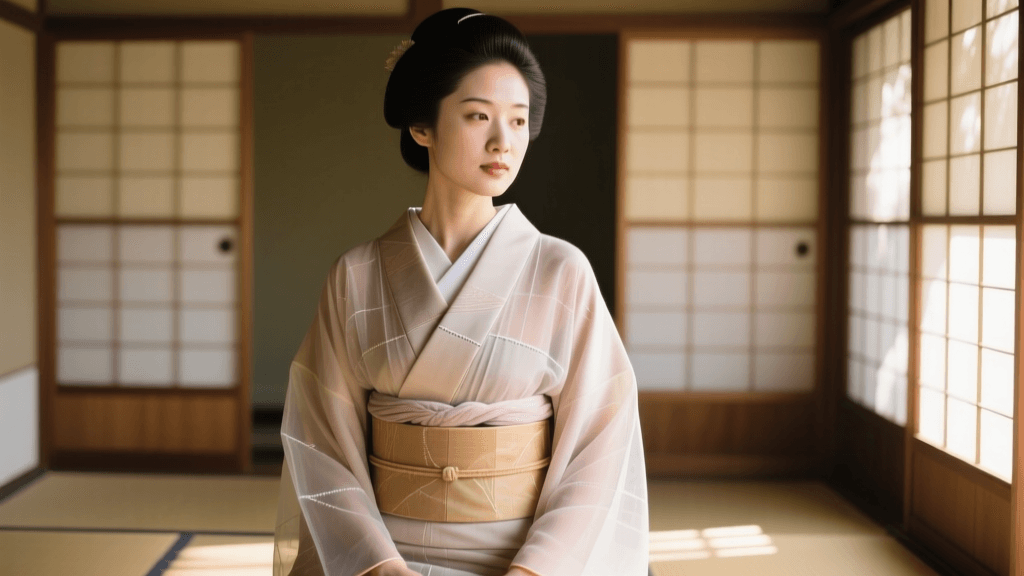
2026 Hanfu Fabric Drape and Comfort Analysis Guide
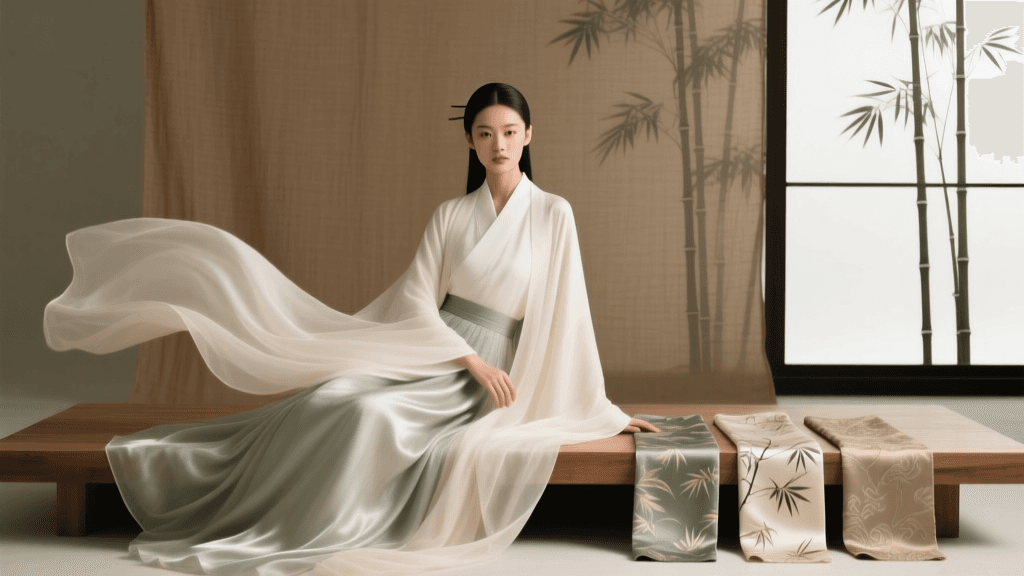
The Evolution of Hanfu Textiles in 2026
As the global appreciation for traditional Asian garments continues to deepen, the Hanfu revival has transitioned from occasional ceremonial wear to a staple of daily fashion. In 2026, the 'Xin Zhongshi' (New Chinese Style) movement dominates the sartorial landscape, demanding that traditional silhouettes meet the rigorous comfort and practicality requirements of modern life. At the heart of this evolution is textile engineering. Unlike Western tailoring, which relies on darts, seams, and structured corsetry to shape the body, traditional Hanfu relies entirely on flat-pattern cutting and the natural gravity of the fabric. Therefore, the drape, texture, and breathability of the textile are not just aesthetic choices—they are the fundamental architecture of the garment.
This comprehensive 2026 analysis breaks down the physics of Hanfu fabric drape, comparing heritage textiles like Xiangyunsha and Song Brocade with cutting-edge sustainable blends that are redefining comfort for the modern wearer.
Understanding the Physics of Hanfu Drape
In textile engineering, the 'drape coefficient' is a critical metric. Often measured using the Cusick Drape Test, it calculates the percentage of a fabric's area that covers a smaller supporting disc when allowed to fall naturally under its own weight. A lower percentage indicates a stiffer, more structured fabric, while a higher percentage signifies a fluid, heavy drape.
For Hanfu, the ideal drape coefficient varies wildly depending on the historical dynasty being replicated and the specific garment piece. According to ongoing research published by the Donghua University College of Textiles, the structural integrity of Ming Dynasty pleated skirts (Mamianqun) requires a medium-to-low drape coefficient to maintain sharp, knife-edge pleats. Conversely, the sweeping, high-waisted skirts of the Tang Dynasty require a high drape coefficient to achieve their signature voluminous, fluid pooling at the floor.
'The beauty of Hanfu lies in the dialogue between the human body and gravity. The fabric must not fight the wearer; it must flow with them, creating secondary silhouettes that change with every step.' — 2026 Textile Heritage Symposium
Traditional Heavyweights: Heritage Textiles
Xiangyunsha (Gambiered Canton Gauze)
Often referred to as 'soft gold,' Xiangyunsha is a masterpiece of intangible cultural heritage. Originating from Guangdong, this silk is dyed using the tannin-rich juice of the gambier plant (Shuliang) and coated with iron-rich river mud. The resulting chemical reaction creates a dual-textured fabric: one side is a matte, earthy brown, while the other is a glossy, deep black.
Drape & Comfort: Xiangyunsha possesses a unique 'crisp fluidity.' It is cool to the touch, highly breathable, and naturally repels moisture, making it the ultimate luxury fabric for summer and early autumn Hanfu. Its moderate drape coefficient ensures that Ming Dynasty Aoqun (jacket and skirt sets) hold their structural pleats beautifully without looking stiff. In 2026, authentic, sun-dried Xiangyunsha remains a premium investment, with market prices reflecting its labor-intensive, weeks-long production process.
Song Brocade (Song Jin)
Song Brocade is renowned for its matte finish, intricate geometric and floral patterns, and remarkable durability. Unlike the high-sheen of traditional mulberry silk, Song Brocade utilizes a complex weave structure that interlocks multiple warp and weft threads, resulting in a flatter, more textile-like surface.
Drape & Comfort: Due to its dense weave, Song Brocade has a low drape coefficient. It is highly structured and relatively stiff. While it is not ideal for flowing inner layers or summer garments, it is the undisputed champion for outerwear. In 2026, designers heavily favor Song Brocade for Song Dynasty Beizi (long, open-front coats) and structured winter jackets, as it provides excellent wind resistance and maintains a regal, architectural silhouette.
The 2026 Sustainable Innovations: Modern Blends
The 2026 Xin Zhongshi market has seen a massive surge in demand for eco-friendly, high-comfort fabrics that mimic the drape of heritage silks but offer superior breathability and easier maintenance. According to the Textile Exchange's Preferred Fiber and Material Matrix, the integration of regenerated cellulosic fibers has revolutionized traditional garment manufacturing.
Bamboo-Silk Blends
Combining 70% bamboo viscose with 30% mulberry silk, this 2026 staple offers an ultra-soft hand-feel and an exceptionally high drape coefficient. Bamboo fibers possess natural micro-gaps that make them significantly more absorbent and breathable than pure silk. For Tang Dynasty Ruqun (high-waisted chest skirts), bamboo-silk provides the heavy, luxurious pooling effect required for the style, while keeping the wearer remarkably cool in high humidity.
Tencel-Linen Intersections
Pure linen, while historically accurate for certain Wei-Jin period garments, can be overly stiff and prone to severe wrinkling, which disrupts the elegant Hanfu drape. The 2026 solution is Tencel-Linen. By weaving sustainably sourced wood-pulp Tencel with premium flax linen, mills have created a fabric that retains the beautiful, rustic slub texture of linen but drapes with the fluid grace of liquid silk. It is the premier choice for daily-wear cross-collar robes (Jiaoling Youren).
2026 Hanfu Fabric Drape & Comfort Data Table
The following table provides a comparative analysis of the most prominent Hanfu fabrics available in the 2026 market, detailing their technical properties and best-use scenarios.
| Fabric Type | Drape Coefficient (%) | Breathability (g/m²/24h) | Texture Profile | 2026 Avg. Price (USD/m) | Best Hanfu Style |
|---|---|---|---|---|---|
| Xiangyunsha | 45% - 55% | 120 | Crisp, cool, dual-tone | $85 - $150 | Ming Dynasty Mamianqun |
| Song Brocade | 20% - 30% | 85 | Structured, matte, patterned | $60 - $95 | Song Dynasty Beizi (Coats) |
| Bamboo-Silk Blend | 65% - 75% | 180 | Ultra-soft, heavy fluid drape | $25 - $45 | Tang Dynasty High-Waist Ruqun |
| Tencel-Linen | 50% - 60% | 165 | Textured slub, breathable | $30 - $50 | Wei-Jin Cross-Collar Robes |
| Heavy Mulberry Silk (30 momme) | 55% - 65% | 110 | Smooth, lustrous, heavy | $70 - $110 | Formal Ceremonial Daofu |
Practical Guide: Choosing the Right Fabric for Your Hanfu
Selecting the correct fabric is paramount to achieving an authentic and comfortable look. Here is actionable advice for building your 2026 Hanfu wardrobe:
- For High-Humidity Summers: Avoid heavy brocades and pure synthetic organzas. Opt for Bamboo-Silk blends or lightweight Xiangyunsha. The high breathability metrics (160+ g/m²/24h) will prevent the fabric from clinging uncomfortably to the skin.
- For Structured Pleats (Mamianqun): The skirt's front and back panels require a fabric that can hold a sharp crease. Xiangyunsha or a medium-weight Tencel-Linen will maintain the knife-edge pleats throughout the day. High-drape fabrics like bamboo-silk will cause the pleats to flare out and lose their architectural shape.
- For Formal Evening Events: Heavy Mulberry Silk (25 to 30 momme weight) provides a regal, light-reflecting luster that mimics the historical garments detailed in The Metropolitan Museum of Art's Silk Road Textile Archives. The weight of the silk ensures the garment moves with a dignified, sweeping momentum.
- For Travel and Daily Commuting: Tencel-Linen and modern crepe de chine blends are wrinkle-resistant and pack easily. They offer the aesthetic of traditional Hanfu without the high-maintenance anxiety of pure, delicate silks.
Maintenance and Storage for Optimal Drape Retention
The drape of a Hanfu garment can be permanently altered by improper care. To preserve the structural integrity and fluid movement of your textiles in 2026, follow these maintenance protocols:
Steaming vs. Ironing
Never use a traditional flat iron on Xiangyunsha or Song Brocade, as the direct pressure can crush the natural weave and alter the drape coefficient. Instead, use a high-pressure vertical garment steamer. The steam relaxes the fibers, allowing gravity to naturally pull the wrinkles out while restoring the fabric's intended flow.
The Rolling Storage Method
Folding Hanfu garments creates hard creases that disrupt the bias and grain of the fabric, leading to awkward 'hinges' in the drape when worn. For long-term storage, especially for bamboo-silk and heavy mulberry silks, utilize the rolling method. Wrap the garment in acid-free tissue paper and roll it around a padded cardboard tube. This preserves the continuous flow of the fibers and ensures the garment is ready to drape perfectly the moment you unroll it.
Conclusion
The 2026 Hanfu landscape is a triumph of textile engineering, where ancient aesthetics meet modern comfort. By understanding the drape coefficients, breathability, and texture profiles of fabrics like Xiangyunsha, Song Brocade, and innovative bamboo-silk blends, enthusiasts can curate wardrobes that are not only historically resonant but exceptionally comfortable for contemporary life. Whether you are attending a formal tea ceremony or navigating a modern urban commute, the right fabric ensures your Hanfu moves with you in perfect, effortless harmony.