Hanfu for Special Occasions: Weddings, Graduations and Festivals
The Hanfu Revival: Dressing for Modern Milestones
Over the past decade, the Hanfu Movement has transformed from a niche historical interest into a mainstream cultural renaissance. As noted by the Hanfu Movement historians, millions of young Chinese and global diaspora are reclaiming their sartorial heritage, moving traditional garments out of museums and into everyday life. But where Hanfu truly shines is during major life milestones. Weddings, university graduations, and traditional lunar festivals offer the perfect canvas for the sweeping silhouettes, intricate embroidery, and profound symbolism of historical Chinese dress.
Unlike Western formalwear, which often adheres to a rigid, standardized dress code, Hanfu offers a diverse array of era-specific styles. Choosing the right dynasty, fabric, and silhouette requires an understanding of historical context, seasonal appropriateness, and modern practicality. This guide provides actionable advice for selecting, sourcing, and styling Hanfu for your most important occasions.
Hanfu for Weddings: A Return to Classical Romance
Traditional Chinese weddings are steeped in symbolism, and the garments worn must reflect prosperity, fidelity, and joy. While the red Qipao became the 20th-century standard, modern couples are increasingly looking further back in history for their matrimonial attire.
Ming Dynasty Grandeur: Fengguan Xiapei
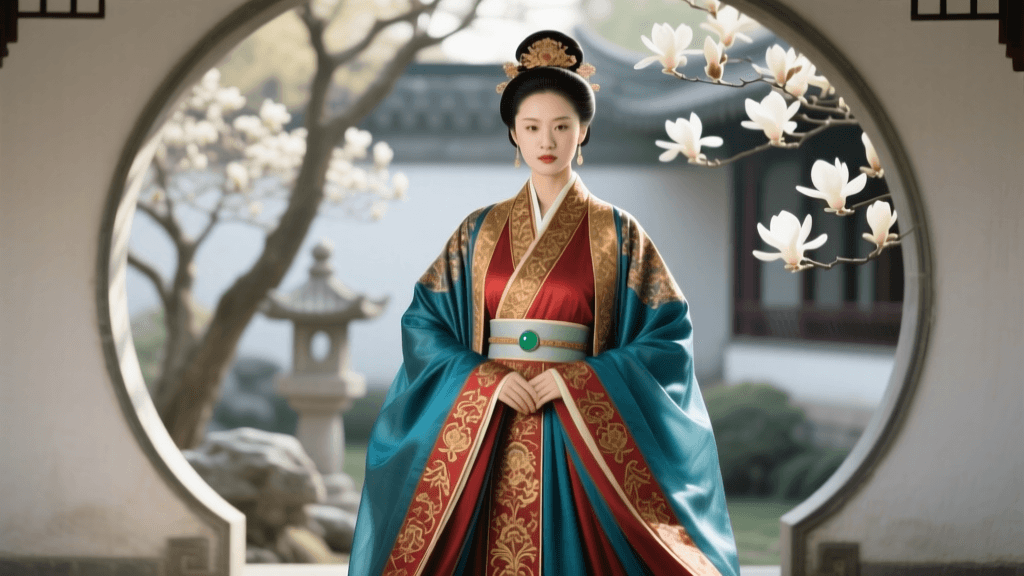
The Ming Dynasty (1368–1644) provides the most recognizable and opulent wedding aesthetic: the Fengguan Xiapei (Phoenix Crown and Cloud Collar). This ensemble is the historical equivalent of a Western white wedding gown in terms of formality and cultural weight.
- The Silhouette: The bride wears a richly embroidered Yuanlingpao (round-collar robe) or a Dashan (long jacket) paired with a Mamianqun (horse-face skirt). The groom typically wears a dark, round-collared robe with a Buzi (mandarin square) denoting scholarly or official rank, paired with a black scholar's hat.
- Colors: While red is mandatory for the skirt or outer layers to symbolize luck, Ming wedding jackets often feature deep blues, emerald greens, or black, heavily embroidered with gold and silver phoenix and dragon motifs.
- Practical Advice: A bespoke, museum-quality Ming wedding set can cost between $800 and $3,000 USD and take up to three months to hand-embroider. For budget-conscious couples, high-quality rental boutiques in major cities or specialized Taobao vendors like 'Shisanyu' offer off-the-rack sets for $250 to $500 USD. Always order two sizes up for the outer jacket to accommodate the thick, layered inner garments required for the proper silhouette.
Tang Dynasty Elegance: Vibrant and Romantic
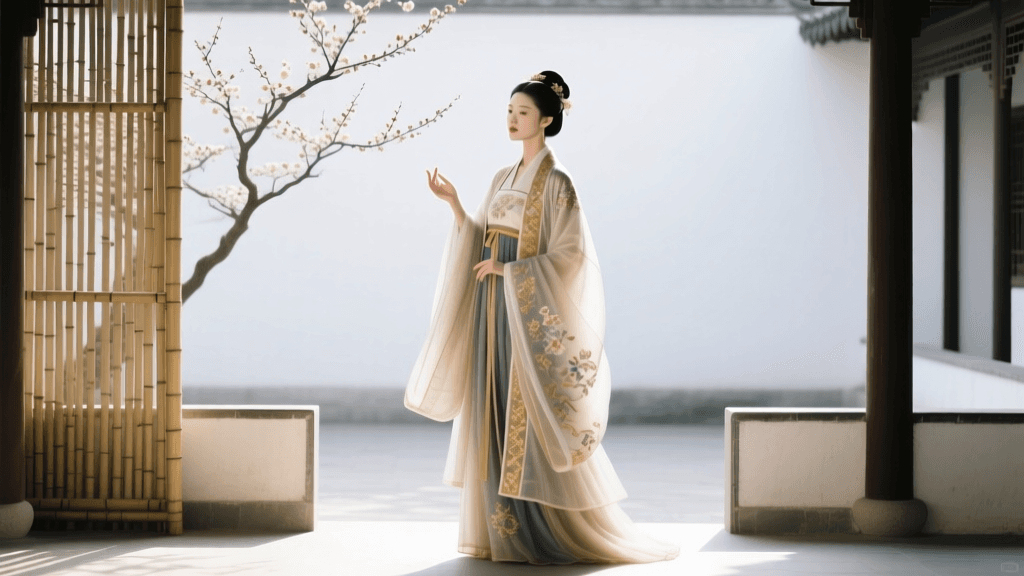
For couples seeking a lighter, more romantic aesthetic, the Tang Dynasty (618–907) offers breathtaking alternatives. The Tang era was cosmopolitan and vibrant, characterized by high-waisted skirts and sheer, flowing fabrics. Brides can opt for a Qixiong Ruqun (chest-high tie skirt) paired with a sweeping Daxiushan (large-sleeved shirt) in crimson, gold, and pomegranate hues. The makeup for a Tang bride is equally elaborate, featuring Huadian (forehead decals) and dramatic Yexian (slanted eyebrow) designs.
University Graduations: Redefining Academic Dress
A viral trend documented by BBC Travel shows university students across Asia replacing or augmenting Western academic regalia with traditional Hanfu. Graduations represent the transition from scholar to professional, making historical scholarly attire deeply meaningful.
Song Dynasty Scholarly Aesthetics
The Song Dynasty (960–1279) is revered for its minimalist, intellectual elegance. Unlike the bold Tang or opulent Ming, Song fashion favors subdued colors, clean lines, and understated luxury—perfect for the solemnity of a graduation ceremony.
- The Silhouette: The Beizi (a parallel-collar, open-front jacket) worn over a Baiqun (pleated skirt) or a Songku (wide-leg trouser). The elongated, vertical lines of the Beizi create a dignified, scholarly posture.
- Colors & Fabrics: Opt for 'scholarly' tones: bamboo green, slate blue, lotus pink, or pearl white. Summer graduations demand breathable fabrics like linen-cotton blends or lightweight raw silk (Shuanggong silk), which drape beautifully without causing overheating under the sun.
- Styling with Modern Regalia: Many graduates wear a Song-style Beizi underneath their university's graduation gown, allowing the intricate collar and cuffs to frame the Western V-neck. Alternatively, students are swapping the traditional mortarboard cap for a Futou (Song official hat) or a simple jade hairpin securing a scholarly topknot.
Traditional Festivals: Aligning Garments with the Seasons
Wearing Hanfu during lunar festivals is a way to physically connect with the rhythms of the traditional agricultural calendar. Matching your garment to the specific festival's historical and seasonal context elevates the experience.
Spring Festival & Lantern Festival (Yuanxiao)
Held in late winter and early spring, these festivals require warmth and festivity. The Wei-Jin or early Ming styles are popular here. A thick, brocade Jiaoling Youren (cross-collar right-over-left) upper garment lined with faux fur or quilted cotton, paired with a heavy, woven Mamianqun featuring lantern or plum blossom motifs, is ideal. Accessorize with a plush rabbit-hair winter wrap and a handmade paper lantern.
Mid-Autumn & Duanwu (Dragon Boat) Festivals
These late-spring and early-autumn festivals call for breathable, flowing garments. The Aoqun (jacket and skirt) from the late Ming era, made from lightweight gauze or bamboo-silk, is perfect for the humid weather of the Dragon Boat Festival. For the crisp evening air of the Mid-Autumn Festival, a Song Dynasty Beizi layered over a moon-white skirt, accessorized with a jade pendant and a folding fan, perfectly captures the poetic essence of moon-gazing.
Occasion-Based Hanfu Comparison Chart
| Occasion | Recommended Era | Key Garment Pieces | Best Fabric | Est. Budget (USD) |
|---|---|---|---|---|
| Wedding (Formal) | Ming Dynasty | Fengguan, Dashan, Mamianqun | Heavy Brocade, Silk Satin | $400 - $2,500+ |
| Wedding (Romantic) | Tang Dynasty | Qixiong Ruqun, Daxiushan | Chiffon, Lightweight Silk | $150 - $600 |
| Graduation | Song Dynasty | Beizi, Baiqun, Songku | Linen, Raw Silk, Cotton | $80 - $250 |
| Winter Festivals | Ming / Wei-Jin | Lined Ao, Quju, Fur Wraps | Wool blends, Quilted Cotton | $120 - $350 |
| Summer Festivals | Song / Tang | Banbi, Poqun, Gauze Beizi | Ramie, Gauze, Bamboo Silk | $60 - $200 |
Sourcing, Sizing, and Styling Essentials
Transitioning from modern Western clothing to traditional Hanfu requires a shift in how you think about sizing and tailoring. As highlighted by the South China Morning Post, the booming Hanfu industry has standardized certain measurements, but historical accuracy requires a more nuanced approach.
The Importance of Arm Span and Skirt Length
Unlike Western fashion, which focuses heavily on bust, waist, and hip measurements, Hanfu is constructed around the arm span (wingspan) and height. Traditional sleeves (such as the Pipa sleeve or the sweeping Guangxiu) are measured from the center back of the neck to the wrist or fingertips. When ordering from overseas vendors or Taobao, always provide your total arm span. If your arm span is significantly longer than your height, standard sizes will result in awkwardly short sleeves, breaking the elegant drape of the garment.
Skirt length is equally critical. A Mamianqun should sit at the natural waist and fall precisely to the ankle bone, leaving the toes visible. Most vendors sell skirts in standard lengths (e.g., 100cm, 105cm, 110cm). Measure from your navel to your ankle bone to select the correct length; a skirt that is too long will cause tripping hazards, especially during festivals or weddings where you are navigating stairs and uneven terrain.
Sourcing Authentic Pieces
For special occasions, avoid cheap, mass-produced 'costume' grade Hanfu, which often uses synthetic polyester that shines unnaturally in photographs and traps heat. Seek out 'Hanfu-original' brands that base their patterns on historical textiles. Brands like Shisanyu, Minghuatang, and Chengshi Wuying are renowned for their museum-grade replicas and high-quality jacquard weaves. When buying online, look for the term Zheng Han (Orthodox Hanfu) to ensure the garment follows historical construction rules, such as the mandatory right-over-left collar crossing (Jiaoling Youren), which is a vital sign of respect and cultural accuracy.
Conclusion
Wearing Hanfu for weddings, graduations, and festivals is more than a fashion statement; it is a profound reconnection with Asian heritage. By understanding the historical context of different dynasties, selecting appropriate fabrics for the season, and mastering the unique sizing requirements of traditional garments, you can ensure that your attire is as meaningful and enduring as the milestones you are celebrating.