Hanfu Secondhand Market 2026: Vintage Collecting & Resale Guide
The Evolution of the Hanfu Resale Market in 2026
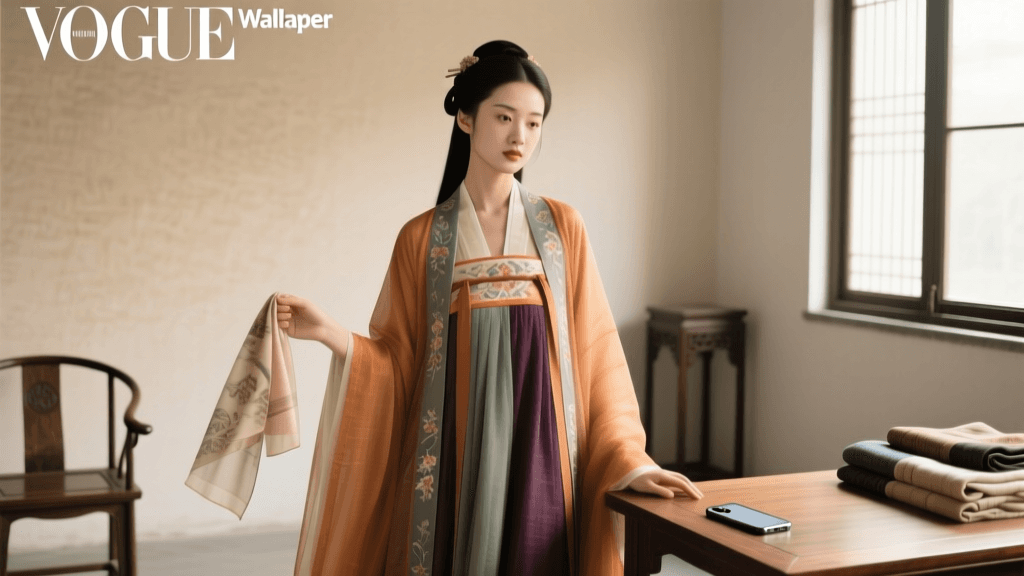
The global fascination with traditional Chinese clothing has transitioned from a niche historical revival into a robust, multi-billion-dollar circular fashion economy. As we navigate 2026, the Hanfu secondhand market is no longer just a place to find discounted garments; it has become a vibrant hub for vintage collecting, artisanal textile preservation, and sustainable fashion. According to historical context provided by BBC News, the modern Hanfu movement began as a grassroots effort by young Chinese netizens to reclaim their cultural heritage. Today, that movement has matured into a sophisticated ecosystem where museum-grade replicas and limited-edition artisanal weaves trade hands like luxury collectibles.
For collectors and enthusiasts, the secondary market offers access to discontinued designs from prestigious ateliers, rare hand-woven silk tapestries, and authentic vintage pieces from the early days of the Hanfu revival. However, navigating this space requires a deep understanding of textile quality, platform dynamics, and historical accuracy. This comprehensive guide will equip you with the knowledge to source, authenticate, and care for secondhand Hanfu in 2026.
Sourcing Authentic Pieces: Navigating Xianyu and Global Platforms
The epicenter of the Hanfu resale market remains China's domestic platforms, though international accessibility has vastly improved over the last few years. Knowing where to look—and what search terms to use—is the first step in building a valuable collection.
Mastering Xianyu (Idle Fish)
Xianyu, Alibaba's premier secondhand marketplace, is the undisputed king of Hanfu resale. In 2026, the platform has integrated advanced AI image recognition and community-driven authentication tags specifically for traditional garments. To succeed on Xianyu, you must use precise Mandarin search terms. Simply searching for 'Hanfu' will yield thousands of low-quality, fast-fashion results. Instead, use specific dynasty and garment-type keywords:
- 马面裙 (Mamianqun): The iconic horse-face skirt, highly sought after in woven brocade.
- 宋制褙子 (Song Dynasty Beizi): Lightweight, elegant outer jackets popular for summer layering.
- 明制圆领袍 (Ming Dynasty Yuanlingpao): Round-collar robes, often featuring intricate rank-badge (Buzi) embroidery.
- 缂丝 (Kesi): Silk tapestry weaving, a premium technique that commands high resale value.
When purchasing on Xianyu, always look for sellers with the 'Real Person Authentication' badge and check their historical reviews specifically for textile transactions. Many high-end collectors use proxy buying services (Superbuy, CSSBuy) to navigate Xianyu from outside China, ensuring secure payment and international shipping.
Global Platforms: Depop, Vestiaire, and Reddit
For buyers outside of Asia, platforms like Depop and Vestiaire Collective have seen a surge in 'Guochao' (national trend) and high-end Hanfu listings. While the selection is smaller than on Xianyu, the advantage lies in buyer protection and localized shipping. Additionally, the Hanfu community on Reddit and dedicated Discord servers host private resale threads where enthusiasts trade rare pieces from brands like Minghuatang and Shisanyu without the markup of commercial resale platforms.
Identifying High-Value Artisanal Hanfu
Not all Hanfu holds its value. The market is heavily saturated with mass-produced polyester blends that depreciate the moment they are unboxed. True collectors focus on artisanal pieces that utilize historical weaving techniques and natural fibers. The Metropolitan Museum of Art's extensive archives on Chinese Dress and Textiles highlight the importance of structural integrity and historical motifs in traditional garments. When evaluating a secondhand piece, look for the following markers of high value:
Key Weaving Techniques and Materials
- Zhuanghua (妆花): A complex Ming Dynasty brocade technique where colored weft threads are woven into the fabric to create vibrant, raised patterns. Authentic Zhuanghua is heavy, structurally dense, and highly prized on the resale market.
- Xiangyunsha (香云纱): Also known as 'gambiered Canton gauze,' this silk is dyed using yam juice and river mud. It has a distinct papery texture, darkens beautifully with age, and is a favorite among vintage collectors for its unique patina and eco-friendly production.
- Hand-Embroidery vs. Machine Embroidery: Inspect the reverse side of the fabric. High-value pieces will feature hand-embroidered motifs (like the Su or Shu embroidery styles) with slight irregularities and gradient thread blending, whereas machine embroidery will show uniform, grid-like stitching on the back.
2026 Secondhand Hanfu Pricing and Value Retention
Understanding the financial landscape of the Hanfu resale market is crucial for both buyers looking for a deal and sellers aiming to recoup their investments. The table below outlines the average pricing tiers and value retention rates for popular Hanfu styles in the 2026 secondary market.
| Garment Style | Brand / Artisan Tier | Original Retail (USD) | 2026 Resale Avg (USD) | Value Retention |
|---|---|---|---|---|
| Mamianqun (Woven Brocade) | High-End Artisan (e.g., Minghuatang) | $450 - $700 | $550 - $900 | 120% - 150% |
| Song Dynasty Beizi (Gauze) | Mid-Tier Boutique | $150 - $250 | $110 - $180 | 70% - 80% |
| Tang Qixiong Ruqun | Fast Fashion / Guochao | $40 - $80 | $15 - $30 | 30% - 40% |
| Xiangyunsha Silk Jacket | Heritage Intangible Cultural Brand | $300 - $500 | $350 - $600 | 110% - 130% |
Note: High-end artisanal brands often operate on a made-to-order model with waitlists spanning six to twelve months. Consequently, 'new with tags' or 'gently used' pieces from these ateliers frequently sell above retail on Xianyu due to immediate availability.
Inspecting Pre-Owned Silk and Brocade
Buying vintage or secondhand textiles carries inherent risks. Natural fibers like silk and wool are susceptible to environmental damage. When evaluating a pre-owned Hanfu, either in person or by requesting high-resolution macro photography from an online seller, conduct the following inspections:
1. Checking for Silk Shatter and Dry Rot
Silk shatter occurs when weighted silk or poorly stored silk degrades, causing the fibers to crack and split along the fold lines. Gently flex the fabric (or ask the seller to do so on video). If you hear a distinct 'crunching' sound or see micro-fractures along the creases, the garment is suffering from dry rot and should be avoided, as it cannot be repaired.
2. Metallic Thread Oxidation
Many Ming Dynasty replica Mamianqun feature gold or silver metallic threads woven into the brocade. Over time, especially in humid climates, these threads can oxidize, turning black or dull green. While some collectors appreciate this as a 'vintage patina,' severe oxidation can make the threads brittle and prone to snapping during wear.
3. Odor and Stain Assessment
Traditional garments are often stored with camphor or sandalwood to deter moths. While these scents can be aired out, a musty, mildew odor indicates prolonged exposure to moisture and potential hidden mold spores. Furthermore, inspect the collar and inner cuffs for foundation or sweat stains, which can permanently degrade silk proteins if not treated by a professional textile conservator.
Archival Care for Your Vintage Hanfu Collection
Once you have acquired a valuable piece from the secondhand market, proper archival storage is essential to preserve its structural integrity and financial value for future generations.
- Ditch the Wire Hangers: Never hang heavy brocade Mamianqun or heavily embroidered robes on wire or standard wooden hangers. The immense weight of the fabric will cause the warp threads to stretch and tear over time. Use padded, wide-shoulder archival hangers for lightweight jackets, and store heavy skirts flat.
- Acid-Free Tissue Paper: When folding Hanfu for flat storage, pad every fold with unbuffered, acid-free tissue paper. This prevents hard creases from forming and stops the dyes from transferring between layers of fabric.
- Climate Control and Pest Deterrence: Store your collection in a cool, dark environment with a relative humidity of around 50%. Avoid plastic dry-cleaning bags, which trap moisture and emit gases that degrade silk. Instead, use breathable, unbleached cotton garment bags. For pest control, rely on natural cedar blocks or dried lavender sachets rather than chemical mothballs, which can cause irreversible yellowing to natural silk fibers.
Conclusion: The Future of Circular Hanfu Fashion
The Hanfu secondhand market in 2026 represents a beautiful intersection of cultural preservation, sustainable fashion, and artisanal appreciation. By approaching the resale market with a collector's eye—prioritizing historical weaving techniques, natural dyes, and meticulous garment care—you do more than just acquire beautiful clothing. You become a custodian of living history, ensuring that the intricate craftsmanship of traditional Chinese textiles continues to be celebrated and preserved for decades to come.