The 2026 Hanfu Secondhand Market: Vintage Collecting Guide
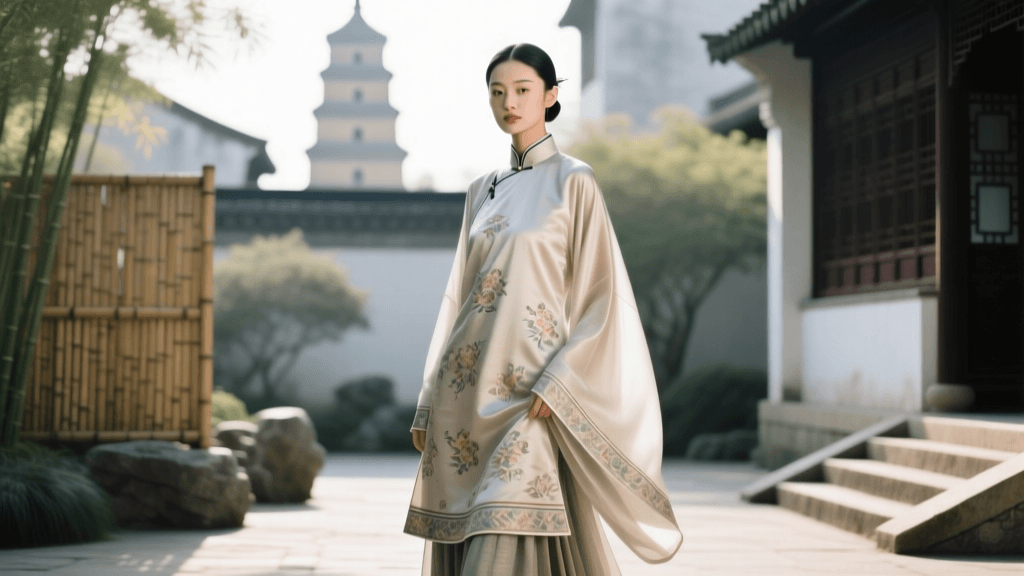
The global fascination with traditional Chinese clothing has matured significantly over the last decade. As we navigate 2026, the Hanfu market has evolved from a grassroots cultural revival into a sophisticated, multi-billion-dollar global ecosystem. With this immense growth comes a highly active secondary market. According to BBC News, what began as a niche street-style movement has blossomed into a mainstream cultural phenomenon, and today's collectors are increasingly turning to the secondhand market to acquire rare, discontinued, and historically significant pieces.
Whether you are a seasoned collector looking for early Hanfu movement pioneers or a newcomer seeking sustainable ways to build a traditional wardrobe, understanding the nuances of the 2026 resale landscape is essential. This comprehensive guide will walk you through platform navigation, authentication techniques, pricing trends, and the proper conservation of vintage textiles.
Defining 'Vintage' in the Hanfu World
When collectors discuss 'vintage' Hanfu in 2026, it is crucial to distinguish between actual historical garments and 'Early Movement' vintage. True historical antiques—such as surviving Ming dynasty textiles or Qing-era Han-surviving garments—are largely confined to museums or high-end auction houses. They require specialized conservation and are rarely traded on public consumer platforms.
Instead, the 2026 secondary market focuses heavily on Early Movement Vintage (2003–2015). These are garments produced by the pioneer brands of the modern Hanfu revival, such as Chong Hui Han Tang, early Zhongli, and Shuang Yu. These pieces are highly coveted not just for their historical significance within the subculture, but because their patterns, fabric weaves, and tailoring methods are often discontinued and impossible to replicate today. Owning a pristine 2010 Ming-style Aoqun from a pioneer brand is considered a hallmark of a serious modern collector.
Navigating Xianyu (Idle Fish) for Hanfu
Xianyu (Idle Fish) remains the undisputed behemoth of the secondhand goods market in China, and by 2026, its algorithm has become highly specialized for niche fashion communities. To succeed on Xianyu, you must master the community-specific lexicon. Searching for 'Hanfu' alone will yield millions of disorganized results. Instead, use these targeted keywords:
- 绝版 (Jueban - Out of Print): Use this to find discontinued patterns from major brands like Shisanyu or Ting Yue that are no longer in production.
- 退坑 (Tuikeng - Leaving the Pit): A colloquial term for users selling off their entire collection because they are leaving the hobby. These listings often offer bulk discounts and well-maintained sets.
- 仅试穿 (Jinshichuan - Try-on Only): Indicates the garment has never been worn outside, preserving the crispness of structured collars and cuffs.
- 古法 (Gufa - Traditional Method): Used to describe garments made with historical tailoring techniques, such as flat-cutting and zero-waste fabric usage, which are highly prized over modern 3D-tailored 'Hanfu elements'.
In 2026, Xianyu also introduced enhanced authentication badges for verified vintage clothing sellers, making it slightly safer to purchase high-ticket items like Xiangyunsha (gambiered Canton gauze) from reputable resellers.
2026 Pricing Trends and Investment Pieces
The secondary market has stabilized in 2026, moving away from the hyper-inflated scalper prices of the early 2020s. Today, value is driven by fabric rarity, brand heritage, and condition. Below is a comparative look at average resale prices for highly sought-after styles in the current market.
| Garment Style & Era Inspiration | Standard Retail (2026) | Average Resale (Good Condition) | Vintage / Discontinued Premium |
|---|---|---|---|
| Ming Dynasty Aoqun (Woven Brocade) | $180 - $250 | $120 - $160 | $350+ (Early Pioneer Brands) |
| Song Dynasty Beizi & Pleated Skirt | $90 - $140 | $60 - $90 | $150+ (Rare Silk Prints) |
| Tang Dynasty Qixiong Ruqun | $110 - $160 | $70 - $100 | $200+ (Authentic Damask) |
| Xiangyunsha (Gambiered Gauze) Robes | $400 - $800 | $350 - $600 | $1,200+ (Aged & Patinated) |
Authentication: Spotting 'Zheng' vs. 'Shan'
The Hanfu community maintains a strict ethical stance regarding intellectual property. Zheng (正) refers to authentic garments produced by original designers, while Shan (山) refers to counterfeits that steal original patterns and sell them at a fraction of the cost. In the 2026 resale market, buying 'Shan' is heavily frowned upon and will severely limit your ability to resell the item later.
How to Authenticate Secondhand Hanfu
- Check the Brand Tags and Washing Labels: Authentic brands use specific, often embroidered or high-quality woven tags. Counterfeits frequently use cheap printed satin tags or misspell the brand name slightly.
- Examine the Pattern Repeat: Original brands invest heavily in custom jacquard looms and digital printing matrices. Fakes often have blurred, stretched, or misaligned pattern repeats, especially along the seams of pleated skirts (Mamianqun).
- Verify the Original Release: Use Xiaohongshu (Red) to search the brand and pattern name. The community maintains extensive, crowdsourced databases of original release dates, packaging details, and known counterfeit flaws.
The Unique Value of Aged Xiangyunsha
One of the most fascinating aspects of the 2026 vintage Hanfu market is the treatment of Xiangyunsha, a luxurious silk dyed using yam juice and river mud, a technique recognized by UNESCO Intangible Cultural Heritage. Unlike standard mulberry silk, which degrades and loses value when worn and washed, Xiangyunsha actually improves with age.
As the silk is worn, the stiff mud-coating softens, and microscopic 'cracks' (known as 'turtle shell patterns') begin to form on the dark surface, revealing the rich brown silk beneath. This patina is impossible to fake. Consequently, a well-worn, naturally aged Xiangyunsha Ming-style robe from a decade ago will command a significantly higher price on Xianyu than a brand-new, stiff piece straight from the loom. Collectors actively seek out these 'broken-in' vintage pieces for their unparalleled drape and historical character.
Caring for Secondhand Silk and Brocade
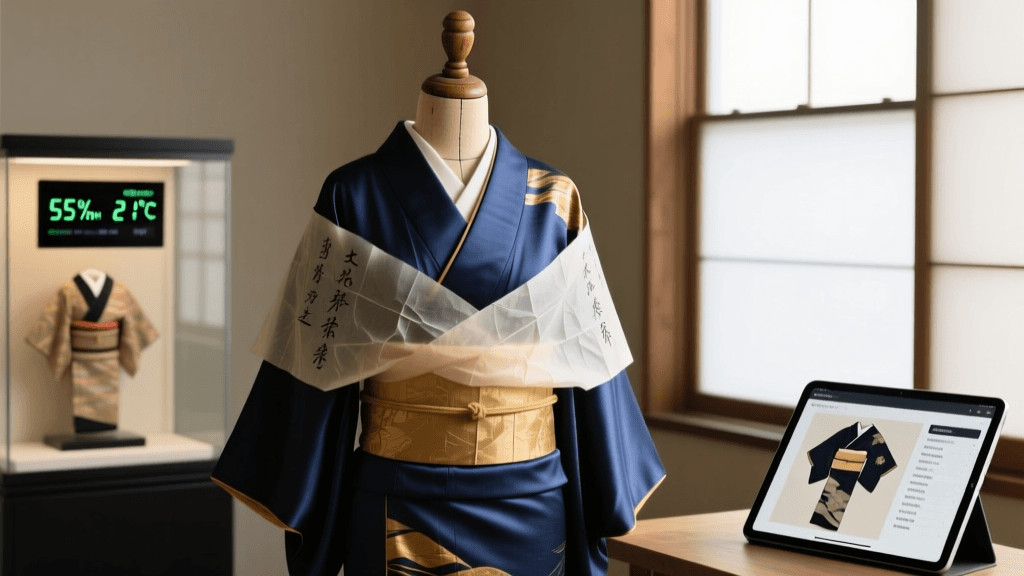
Acquiring vintage Hanfu is only half the journey; preserving it requires meticulous care. When you receive a secondhand garment, it is vital to assess its condition and clean it properly before adding it to your archive. The Victoria and Albert Museum provides excellent foundational guidelines for historical textile conservation that apply perfectly to vintage Hanfu.
Best Practices for 2026 Collectors
- Avoid Machine Washing: Never machine wash vintage Hanfu, especially structured Ming dynasty collars or pleated Mamianqun. The agitation will destroy the internal fusing and ruin the pleat lines.
- Dry Cleaning vs. Hand Washing: While modern synthetic blends can be gently hand-washed with pH-neutral silk detergents, vintage silk brocades and Xiangyunsha should be professionally dry-cleaned by specialists who understand traditional Chinese textiles.
- Storage Solutions: Store your vintage pieces flat in acid-free tissue paper. Hanging heavy, vintage brocade skirts for long periods will cause the warp threads to stretch and the waistbands to tear under the garment's own weight.
- Moth Prevention: Use natural camphor wood blocks rather than chemical mothballs, which can leave a permanent, noxious odor in the porous silk fibers and degrade the natural dyes.
Conclusion
The 2026 Hanfu secondhand market offers a thrilling intersection of fashion, history, and sustainability. By mastering platform-specific search terms, understanding the ethical boundaries of authentication, and learning the delicate art of textile conservation, collectors can build wardrobes that are not only beautiful but culturally significant. Whether you are hunting for a rare Early Movement pioneer piece or seeking the perfect, naturally patinated Xiangyunsha robe, the secondary market remains the most rewarding avenue for the dedicated traditional garment enthusiast.