Hanfu Undergarments and Structural Layers: A Guide
The Architecture of Elegance: Understanding Hanfu Foundations
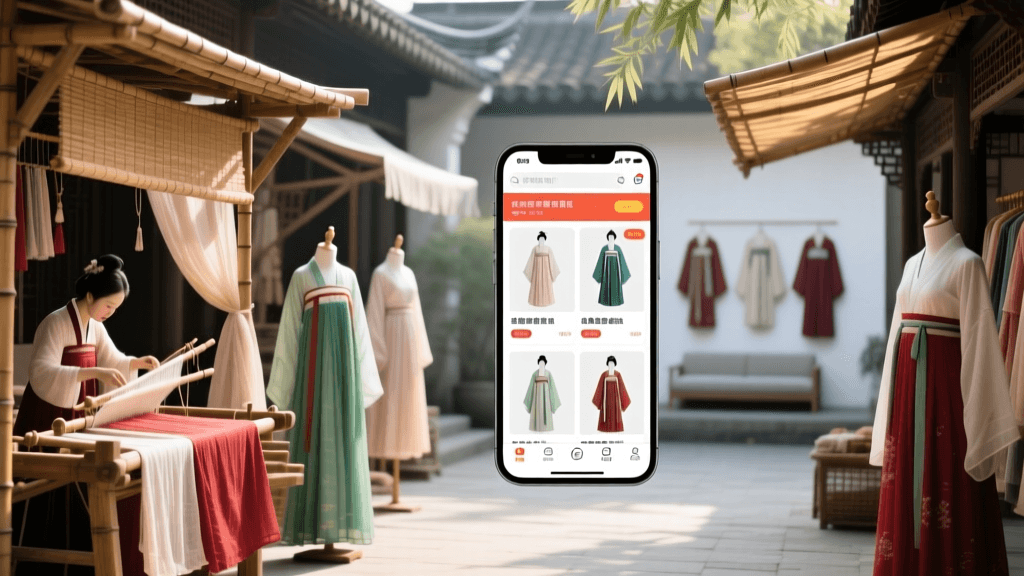
When observing the sweeping elegance of traditional Chinese clothing, it is easy to be captivated solely by the outermost robes, the intricate embroidery, and the flowing sleeves. However, the true architectural brilliance of Hanfu lies beneath the surface. Much like the foundation of a grand palace, the undergarments and structural layers of Hanfu dictate the silhouette, drape, and overall authenticity of the garment. As the modern Hanfu revival continues to grow, with millions of young enthusiasts embracing their sartorial heritage as noted by the BBC, understanding these foundational layers has never been more critical for both historians and modern practitioners.
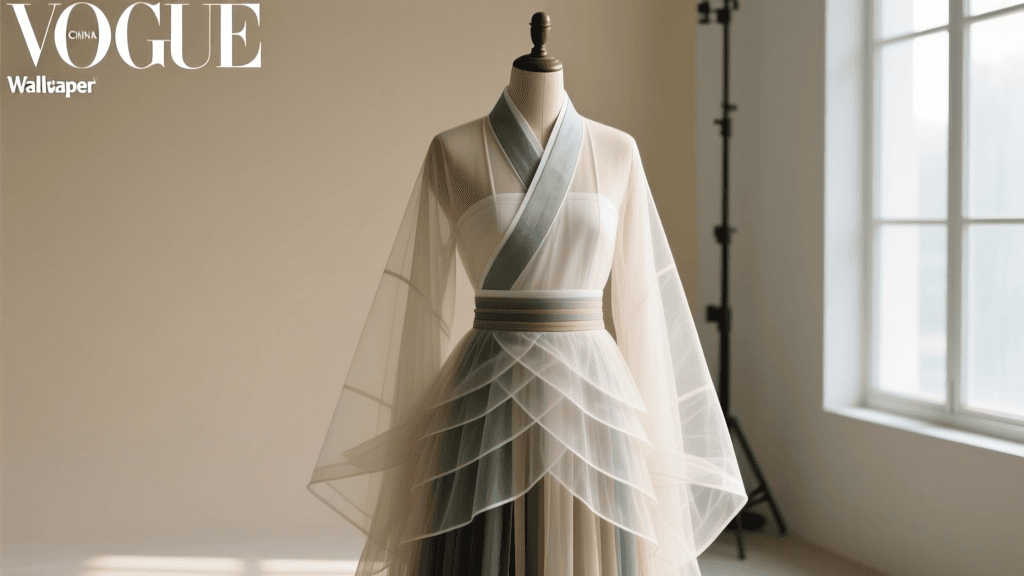
Unlike Western historical fashion, which frequently relies on complex tailoring, darts, and corsetry to mold the fabric to the human form, traditional Hanfu is fundamentally based on flat-pattern cutting. The fabric is woven in straight lines and wrapped around the body. Consequently, the structure and volume of the outfit are not achieved through the cut of the outer garment, but through the strategic accumulation and tension of inner layers. The undergarments, collectively referred to as Neiyi (inner clothes) and Zhongyi (middle clothes), provide the necessary friction, opacity, and structural rigidity to ensure the outer silk or linen robes hang correctly and maintain their modesty.
The Essential Inner Garments: Neiyi and Zhongyi
The Base Layer: Moxiong and Undershirts
The base layer for the upper body, particularly for women, is often the Moxiong. This is a traditional tube top or bodice that wraps around the chest and back, secured by ties or modern elastic adaptations. Historically made from breathable linen or soft cotton, the Moxiong provides essential support and ensures that the sheer or lightweight outer layers remain modest. For men, a simple, lightweight, short-sleeved cotton undershirt serves this foundational purpose, absorbing perspiration and protecting the more expensive middle layers from body oils.
The Structural Core: The Zhongyi
The most vital structural component of the Hanfu system is the Zhongyi, or middle shirt. The Zhongyi is a long-sleeved, cross-collared top that acts as the bridge between the intimate base layers and the grand outer robes. It is typically crafted from crisp, opaque fabrics like cotton or linen blends. The primary function of the Zhongyi is to provide a stiff, clean collar line that frames the face and supports the heavy outer collars. Without a properly fitted and ironed Zhongyi, the outer robes will collapse inward, ruining the majestic, layered aesthetic that defines traditional Chinese dress.
Lower Body Foundations: Zhongku and Zhongqun
For the lower body, the Zhongku (middle pants) or Zhongqun (middle skirts) are worn. These are generally loose-fitting, opaque garments that prevent the outer skirts or robes from clinging to the legs, especially in windy conditions or when sitting. In winter, quilted Zhongku provide essential insulation without adding excessive bulk to the outer silhouette, ensuring the wearer remains warm while preserving the fluid drape of the outer garments.
The Layering Sequence: From Skin to Silk
To achieve the correct historical silhouette, garments must be donned in a precise order. The following table outlines the standard layering sequence for a formal Hanfu ensemble.
| Layer Order | Garment Name | Primary Function | Typical Fabric Choices |
|---|---|---|---|
| 1 (Base) | Moxiong / Undershirt | Support, modesty, sweat absorption | Soft cotton, linen, bamboo silk |
| 2 (Lower Base) | Zhongku / Zhongqun | Leg coverage, friction, insulation | Cotton, quilted blends, ramie |
| 3 (Middle) | Zhongyi | Collar structure, opacity, layering depth | Crisp cotton, linen-cotton blends |
| 4 (Outer Lower) | Qun (Skirt) / Ku (Trousers) | Primary lower body aesthetic and volume | Silk, brocade, heavy linen |
| 5 (Outer Upper) | Shan / Ao / Pao | Main visual garment, warmth, status display | Patterned silk, damask, velvet |
| 6 (Outerwear) | Doukou / Pifeng | Weather protection, formal outermost layer | Wool, heavy brocade, fur-lined silk |
Mastering the Jiaoling Youren Structure
The defining visual characteristic of Hanfu is the Jiaoling Youren, the cross-collar that wraps right-over-left. This structural rule applies to almost every layer, from the innermost Zhongyi to the outermost coat. The left lapel must always cross over the right, a tradition deeply rooted in ancient Chinese philosophy, where the left represents life and the right represents death; wrapping left-over-right was historically reserved for the deceased.
Achieving the Perfect Collar Peek
Achieving the perfect collar peek is a hallmark of an experienced Hanfu wearer. When layering, the collar of the Zhongyi should extend exactly 1 to 2 centimeters above and beyond the collar of the outer robe. This creates a striking visual contrast, often pairing a stark white Zhongyi collar against a richly colored or embroidered outer robe. To achieve this, the inner ribbons (Xidai) of the Zhongyi must be tied securely at the right side of the torso, pulling the fabric taut across the chest before the outer garments are applied.
The Art of Tying the Xidai (Inner Ribbons)
Hanfu relies entirely on ribbons and ties rather than buttons or zippers. The Zhongyi features two sets of internal ribbons and one set of external ribbons. The internal ribbons are tied first to anchor the left lapel to the right inner seam. Then, the external ribbons are tied to secure the right lapel over the left. The tension of these ties dictates the neckline height. Tying them too loosely will result in a gaping, immodest neckline, while tying them too tightly will restrict breathing and cause the fabric to bunch uncomfortably at the shoulders.
Seasonal Fabric Adjustments for Structural Layers
The structural layers must adapt to diverse and extreme climates. In the sweltering heat of summer, the layering system can feel burdensome. Modern practitioners often substitute the traditional cotton Zhongyi with ultra-thin bamboo silk or ramie, a traditional bast fiber that offers exceptional breathability and natural stiffness. Ramie is particularly prized because it holds a crisp edge when ironed, maintaining the collar structure even in high humidity.
Conversely, winter requires structural layers that provide warmth without destroying the flowing silhouette. Historically, as documented in the extensive textile archives of the Metropolitan Museum of Art, Chinese artisans mastered the art of silk weaving and padding. A winter Zhongyi might be lined with raw silk floss or lightweight wool. The key to winter layering is to trap air between the flat-cut layers. Because Hanfu is not tailored tightly to the body, the space between the Zhongyi and the outer robe acts as an insulating barrier, making multiple thin layers far more effective than a single thick garment.
Practical Advice for Modern Wearers
Sizing and Measurements
Sourcing and fitting these layers requires a shift in mindset for those accustomed to Western sizing. Hanfu does not rely on precise bust or waist measurements. Instead, the critical measurements are the shoulder drop, sleeve length, and the total width of the garment wrap. When purchasing a Zhongyi, ensure the sleeves extend to the base of the thumb, and the collar lies flat against the collarbones without gaping. Because the garments wrap around the body, weight fluctuations are easily accommodated, making Hanfu an incredibly inclusive and adaptable wardrobe system.
Maintenance and Care
Maintenance of the structural layers is just as important as their acquisition. The Zhongyi must be meticulously ironed before every wear, focusing heavily on the collar edges and the cuffs. A wrinkled Zhongyi collar will cause the outer layers to bunch and fold improperly. Furthermore, as highlighted by the Smithsonian Magazine, the modern Hanfu movement has spurred a massive industry of accessible, e-commerce-driven brands that offer pre-ironed, blended-fabric Zhongyi designed specifically for the convenience of contemporary daily wear, bridging the gap between ancient aesthetics and modern practicality.
Conclusion
Ultimately, mastering Hanfu is an exercise in patience and respect for traditional engineering. The undergarments and middle layers are not mere afterthoughts; they are the scaffolding upon which the beauty of Chinese sartorial history is built. By investing time in selecting the right fabrics, understanding the precise geometry of the cross-collar, and respecting the layering sequence, wearers can achieve an authentic, elegant silhouette that honors centuries of cultural heritage. Whether you are dressing for a traditional festival, a cultural exhibition, or simply integrating historical elements into your daily life, remembering the foundational layers is the key to wearing Hanfu with true grace and authenticity.