The Foundation of Hanfu: Undergarments and Layering
The Unseen Elegance of Traditional Chinese Dress
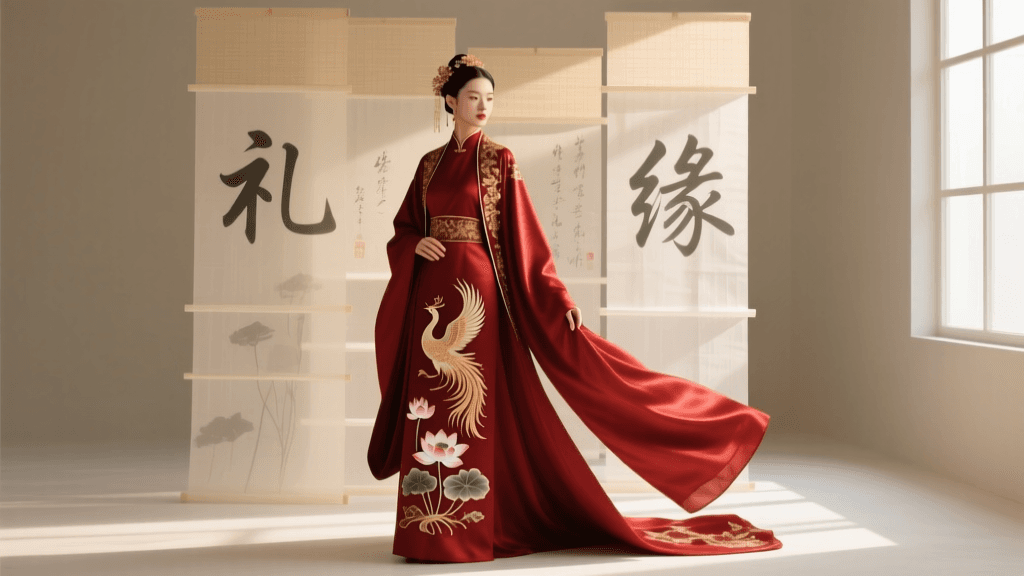
The global resurgence of traditional Chinese clothing has brought the breathtaking silhouettes of Hanfu into the modern spotlight. As noted by BBC News, the Hanfu movement is driven by a younger generation seeking to reconnect with their cultural heritage through fashion. However, while the sweeping sleeves of the daxiushan or the intricate embroidery of the mamianqun (horse-face skirt) capture the eye, the true elegance and structural integrity of Hanfu rely entirely on what lies beneath. Understanding Hanfu undergarments and structural layering is not merely a matter of historical accuracy; it is the key to achieving the correct drape, ensuring modesty, and maintaining comfort across varying climates.
The Core Philosophy of Hanfu Layering
Unlike Western historical fashion, which often relied on rigid corsetry, panniers, or heavy petticoats to force the body into a specific shape, traditional Chinese dress relies on fluid layering and the natural drape of textiles. According to The Metropolitan Museum of Art, the fundamental philosophy of Chinese dress emphasizes the harmonious relationship between the garment and the human form. The undergarments serve to protect the delicate outer silks from body oils, provide an opaque base for sheer outer layers, and create a smooth canvas that allows the outer robes to fall in elegant, uninterrupted lines. The layering system is highly modular, allowing wearers to add or remove inner layers depending on the season, making Hanfu an incredibly adaptable wardrobe system.
Essential Undergarments: A Structural Breakdown
Zhongyi (中衣): The Inner Top
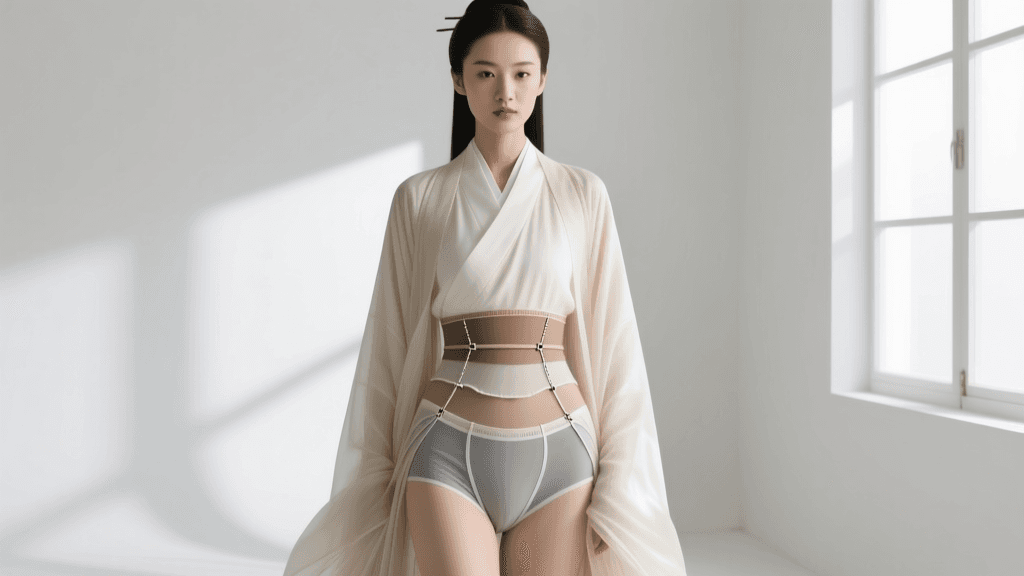
The Zhongyi is the foundational inner shirt of the Hanfu ensemble. It typically features a jiaoling youren (cross-collar, right lapel) design, mirroring the structure of outer garments but with a much closer, more practical fit. The primary function of the Zhongyi is to provide a clean, usually white or off-white, border at the collar and cuffs of the outer garments. This creates a visually striking layered effect at the neckline and wrists. For modern wearers, a well-fitted Zhongyi prevents the outer robes from slipping and ensures that the crucial right-over-left collar rule is maintained at the base layer.
Zhongku (中裤): The Inner Trousers
Historically, both men and women wore trousers beneath their skirts and robes. The Zhongku are traditional inner trousers characterized by a wide leg and a drawstring or tied waistband. They are typically cropped at the calf or ankle to prevent bunching inside shoes or boots. In modern Hanfu styling, while many opt for contemporary shorts or leggings for convenience, traditional Zhongku made of breathable linen or cotton remain the gold standard for historical reenactments and formal ceremonies, providing modesty when sitting or moving in high winds.
Traditional Binders and Modern Alternatives
Historically, women utilized garments like the Mo Xiong (a traditional chest wrap or binder) to provide support and create a smooth silhouette beneath the cross-collar tops. The Mo Xiong was a long strip of fabric wrapped tightly around the chest and back. Today, most modern Hanfu enthusiasts opt for contemporary, low-profile undergarments. Seamless camisoles, bralettes, and slip shorts are widely used to maintain the sleek lines required by Hanfu without the discomfort of traditional binding. The key rule for modern undergarments is that they must remain entirely invisible; no modern straps, lace, or elastic bands should peek out from the traditional collarlines or wide sleeves.
Comparison Chart: Hanfu Undergarment Types
| Garment Name | Primary Function | Recommended Fabric | Estimated Cost (USD) |
|---|---|---|---|
| Zhongyi (Inner Top) | Modesty layer, collar/cuff border, sweat absorption | Cotton, Ramie, Silk | $25 - $120 |
| Zhongku (Inner Trousers) | Leg coverage, modesty beneath skirts, mobility | Linen, Cotton blends | $20 - $60 |
| Mo Xiong (Chest Wrap) | Historical support, silhouette smoothing | Cotton, Silk blends | $15 - $40 |
| Modern Slip/Camisole | Contemporary support, opacity for sheer Hanfu | Modal, Microfiber | $10 - $30 |
Fabric Selection by Season and Climate
Choosing the right fabric for your foundational layers is critical for comfort. As highlighted by cultural guides like China Highlights, traditional Chinese textiles were deeply tied to the agricultural calendar and regional climates.
- Summer and Humid Climates: Opt for Zhongyi made from ramie, linen, or lightweight cotton. Ramie is a traditional Chinese textile that is highly breathable, moisture-wicking, and naturally resistant to bacteria. It keeps the skin cool and prevents the outer silk layers from clinging to sweat.
- Spring and Autumn: Medium-weight cotton or cotton-silk blends offer the perfect balance of warmth and breathability. These fabrics provide enough structure to hold the cross-collar in place without adding bulk.
- Winter and Cold Climates: For freezing temperatures, historical wearers utilized quilted cotton or silk-floss padded inner garments. Today, you can layer modern thermal wear (like Uniqlo Heattech) beneath a cotton Zhongyi, or invest in a fleece-lined traditional inner robe (zhongdan) to maintain the historical silhouette while staying warm.
Practical Guide: How to Layer for the Perfect Silhouette
Achieving the correct Hanfu silhouette requires a specific order of operations. Follow this step-by-step layering guide to ensure your garments sit correctly and comfortably:
- Base Undergarments: Put on your modern seamless slip or traditional Mo Xiong and slip shorts. Ensure all modern straps are tucked away or adjusted to sit below the Hanfu collar line.
- The Inner Trousers (Zhongku): Tie the Zhongku securely at the natural waist. Ensure the hem sits just above the ankle bone so it does not drag on the floor or peek out from beneath a skirt.
- The Inner Top (Zhongyi): Wrap the left side of the Zhongyi over your body, then bring the right side over it (always right over left for the living). Tie the inner ribbons first, then the outer ribbons. The collar should sit snugly against the base of the neck, with exactly 2 to 3 inches of overlap at the chest.
- The Skirt or Lower Robe: Wrap your mamianqun or lower ruqun skirt around the waist, tying it securely over the Zhongyi ribbons. The waistband of the skirt should sit at your natural waist or slightly higher, depending on the specific dynasty style you are emulating.
- The Outer Garment: Finally, don your outer top, robe, or beizi. Adjust the Zhongyi collar so that a precise, even strip of the white inner collar (about half an inch) is visible framing your neck and extending down to the chest.
Sizing, Measurements, and Cost Expectations
Unlike outer Hanfu robes, which are designed to be voluminous and forgiving, the Zhongyi must be tailored to your specific measurements to function correctly. When ordering or sewing a Zhongyi, pay close attention to the shoulder width and sleeve length. The shoulder seam should sit exactly on your natural shoulder bone, and the sleeve should end precisely at the wrist bone. If the Zhongyi sleeves are too long, they will bunch up uncomfortably inside the wide sleeves of your outer robe; if they are too short, you will lose the traditional layered cuff effect.
In terms of cost, a basic, mass-produced cotton Zhongyi from e-commerce platforms like Taobao or AliExpress typically ranges from $20 to $40. However, for high-quality, custom-tailored inner garments made from premium ramie or mulberry silk, expect to pay between $80 and $150. If you are ordering custom historical reproductions from specialized artisans, allow a lead time of 3 to 5 weeks for tailoring and international shipping.
Caring for Your Foundational Layers
Because undergarments sit directly against the skin, they require more frequent washing than heavy outer robes. Cotton and linen Zhongyi can generally be machine washed on a gentle, cold-water cycle using a mesh laundry bag to protect the delicate tie ribbons. However, if you invest in silk inner layers, they must be hand-washed using a pH-neutral silk detergent and laid flat to dry out of direct sunlight. Always iron your Zhongyi on the appropriate fabric setting before wearing; a crisp, wrinkle-free inner collar is the hallmark of a polished and respectful Hanfu presentation.
Conclusion
Mastering the foundational layers of Hanfu is a rewarding journey that deepens your appreciation for traditional Chinese sartorial engineering. By investing in high-quality Zhongyi and Zhongku, selecting climate-appropriate fabrics, and adhering to traditional layering protocols, you elevate your Hanfu practice from mere costuming to a genuine embodiment of historical elegance and cultural respect.