Hanfu Travel Guide 2026: Packing Tips & Top Photo Spots
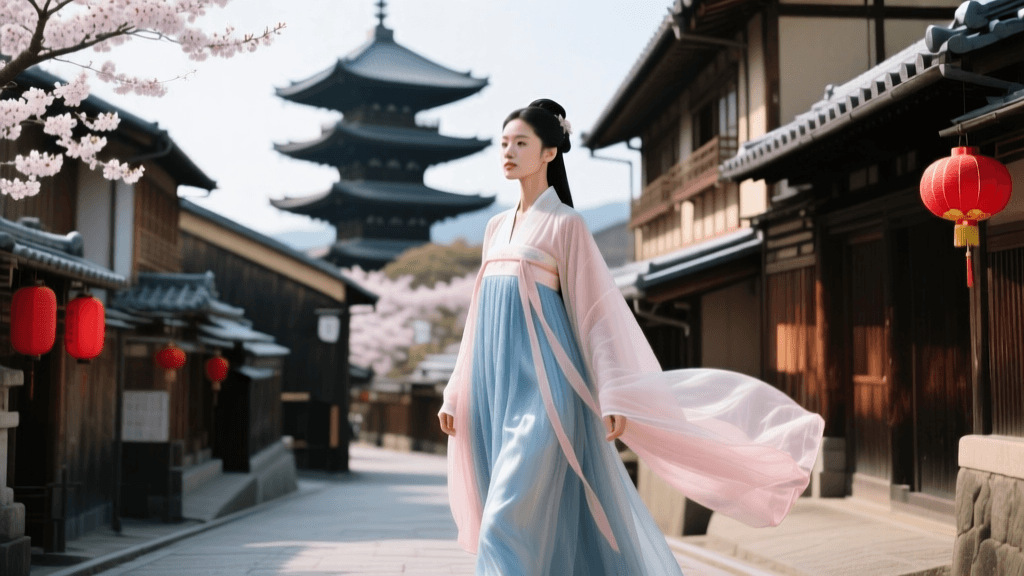
The Global Rise of Hanfu Tourism in 2026
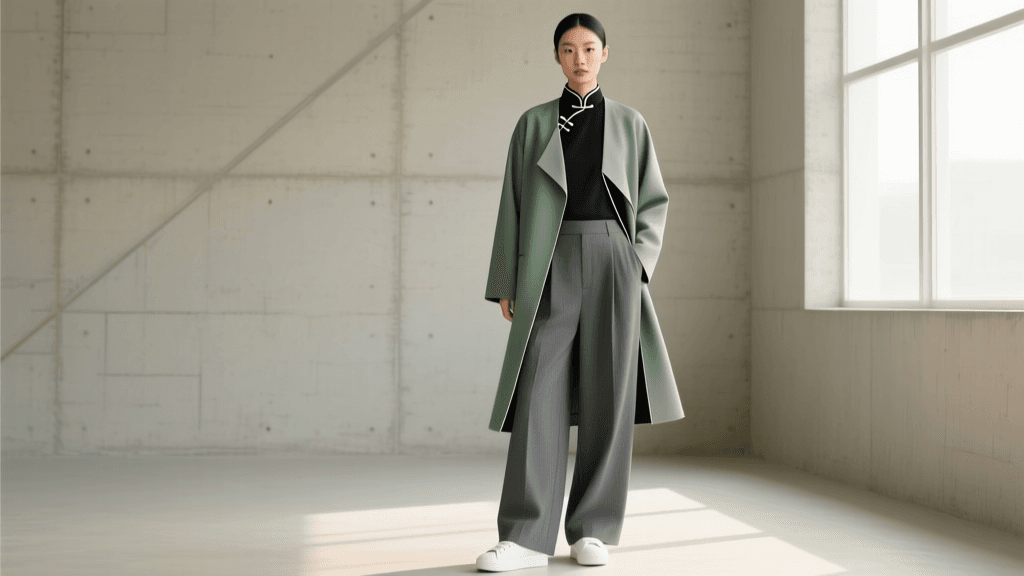
As we navigate through 2026, the global fascination with traditional Asian garments has evolved from a niche hobby into a vibrant cultural tourism movement. The rise of the Xin Zhongshi (new Chinese style) has heavily influenced modern travel fashion, blending historical silhouettes with contemporary, travel-friendly fabrics. Whether you are wandering the ancient streets of Xi'an, posing beneath the cherry blossoms in Kyoto, or exploring the historic Silla dynasty sites in Gyeongju, traveling with Hanfu requires strategic planning. Delicate silks, intricate brocades, and elaborate accessories demand specialized care on the road. This comprehensive guide will equip you with the best packing techniques, essential 2026 travel gear, and the top Hanfu-friendly destinations for your next cultural expedition.
The Art of Packing Hanfu: The "Jelly Roll" Method
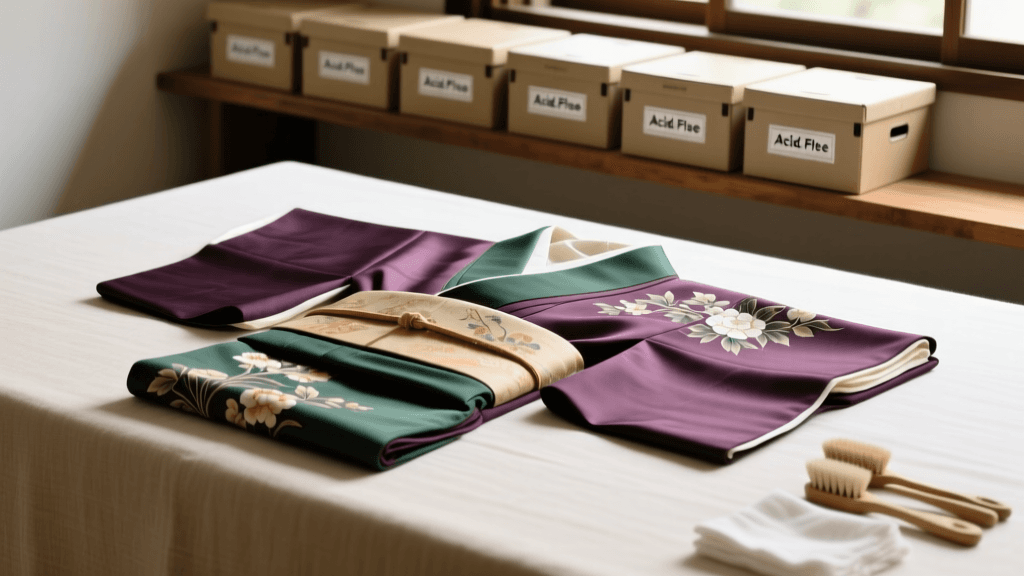
Packing traditional garments like the Ming dynasty Mamianqun (horse-face skirt) or the Song dynasty Beizi (jacket) can be daunting. The pleats of a Mamianqun are notoriously difficult to maintain, and crushed silk brocade can ruin a photoshoot before it begins. To preserve your garments, textile conservators recommend avoiding sharp folds. Instead, adopt the "Jelly Roll" method, a technique endorsed by experts in textile preservation, such as those outlined in the Victoria and Albert Museum's guide to caring for textiles.
Step-by-Step Rolling Technique
- Prep the Surface: Lay your Hanfu flat on a clean, dry surface. Ensure all ties and sashes are neatly aligned and not twisted.
- Use Acid-Free Tissue: Place a layer of unbuffered, acid-free tissue paper over the garment. This prevents dye transfer and reduces friction between fabric layers.
- Protect the Pleats: For pleated skirts, stuff the pleats loosely with tissue paper to help them retain their structure during transit.
- The Roll: Starting from the hem or the bottom edge, roll the garment tightly but gently around a soft core (like a clean cotton t-shirt or a specialized garment tube). Never fold the fabric back on itself.
- Secure and Store: Place the rolled garment into a breathable cotton drawstring bag or a dedicated compression packing cube designed for delicates.
Essential Hanfu Travel Kit for 2026
Technology and travel accessories have advanced significantly, offering Hanfu enthusiasts specialized tools to maintain their outfits on the go. Below is a curated comparison of the must-have items for your 2026 Hanfu travel kit.
| Item | Purpose | 2026 Recommended Model | Est. Price (USD) |
|---|---|---|---|
| Portable Smart Steamer | Removes wrinkles from silk and linen without direct heat damage. | Dewoo Smart-Press Mini (Dual Voltage) | $55.00 |
| Magnetic Skirt Clips | Secures heavy Mamianqun skirts to prevent tripping on cobblestones. | HanfuTech MagSafe Heritage Clips | $18.00 |
| EVA Hairpin Case | Protects delicate metal and acrylic buyang (hairpins) from snapping. | Muji Hard Shell Accessory Case | $12.00 |
| Anti-Static Spray | Prevents synthetic linings and silk from clinging to tights or boots. | Static Guard Travel Lens Spray | $8.00 |
| Acid-Free Tissue Paper | Buffers folds and maintains pleat structure in luggage. | Conservation Grade Unbuffered Tissue | $15.00 |
Top Hanfu-Friendly Destinations for 2026
Choosing the right destination is just as important as packing correctly. The following locations offer breathtaking backdrops, cultural resonance, and increasingly Hanfu-friendly infrastructure.
1. Xi'an, China: The Tang Dynasty Epicenter
Xi'an remains the undisputed capital of Hanfu tourism. As the eastern terminus of the historic trade routes documented in the UNESCO Silk Roads World Heritage listing, the city is a living museum. In 2026, the Datang Everbright City has expanded its night market and introduced Augmented Reality (AR) guided tours specifically designed for visitors in traditional attire. The sweeping eaves of the Tang-style architecture provide the perfect backdrop for the vibrant colors of Tang-style Qixiong Ruqun (chest-high skirts). Pro Tip: Visit the City Wall at sunrise to avoid the massive crowds and capture the golden hour light reflecting off your silk garments.
2. Kyoto, Japan: Cross-Cultural Elegance in Arashiyama
While Kyoto is famous for Kimono, wearing Hanfu amidst its ancient temples and bamboo groves has become a beautiful expression of cross-cultural appreciation. The Arashiyama Bamboo Grove offers a striking visual contrast to the flowing sleeves of a Wei-Jin style Jiao Ling Pao. According to the Japan National Tourism Organization's profile on Arashiyama, the area is best accessed early in the morning. When wearing Hanfu in Japan, it is crucial to practice mindful tourism: keep your long sleeves tucked when walking through crowded shrines, avoid blocking narrow pathways for photos, and respect the solemnity of sacred spaces.
3. Gyeongju, South Korea: Ancient Silla Meets Ming Elegance
Gyeongju, often referred to as a "museum without walls," is the historic capital of the Silla Kingdom. The Hwangnidan-gil street, lined with traditional Hanok houses and modern cafes, is an incredible setting for Hanfu photography. The earthy tones and wooden lattices of the Hanok architecture pair beautifully with the structured, dignified lines of a Ming dynasty Aoqun (jacket and skirt). In 2026, several local cafes along Hwangnidan-gil offer dedicated "traditional garment" changing rooms and luggage storage, making it easier than ever to transition from your travel clothes into your full Hanfu ensemble.
Navigating Transit: Airport Security and Etiquette
Traveling with a full Hanfu wardrobe presents unique logistical challenges, particularly at airport security. Elaborate buyang (hairpins) and crowns often contain metal wires, sharp points, and delicate pearls that can trigger TSA and international security alarms.
The Hairpin Strategy
Never pack your most valuable or fragile metal hairpins in your carry-on luggage. Security scanners will flag them, and agents may confiscate them if they are deemed "sharp objects." Instead, pack all metal buyang in your checked luggage, wrapped in bubble wrap and secured inside your EVA hard case. For your carry-on, or for the flight itself, bring acrylic, wood, or resin hairpins. These materials easily pass through X-ray machines and are less likely to be damaged if your bag is jostled.
Managing Volume on Flights
Hanfu garments, particularly winter cloaks (Doupeng) and multi-layered skirts, are incredibly voluminous. Wear your bulkiest layers on the plane to save space in your suitcase. A heavy, embroidered winter cloak can easily double as a luxurious travel blanket during a long-haul flight, keeping you warm while protecting the garment from being crushed in the overhead bin.
Photography and Posing on the Go
When traveling, you won't always have a professional photographer or a studio setup. Master a few dynamic poses that highlight the unique construction of your Hanfu. For skirts with pleats, practice the "twirl and settle" technique to capture the flare of the fabric. For wide-sleeved garments like the Daxiushan, use natural wind to your advantage—stand facing the breeze and let the silk billow behind you. Always carry a small, foldable reflector in your daypack to bounce natural light onto your face when shooting in the shadows of ancient temples or dense bamboo forests.
Conclusion: Embrace the Journey
Traveling with Hanfu in 2026 is more accessible and rewarding than ever before. By utilizing modern packing techniques, investing in specialized travel gear, and choosing destinations that celebrate cultural heritage, you can transform your vacation into a breathtaking visual journey. Whether you are tracing the ancient Silk Road in Xi'an or finding quiet moments of reflection in Kyoto, your traditional garments will serve as a beautiful bridge between the past and the present. Pack carefully, travel respectfully, and let your Hanfu tell a story wherever you go.