Traveling With Hanfu in 2026: Packing Tips & Top Destinations
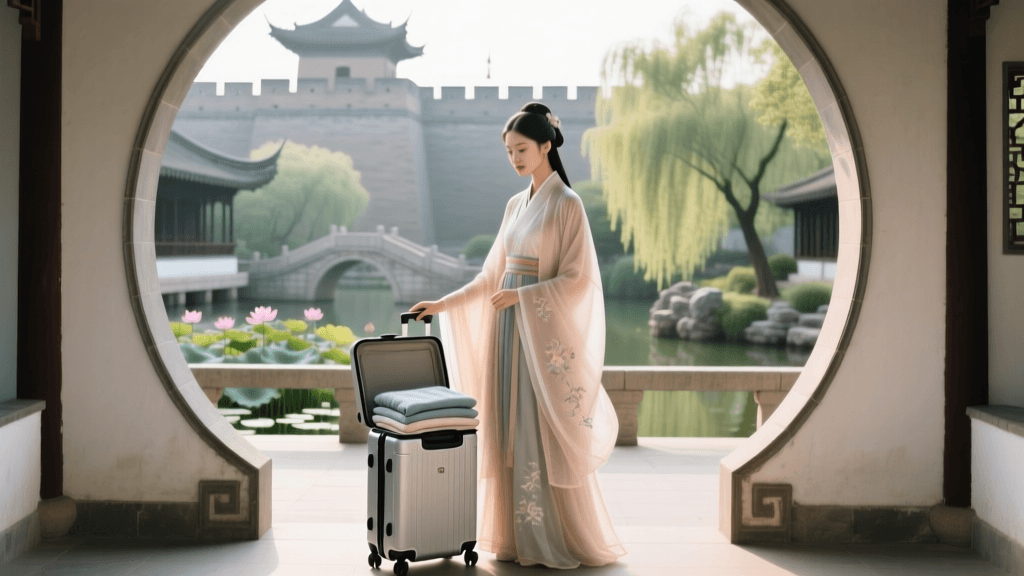
The Global Rise of Hanfu Tourism in 2026
The year 2026 marks a watershed moment for traditional Asian fashion, with Hanfu transcending local festivals to become a cornerstone of global cultural tourism. As international and domestic travelers increasingly seek immersive historical experiences, the sight of flowing sleeves and intricate pleats has become commonplace on high-speed rail networks and in ancient city centers. However, traveling with traditional Chinese garments presents unique logistical challenges. From preserving the sharp pleats of a Ming Dynasty skirt to managing delicate silk chiffons in humid climates, a successful Hanfu journey requires meticulous preparation.
This comprehensive guide explores the most effective packing methodologies, essential 2026 travel gear, and the premier destinations where your traditional wardrobe will truly shine.
The Ultimate Hanfu Packing Masterclass
Packing Hanfu is fundamentally different from packing modern Western clothing. The wide sleeves, layered collars, and structured pleats demand a specialized approach to prevent permanent creasing and fabric damage. In 2026, the integration of smart luggage and specialized garment organizers has made this process significantly more manageable.
Preserving the Mamianqun Pleats
The Mamianqun (horse-face skirt) is a staple of Ming Dynasty Hanfu and a favorite among modern travelers for its elegance and versatility. However, its signature pleats are notoriously difficult to maintain in a suitcase. Follow this step-by-step preservation method:
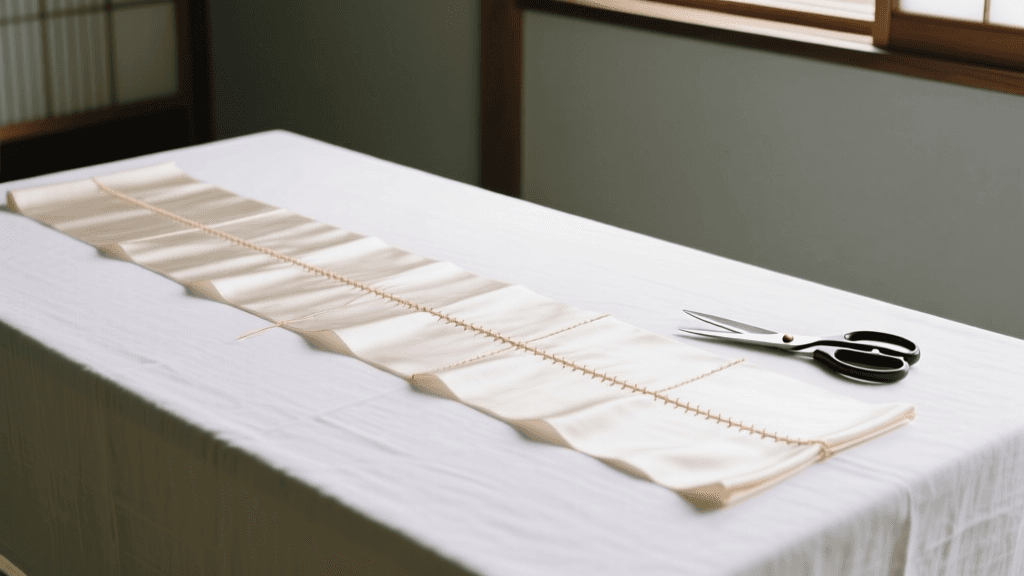
- Step 1: Surface Preparation. Lay the skirt completely flat on a clean, dry surface. Smooth out the pleats with your hands, ensuring the inner and outer folds align perfectly.
- Step 2: Tissue Interleaving. Insert acid-free tissue paper between every major pleat. This prevents friction during transit and stops the fabric from 'shifting' when the bag is moved.
- Step 3: The Waistband Roll. Instead of folding the skirt in half, roll it gently from the bottom hem upward toward the waistband. The rigid waistband will act as a protective shell for the delicate pleats.
- Step 4: Compression Cube Placement. Place the rolled skirt into a rigid, cylindrical garment tube or a dedicated pleat-protection travel cube, ensuring it is packed vertically rather than horizontally to avoid crushing.
Fabric Choices for the Modern Nomad
When curating your 2026 travel wardrobe, fabric selection is your first line of defense against wrinkles. While pure mulberry silk is breathtaking, it is a nightmare for travel. Instead, look for the latest Xin Zhongshi (new Chinese style) travel blends. Modern weavers have developed silk-cupro and linen-viscose blends that mimic the drape and luster of traditional textiles while offering high wrinkle resistance and machine-washable convenience. For summer travel in southern China, lightweight ramie and bamboo-silk blends offer breathability and natural antimicrobial properties.
2026 Travel Gear Checklist for Hanfu Enthusiasts
To maintain your garments on the road, your luggage must include specialized maintenance tools. Here is the essential checklist for the modern Hanfu traveler:
- Dual-Voltage Ionic Steamer: The 2026 models of portable ionic steamers are a fraction of the size of older versions and feature universal voltage. The ionic output helps relax natural fibers like silk and linen without the risk of water spotting.
- Wide-Hanger Travel System: Standard hotel hangers will distort the shoulder seams of a Beizi (traditional jacket). Pack collapsible, wide-shoulder wooden hangers to maintain the structural integrity of your garments.
- Silk-Lined Garment Bags: Breathable, silk-lined garment bags prevent moisture buildup and protect delicate embroidery from snagging on zippers or other luggage items.
- Anti-Tarnish Jewelry Pouches: Traditional hairpins (zans) and metal accessories are prone to oxidation in humid environments. Store them in airtight, anti-tarnish velvet rolls.
Hanfu Style vs. Travel Suitability Matrix
Not all Hanfu styles are created equal when it comes to travel. Use this matrix to select the right garments for your specific itinerary.
| Garment Style | Era | Primary Fabric | Packing Volume | Wrinkle Risk | Best Travel Scenario |
|---|---|---|---|---|---|
| Qixiong Ruqun | Tang | Silk Chiffon | High | High | Xi'an Night Markets & Studio Shoots |
| Beizi & Songku | Song | Linen Blends | Low | Medium | Hangzhou Tea Villages & Hiking |
| Mamianqun & Ao | Ming | Jacquard/Brocade | Medium | Low | Suzhou Gardens & Museum Tours |
| Curved-Hem Shenyi | Han | Cotton/Hemp | Medium | Low | Historical Ruins & Outdoor Festivals |
Premier Hanfu Destinations for 2026
Choosing the right backdrop is just as important as the garment itself. In 2026, several cities have optimized their infrastructure to welcome Hanfu tourists, offering dedicated changing rooms, historically accurate lighting, and specialized photography services.
Xi'an: Tang Dynasty Grandeur
Xi'an, the ancient capital of Chang'an, remains the undisputed epicenter of Tang Dynasty Hanfu tourism. The city's Datang Everbright City is a sprawling pedestrian zone that comes alive at night with lantern-lit streets and immersive theatrical performances. According to the UNESCO Silk Roads heritage network, Xi'an's historical significance as the eastern terminus of the Silk Road makes it a profound location to showcase the cosmopolitan, vibrant styles of the Tang era. The wide, sweeping sleeves and high-waisted Qixiong Ruqun are perfectly suited to the grand architecture and bustling night markets of Xi'an. In 2026, the city has also introduced augmented reality (AR) viewing stations along the ancient city wall, allowing visitors to see digital reconstructions of Tang Dynasty life superimposed over their surroundings while wearing traditional dress.
Suzhou: Ming Dynasty Serenity
For a more subdued, elegant aesthetic, Suzhou offers an unparalleled backdrop. The Classical Gardens of Suzhou are masterpieces of landscape design, featuring winding corridors, koi ponds, and intricate lattice windows that perfectly frame the structured silhouettes of Ming Dynasty Hanfu. The Mamianqun paired with a standing-collar Ao jacket reflects the refined, scholarly atmosphere of the region. When visiting these UNESCO sites, it is crucial to travel during the early morning hours right after opening. This not only helps you avoid the massive crowds but also provides the soft, diffused natural light necessary for capturing the intricate jacquard weaves and subtle embroidery of your garments. Furthermore, the National Museum of China has heavily promoted regional textile heritage tours in the Jiangnan area, making Suzhou a hub for both visual beauty and deep historical education.
Blending Xin Zhongshi with Travel Practicality
While full traditional Hanfu is breathtaking for photography and evening events, navigating transit hubs and crowded markets requires a more practical approach. This is where the Xin Zhongshi (new Chinese style) movement of 2026 truly excels. Xin Zhongshi bridges the gap between historical accuracy and modern functionality.
'True cultural preservation does not mean freezing clothing in time; it means allowing it to walk alongside us in our daily lives.' — 2026 Asian Textile Heritage Symposium
For travel days, consider pairing a traditional Song Dynasty Beizi (a lightweight, open-front jacket) with modern, high-waisted linen trousers. This combination maintains the traditional silhouette and elegant drape while allowing for the freedom of movement required to navigate train stations and airport security. Similarly, swapping traditional cloth shoes for modern leather loafers with subtle cloud-motif embossing ensures your feet remain comfortable during miles of walking on cobblestone streets without breaking the aesthetic immersion.
Etiquette and Cultural Respect on the Road
As Hanfu tourism grows, so does the responsibility to wear these garments respectfully. When visiting active temples, ancestral halls, or solemn historical monuments, avoid overly theatrical poses or treating sacred spaces merely as photo studios. Ensure your garments are clean, properly layered, and worn with the correct left-over-right collar alignment (a fundamental rule in traditional Han Chinese clothing, as the reverse is historically reserved for the deceased). By treating the clothing with the same reverence as the historical sites you visit, you contribute to the dignified global revival of Asian traditional garments.
Final Thoughts for Your 2026 Journey
Traveling with Hanfu in 2026 is a deeply rewarding experience that connects you to centuries of artistry, weaving, and cultural philosophy. By mastering the art of the tissue-interleaved roll, investing in modern ionic steamers, and choosing destinations that complement your specific garment styles, you can transform your luggage into a traveling museum. Whether you are walking the ancient Silk Road corridors of Xi'an or reflecting in the quiet pavilions of Suzhou, your traditional wardrobe will serve as a beautiful, living bridge between the past and the present.