Japanese Natural Dye Plants: Sustainable Eco Methods for 2026
The Renaissance of Kusaki-Zome in 2026
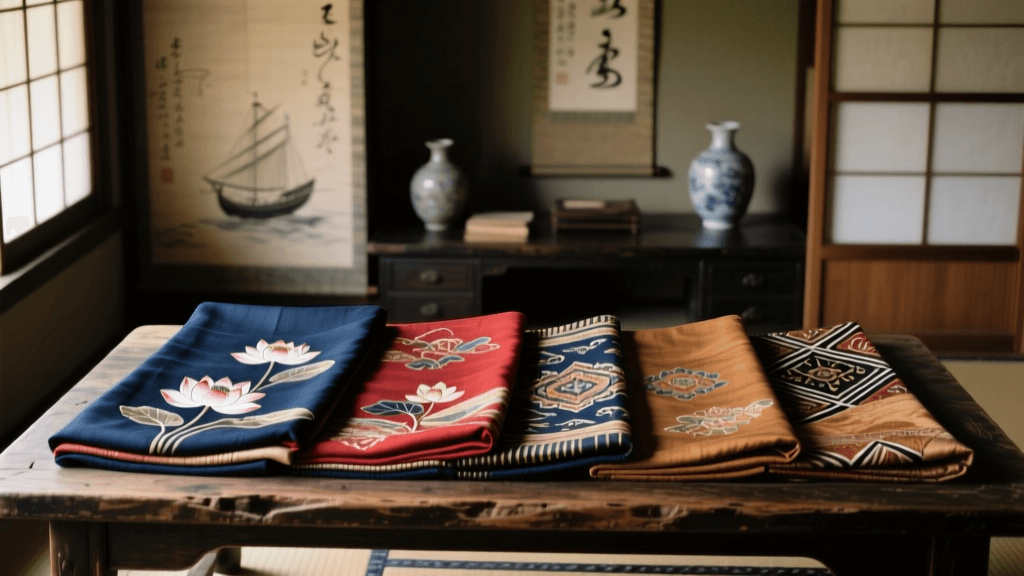
In the contemporary landscape of sustainable fashion and textile arts, the ancient Japanese practice of kusaki-zome (grass and tree dyeing) has experienced a profound renaissance. As of 2026, the global push toward circular economies and biodegradable materials has positioned traditional Japanese natural dye plants at the forefront of eco-friendly textile production. Unlike synthetic dyes, which rely on petrochemicals and release toxic effluents into waterways, plant-based dyes offer a closed-loop lifecycle. The Japan Kogei Association has actively promoted these heritage techniques, emphasizing their relevance in modern sustainable design. This guide explores the most vital Japanese botanical dyes, the shift toward non-toxic mordants, and actionable methods for integrating these practices into contemporary eco-conscious studios.
Core Botanicals: Japan's Premier Natural Dye Plants
Japan's diverse flora provides a rich palette of colorants. The following plants are foundational to the kusaki-zome tradition and remain highly sought after by artisans and sustainable fashion brands in 2026.
Ai (Japanese Indigo)
Derived from the leaves of Persicaria tinctoria, Japanese indigo (ai) is perhaps the most celebrated of all natural dyes. The traditional fermentation process creates sukumo (composted indigo leaves), which is then used to build an alkaline fermentation vat. According to the Metropolitan Museum of Art's Heilbrunn Timeline, the mastery of indigo vat dyeing in Japan requires a delicate balance of pH, temperature, and microbial health. In 2026, modern eco-studios utilize digital pH meters and temperature-controlled incubators to maintain the sukumo vat without relying on harsh synthetic reducing agents like sodium hydrosulfite, opting instead for traditional wood ash lye (aku) and wheat bran.
Kakishibu (Persimmon Tannin)
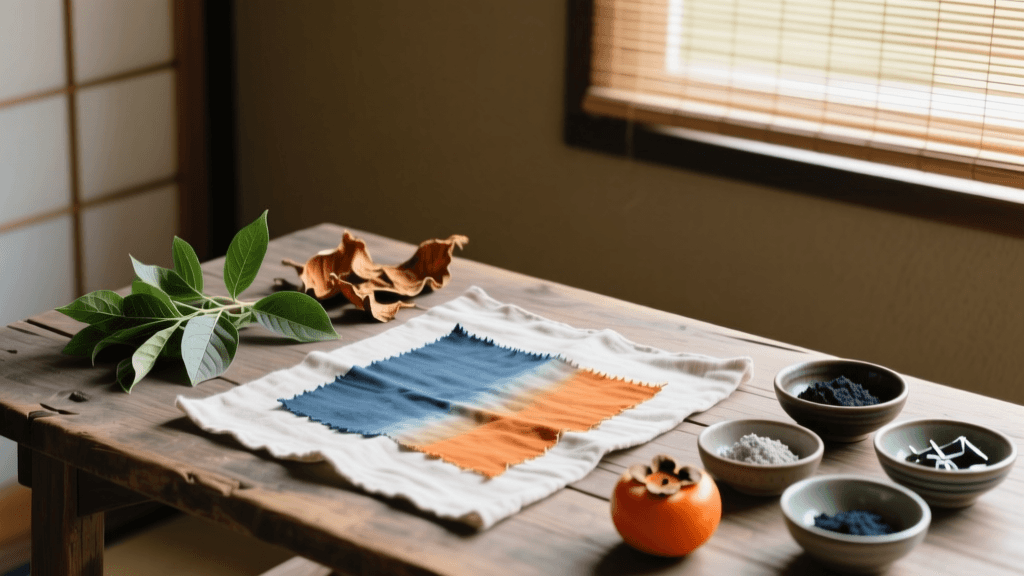
Kakishibu is a unique dye and finish made from the fermented juice of unripe, astringent persimmons. Unlike most natural dyes that require a mordant to bind to fibers, the high tannin content in kakishibu allows it to bond directly to cellulose fibers like cotton, linen, and hemp. When exposed to ultraviolet light and air, the tannins polymerize, creating a water-resistant, insect-repellent, and exceptionally durable finish. In 2026, kakishibu is heavily utilized in sustainable outdoor gear and architectural textiles as a natural alternative to synthetic DWR (Durable Water Repellent) coatings.
Kihada (Amur Cork Tree)
The inner bark of the Amur Cork Tree (Phellodendron amurense) yields a vibrant, luminous yellow due to the presence of berberine. Historically used to dye the robes of Buddhist monks and to preserve important manuscripts (as berberine is naturally insecticidal), kihada requires minimal heat for extraction. Artisans in 2026 favor cold-water or low-heat extractions to save energy, yielding bright yellows on silk and soft chartreuse tones on plant-based fibers.
Enju (Japanese Pagoda Tree)
The unopened flower buds of the Japanese Pagoda Tree (Styphnolobium japonicum) are rich in rutin, a flavonoid that produces brilliant golden-yellow and olive-green hues. Because the buds can be harvested and dried for long-term storage, enju is a highly reliable dye source. It responds beautifully to iron modifiers, shifting from bright gold to deep, moody olive drabs, making it a favorite for contemporary sustainable apparel.
Eco-Friendly Mordants: The 2026 Standard
A mordant is a substance used to set dyes on fabrics by forming a coordination complex with the dye, which then attaches to the fabric. Historically, dyers used heavy metals like potassium dichromate (chrome), copper sulfate, and tin to achieve specific colors and improve lightfastness. However, due to their high toxicity and environmental persistence, these heavy metals have been largely abandoned by the eco-dyeing community.
In 2026, the standard for sustainable kusaki-zome relies on bio-mordants and low-impact minerals:
- Soy Milk (Protein Binder): Cellulose fibers (cotton, linen) lack the protein sites that natural dyes easily bind to. Treating fabric in diluted, unpasteurized soy milk coats the fibers in plant protein, allowing natural dyes to bond as if they were dyeing silk or wool. This method is entirely biodegradable and non-toxic.
- Alum (Potassium Aluminum Sulfate): While a mineral salt, alum is considered safe and non-toxic in the concentrations used for dyeing. It is the most common mordant for brightening colors and is easily sourced from sustainable mining operations.
- Symplocos (Tannin-Rich Leaves): The leaves of the Symplocos plant naturally accumulate aluminum from the soil. Boiling these leaves creates a natural, plant-based alum mordant, entirely eliminating the need for mined mineral salts.
- Iron (Rust Water): Created by soaking rusty nails in water and vinegar, iron water acts as a 'saddening' agent, shifting yellows to olives and reds to deep purples. It is used in minute, carefully controlled quantities to prevent fiber degradation.
Step-by-Step Sustainable Dyeing Workflow
To achieve professional, colorfast results using 2026 eco-friendly standards, follow this closed-loop workflow for cellulose fibers:
- Scouring: Wash the fabric in hot water with a pH-neutral, biodegradable soap to remove manufacturing oils and waxes. Rinse thoroughly.
- Protein Binding: Submerge the damp fabric in a bath of diluted soy milk (1 part soy milk to 5 parts water) for 12 hours. Wring out and air dry. Repeat twice to build a strong protein layer.
- Tannin Mordanting (Optional but Recommended): Simmer the fabric in a bath of gallnut powder or oak bark for one hour to introduce tannins, which act as a bridge between the fiber and the dye.
- Dye Extraction: Simmer your chosen plant material (e.g., enju buds or kihada bark) in water for 45 minutes. Strain the liquid through a fine mesh cloth.
- Dyeing: Enter the damp, mordanted fabric into the warm dye bath. Maintain a temperature of 60°C (140°F) for one hour, stirring gently to ensure even penetration. Allow the fabric to cool in the bath overnight for maximum saturation.
- Washing and Curing: Rinse the fabric in cool water until it runs clear. Wash with a mild, eco-friendly detergent. Hang to dry away from direct, harsh sunlight to preserve the initial hue.
Comparative Data Table: Japanese Dye Plants
| Plant Name (Japanese) | Botanical Name | Primary Color Yield | Eco-Mordant Requirement | Lightfastness (1-5) |
|---|---|---|---|---|
| Ai (Indigo) | Persicaria tinctoria | Deep Blue | None (Vat Dye) | 5 |
| Kakishibu (Persimmon) | Diospyros kaki | Warm Brown/Amber | None (Self-mordanting) | 5 |
| Kihada (Cork Tree) | Phellodendron amurense | Bright Yellow | Alum or Symplocos | 3 |
| Enju (Pagoda Tree) | Styphnolobium japonicum | Golden Yellow/Olive | Alum (Iron to shift) | 4 |
| Kurumi (Walnut) | Juglans ailantifolia | Rich Brown | None (Tannin-rich) | 5 |
Environmental Impact and Closed-Loop Systems
The integration of kusaki-zome into modern textile production is not merely an aesthetic choice; it is a critical environmental strategy. The United Nations Environment Programme (UNEP) highlights that the fashion industry is responsible for significant global wastewater and carbon emissions. By adopting Japanese natural dye plants, studios in 2026 are drastically reducing their chemical footprint.
Modern eco-dye studios now employ closed-loop water systems, where the exhausted dye baths are filtered through bio-char and used to irrigate the very gardens where the dye plants are grown. The spent plant matter from extractions, such as boiled enju buds or kihada bark, is composted and returned to the soil, completing the regenerative cycle. Furthermore, the cultivation of plants like Persicaria tinctoria promotes soil health and biodiversity, contrasting sharply with the monoculture farming and chemical runoff associated with synthetic textile production.
Conclusion
The meticulous art of Japanese natural dyeing offers a viable, beautiful, and deeply sustainable path forward for the textile industry. By embracing the botanical wealth of ai, kakishibu, kihada, and enju, and pairing them with 2026's advanced bio-mordanting techniques, artisans and designers can create garments that honor ancient traditions while fiercely protecting our planet's future. Whether you are a hobbyist experimenting with soy milk binders or a commercial brand scaling up persimmon tannin finishes, kusaki-zome proves that true luxury lies in harmony with nature.