Historical Kimono Trade Textiles: 2026 Sourcing Guide
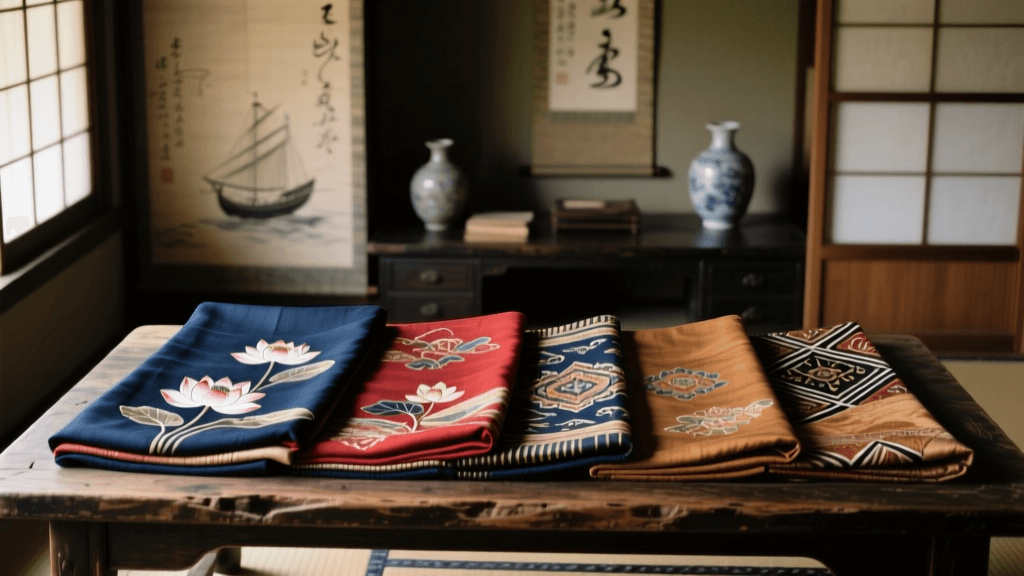
The Legacy of the Silk Road and Maritime Routes in Kimono Fashion
When we examine the rich tapestry of Japanese sartorial history, it is a common misconception that the kimono evolved in complete isolation. In reality, the most breathtaking and highly coveted antique garments are often the product of vast, intercontinental trade networks. As we navigate the collector and artisan markets in 2026, the demand for kimono textiles that bear the unmistakable fingerprints of the Silk Road and maritime spice routes has reached an all-time high. From the 8th-century treasures of the Shosoin repository in Nara to the bustling docks of Dejima in Nagasaki during the Edo period, imported fibers, exotic mordants, and foreign motifs fundamentally transformed Japanese weaving and dyeing traditions.
For modern collectors, designers, and cultural historians, understanding these historical import routes is no longer just an academic exercise; it is a crucial skill for authentication and valuation. According to the UNESCO Silk Roads Programme, the exchange of textiles across Eurasia facilitated not only the movement of goods but the cross-pollination of complex weaving technologies and aesthetic philosophies. Today, sourcing a genuine Edo or Meiji-era kimono featuring authentic trade-route textiles requires a keen eye for historical imports, an understanding of antique fiber chemistry, and knowledge of the 2026 authentication landscape.
Key Historical Imports That Defined Kimono Textiles
To accurately identify and source trade-influenced kimono textiles, one must first understand the primary materials and motifs that entered Japan via Chinese junks, Dutch East India Company (VOC) vessels, and overland caravans.
Sarasa: The Allure of Indian Chintz
Perhaps the most famous imported textile in Japanese history is sarasa, the Japanese term for Indian chintz or painted cotton. Brought to Japan primarily through Dutch and Chinese traders between the 16th and 19th centuries, sarasa was prized for its vibrant, colorfast mordant dyes and intricate floral patterns. Because imported cotton was incredibly expensive and rare during the Edo period, sarasa was rarely used for the outer layer of a garment. Instead, it was utilized for the linings of high-status kosode, the collars of under-kimono, or meticulously pieced together to create luxurious obi (sashes). The Victoria and Albert Museum notes that the complex resist-dyeing and mordant techniques of the Coromandel Coast were highly guarded secrets that Japanese dyers spent centuries attempting to replicate using domestic botanicals.
Nishiki: Chinese Silk Brocades
Nishiki refers to polychrome silk brocades that originated in China and were imported into Japan for centuries, heavily influencing the aristocratic junihitoe and later Noh theater costumes. Woven with supplementary weft threads that create raised, multi-colored patterns, authentic imported nishiki often featured phoenixes, dragons, and lotus motifs that were distinctly Chinese in origin. By the late Edo period, domestic weavers in Nishijin (Kyoto) had mastered these techniques, but early imported bolts remain some of the most valuable textiles in the 2026 auction market.
Karakusa and the Hellenistic Arabesque
The karakusa (arabesque) pattern, characterized by its interlacing vines and stylized foliage, is ubiquitous in Japanese design. However, its roots trace back to Hellenistic art, which traveled through Central Asia and China via the Silk Road before arriving in Japan. Antique kimono featuring early, geometric interpretations of karakusa woven with imported metallic threads (often flat strips of gilt paper or imported silver) are highly sought after by textile historians for their cross-cultural lineage.
Sourcing Authentic Trade-Route Kimono Textiles in 2026
The 2026 market for antique and vintage kimono has become highly sophisticated. The rise of AI-assisted textile analysis and multispectral imaging has made it easier than ever to verify the origin of dyes and fibers, but it has also driven up the prices of verified imported pieces. Whether you are sourcing for a private collection, a museum archive, or high-end contemporary fashion upcycling, here is how to navigate the current landscape.
According to the Metropolitan Museum of Art, the structural evolution of the kimono is deeply tied to the availability of imported textiles, which often came in widths that defied the standard Japanese tanmono bolt (approximately 36 cm wide and 12 meters long). Sourcing these pieces today means looking for garments with unconventional seaming, patchwork linings, and asymmetrical motif placements that reveal the frugality and reverence with which imported fabrics were treated.
Where to Source in 2026
- Specialized Kyoto Dealers: Shops along Teramachi Street and specialized antique textile galleries in the Kamigyo ward remain the premier destinations for verified Edo-period sarasa linings and nishiki fragments.
- Tokyo Antique Fairs: The Mottano Antique Kimono markets and specialized Setagaya fairs frequently feature Meiji-era garments that heavily utilized imported synthetic aniline dyes and European wool blends (such as mosurin), which arrived via maritime trade in the late 19th century.
- International Auction Houses: Bonhams and Christie's 2026 Asian Art and Textile auctions have seen a surge in lots specifically categorized under 'Cross-Cultural Sartorial Exchange,' focusing on garments that blend Japanese tailoring with imported Central Asian or Indian textiles.
2026 Market Valuation for Trade-Route Textiles
The following table provides a general overview of the 2026 market pricing for kimono featuring verified historical import textiles. Prices reflect garments in excellent, wearable, or museum-quality condition.
| Textile Type | Origin / Trade Route | 2026 Avg. Market Price (USD) | Rarity Index |
|---|---|---|---|
| Edo-Period Sarasa Lining | India (Maritime / VOC) | $2,500 - $8,000 | Extremely High |
| Imported Karakusa Brocade | China / Central Asia (Silk Road) | $4,000 - $12,000 | High |
| Meiji Mosurin (Wool) Haori | Europe (Maritime) | $400 - $1,200 | Moderate |
| Early Nishiki Noh Robe | China (Maritime / Tribute) | $15,000 - $45,000+ | Extremely High |
Authenticating Historical Dyes and Imported Fibers
In 2026, relying solely on visual inspection is no longer sufficient for high-value acquisitions. The Japanese domestic market was flooded with highly skilled reproductions of Indian sarasa and Chinese brocades during the late Meiji and Taisho eras. To differentiate between a genuine imported textile and a domestic homage, collectors now utilize portable X-ray fluorescence (XRF) spectrometers to analyze mordant chemistry.
For example, authentic 17th-century Indian chintz utilized specific alum and iron mordants combined with chay root (for reds) and indigo (for blues). Japanese domestic reproductions from the 19th century often relied on safflower (benibana) and persimmon tannin (kakishibu). A quick fiber analysis can also reveal the presence of long-staple Egyptian or Indian cotton versus shorter-staple domestic Asian cotton, providing definitive proof of a textile's maritime origins.
Caring for Antique Imported-Blend Kimono
Preserving garments that combine Japanese tailoring with foreign textiles requires specialized care, particularly because imported materials often age differently than domestic silk.
- Climate Control: Maintain a strict environment of 50% relative humidity and 65°F (18°C). Imported metallic threads, especially early European silver-wrapped threads used in Meiji-era obi, are highly susceptible to tarnishing and sulfide degradation in humid conditions.
- Storage Materials: Never store antique sarasa or imported wool blends in traditional camphor wood chests (tansu). The volatile oils in camphor can react with the natural dyes and metallic mordants of imported textiles, causing irreversible yellowing and fiber embrittlement. Use acid-free, unbuffered tissue paper and archival cotton covers.
- Light Exposure: Early imported aniline dyes, which became popular via European trade routes in the late 19th century, are notoriously fugitive. Display garments with imported magenta or bright green synthetic dyes under UV-filtered glass with illumination strictly limited to 50 lux.
Conclusion
The kimono is not merely a symbol of isolated Japanese tradition; it is a canvas that records centuries of global exchange, maritime exploration, and Silk Road diplomacy. As we move through 2026, the appreciation for these cross-cultural textiles continues to grow, driven by advanced authentication technologies and a renewed global interest in the interconnectedness of historical fashion. By understanding the origins of sarasa, nishiki, and trade-route motifs, collectors and historians can ensure that these remarkable testaments to global trade are preserved, valued, and understood for generations to come.