Kimono for Family Ceremonies 2026: Birth, Coming-of-Age & Memorials
The Enduring Role of Kimono in Japanese Family Milestones
In Japan, the kimono is far more than a beautiful garment; it is a profound cultural artifact that marks the most significant transitions in a family's life. As we navigate 2026, traditional garments remain deeply intertwined with family ceremonies, serving as visual markers of respect, joy, and remembrance. While Western attire has become commonplace in daily life, the kimono retains its undisputed supremacy during pivotal life events. According to the Agency for Cultural Affairs, the preservation of these textile traditions is actively supported through both national heritage programs and a renewed interest among younger generations in sustainable, vintage fashion.
For families planning to participate in traditional ceremonies this year, understanding the nuanced rules of kimono selection, rental logistics, and modern adaptations is essential. This comprehensive guide explores the specific kimono requirements for birth ceremonies (Omiyamairi), coming-of-age celebrations (Seijin Shiki), and memorial services (Hoji), providing actionable advice and 2026 pricing insights.
Omiyamairi: Celebrating Birth and the First Shrine Visit
The Omiyamairi is a baby's first shrine visit, traditionally taking place around 30 days after birth for boys and 31 days for girls. This ceremony is a joyous occasion where the family introduces the newborn to the local Shinto deity (Ujigami) to pray for health and protection.
Garments for the Infant and Parents
For the infant, the traditional attire consists of an ubugi (a white inner kimono) layered beneath an iwagi or ubuginori (a brightly colored or patterned outer garment). In 2026, many families are opting for breathable, climate-controlled silk blends for summer births, ensuring the baby remains comfortable in Japan's increasingly warm early-autumn and late-spring weather.
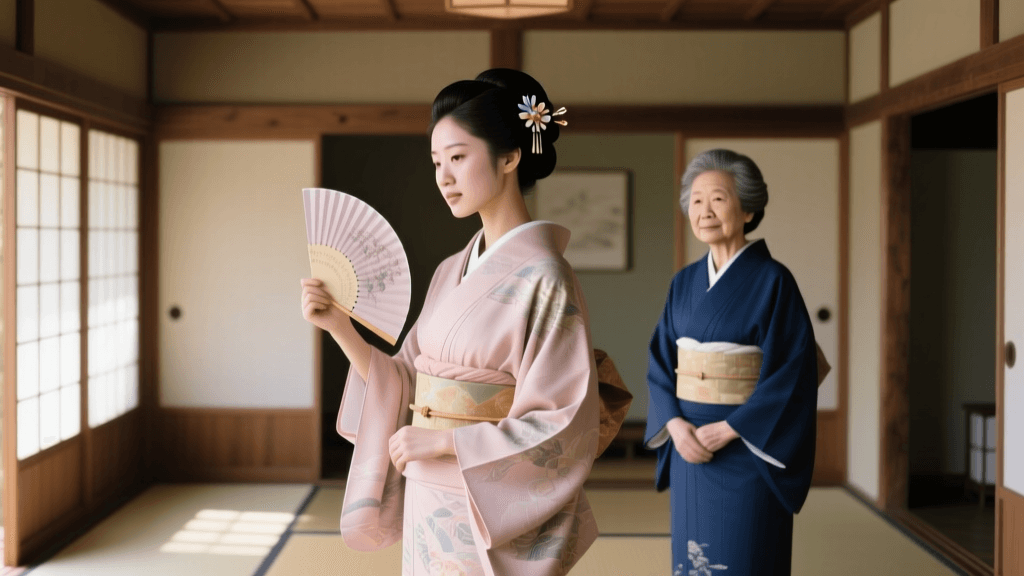
The mother, who is still in her postpartum recovery period, often wears subdued, elegant Western clothing or a simple, uncrested kimono to avoid drawing attention away from the baby. However, the grandmothers play a central role in carrying the child and are expected to wear formal visiting kimonos. A houmongi (visiting kimono) with elegant, continuous patterns that flow across the seams is the gold standard. Alternatively, a tsukesage (a slightly less formal kimono with patterns that do not cross the seams) is highly appropriate. The Tokyo National Museum notes that the houmongi has historically been the cornerstone of Japanese celebratory womenswear, a tradition that holds firm today.
Seijin Shiki: The Coming-of-Age Ceremony in 2026
Held annually on the second Monday of January, Seijin Shiki celebrates young adults who have reached the age of maturity. Although Japan's legal age of adulthood was lowered to 18 in recent years, the cultural and sartorial traditions of Seijin Shiki remain steadfastly tied to 20-year-olds. This ensures that all participants are of legal drinking age, allowing for uninterrupted family celebrations.
Furisode and Hakama Trends
For young women, the furisode is mandatory for this event. Characterized by its dramatic, floor-sweeping sleeves (ranging from 100cm to 114cm in length), the furisode is the most formal kimono worn by unmarried women. In 2026, we are seeing a massive surge in 'vintage restyling,' where young women purchase high-quality Showa-era furisode from antique markets and pair them with modern, minimalist obi belts and contemporary hair accessories. This sustainable approach not only reduces costs but also allows for highly personalized, unique looks that stand out in a sea of mass-produced rental garments.
For young men, the traditional choice is a montsuki hakama—a black, crested kimono paired with wide, pleated trousers. While dark Western suits have dominated male Seijin Shiki fashion for the past few decades, 2026 has seen a 15% resurgence in traditional hakama rentals among young men seeking to reconnect with their heritage. Rich, dark hues like navy, charcoal, and deep plum are currently trending, often accented with subtle geometric woven patterns.
Hoji and Shiki: Navigating Memorial and Mourning Attire
While birth and coming-of-age are joyous, the kimono also plays a vital role in times of grief and remembrance. Buddhist memorial services (Hoji) occur at specific intervals after a passing, most notably the 49th day, followed by the 1st, 3rd, 7th, 13th, and 33rd anniversaries.
Mofuku and Iro-Mofuku Guidelines
For the immediate family during the funeral and the 49th-day memorial, strict mourning attire known as mofuku is required. This consists of a plain, matte black silk kimono featuring five family crests (itsutsu-mon), paired with a black obi and black accessories. The fabric must be entirely devoid of patterns, and the under-kimono (nagajuban) must be stark white.
As time passes and the family enters later memorials (such as the 3rd or 7th anniversaries), the strictness of the attire softens. Family members transition to iro-mofuku (color mourning attire) or subdued houmongi. In 2026, the preferred palette for iro-mofuku includes deep charcoal, navy, dark purple, and muted slate grey. The patterns must be understated, and the obi should remain dark and unadorned. Distant relatives attending these later memorials may wear standard visiting kimonos in muted, elegant tones, avoiding bright reds, golds, or flashy floral motifs.
2026 Kimono Rental vs. Purchase Comparison
Deciding whether to rent or buy a kimono for family ceremonies is a major financial consideration. The table below outlines the average costs and benefits for 2026, reflecting current market rates in major metropolitan areas like Tokyo, Kyoto, and Osaka.
| Ceremony | Garment Type | 2026 Avg Rental Cost (Full Package) | 2026 Avg Purchase Cost (New) | Recommendation |
|---|---|---|---|---|
| Omiyamairi | Infant Iwagi & Grandmother Houmongi | ¥35,000 - ¥55,000 | ¥150,000 - ¥300,000 | Rent for infant; Buy for Grandmother |
| Seijin Shiki | Women's Furisode (Full Set) | ¥80,000 - ¥150,000 | ¥400,000 - ¥800,000+ | Rent or Buy Vintage |
| Seijin Shiki | Men's Montsuki Hakama | ¥25,000 - ¥45,000 | ¥120,000 - ¥250,000 | Rent |
| Memorials (Early) | Mofuku (5 Crests) | ¥20,000 - ¥35,000 | ¥200,000 - ¥400,000 | Purchase (Family Heirloom) |
| Memorials (Late) | Iro-Mofuku / Subdued Houmongi | ¥30,000 - ¥60,000 | ¥180,000 - ¥350,000 | Purchase (High Reuse Value) |
Note: Rental packages in 2026 typically include the kimono, obi, undergarments, zori sandals, tabi socks, and professional dressing services at the shop. Purchase costs reflect new, custom-tailored silk garments.
Practical Tips for 2026 Ceremony Planning
- Book Early for Seijin Shiki: The coming-of-age ceremony is the busiest day of the year for kimono salons. In 2026, top-tier salons in Tokyo and Kyoto are reporting that premium furisode rental slots are fully booked up to 10 months in advance. Secure your reservation by March of the preceding year.
- Weather Adaptations: January in Japan is freezing, while summer memorials can be sweltering. For winter ceremonies, invest in a modern, battery-heated haramaki (waist warmer) worn invisibly beneath the kimono. For summer, request a ro or sha (sheer, woven summer silk) kimono from your rental salon to ensure breathability.
- Understand the Dressing Fee: If you purchase a vintage kimono or inherit one, you will still need to pay a kitsuke (dressing) fee. In 2026, professional dressing services average ¥5,000 to ¥8,000 for standard kimonos, and ¥10,000 to ¥15,000 for complex furisode styling.
- Family Crest Accuracy: For formal memorials and weddings, ensure your kimono features the correct family crest (kamon). Many modern rental shops offer stick-on or iron-on temporary crests for ¥2,000, allowing you to wear a generic formal kimono with your specific family lineage accurately represented.
Conclusion
Whether you are wrapping a newborn in an iwagi, stepping into a vibrant furisode for your coming-of-age, or donning the solemn black of mofuku to honor an ancestor, the kimono remains the ultimate vessel for Japanese family traditions. By understanding the specific requirements, budgeting wisely using 2026 rental markets, and respecting the historical context of these garments, families can ensure that their ceremonial attire is both culturally authentic and deeply meaningful. As the intersection of heritage and modernity continues to evolve, the kimono stands as a timeless testament to the bonds of family and the passage of time.