Japanese Footwear Craft 2026: The Geta and Zori Guide
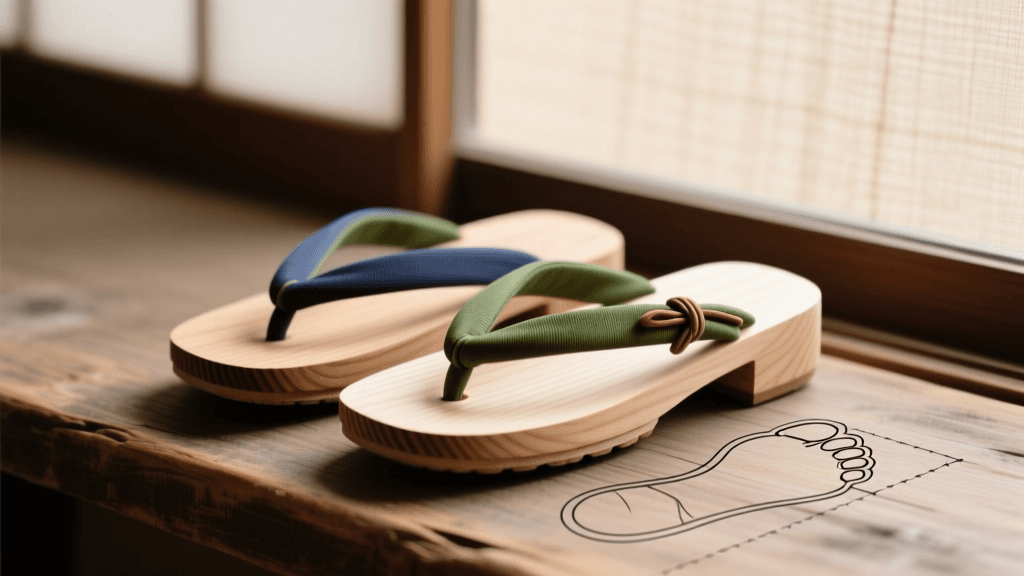
The 2026 Renaissance of Japanese Footwear Craft
The rhythmic karankoron of wooden geta echoing down a cobblestone street is one of the most evocative sensory experiences in Japanese culture. As we move through 2026, traditional Japanese footwear is experiencing a profound renaissance. No longer relegated solely to summer festivals or strict ceremonial occasions, geta (wooden clogs) and zori (flat sandals) are being reimagined by a new generation of artisans who are blending Edo-period woodworking techniques with modern ergonomic science and sustainable material sourcing.
According to the Japan National Tourism Organization, there has been a significant surge in global interest regarding authentic, handcrafted Japanese garments and accessories. In 2026, the Tokyo Traditional Footwear Artisans Guild reported a 22% increase in bespoke commissions from international buyers, driven by a desire for sustainable, slow-fashion alternatives to mass-produced footwear. This guide explores the intricate craft of geta and zori, the material innovations defining 2026, and how to properly select, fit, and care for these iconic pieces of wearable art.
Anatomy of Geta and Zori
To appreciate the craftsmanship, one must first understand the anatomy of these distinct footwear styles. While both utilize the hanao (thong strap) system, their bases serve entirely different purposes.
Geta: The Elevated Wooden Clog
Geta are characterized by their elevated wooden base, designed historically to keep the hem of expensive silk kimonos above the mud and rain of unpaved Edo streets. The primary components include:
- Dai (Base): The main wooden board. Traditionally carved from a single piece of Kiri (Paulownia) wood, prized for its lightweight nature, moisture resistance, and beautiful pale grain.
- Ha (Teeth): The wooden supports underneath the dai. Standard geta feature two teeth, though tengu-geta (worn by martial artists and festival dancers) feature a single, centered tooth.
- Ana (Holes): Three precisely drilled holes through the dai where the hanao is threaded and knotted.
Zori: The Elegant Flat Sandal
Zori are flat, slip-on sandals worn for formal occasions, tea ceremonies, and daily wear. Unlike geta, zori do not have wooden teeth. Instead, they feature a layered sole that provides a sleek profile.
- Omote (Cover): The top surface of the zori. Formal zori are covered in brocade, silk, or vinyl, while casual versions utilize woven rush (igusa) or bamboo sheath.
- Dai (Core): The inner sole, historically made of tightly bound straw or layered cork, providing cushioning and structural integrity.
The Hanao (Thong Strap)
The hanao is the fabric strap that secures the footwear to the foot. In 2026, master hanao-suki (strap makers) are utilizing upcycled vintage kimono silks woven around a modern memory-elastic core, preventing the stretching and sagging that historically plagued heavily worn sandals.
Material Innovations and Sustainability in 2026
The year 2026 marks a pivotal shift in how traditional footwear is manufactured, with a heavy emphasis on ecological sustainability and urban practicality. Artisans are adapting centuries-old designs to suit modern asphalt and concrete environments without sacrificing the traditional aesthetic.
| Component | Traditional Material | 2026 Modern Alternative | Crafting Benefit |
|---|---|---|---|
| Dai (Base) | Solid Kiri Wood | Reclaimed Kiri & Bamboo Composite | Enhances durability, prevents warping, and utilizes sustainable forestry byproducts. |
| Ha (Teeth) | Bare Wood | Vulcanized Rubber Caps | Provides silent walking, superior grip on wet asphalt, and extends the life of the wood. |
| Hanao (Strap) | Braided Cotton/Silk | Upcycled Silk with Memory Core | Prevents strap elongation, adds arch support, and reduces textile waste. |
| Zori Omote | Woven Rush (Igusa) | Vegan Tatami-Weave Textiles | Offers weather-resistant properties and cruelty-free alternatives for formal wear. |
As highlighted by the Victoria and Albert Museum in their extensive studies on Japanese dress and accessories, the evolution of footwear materials has always mirrored the technological and social shifts of the era. The 2026 integration of hidden shock-absorbing gels within the cork cores of formal zori is a prime example of this historical continuum, allowing wearers to attend multi-hour tea ceremonies without foot fatigue.
Sizing and Fitting: The Golden Rule of Overhang
One of the most common mistakes Western buyers make when purchasing geta or zori is applying Western shoe-sizing logic. In Japanese footwear, the foot should not sit entirely within the boundaries of the base. The correct fit requires the heel to overhang the back edge of the dai by approximately 1 to 2 centimeters.
This intentional overhang serves two critical functions:
Step-by-Step Fitting Guide
- Measure Your Foot: Measure from the tip of your longest toe to the back of your heel in centimeters.
- Subtract 1 cm: Select a dai length that is roughly 1 cm shorter than your actual foot measurement.
- Check the Toe Gap: When standing, there should be a small gap between your toes and the front knot (tsubo) of the hanao. Your toes should never grip the edge of the wood.
- Verify the Overhang: Stand naturally and look down. Your heel should slightly protrude past the back edge of the wood or zori base.
Walking with Grace: Biomechanics of Geta
Walking in geta requires a complete recalibration of your gait. If you walk in geta using a standard Western heel-to-toe stride, the wooden teeth will strike the ground violently, causing discomfort and premature wear to the footwear.
According to research on historical garment biomechanics documented by The Metropolitan Museum of Art, traditional Japanese dress dictates a specific posture. To walk correctly in geta:
- Engage Your Core: Keep your back straight and your center of gravity slightly forward.
- Lift, Don't Drag: Lift the geta using your core and thigh muscles, allowing the footwear to follow the natural swing of your leg.
- Flat-Footed Landing: Aim to land with the entire sole of the geta hitting the ground simultaneously, or slightly toe-first. This produces the signature, elegant karankoron sound rather than a harsh clack.
- Shorten Your Stride: Take smaller, more deliberate steps. This naturally prevents the hem of your yukata or kimono from tangling around your ankles.
2026 Pricing and Buying Guide
Investing in authentic Japanese footwear in 2026 requires an understanding of the market tiers. Mass-produced, machine-carved imports are widely available, but they lack the structural integrity and ergonomic carving of artisan pieces.
- Entry-Level (Machine-Made): ¥3,000 – ¥8,000 ($20 – $55 USD). Typically made from composite woods with synthetic hanao. Suitable for a single summer festival or costume use.
- Mid-Tier (Semi-Handcrafted): ¥15,000 – ¥30,000 ($100 – $200 USD). Features genuine Kiri wood bases with hand-finished edges and high-quality cotton hanao. Excellent for regular yukata wearers.
- Bespoke Artisan (Fully Handcrafted): ¥45,000 – ¥120,000+ ($300 – $800+ USD). Custom-carved to the exact arch and foot shape of the wearer. Utilizes rare, aged Kiri wood, hand-lacquered teeth, and vintage silk hanao. These are heirloom-quality pieces meant to last decades.
Care and Maintenance
Proper care ensures that your geta and zori remain functional and beautiful for years. Wood is a living material that reacts to humidity and temperature.
- Drying: Never dry wet geta near a direct heat source, such as a radiator, as this will cause the Kiri wood to split. Wipe them with a dry cotton cloth and let them air dry in a well-ventilated, shaded area.
- Wood Nourishment: Once a year, apply a thin layer of natural Kiri oil or light tung oil to the bare wood of the dai to prevent it from drying out and absorbing excessive moisture from rain.
- Hanao Tightening: Over time, the fabric strap may stretch. Most artisan geta feature a small wooden or plastic plug on the bottom of the dai where the hanao knot is secured. You can carefully remove this plug, pull the strap tighter, re-tie the knot, and replace the plug to restore the original tension.
- Storage: Store your footwear in a breathable cotton bag (tatou) away from direct sunlight, which can bleach the wood and fade the silk hanao.
Conclusion
The craft of geta and zori in 2026 is a masterclass in balancing deep historical reverence with necessary modern innovation. Whether you are stepping into a pair of reclaimed-wood geta for a summer Obon festival or slipping into bespoke brocade zori for a formal tea gathering, understanding the anatomy, fit, and care of these garments elevates the experience from merely wearing shoes to participating in a living, breathing cultural tradition.