Traveling With Hanfu In 2026: Packing Tips & Top Destinations
The 2026 Hanfu Travel Renaissance
The intersection of heritage travel and traditional dress has reached extraordinary new heights in 2026. Traveling across Asia, particularly China, while wearing Hanfu is no longer a niche hobby but a mainstream cultural movement. From the bustling night markets of Xi'an to the serene, mist-covered pavilions of Hangzhou, travelers are embracing the profound elegance of traditional Chinese garments. However, the intricate layers, delicate silk textiles, and structured pleats of Hanfu present unique challenges for the modern traveler. Whether you are journeying to a UNESCO World Heritage site for a professional photoshoot or simply wish to immerse yourself in local culture, mastering the logistics of Hanfu travel is essential. This comprehensive guide covers the most effective packing strategies, specialized gear recommendations, and the ultimate 2026 destination guide for Hanfu enthusiasts.
Essential Hanfu Packing Gear for 2026
Packing Hanfu requires moving beyond standard luggage solutions. The delicate nature of silk damask, chiffon, and brocade demands specialized care to prevent permanent creasing and fabric damage. In 2026, several travel-focused garments and tools have become indispensable for the traditional fashion traveler.
- Xiaomi Mijia Portable Handheld Steamer 2: Wrinkles are the enemy of Hanfu. This compact, dual-chamber steamer heats up in 25 seconds and delivers a continuous, high-pressure steam burst that safely relaxes delicate silk and synthetic blends without leaving water spots. Its foldable handle makes it perfect for carry-on luggage.
- Silk-Lined Compression Garment Bags: Standard plastic dry-cleaning bags trap moisture and cause friction. Invest in breathable, silk-lined garment bags with bamboo boning. The boning maintains the bag's cylindrical shape, preventing the heavy layers of an Aoqun (jacket and skirt set) from crushing one another in your suitcase.
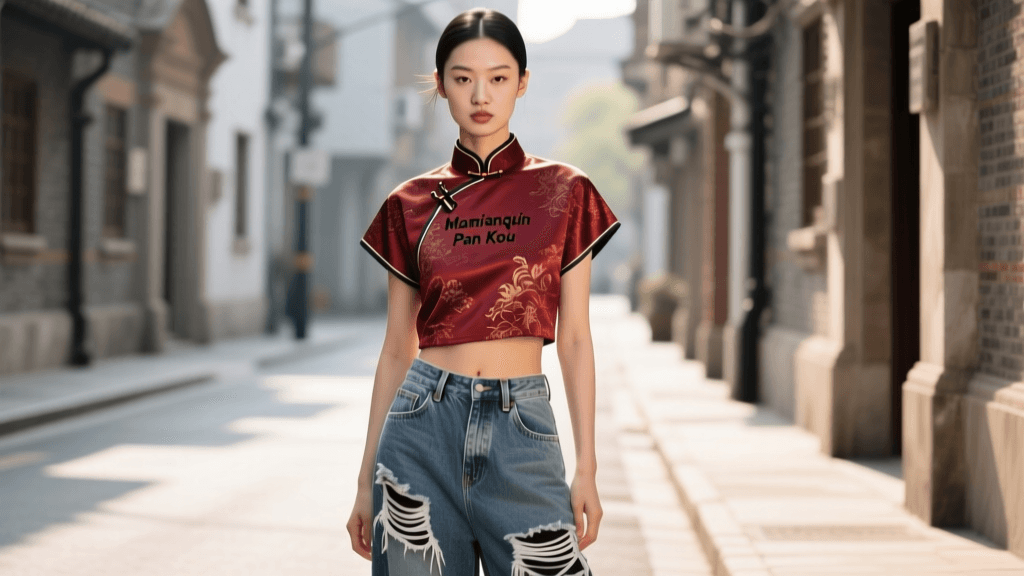
- Magnetic Pleat Clips and Velvet Rollers: For Mamianqun (horse-face skirts), maintaining the sharp, knife-like pleats is paramount. Specially designed magnetic clips secure the pleats at the hem and waist, while velvet-covered rolling tubes provide a soft surface to wrap the skirt around, preventing hard fold lines.
- Anti-Tarnish Jewelry Pouches: Hanfu accessories, including silver buyao (hairpins) and jade pendants, require separate, velvet-lined compartments to prevent oxidation and scratching during high-speed rail transit.
The Art of Folding: Ruqun and Mamianqun Techniques
Improper folding can ruin the structural integrity of traditional garments. The approach varies significantly depending on the silhouette you are traveling with.
Preserving the Mamianqun (Horse-Face Skirt)
Never fold a Mamianqun flat. The intricate pleating, often heat-set or stitched at the waist, will warp if subjected to hard creases. Instead, utilize the 'Roll and Wrap' method. Lay the skirt flat on a clean surface, align the pleats meticulously by hand, and secure them with the aforementioned magnetic clips. Place a velvet-covered cardboard tube at the waistband and roll the skirt downward smoothly. Once rolled, slide the cylinder into a dedicated cotton sleeve. This method ensures that when you unroll the skirt at your hotel, the pleats fall perfectly into place with nothing more than a light steaming.
Packing the Ruqun and Beizi
For Song-style Beizi (long open-front jackets) and cross-collar Ruqun tops, the 'Bundle Wrapping' technique is highly effective. Lay the garment flat, fold the sleeves inward to create a long rectangle, and place a soft, rolled cotton t-shirt in the center. Roll the garment around the cotton core. The soft core prevents hard creases from forming across the chest and collar areas, which are the most visible parts of the outfit.
Top 2026 Hanfu-Friendly Destinations
China's tourism boards have heavily invested in Hanfu-friendly infrastructure, offering expedited entry, dedicated changing rooms, and specialized photography services at major historical sites. Here are the premier destinations for 2026.
Luoyang: The Wei-Jin and Ming Dynasty Hub
Luoyang has fully embraced its identity as a Hanfu capital. The Luoyi Ancient City district is a sprawling, immersive environment where modern storefronts are disguised as Tang and Song dynasty shops. In 2026, the city introduced the 'Heritage Passport,' which grants Hanfu-clad visitors discounted entry to select museums and priority access to the UNESCO World Heritage Centre listed Longmen Grottoes. The dramatic, wind-swept silhouettes of Wei-Jin dynasty garments and the dignified, structured lines of Ming dynasty Aoqun are highly recommended here, contrasting beautifully with the ancient limestone carvings.
Hangzhou: Song Dynasty Elegance
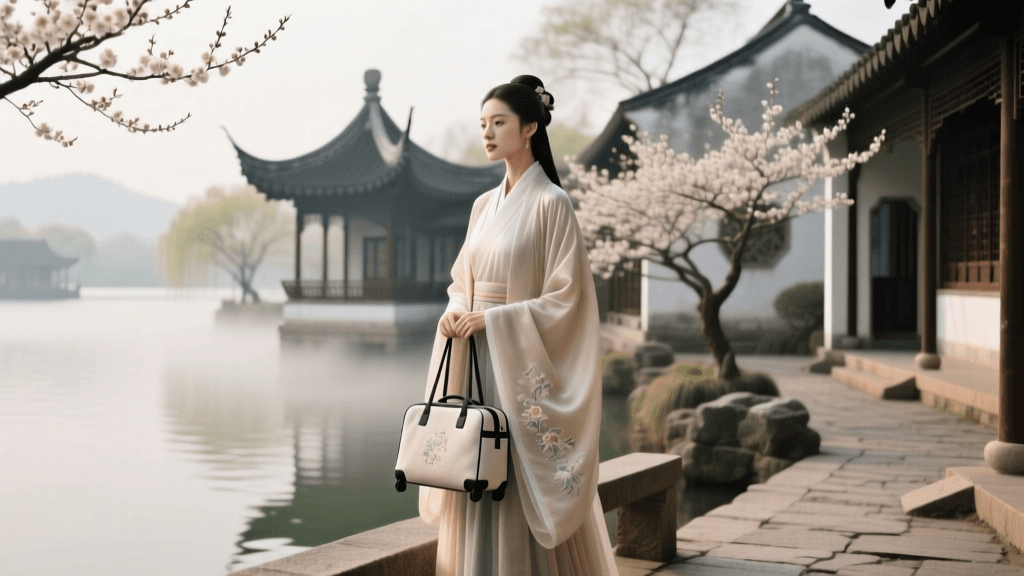
Hangzhou offers a softer, more poetic backdrop, perfectly suited for the minimalist and refined aesthetics of Song Dynasty Hanfu. A stroll around West Lake in a delicate Beizi and pleated skirt feels like stepping into a classical landscape painting. Travelers should allocate an afternoon to visit the China Silk Museum, which in 2026 features interactive, English-friendly exhibits on the evolution of silk weaving and traditional dyeing techniques. The museum's bamboo gardens provide a serene, uncrowded location for photography, far removed from the bustling tourist centers.
Xi'an: Tang Dynasty Grandeur
For those who favor the opulent, vibrant, and voluminous styles of the Tang Dynasty, Xi'an is unmatched. The Datang Everbright City comes alive at dusk, illuminated by thousands of lanterns. The Qixiong Ruqun (chest-high skirt) with its sweeping sashes and wide sleeves is the definitive choice for this location. As noted by South China Morning Post Culture, Xi'an's night economy has fully integrated traditional fashion, with street vendors offering period-accurate snacks and traditional makeup artists setting up pop-up pavilions specifically for traveling Hanfu enthusiasts.
2026 Destination Comparison Chart
| Destination | Recommended Hanfu Style | 2026 Traveler Perks | Best Photography Time |
|---|---|---|---|
| Luoyang | Wei-Jin / Ming Dynasty | Heritage Passport discounts | Early Morning (6:00 AM) |
| Hangzhou | Song Dynasty / Beizi | Free silk-weaving tours | Late Afternoon (4:00 PM) |
| Xi'an | Tang Dynasty / Qixiong | Night market vendor perks | Dusk to Night (7:00 PM) |
Navigating Transit and High-Speed Rail
China's expansive high-speed rail network, dominated by the Fuxing bullet trains, is the most efficient way to travel between these Hanfu hubs in 2026. When boarding, utilize the oversized luggage compartments located at the ends of each carriage for your structured garment bags. Avoid cramming your Hanfu into the overhead bins, as the weight of other passengers' suitcases will crush delicate silk brocades and ruin your meticulously rolled pleats. For longer journeys, consider booking a business class seat, which offers a private closet space specifically designed to hang full-length garments, ensuring your attire remains pristine from departure to arrival.
Cultural Etiquette and Respectful Travel
While Hanfu is a celebration of living heritage, travelers must remain mindful of cultural etiquette, particularly when visiting sacred sites, active temples, or solemn memorials. In 2026, major heritage sites have implemented clear guidelines regarding appropriate attire. Ensure your garments are worn correctly according to historical conventions—such as wrapping the collar left over right (交领右衽), which is a fundamental rule of traditional Han dress. Avoid wearing overly theatrical, stage-performance costumes to solemn historical sites, opting instead for historically accurate, modest silhouettes that reflect a deep respect for the culture you are exploring. By combining meticulous packing strategies with a profound appreciation for historical context, your 2026 Hanfu travel experience will be both visually stunning and culturally enriching.