Hanfu Tourism Guide: Styling for Travel and Social Media
The Rise of Hanfu Destination Tourism
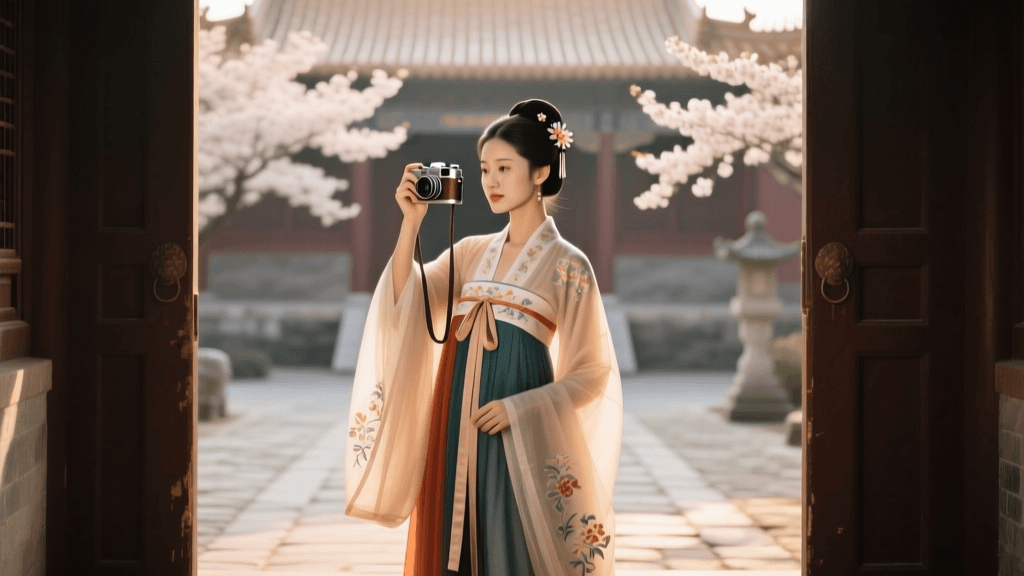
Over the past decade, traditional Chinese clothing has transitioned from a niche historical interest to a vibrant, mainstream cultural phenomenon. The Hanfu movement has not only revitalized ancient sartorial practices but has also birthed a massive new sector of destination tourism. Today, millions of domestic and international travelers plan their itineraries around historical Chinese cities specifically to wear Hanfu, capture cinematic photographs, and create viral content for platforms like Douyin, Xiaohongshu, Instagram, and TikTok. Walking through the ancient streets of Xi'an or the misty gardens of Suzhou, it is common to see visitors adorned in flowing silk robes, transforming historical sites into living, breathing time capsules. For content creators and cultural enthusiasts alike, combining travel with traditional garment styling offers a unique way to engage with Asian heritage while producing stunning visual narratives.
Matching Hanfu Styles to Historical Destinations
China's vast history means that different regions are celebrated for different dynastic eras. Wearing a historically congruent Hanfu style in the correct geographical location elevates the authenticity of your travel photography and shows a deep respect for regional heritage. Below is a strategic guide to matching your garment with the ideal destination, complete with estimated rental costs and prime photography locations.
| Destination | Dynasty Era | Recommended Garment Style | Est. Rental Cost (RMB) | Best Photo Spot |
|---|---|---|---|---|
| Xi'an | Tang Dynasty | Qixiong Ruqun (Chest-high skirt) | 150 - 250 | Datang Everbright City |
| Hangzhou | Song Dynasty | Beizi (Long jacket) & Baidi skirt | 120 - 200 | West Lake / Lingyin Temple |
| Beijing | Ming Dynasty | Aoqun (Jacket & Mamianqun) | 180 - 300 | Forbidden City / Temple of Heaven |
| Suzhou | Ming / Song | Ruqun / Beizi with light layers | 150 - 250 | Humble Administrator's Garden |
Xi'an: The Tang Dynasty Dream
Xi'an, the ancient capital of Chang'an, is the undisputed epicenter of Tang Dynasty (618–907 AD) aesthetics. The Tang era was characterized by cosmopolitan openness, wealth, and bold fashion. The most iconic garment here is the Qixiong Ruqun, a chest-high skirt tied with a sash, often paired with a Daxiushan (large-sleeve shirt) featuring sleeves that can measure up to 1.5 meters in width. When visiting the spectacular Datang Everbright City, the vibrant neon lights and towering traditional architecture perfectly complement the bold reds, golds, and emerald greens typical of Tang-style Hanfu. Renting a high-quality Tang set here, complete with elaborate hair styling, typically costs between 150 and 250 RMB ($20 to $35 USD).
Hangzhou and Suzhou: Song and Ming Elegance
For the misty, poetic landscapes of the Jiangnan region, the understated elegance of the Song (960–1279 AD) and Ming (1368–1644 AD) dynasties is ideal. The Song dynasty favored slender silhouettes, muted pastel tones, and the Beizi, a long, open-front jacket worn over a pleated skirt. This style perfectly mirrors the tranquil waters of Hangzhou's West Lake. Conversely, the Ming dynasty introduced the Mamianqun (horse-face skirt), characterized by heavy brocades, intricate woven patterns, and structured pleats. The Mamianqun requires anywhere from 4.5 to 6 meters of fabric per skirt, giving it a majestic, sweeping motion when walking through the classical gardens of Suzhou.
Practical Travel Tips: Fabrics, Packing, and Rentals
Traveling with Hanfu requires strategic planning, particularly regarding fabric choices and garment care. While authentic historical garments were made from pure mulberry silk, modern travelers and content creators often opt for high-grade synthetic blends for practical reasons. Pure silk wrinkles instantly, stains easily from street food or rain, and requires meticulous ironing. For destination tourism, look for Hanfu made from polyester-chiffon, jacquard blends, or high-quality rayon. These materials offer the beautiful drape and luster seen in traditional silk weaving but are highly wrinkle-resistant and can be washed in a hotel sink if necessary.
Packing and Steaming
When packing your Hanfu, never fold the skirts along the pleats. Instead, roll the Mamianqun or Baidi skirts tightly around a cardboard tube to preserve the pleat structure. Always travel with a portable, handheld garment steamer. A quick 5-minute steam in your hotel room will remove any transit wrinkles and give the fabric the voluminous, flowing quality required for high-end social media photography.
Renting vs. Buying
If you are traveling light, renting is the most practical option. Most major tourist hubs in China have dedicated Hanfu rental boutiques located within a five-minute walk of historical sites. A standard rental package (150-300 RMB) usually includes the full garment set, basic hair styling with foam inserts and hairpins, and a makeup upgrade for an additional 100 RMB. However, if you plan to create ongoing content, investing in your own mid-tier set from reputable Taobao brands like Shisanyu or Zhongge (costing 300-600 RMB) ensures a perfect, tailored fit that rental shops rarely provide.
Mastering Social Media: Posing and Photography for Hanfu
Creating viral Hanfu content on platforms like Douyin and Instagram requires more than just wearing the clothes; it requires mastering the art of movement and environmental interaction. The flowing nature of Hanfu is designed to be captured in motion.
The Sleeve Toss and Skirt Spin
The most popular social media trend for Hanfu is the 'sleeve toss.' To execute this, the subject should start with their arms crossed or held close to the body, then swiftly extend their arms outward and upward, allowing the 1.5-meter sleeves to catch the air. Shoot this in slow motion (60fps or 120fps) to capture the fabric blooming like a flower. For skirts, the 'Mamianqun spin' is essential. Because the horse-face skirt is constructed with flat panels and deep side pleats, spinning at a moderate speed causes the pleats to fan out horizontally, creating a stunning bell shape that looks incredible from a low-angle shot.
Lighting, Timing, and Gear
Historical sites in China are notoriously crowded. To get clean, unobstructed shots for your social media feed, timing is everything. Arrive at locations like the Forbidden City or the Summer Palace right at opening time (usually 8:00 AM or 8:30 AM) to capture the 'golden hour' light and avoid the midday tourist rush. For photography gear, an 85mm prime lens is the gold standard for Hanfu portraits, as it compresses the background and beautifully isolates the intricate embroidery of the collar and cuffs. If you are shooting video for TikTok or Reels, use a smartphone gimbal to ensure smooth, cinematic tracking shots as you walk through ancient corridors.
Utilizing Traditional Props
Props are vital for giving your hands something to do and adding historical context to your frame. Essential, inexpensive props include the Tuanshan (round silk fan), the Youzhisan (oil-paper umbrella for rainy days in Jiangnan), and bamboo flutes. Holding a lantern during the evening shoot at Datang Everbright City not only adds a historical touch but also acts as a practical, warm-toned fill light for your face.
Hair, Makeup, and Cultural Etiquette
No Hanfu look is complete without the appropriate hair and makeup, which are heavily scrutinized by the knowledgeable Hanfu community online. For Tang dynasty looks, makeup should feature bold, flushed blush applied high on the cheeks and across the nose, often accompanied by Huadian (forehead flowers) made of gold leaf or pearl stickers. Song dynasty makeup is much more subdued, favoring pale skin, thin eyebrows, and subtle pearl accents. Hair is rarely worn completely down in traditional styles; instead, use foam hair inserts and U-pins to create structured updos, securing synthetic hairpieces that mimic the elaborate buns of ancient court ladies.
Finally, cultural etiquette is paramount when wearing Hanfu for tourism and content creation. The most critical rule is Jiaoling Youren, meaning the left side of the collar must always cross over the right side. Crossing right over left is historically reserved for the deceased and is considered highly inauspicious. Furthermore, when sitting or kneeling for photos, ensure the skirt panels are neatly arranged beneath you to maintain the dignity and elegance of the garment. By combining historical accuracy with modern social media techniques, you can create breathtaking, respectful, and highly engaging content that celebrates the rich tapestry of Asian traditions.