Hanfu Tourism Guide: Epic Photoshoots in Xi'an and Luoyang
The Rise of Hanfu Destination Tourism
In recent years, the intersection of traditional Chinese clothing and domestic travel has birthed a massive cultural phenomenon known as Hanfu tourism. Cities with deep historical roots, particularly Xi'an and Luoyang, have transformed into sprawling, open-air studios where millions of travelers don traditional garments to immerse themselves in China's imperial past. Driven heavily by visual social media platforms like Douyin (the Chinese version of TikTok) and Xiaohongshu (Little Red Book), Hanfu tourism is no longer a niche hobby—it is a multi-billion RMB industry that dictates travel itineraries, local economies, and global fashion trends.
For the modern traveler and content creator, a trip to these ancient capitals is incomplete without a meticulously planned Hanfu photoshoot. However, navigating the sheer volume of rental shops, historical dynasties, and sprawling heritage sites requires strategic preparation. This comprehensive guide provides actionable advice on selecting the right garments, budgeting for your experience, and capturing viral-worthy social media content while respecting the rich heritage of Asian traditions.
Choosing Your Dynasty: Styles, Fabrics, and Vibes
China's sartorial history spans thousands of years, and different dynasties offer vastly different silhouettes, fabrics, and aesthetics. Choosing the right dynasty for your photoshoot depends heavily on your destination's architecture, the season, and the specific 'vibe' you want to project on your social media feeds.
| Dynasty Style | Key Garments | Best Destination Match | Fabric Recommendation | Social Media Vibe |
|---|---|---|---|---|
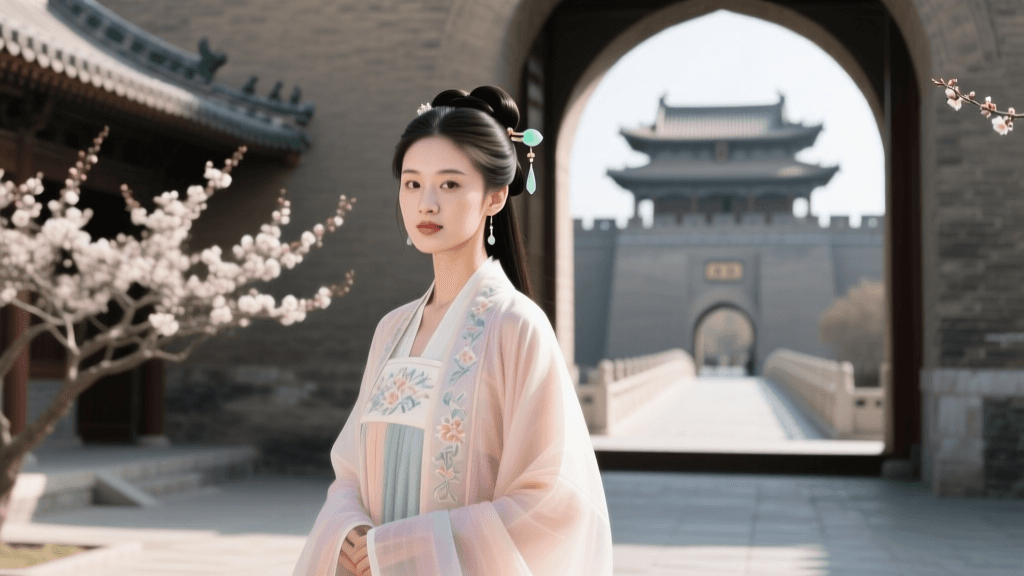
| Tang (618–907 AD) | Qixiong Shanqun (chest-high skirt), Pibo (shawl), wide sleeves | Xi'an (Datang Everbright City) | Lightweight chiffon, organza, bright jacquard | Opulent, romantic, vibrant, fairy-like (Xianxia aesthetic) |
| Song (960–1279 AD) | Beizi (long outer jacket), narrow sleeves, pleated skirts | Luoyang gardens, Suzhou-style pavilions | Linen blends, raw silk, muted cotton | Elegant, scholarly, minimalist, 'quiet luxury' |
| Ming (1368–1644 AD) | Mamianqun (horse-face skirt), Ao (lined jacket), Pipa sleeves | Luoyang (Longmen Grottoes), Beijing | Heavy brocade, velvet, high-density polyester | Regal, structured, powerful, winter-friendly |
When traveling, fabric choice is critical. While pure mulberry silk is historically luxurious, it wrinkles disastrously in suitcases and stains easily during street food tours. For destination tourism, opt for high-density polyester jacquards or polyester-cotton blends. These modern textiles mimic the drape and sheen of historical silks but are machine-washable, wrinkle-resistant, and far more durable for a long day of walking and posing.
Renting vs. Buying: Logistics, Costs, and Brands
One of the most common dilemmas for Hanfu tourists is whether to rent locally or bring their own garments. Both options have distinct advantages depending on your budget and travel style.
The Local Rental Experience
In cities like Luoyang, entire streets are lined with Hanfu experience shops offering 'one-stop' services that include the garment, hair styling, traditional makeup, and sometimes a photographer. Typical Costs:
- Basic Rental (Garment + Hair + Makeup): 150 to 300 RMB ($20 - $42 USD).
- Premium Rental (High-end brands + elaborate jewelry): 400 to 800 RMB ($55 - $110 USD).
- Professional Photographer Add-on: 399 to 899 RMB for a 2-hour shoot and 9-15 edited digital photos.
Pro Tip: Book your makeup artist at least 48 hours in advance via the Xiaohongshu app. Search for the city name plus 'Hanfu makeup' (e.g., 洛阳汉服妆造) to find independent artists with verified portfolios, avoiding the rushed, assembly-line makeup found in some high-traffic tourist trap shops.
Bringing Your Own: Travel-Friendly Brands
If you prefer to own your garments, investing in travel-friendly Hanfu from established Taobao brands is highly recommended. Top Brands for Travelers:
- Shisan Yu (十三余): Known for whimsical, Tang-inspired designs and collaborations with popular IP. Prices range from 300 to 600 RMB. Their fabrics are often lightweight and packable.
- Minghuatang (明华堂): The gold standard for historically accurate Ming dynasty garments. While expensive (1,500+ RMB) and often requiring long pre-order waits, their Mamianqun (horse-face skirts) are iconic and structurally magnificent.
- Zhongling (钟灵记): Excellent for Song and Ming styles with a focus on elegant, everyday wearability. Prices average 200 to 400 RMB.
When packing your own Hanfu, roll the skirts tightly around a cardboard tube to preserve the pleats, and pack a handheld steamer. A 6-meter swing skirt is an absolute must for Douyin-style slow-motion video transitions, whereas a 3-meter skirt is more practical for navigating crowded staircases.
Top Photoshoot Locations & Timing Strategies
The backdrop of your photoshoot is just as important as the garment. Here is how to tackle the two undisputed capitals of Hanfu tourism.
Luoyang: The Ancient Capital of Luoyi
Luoyang has aggressively positioned itself as China's premier Hanfu-friendly city. The crown jewel for photoshoots is the Longmen Grottoes, a UNESCO World Heritage site featuring tens of thousands of Buddhist statues carved into limestone cliffs. Timing & Strategy: Shooting at the grottoes requires a delicate balance. Arrive right at opening time (usually 8:00 AM) to capture the morning mist over the Yi River with the Fengxian Temple in the background before the massive tour groups arrive. For a more vibrant, neon-lit aesthetic, head to the Luoyi Ancient City (洛邑古城) after 7:30 PM. The lantern-lit bridges and traditional wooden architecture here are specifically designed for nighttime Hanfu photography.
Xi'an: The Tang Dynasty Dream
Xi'an offers a grander, more monumental scale. Datang Everbright City (大唐不夜城) is a massive pedestrian district that recreates the cosmopolitan glory of the Tang Dynasty. Timing & Strategy: This location is overwhelmingly crowded during the day and early evening. The secret to a viral photoshoot here is to find the elevated pagodas or the peripheral temple grounds (like the Da Ci'en Temple) during the 'golden hour' (5:30 PM - 6:30 PM depending on the season). The warm light hitting the Tang-style eaves creates a cinematic, historical drama aesthetic that performs exceptionally well on Instagram and Xiaohongshu.
Social Media Styling: Props, Posing, and Authenticity
To stand out in a sea of social media content, your styling and posing must go beyond simply standing in front of a landmark. The Hanfu community highly values 'immersion' and dynamic movement.
Essential Props for Dynamic Content
- The Oil-Paper Umbrella (Youzhisan): Essential for Song-style shoots, especially if it rains. It adds a layer of melancholic poetry to your images.
- Rattan or Bamboo Fans: Perfect for Tang-style shoots to hide the lower half of the face, creating a sense of mystery and classical modesty.
- Hand-Embroidered Lanterns: Crucial for night shoots in Xi'an. Opt for lanterns with wooden frames and real silk panels rather than cheap plastic battery-operated ones, as the light diffusion is vastly superior on camera.
- Hair Accessories: Invest in real jade or resin hairpins (Zan and Chai) and velvet flowers (Ronghua). Avoid shiny, cheap plastic tiaras, which instantly degrade the perceived quality of your photos.
Posing for the Camera
Static, stiff posing is outdated in Hanfu social media circles. The current trend emphasizes 'captured in motion' aesthetics. Practice the 'skirt toss'—using both hands to gently lift and flare the sides of your Mamianqun or Qixiong skirt while walking toward the camera. For video content, utilize a gimbal and shoot at 60fps or 120fps to capture the flowing Pibo (shawl) and wide Pipa sleeves billowing in the wind. Look away from the lens, interact with your props, and let the garment's structure dictate your posture; the stiff, high collars of Ming jackets naturally encourage a regal, upright posture, while Tang garments invite relaxed, flowing movements.
Preserving Authenticity on Your Journey
While social media often prioritizes visual spectacle, the core of the Hanfu movement is deeply rooted in historical reverence and cultural preservation. The Ming dynasty era brought structured elegance and complex weaving techniques, as documented in the Metropolitan Museum of Art's historical archives, which highlight the importance of rank badges, specific collar shapes, and the evolution of the pleated skirt. Similarly, for those interested in the broader historical evolution of Asian textiles and embroidery techniques, the Victoria and Albert Museum's Asian collections offer profound insights into the craftsmanship that modern Hanfu makers strive to replicate.
As a traveler and content creator, taking the time to understand the basic rules of your chosen dynasty's attire—such as ensuring the 'left over right' (交领右衽) collar rule is strictly followed, which is a fundamental tenet of traditional Han dress—shows respect for the culture. When you combine this historical mindfulness with modern travel logistics and social media savvy, your Hanfu tourism experience transcends a simple vacation. It becomes a meaningful participation in the living, breathing revival of Asian traditions, contributing to a global appreciation of China's magnificent sartorial heritage.
Quick Travel Packing Checklist for Hanfu Tourists
- Handheld garment steamer (dual voltage)
- Double-sided fashion tape (for securing chest-high Tang skirts)
- Comfortable, neutral-colored sneakers (hidden under long skirts for miles of walking)
- Portable ring light or LED panel for night market shoots
- Blister plasters and anti-chafing balm