Hanfu Tourism: Top Destinations and Social Media Photography Tips
The Rise of Hanfu Tourism and Social Media
The intersection of traditional Chinese clothing and modern digital culture has birthed a massive phenomenon: Hanfu tourism. Driven heavily by visual platforms like Douyin (the Chinese version of TikTok), Xiaohongshu (Little Red Book), and Instagram, wearing traditional Han garments is no longer just for festivals or private historical appreciation societies. It has become a cornerstone of domestic and international destination tourism. Travelers are now meticulously planning trips around historical aesthetics, seeking out ancient architecture, bamboo forests, and classical gardens to serve as backdrops for their social media content. For the modern traveler and content creator, understanding which Hanfu styles match specific historical locations, how to pack delicate garments, and how to pose for dynamic digital content is essential for creating viral, culturally rich media.
Top Destinations for Hanfu Photography
Xi'an: The Tang Dynasty Dream
Known historically as Chang'an, the capital of the Tang Dynasty, Xi'an embraces this heritage with unparalleled enthusiasm, particularly in the Datang Everbright City pedestrian area. Here, the streets are illuminated by thousands of lanterns at night, creating a cyberpunk-meets-antiquity aesthetic that is incredibly popular on Douyin. The recommended style here is the Tang Dynasty Qixiong Ruqun (chest-high skirt) with wide, flowing sleeves and vibrant, contrasting colors like pomegranate red and marigold. According to regional tourism data highlighted by travel authorities like the China Highlights Xi'an Travel Guide, the city's infrastructure is heavily optimized for night-time cultural tourism, making golden hour and blue hour the optimal shooting times to capture the glowing architecture.
Hangzhou: Song Dynasty Elegance
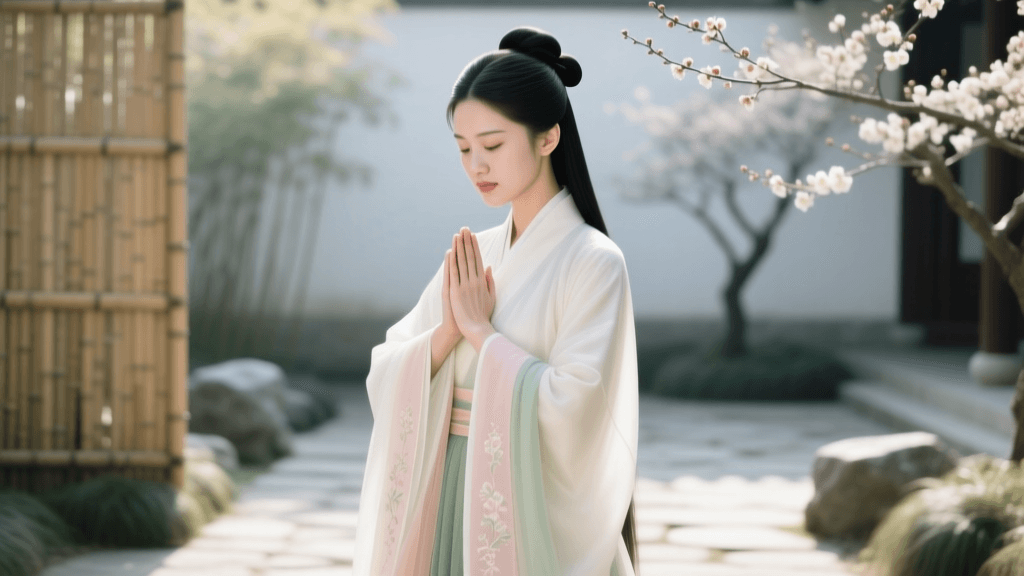
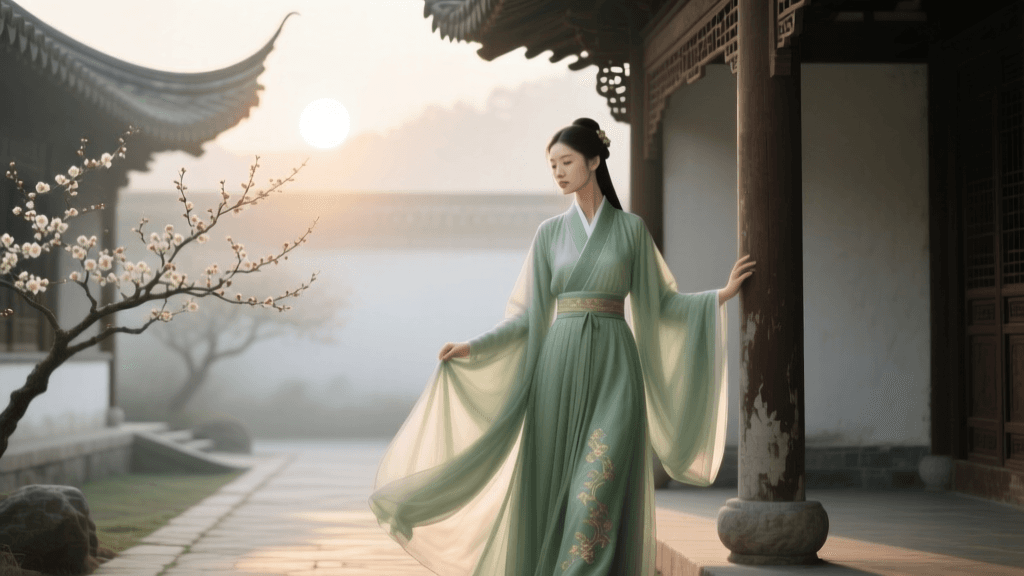
Hangzhou is the epitome of Song Dynasty elegance. The city's West Lake and surrounding temples, such as Lingyin, offer a softer, more subdued environment compared to the northern capitals. The Song Dynasty aesthetic favors slender, understated silhouettes, such as the Beizi (a long, open-front coat) paired with a Baiqun (pleated skirt). Colors are typically muted—celadon, soft pinks, ivory, and misty blues. The misty mornings over West Lake provide natural diffusion for photography, eliminating the need for heavy artificial lighting or reflectors. As noted in comprehensive regional travel resources like the Hangzhou Tourism Overview, the integration of natural water features with classical pavilions makes it a premier spot for tranquil, editorial-style portraiture that performs exceptionally well on image-heavy platforms like Xiaohongshu.
Beijing: Ming Dynasty Majesty
For Ming Dynasty majesty, Beijing is unparalleled. The imposing red walls and golden roof tiles of the Forbidden City and the Temple of Heaven demand garments with structural weight and visual authority. The Ming Dynasty Aoqun (jacket and skirt) and the iconic Mamianqun (horse-face skirt) feature heavy brocades, intricate woven gold threads, and structured collars. The contrast of a deep crimson, emerald, or navy Ming-style garment against the imperial yellow and red architecture creates striking, high-contrast imagery perfect for Instagram grids and high-definition video reels.
Strategic Styling: Matching Garments to Destinations
To maximize your social media engagement, it is crucial to align your garment's historical era with the architectural era of your destination. Wearing a Tang Dynasty chest-high skirt in front of a Ming Dynasty fortress can create visual dissonance for educated viewers. Use the table below to plan your wardrobe and shooting schedule:
| Destination | Historical Era | Recommended Hanfu Style | Best Time to Shoot | Est. Rental Cost (RMB) |
|---|---|---|---|---|
| Xi'an | Tang Dynasty | Qixiong Ruqun (Chest-high skirt, wide sleeves) | Night / Blue Hour | 250 - 400 |
| Hangzhou | Song Dynasty | Beizi & Baiqun (Slender coat & pleated skirt) | Early Morning / Overcast | 200 - 350 |
| Beijing | Ming Dynasty | Aoqun & Mamianqun (Structured jacket & skirt) | Mid-Morning / Late Afternoon | 300 - 500 |
| Suzhou | Ming / Qing | Ruqun with delicate Su embroidery | Golden Hour | 200 - 450 |
Fabric Choices and Packing for the Traveling Enthusiast
Traveling with Hanfu requires strategic fabric selection. While pure silk and traditional brocades are historically accurate and visually stunning, they are notoriously difficult to maintain on the road. Pure silk wrinkles aggressively, traps heat, and stains easily from sweat or sudden rain showers. For destination tourism, content creators should prioritize high-quality polyester-chiffon blends, organza, and modern jacquard weaves. These modern textile alternatives mimic the drape and sheen of silk but are highly wrinkle-resistant and can be hand-washed in a hotel sink and air-dried overnight.
When packing, use the 'rolling method' for skirts to prevent hard creases along the pleats. For structured Ming Dynasty collars and stiff cuffs, pack them flat at the top of your suitcase or use specialized garment folders. Always travel with a portable, handheld garment steamer. A quick steam not only removes travel wrinkles but also adds volume and life to the skirts, ensuring they catch the wind beautifully during video shoots.
Mastering Social Media Photography and Videography
Creating engaging content for platforms like Douyin, TikTok, and Xiaohongshu requires an understanding of movement and dynamic composition. Static posing is out; kinetic storytelling is in.
The Sleeve Toss and Movement
A staple of Hanfu videography is the sleeve toss. Using a slow-motion setting on your smartphone or camera (60fps or 120fps), toss your wide sleeves outward and let them cascade down. This highlights the fabric's drape and creates a mesmerizing visual loop. Similarly, walking away from the camera and looking back over the shoulder while the skirt naturally sways creates a sense of candid elegance that algorithms favor.
The Transition Video
Transition videos dominate short-form video platforms. Start the video in modern, casual streetwear walking toward the camera. As you pass the lens or cover it with a prop (like a round fan or oil-paper umbrella), cut to the next clip wearing full Hanfu in the exact same position, revealing the historical transformation against an ancient backdrop. Ensure your lighting and camera angle remain identical between the two clips for a seamless effect.
Props and Posing
Utilize traditional props to give your hands something to do and to anchor the historical context. A bamboo flute, a silk round fan (Tuan Shan), or a paper lantern can elevate a simple portrait. For Xiaohongshu, which favors high-resolution, magazine-style layouts, mix full-body environmental shots with extreme macro close-ups of your hair accessories (like jade hairpins, velvet flowers, and pearl strings) and the intricate embroidery on your collar.
Understanding the historical context of your garments elevates your content from mere cosplay to cultural education. Referencing the textile archives and historical garment construction documented by institutions like the Victoria and Albert Museum's Asian Collections can provide your audience with fascinating captions about the evolution of Chinese weaving techniques, dyeing methods, and silhouette changes across dynasties, thereby increasing the shareability and save-rate of your posts.
Practical Logistics: Rentals, Makeup, and Budgeting
If you are traveling internationally or do not wish to pack multiple heavy garments, renting on-site is a booming, highly accessible industry in China's tourist hubs. Around major sites like the Forbidden City, Xi'an's city walls, and Suzhou's Humble Administrator's Garden, you will find hundreds of Hanfu experience shops.
A standard package (typically 200 to 500 RMB, or roughly $30 to $70 USD) includes the rental of the garment set, professional traditional hair styling (using high-quality wig pieces and ornate hairpins), and period-accurate makeup. This is incredibly cost-effective compared to purchasing authentic, high-end garments and hiring a stylist separately.
Makeup and Timing Tips
When sitting in the makeup chair, ensure your artist includes 'Huadian' (traditional forehead appliques or painted floral motifs) and elongated, sweeping eyeliner, which are crucial for the Tang and Song Dynasty aesthetics. Communicate your specific dynasty focus to the stylist; a heavy, jewel-toned Tang makeup look will clash visually with a delicate, pastel Song Dynasty garment.
Finally, always book your rental and makeup appointment early in the morning (around 8:00 AM). This allows you to beat the midday tourist crowds, secure the best natural morning lighting, and ensures you have the widest selection of premium garments before the most popular sizes and colors are rented out for the day.
Conclusion
Hanfu tourism is far more than a simple photo opportunity; it is a wearable, immersive dialogue with history. By strategically aligning your garment choices with your destination, optimizing your fabrics for the rigors of travel, and mastering kinetic social media photography, you can create breathtaking content. This approach not only honors the rich, complex tapestry of Asian traditions but also captivates a global digital audience eager for authentic, visually stunning cultural storytelling.